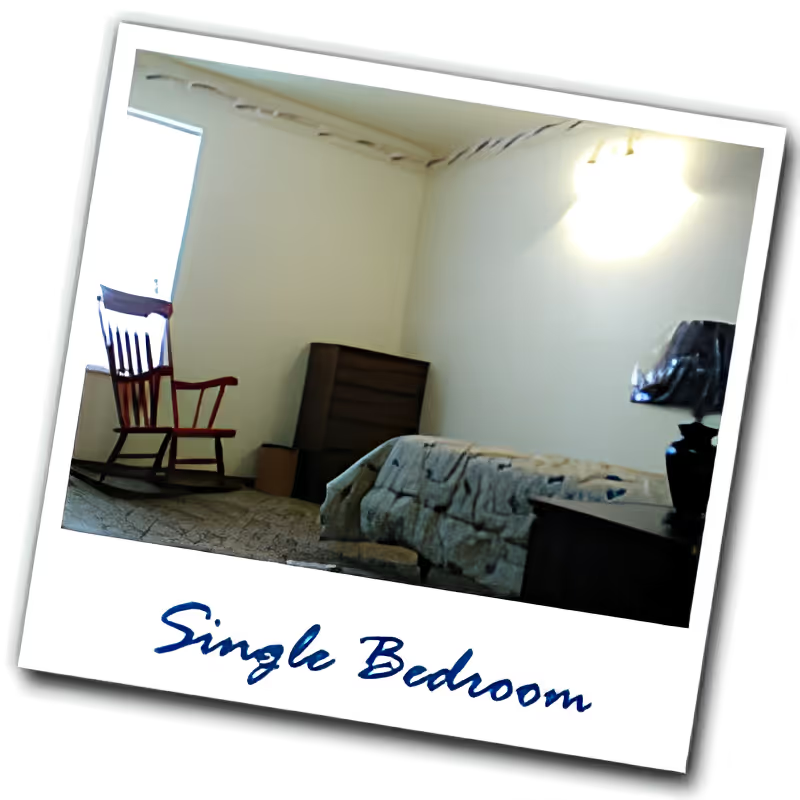
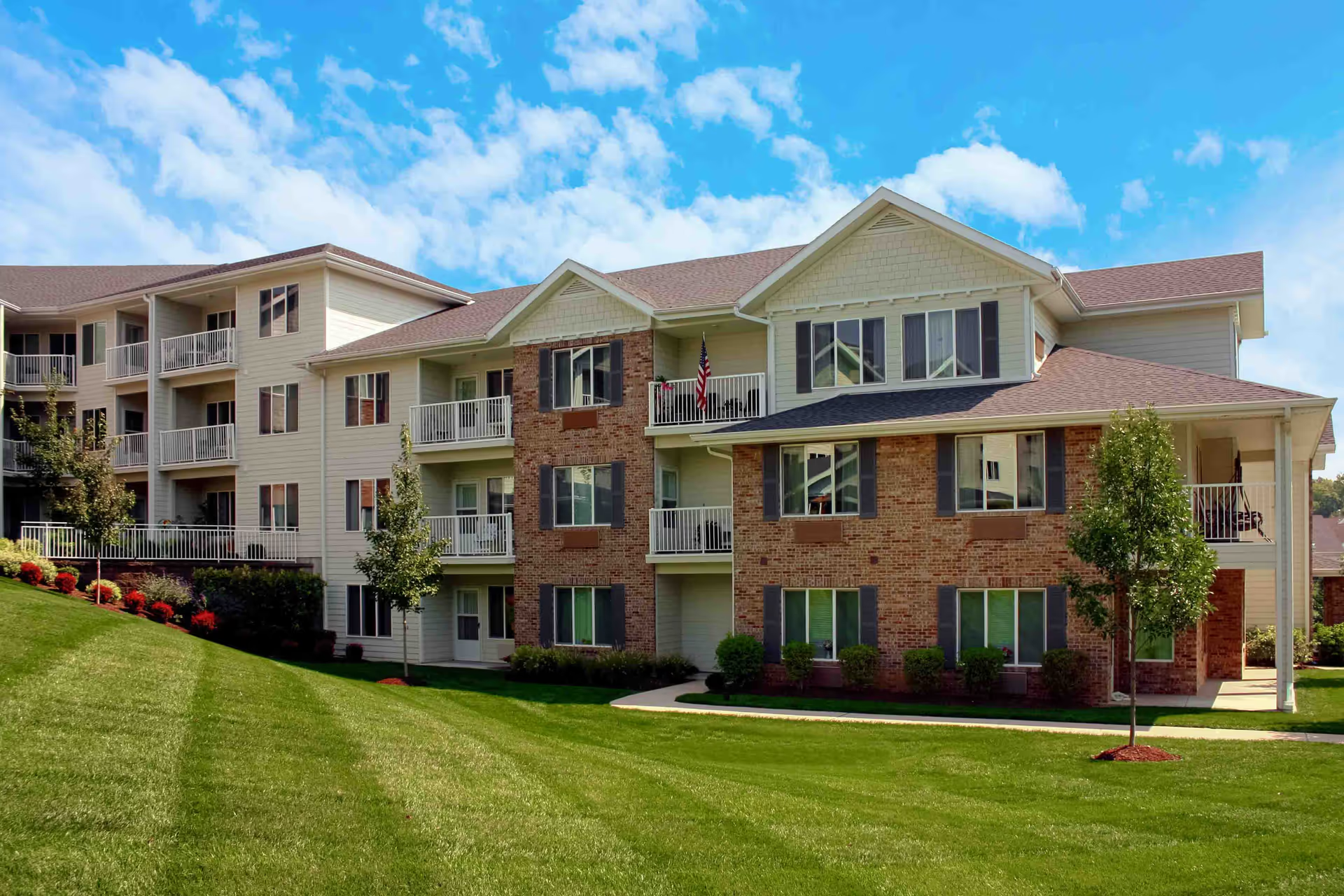
Across the provided reviews, positive impressions focus on the facility’s residential character and food service. Reviewers describe a home-like atmosphere and note that residents appear to receive substantial meals, suggesting a comfortable, domestic-style setting and regular meal provision.
However, there are consistent operational concerns related to resident safety and staff performance. Several comments indicate instances in which residents were able to leave the property unattended and were not immediately detected; this points to weaknesses in supervision, elopement-prevention measures, or monitoring practices. Reviewers also described instances of staff being unaware of safety events, which suggests gaps in incident detection, handoffs, or staffing coverage.
Staff interactions are another recurring theme. Some reviewers characterized staff tone and responsiveness as problematic, which raises concerns about customer-service approaches, staff training in communication, and responsiveness to family inquiries. These observations, together with reports of delayed awareness of safety events, imply potential needs for additional staff training and clearer protocols for escalation and resident checks.
Management and governance patterns are noteworthy. The reviews mention a history of ongoing complaints and at least one external escalation to authorities; this suggests that complaint-resolution processes and management follow-up may be inconsistent or insufficiently transparent. Prospective families should inquire directly about the facility’s complaint log, recent corrective actions, staff-training records, and any regulatory or law-enforcement interactions to understand the current status and any remedial steps taken.
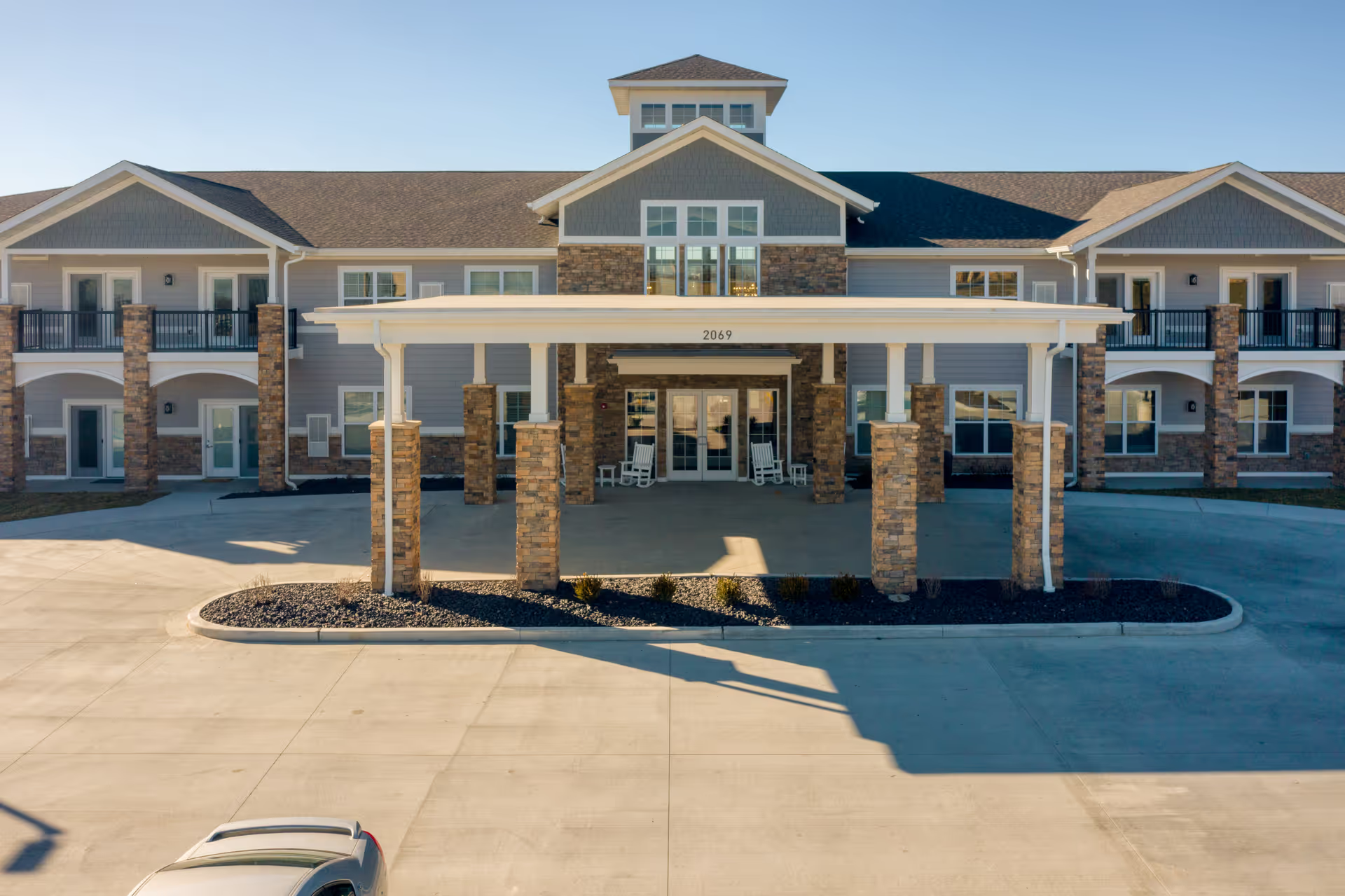
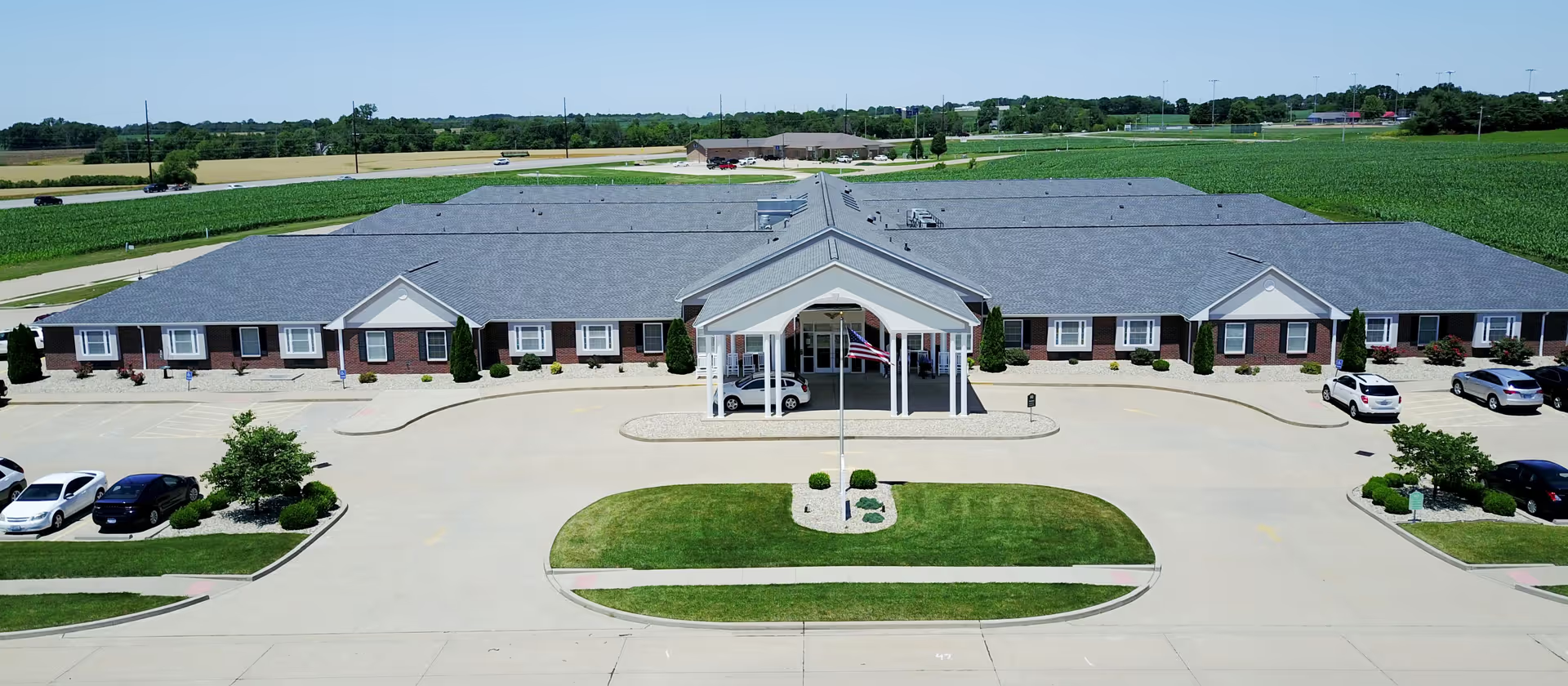
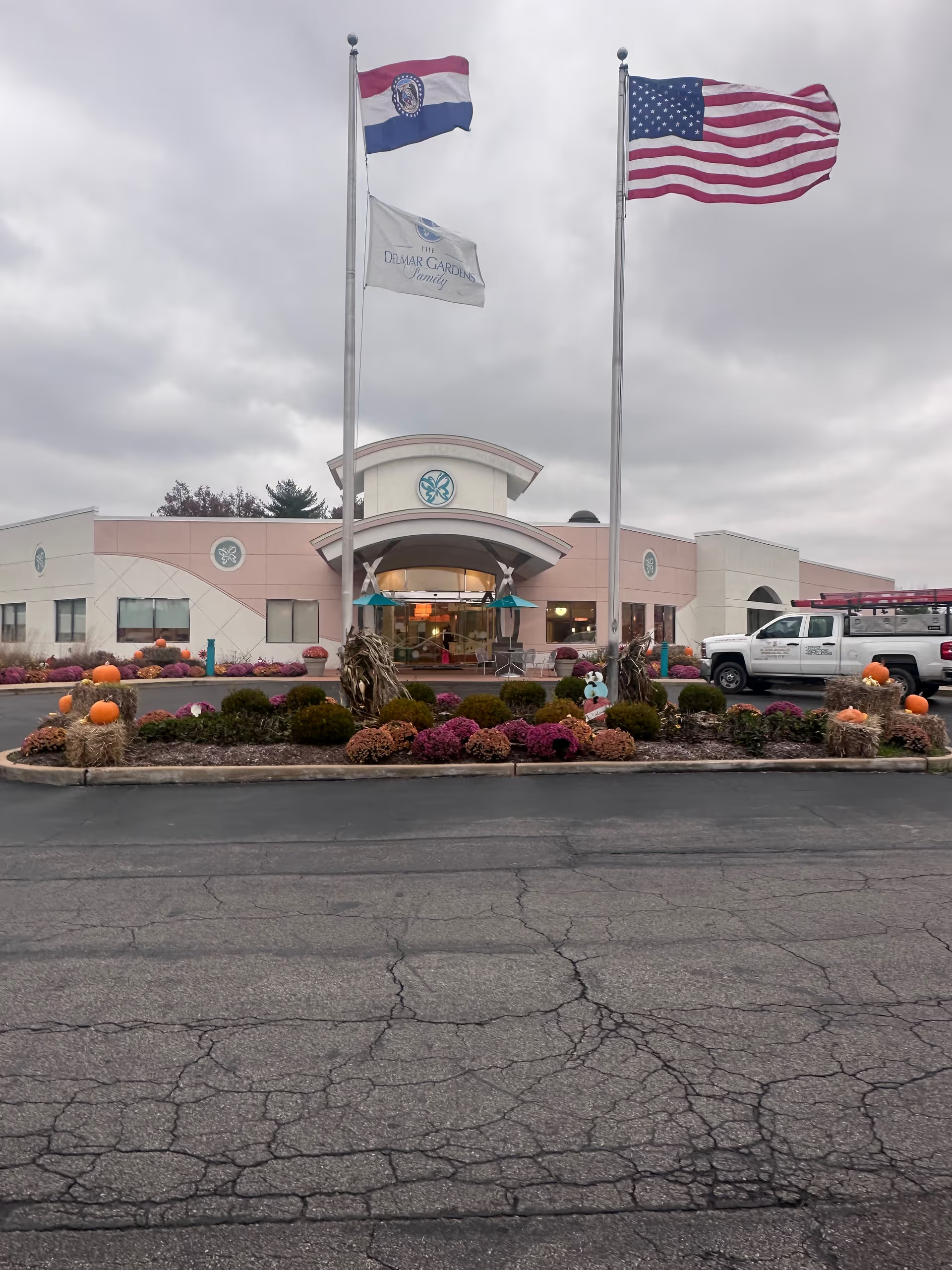
Information about activities and physical plant is limited beyond the residential feel. The “home-like” descriptors imply a less institutional environment, but reviewers did not provide detail on formal activity programming, therapy offerings, or the overall condition of communal areas beyond atmosphere. Prospective residents and families would benefit from touring the facility, meeting direct-care staff, observing mealtimes, and asking for documentation on staffing ratios, elopement-prevention measures (door alarms, supervision schedules), incident reporting practices, and evidence of ongoing staff education.
In summary, the facility appears to offer a domestic environment with reliable meal service, but the reviews identify operational weaknesses in supervision, safety-protocol adherence, staff communication, and complaint handling. These are actionable areas to investigate during a visit or through direct questions to management and regulators before making a placement decision.