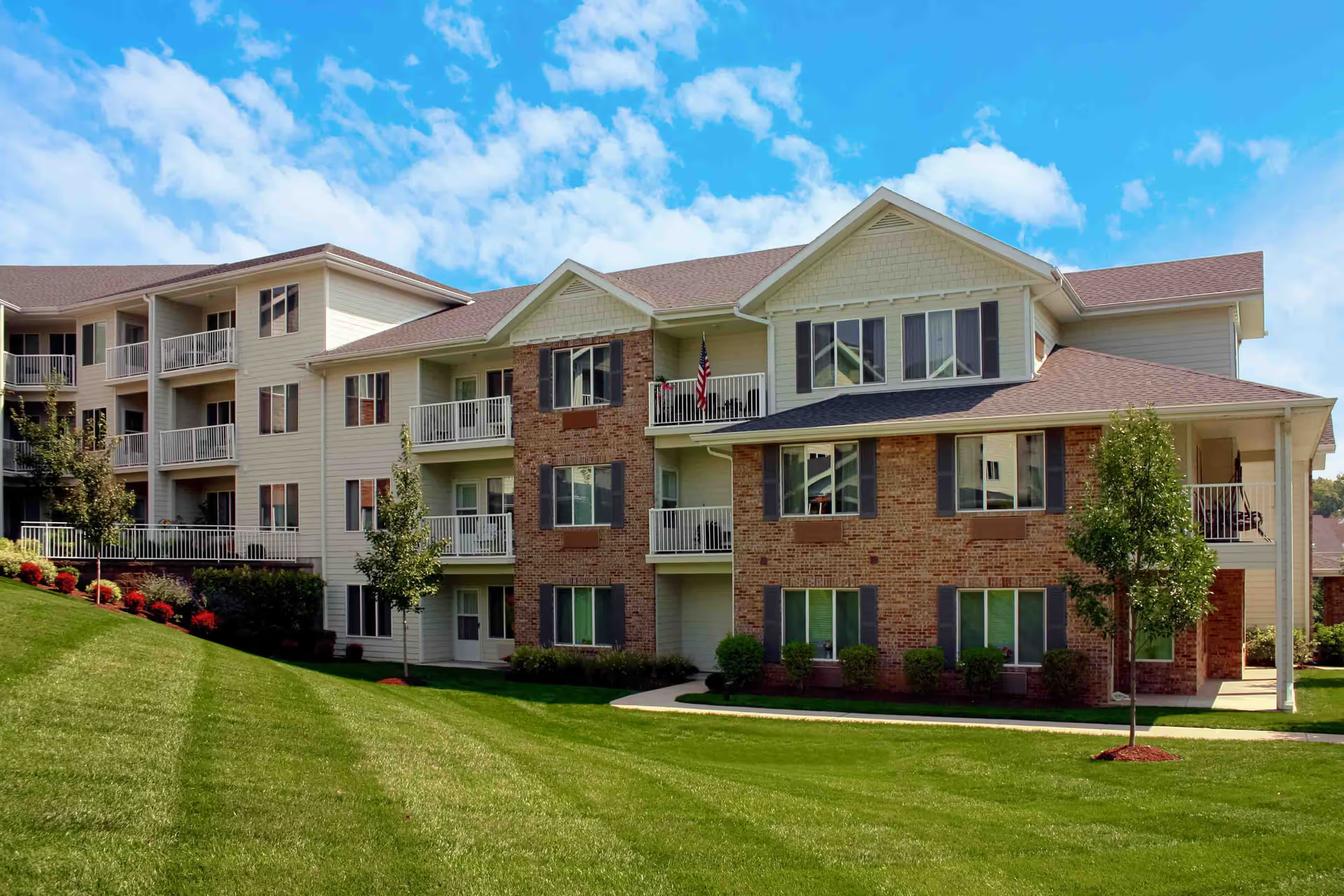
Crystal Oaks elicits polarized impressions: many families and former residents praise the facility for compassionate bedside care, clinically competent rehabilitation services, and a warm, home-like atmosphere, while other accounts point to operational inconsistencies that have tangible effects on resident experience and safety. The facility is frequently described as clean and well-kept in public areas, with engaged admissions staff, strong therapy programming, a broad activity calendar, and on-site services such as laundry, salon, and transportation that support resident independence and social engagement.
Clinical care and staffing receive mixed assessments. Positive accounts emphasize respectful interactions, individualized attention from nurses and therapists, and successful rehab outcomes where residents regained function. At the same time, a measurable pattern of operational weaknesses emerges: chronic staffing shortages and high turnover, uneven clinical oversight, and specific gaps in medication administration and documentation. Several families raised allegations of documentation inaccuracies and medication mishandling that they believe contributed to care escalation; these are serious concerns that warrant direct inquiry and verification with the facility and regulatory records.
Dining, activities, and daily life are described as strengths for many residents: varied menus, flexible dining, a range of group activities (bingo, music, arts and crafts, outings), and friendly staff who know residents personally. However, others note inconsistent meal quality, interruptions to kitchen service, and dissatisfaction with texture-modified meals for some residents. Activity programming and transportation are consistently cited as positive contributors to resident well-being, particularly in rehabilitation-focused stays.
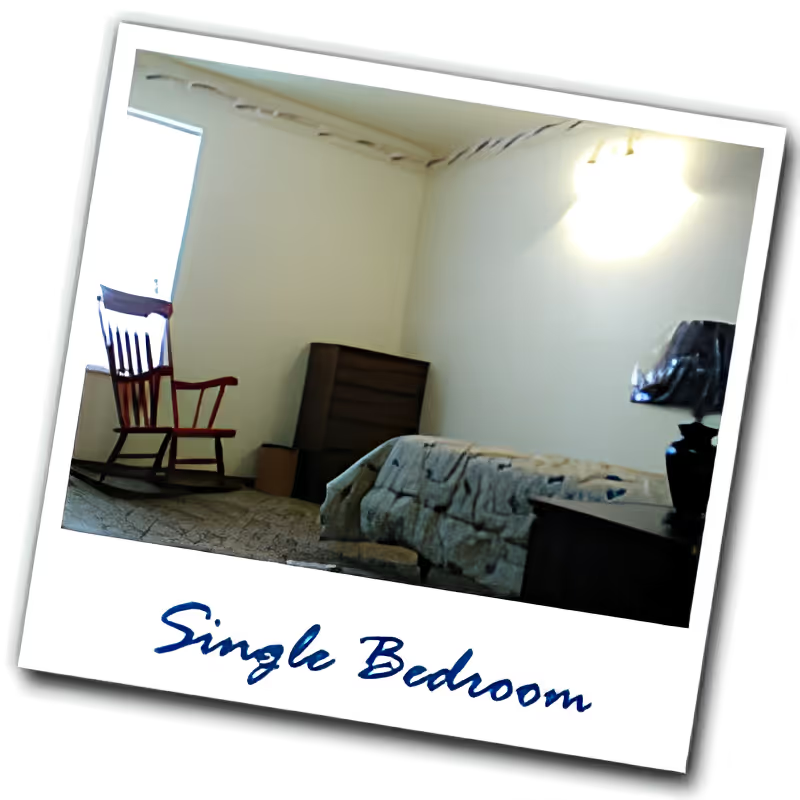
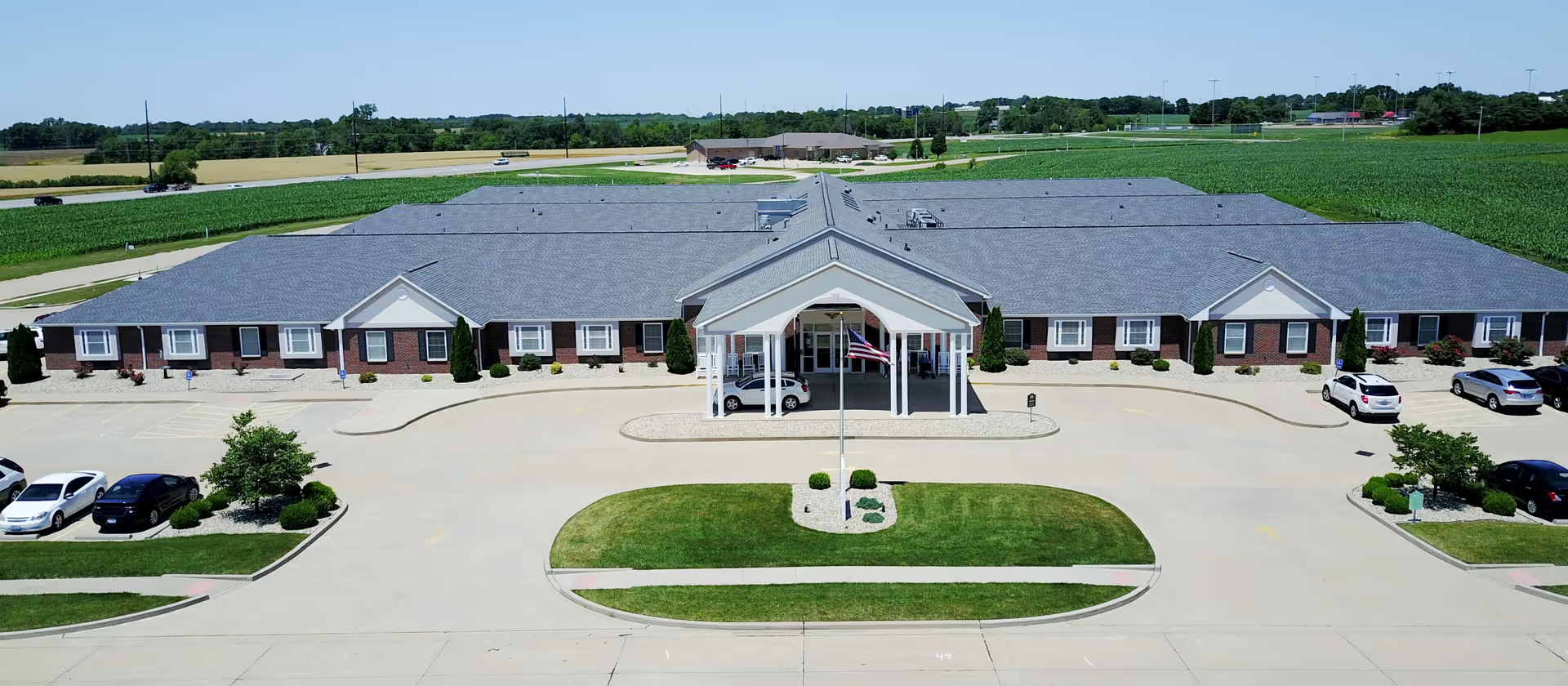
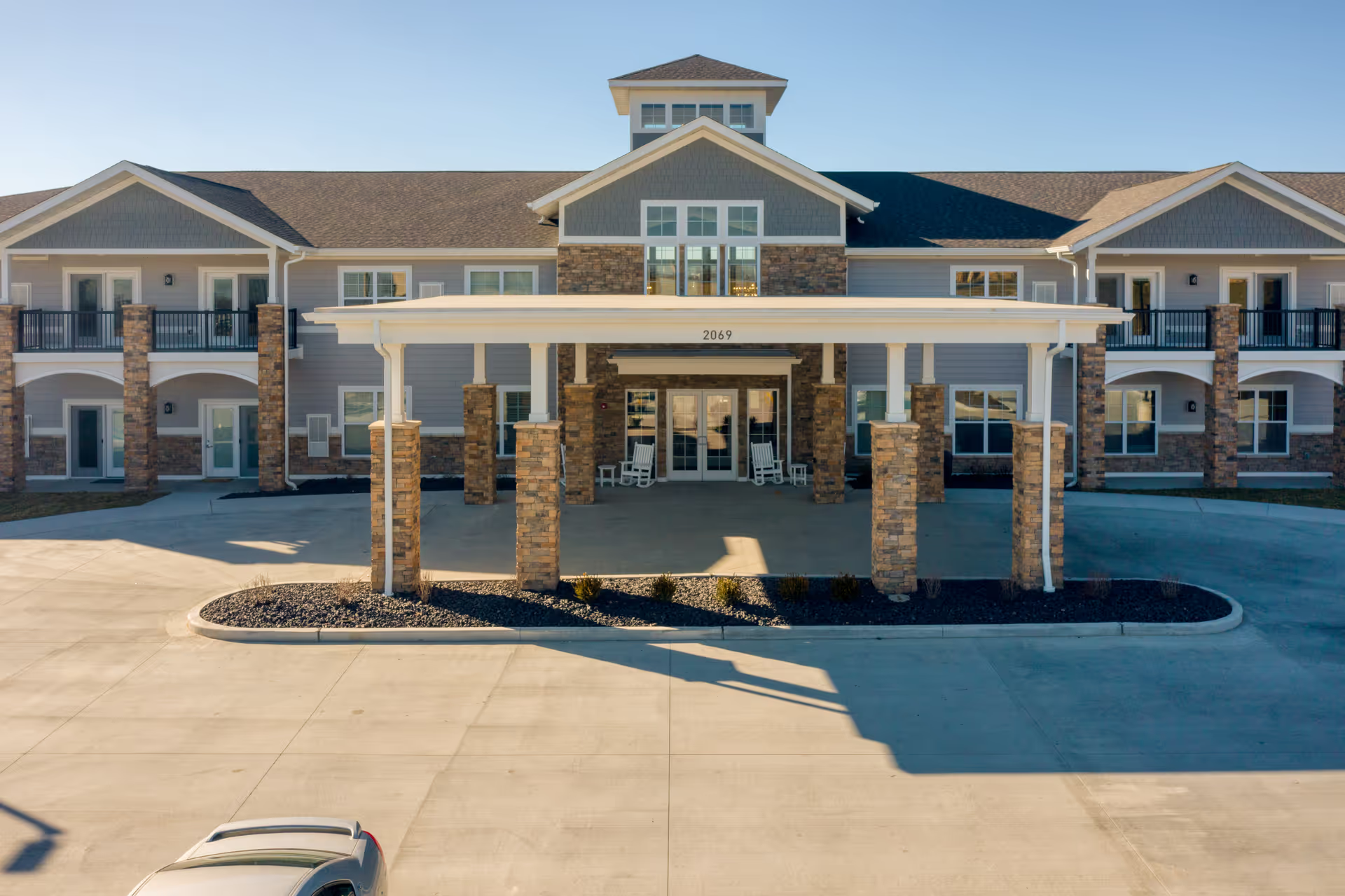
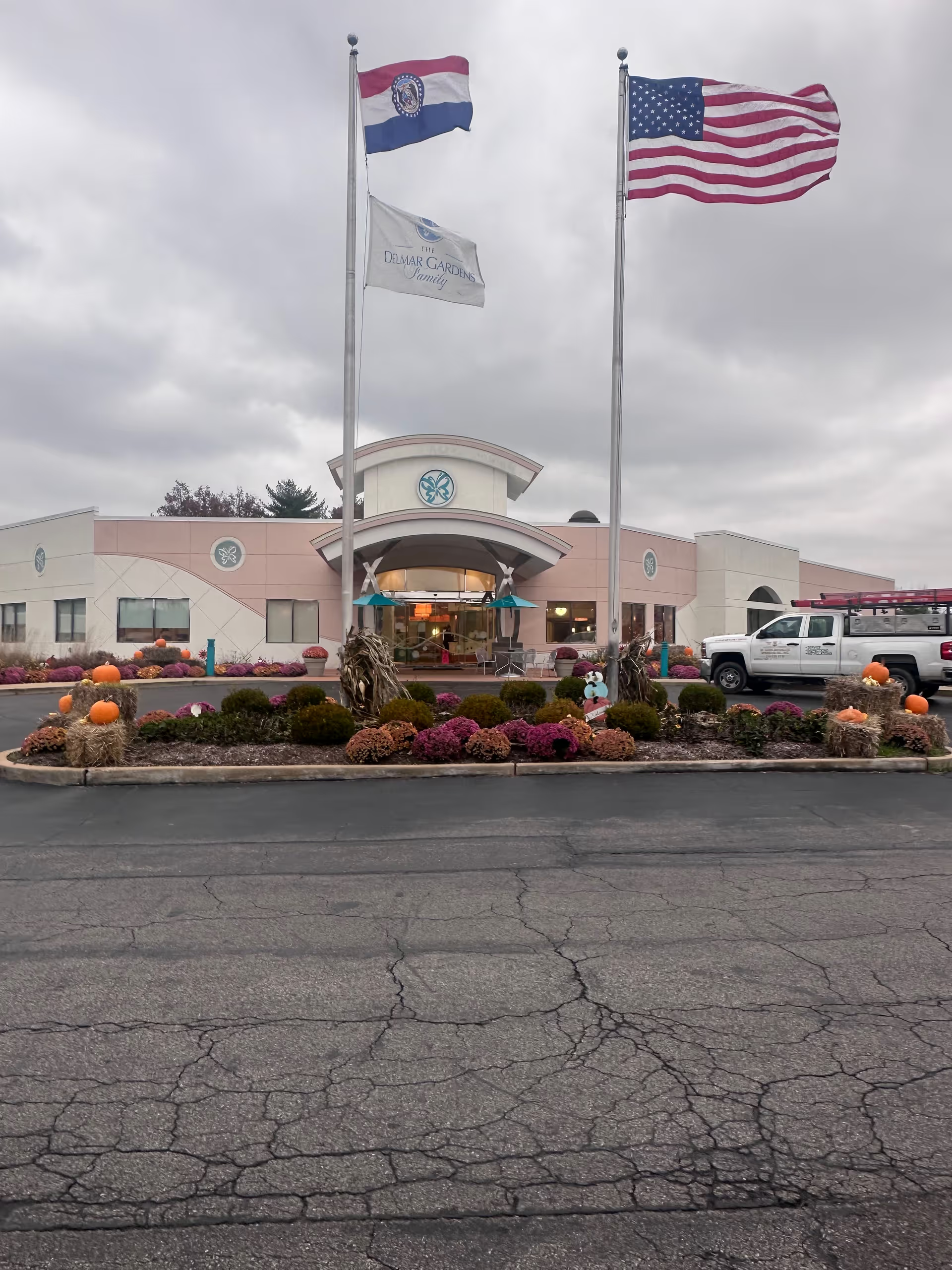
Facility and maintenance observations are similarly mixed. Many reviewers describe attractive grounds, updated interiors, and responsive maintenance staff. Conversely, there are recurring notes about HVAC problems, broken equipment (for example ice machines), and neglected courtyard furnishings that point to uneven attention to building systems and outdoor maintenance. Sanitation and odor concerns in some areas, as well as occasional lapses in room cleaning and laundry pickup, were raised and contribute to an impression of inconsistent housekeeping reliability.
Management and communication present a notable pattern: accounts of engaged, responsive leadership and positive staff morale coexist with reports of operational decline after an ownership change, uneven family communication, and difficulty reaching clinical staff at times. Given the mix of strong clinical/recreational programming and repeated operational issues (staffing, medication controls, maintenance, and documentation), prospective residents and families should: 1) request recent staffing ratios and nurse coverage schedules (including night shift); 2) review medication-administration and documentation procedures; 3) tour both resident rooms and service areas (kitchen, laundry, courtyards) at different times of day; and 4) ask about management turnover and recent quality-improvement actions taken in response to family concerns. These steps can help clarify whether the facility’s positive elements are consistent and whether the operational weaknesses have been addressed.