Autumn Springs Assisted Living is generally described as a small, home-like community with a strong emphasis on personal attention and an active social program. Many comments highlight friendly, caring staff who interact on a first-name basis, an accessible administration, and a family-oriented atmosphere. Reviewers frequently praise the activities calendar — exercise, crafts, music and regular social programming are noted as strengths — and several reviewers describe a positive dining experience with on-site meals and adequate breakfast options.
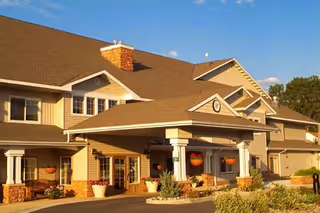
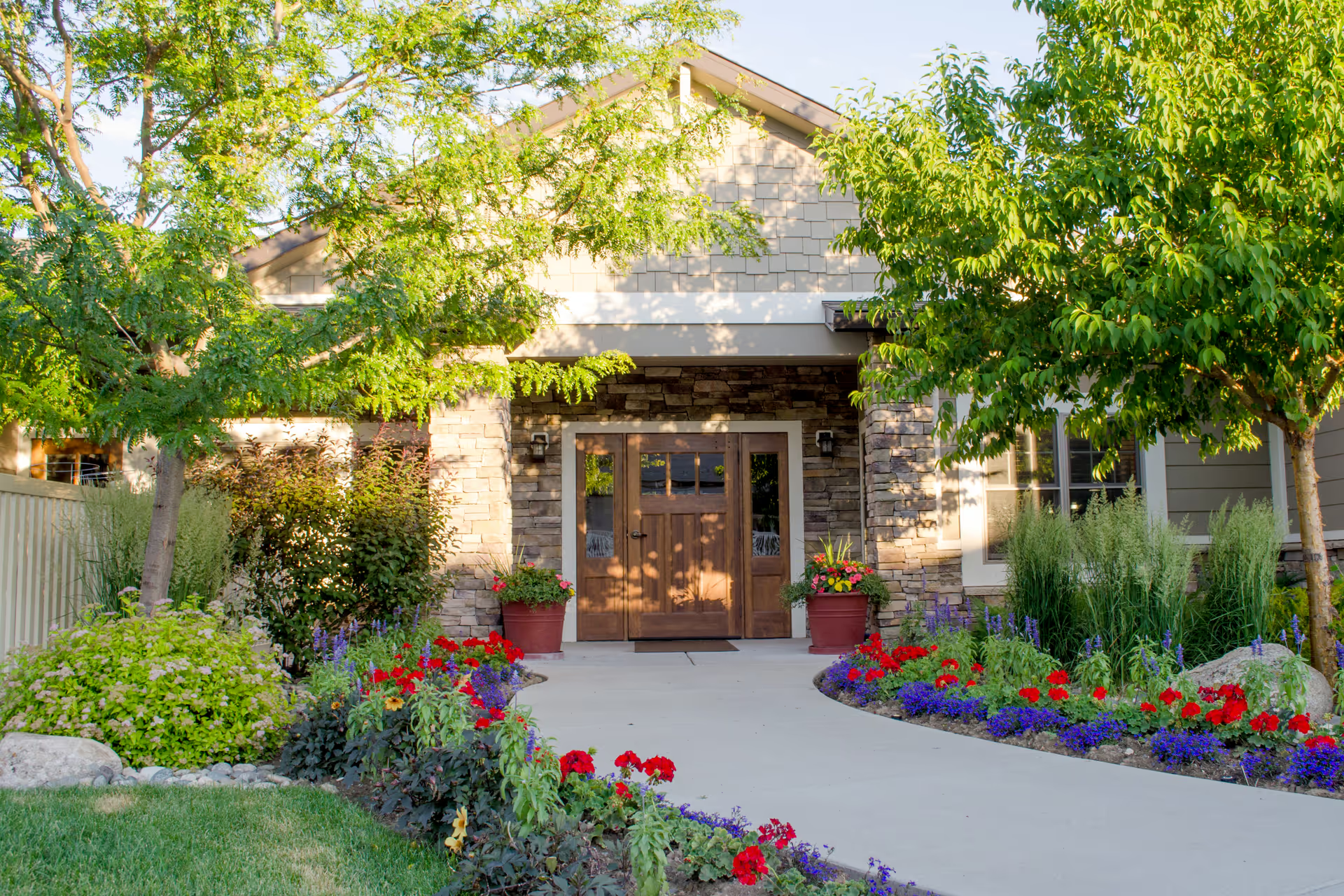
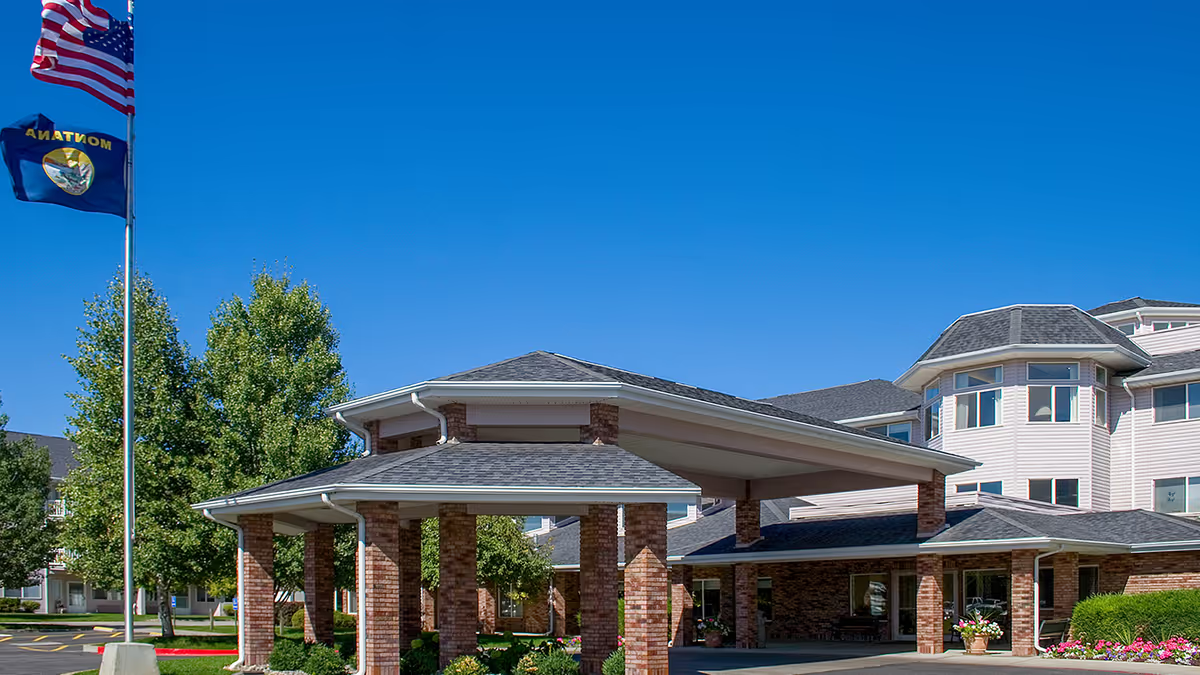
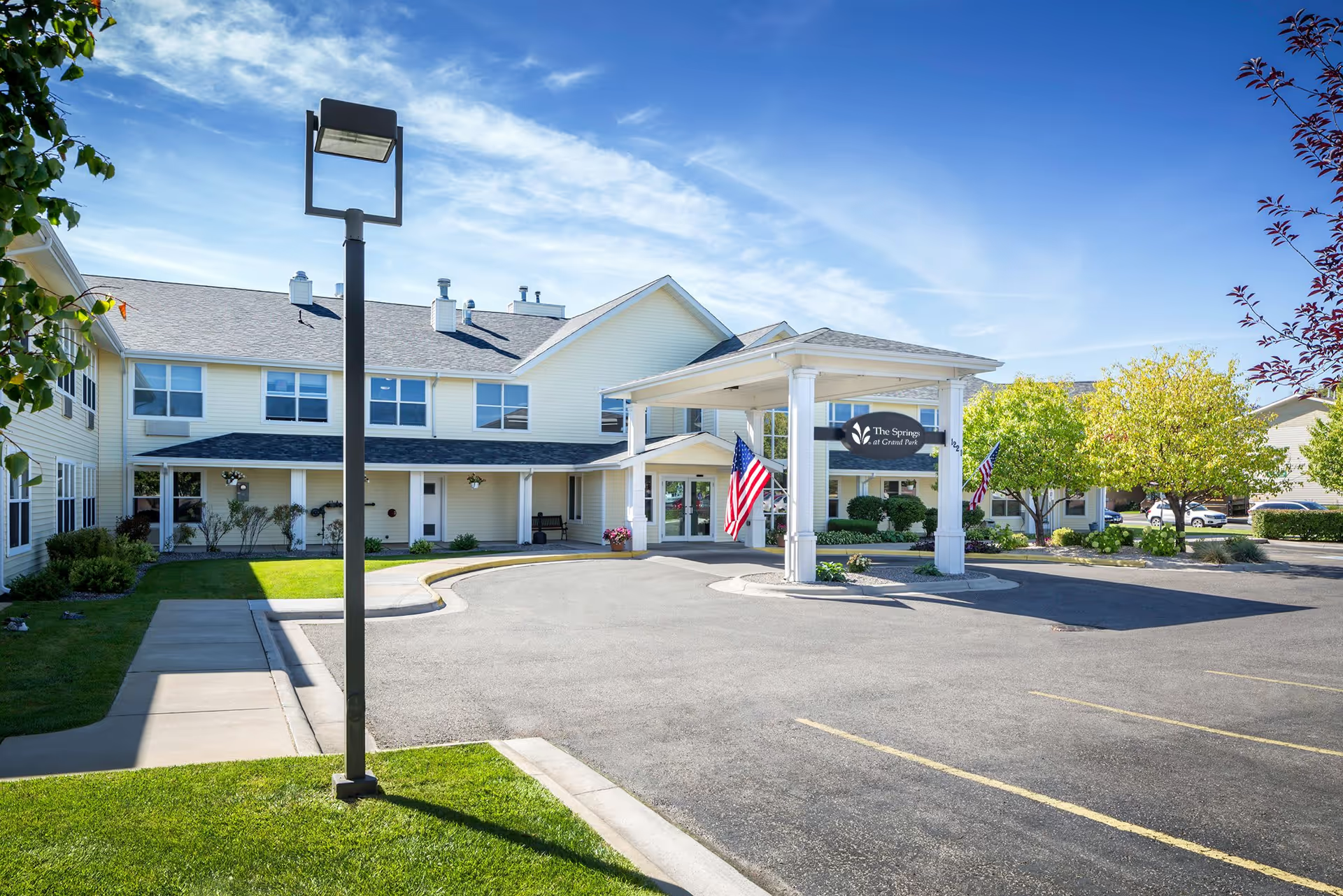
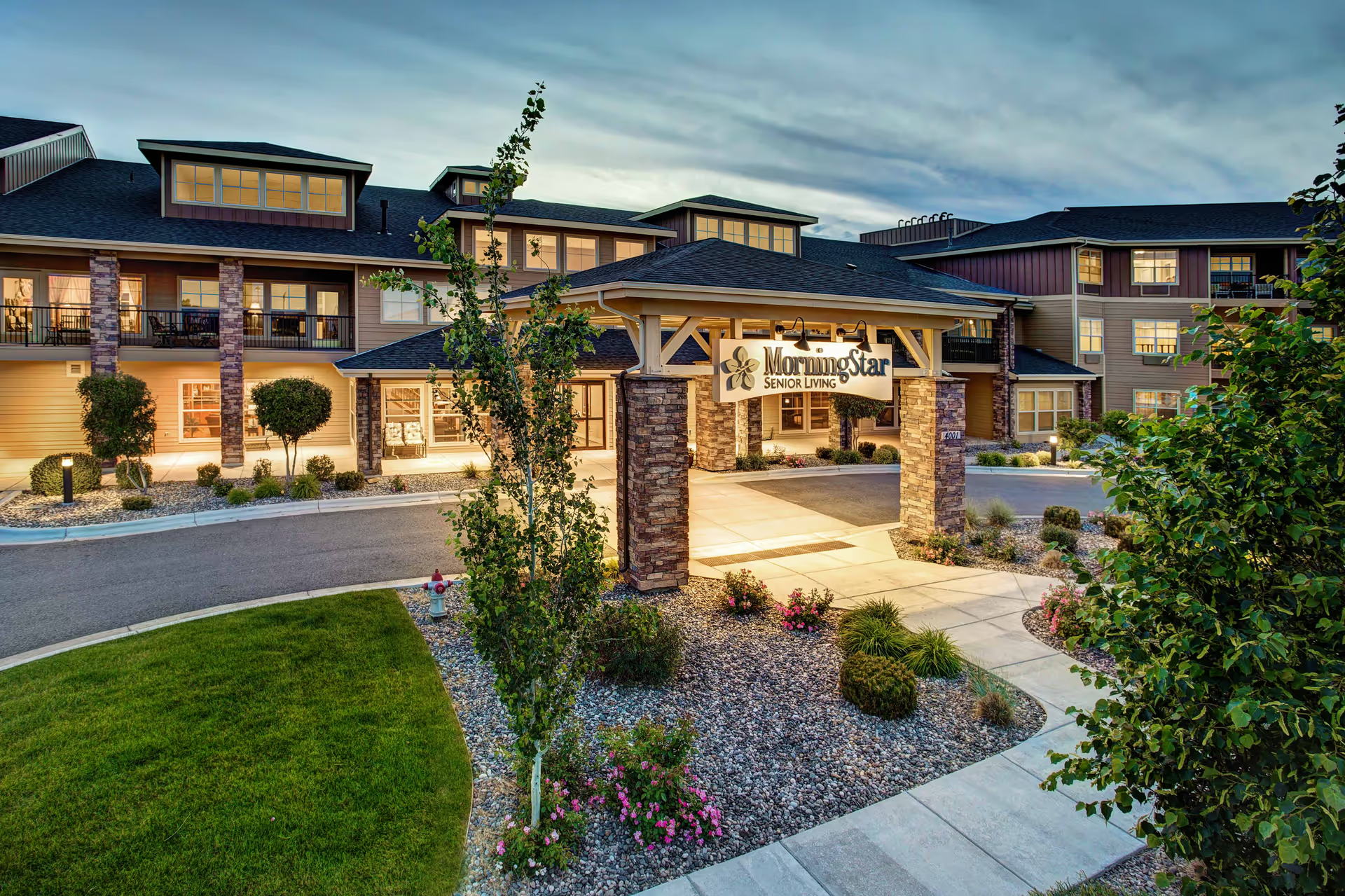
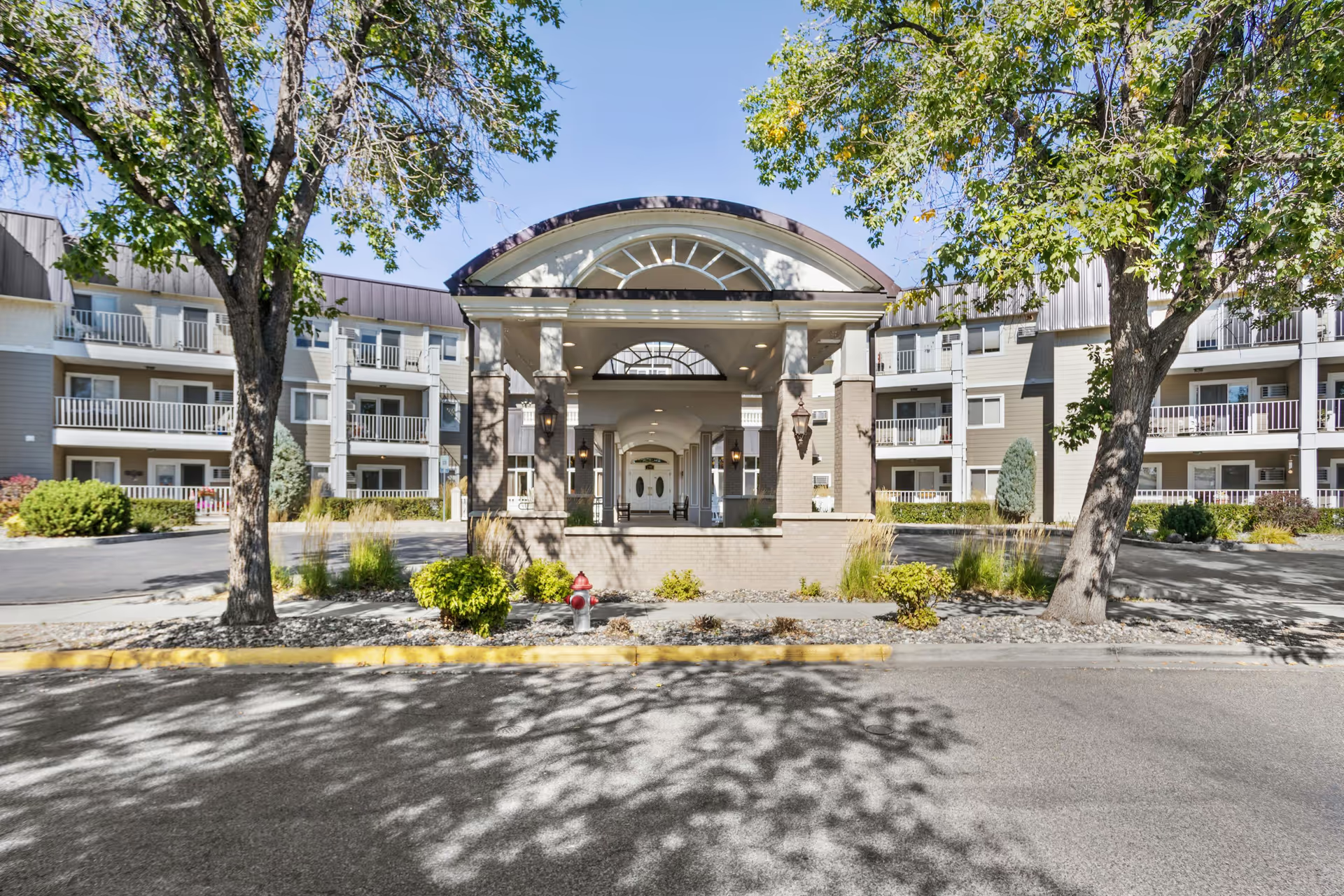
Facility condition and amenities present a mixed picture. Interior common areas are often described as clean and well-maintained, with ongoing remodeling efforts (new carpet, paint, upgraded toilets and furniture) noted in multiple accounts. The community offers a range of unit types from studios to two-bedroom apartments with full kitchens, and features such as an on-site salon and recreational spaces are valued. At the same time, reviewers identify small unit footprints and a relatively small dining room/recreation capacity as constraints. The property location — near a highway and a cemetery — and limited fenced outdoor space were also mentioned as drawbacks for some families.
Care quality and operational consistency show variability across accounts. Positive examples emphasize attentive, compassionate nursing and staff who helped with admissions and paperwork, managed transitions well, and maintained good family communication. However, a pattern of concerns appears around staff responsiveness and medication handling: early-morning medication wake-ups, scheduling issues, and general inconsistency in medication administration are recurring themes. There are also notes of sanitation and maintenance inconsistencies across some units and occasional negative comments about staff conduct or communication tone.
Safety and management practices merit specific inquiry. Several reviewers raised worries about theft or security, and a limited number raised serious, individual allegations involving conduct and medication that require careful follow-up; these accounts appear isolated but are significant. Management is described as proactive by many — new leadership, active facility upgrades, and hands-on administrators were named positively — yet impressions of staff attentiveness and family communication vary. Prospective residents and families should consider an in-person tour, ask about medication protocols and staffing levels, review incident reporting and security measures, and inspect both upgraded and older units to assess whether ongoing renovations and operational practices meet their expectations.