The reviews for Park Place Transitional Care and Rehabilitation present a mixed picture. Many families and former residents praise the facility for strong rehabilitation outcomes, skilled therapy teams, and a generally caring clinical staff. Several accounts highlight friendly nurses and a supportive director of nursing, and reviewers frequently describe the atmosphere in common areas as clean and welcoming. The facility appears to offer a range of engagement opportunities and family-oriented events, and some families appreciated virtual and window-visit options implemented during lockdowns.
Care quality and staffing show a split in experiences. Positive reports emphasize attentive caregivers and good clinical coordination for short-term rehab, while negative accounts point to inconsistent responsiveness from frontline staff, delays in assistance, and scheduling gaps for bathing and repositioning. A few reviewers noted development of pressure-related wounds and long waits for help moving or toileting; these indicate potential weaknesses in routine nursing coverage and transfer/assistance protocols. Prospective families should evaluate current staffing levels and observe response times during a visit.
Dining and basic resident support are areas of variability. Several reviewers praised meals and proactive dining staff, but others described cold meals, limited beverage availability, and inconsistent meal-service practices. These contrasting statements suggest meal quality and service reliability can fluctuate and may depend on unit or shift. Investigating meal-service processes and sampling meals during a visit is advisable.
Activities and family engagement are generally viewed positively. The facility runs social programming, and families suggested additional virtual gatherings (monthly family Zooms) and community inclusion such as school concerts. Communication from the front desk and staff updates was mentioned as a strength in some reports, indicating the facility can be proactive about family outreach when systems are functioning well.
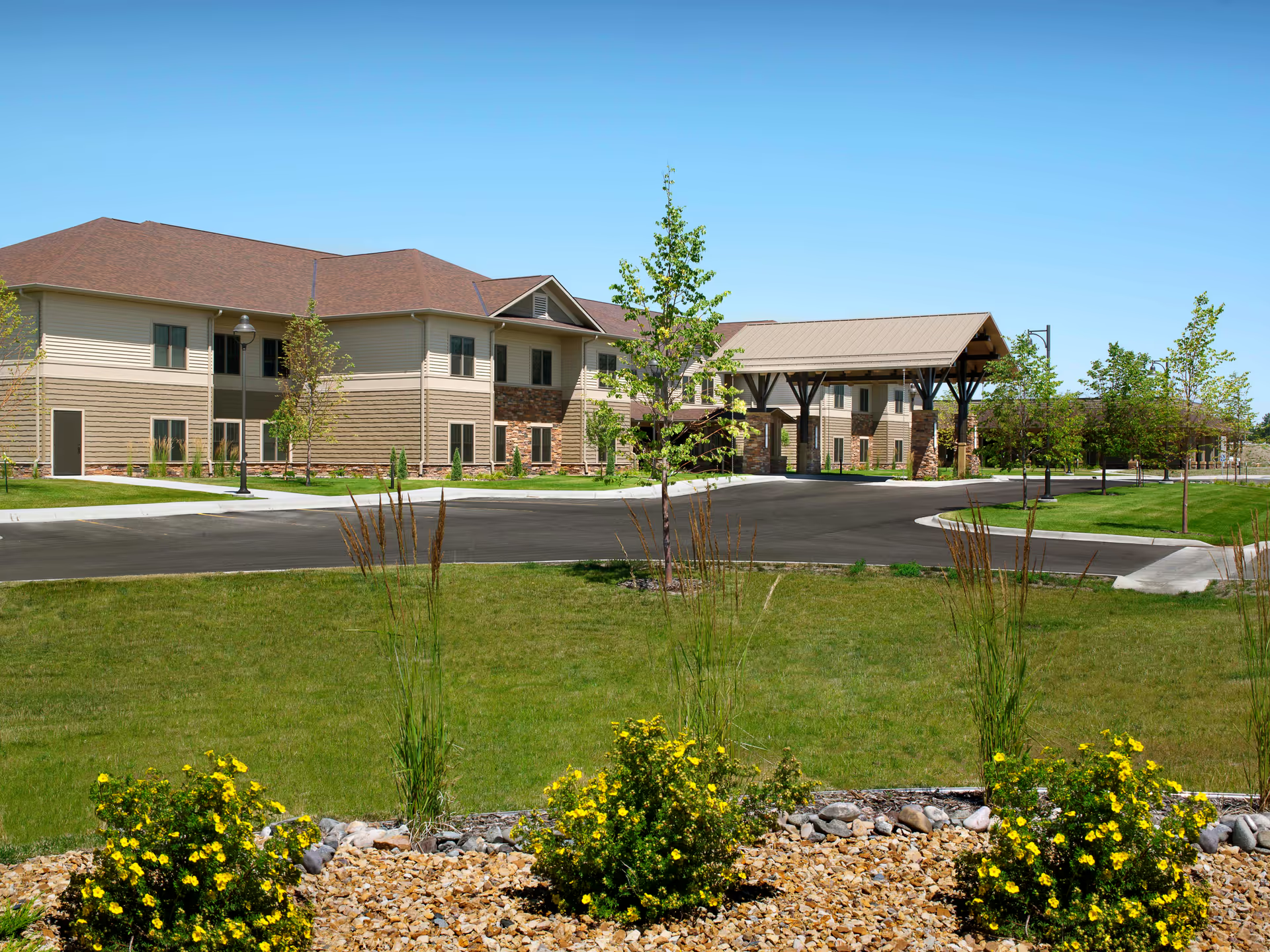
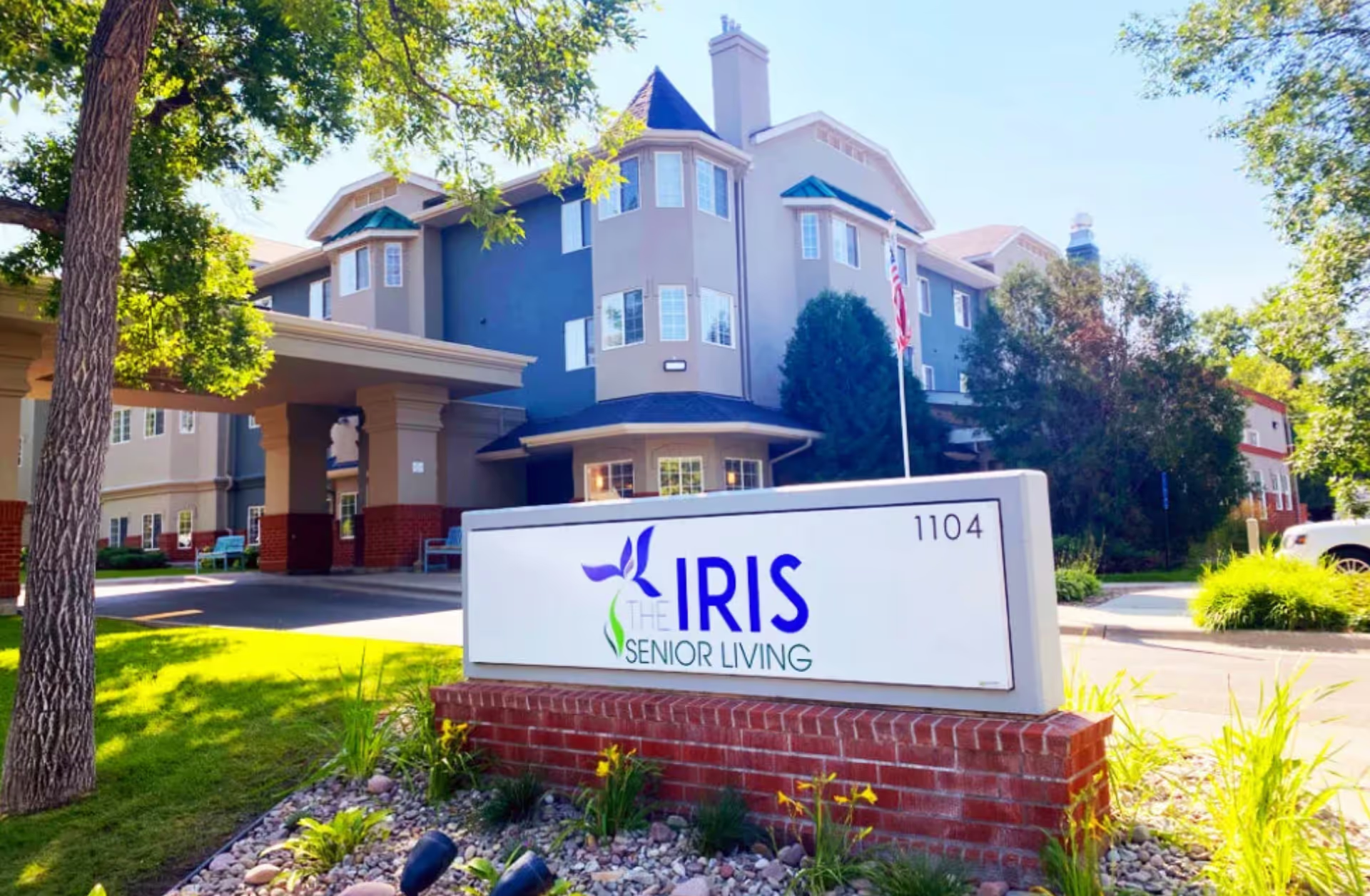
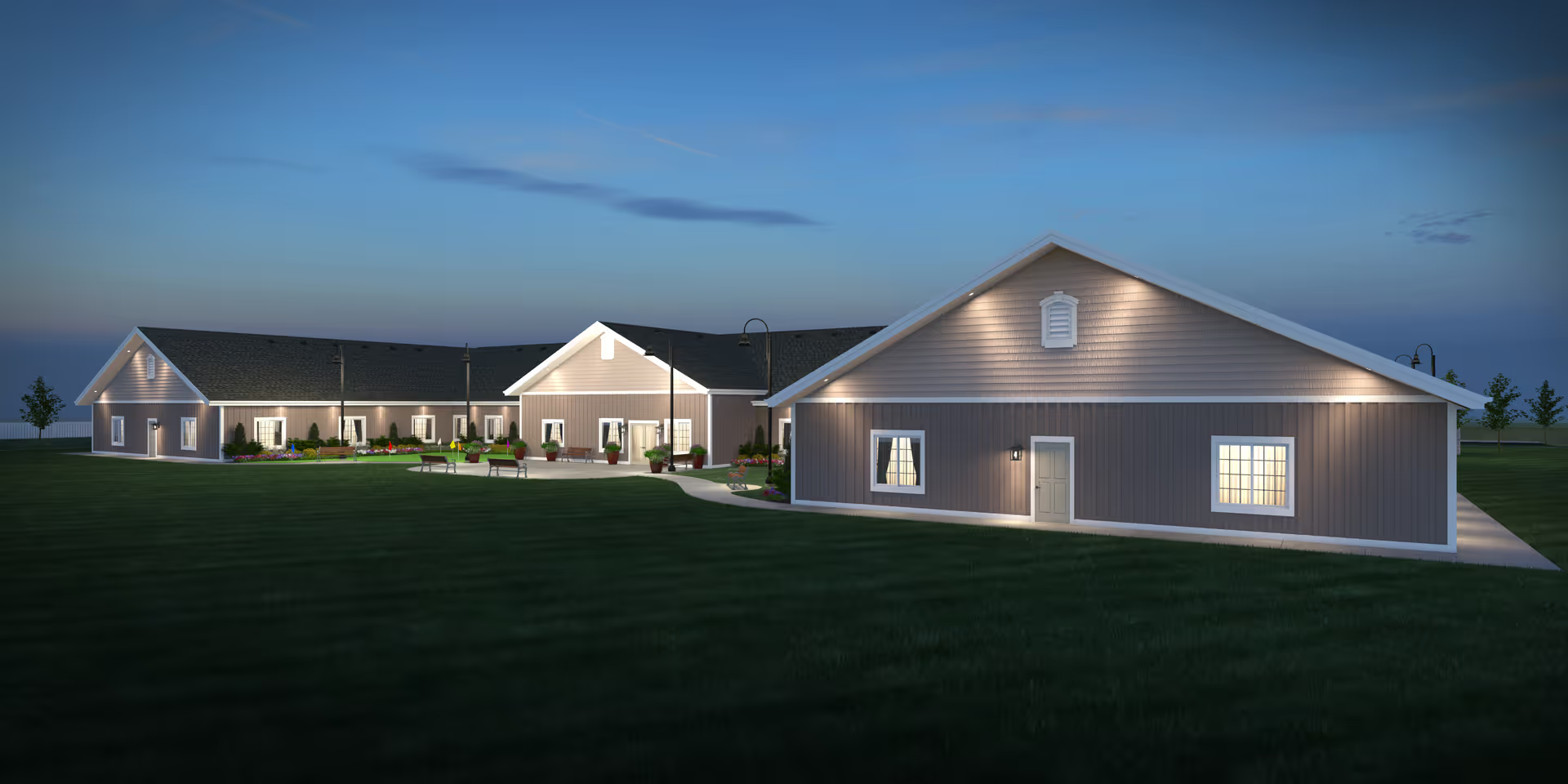
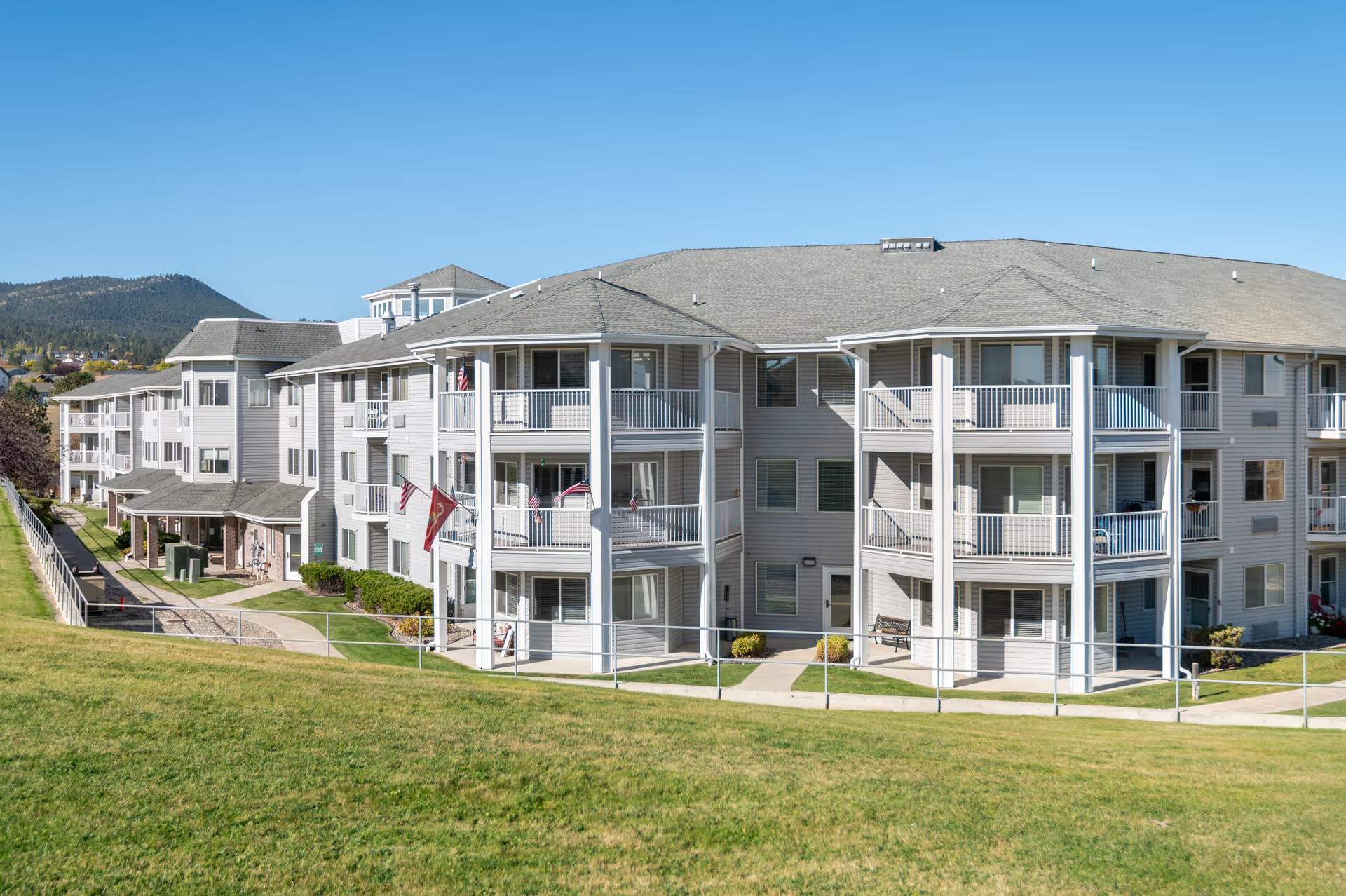
Facility environment and operations are similarly mixed. Many reviewers found the building clean and the rooms comfortable, with seating for guests, but others described dated areas and requested better wayfinding or a lobby directory. Admission and room-assignment coordination were identified as problematic in at least one case, where a lack of orientation staff left a new admission without immediate direction.
Management and administrative practices show notable inconsistencies. Positive comments about informative updates contrast with complaints about unresponsive phone lines, difficulty reaching staff from out of state, and concerns about the tone of administration. There are also serious financial and property-related concerns in the feedback, including billing and refund disputes and at least one allegation of theft; these items warrant direct inquiry and, where appropriate, documentation review before admission.
Overall, Park Place demonstrates clear strengths in rehabilitation programming, many examples of compassionate caregivers, and an ability to maintain a welcoming environment. However, prospective residents and families should pay particular attention to current staffing levels, response times for personal care, dining-service consistency, administrative communication practices, and contract/billing terms. An in-person visit during a care shift, discussion with nursing leadership about staffing and clinical protocols, review of contract and refund policies, and speaking with families of current residents can help clarify whether the facility’s strengths align with an individual’s needs.