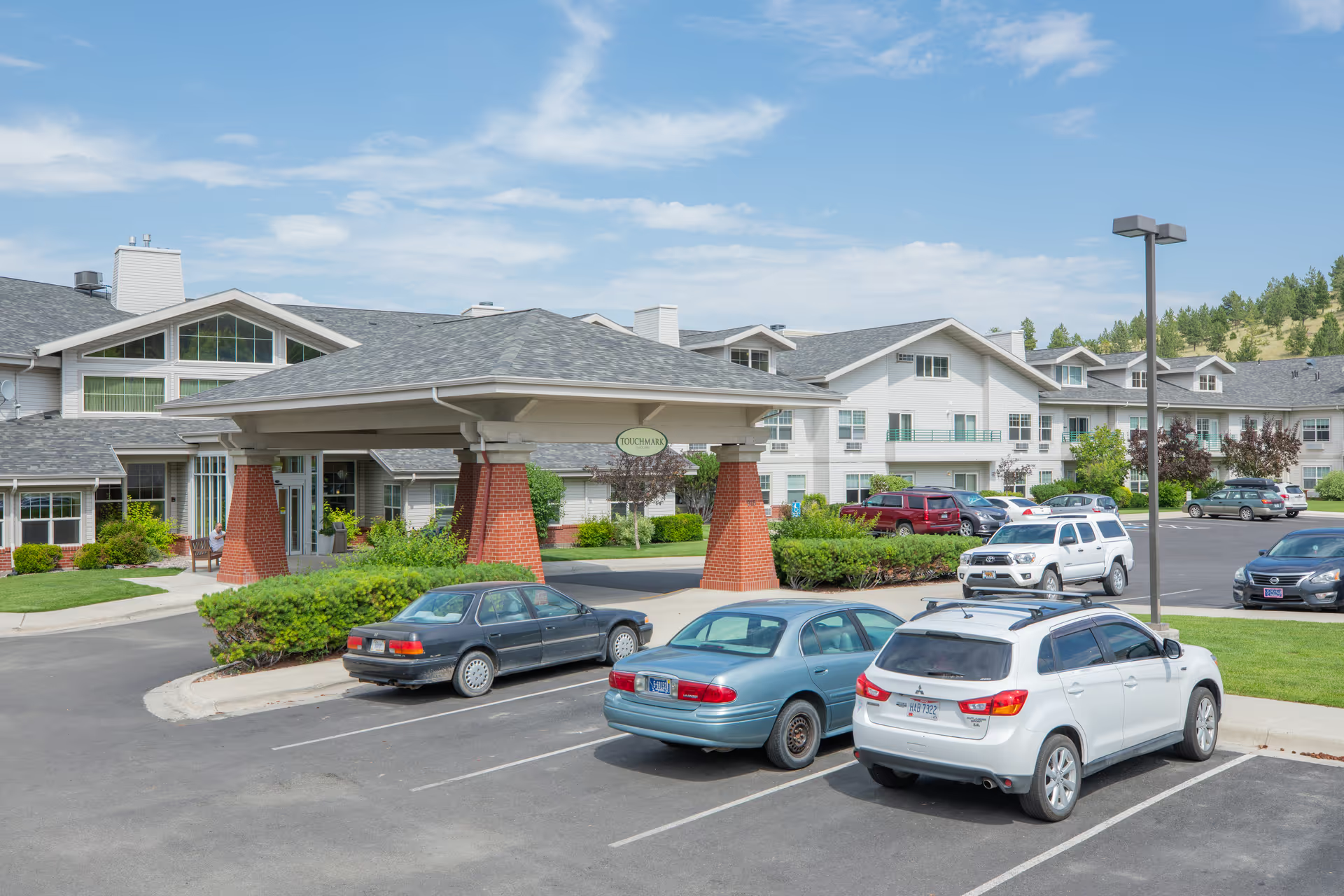
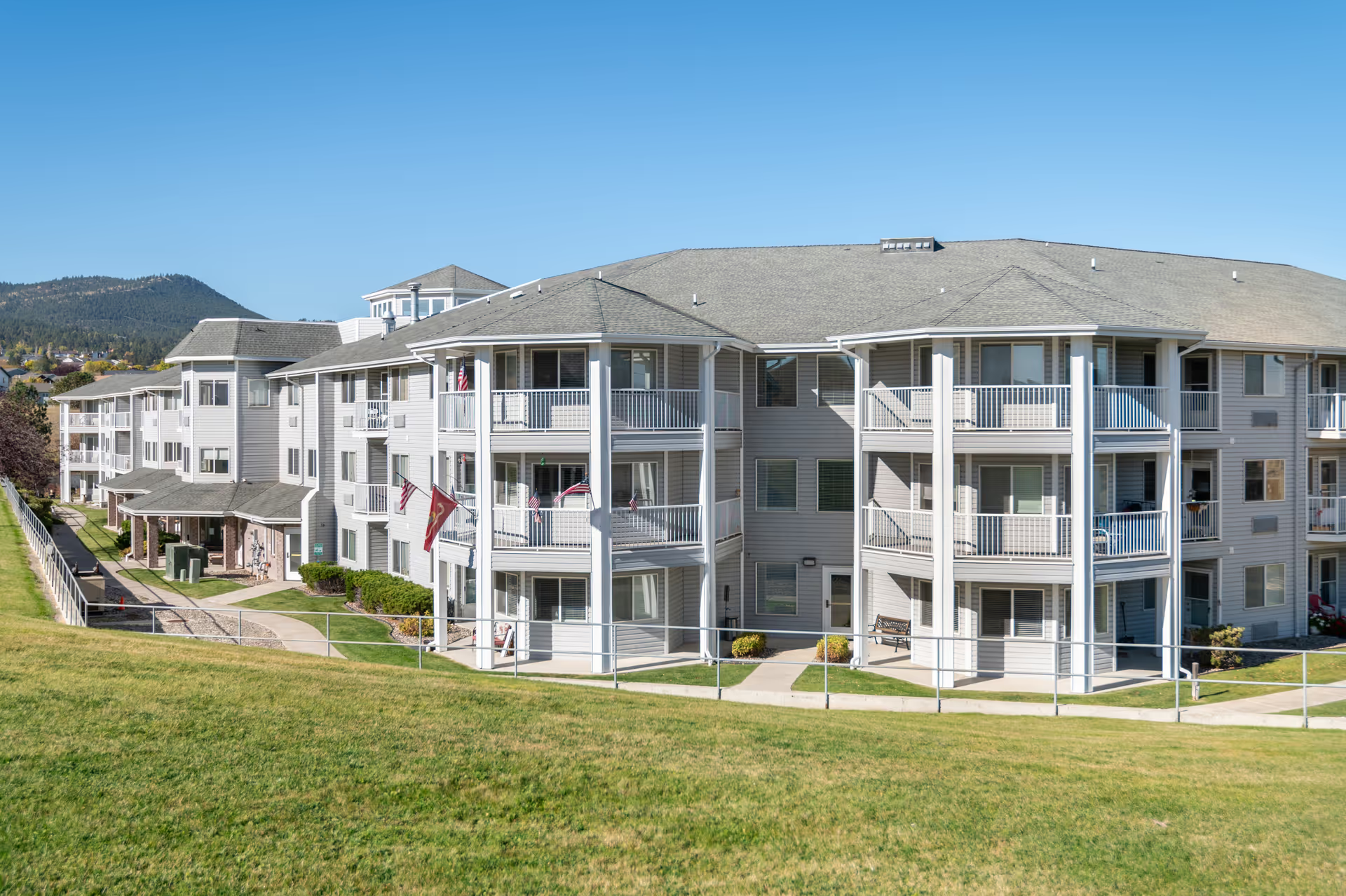
Edgewood Helena appears to combine strong clinical resources and an engaging, homelike community environment with several operational inconsistencies that prospective families should weigh. Many accounts emphasize high-quality, team-based clinical care — including on-site speech, occupational, and physical therapy, hourly checks, and detailed documentation — and families describe staff who create meaningful relationships with residents, attend hospital and rehab visits, and participate in life celebrations and memorials. The facility’s physical features are noted positively: a modern, bright design with mountain views, a salon, exercise room, theater, and accessible proximity to town.
The life-enrichment program and daily activities are repeatedly highlighted. Residents are described as engaged and active, with outings, creative activities (painting, field trips), celebrations, and festive decor contributing to a lively social environment. Dining is also a commonly-cited strength: meals are described as tasty and ample, supported by a friendly food service team, which complements the facility’s home-like atmosphere.
At the same time, a pattern of operational weaknesses emerges across accounts. Concerns cluster around personal-care consistency (including assistance with oral and facial hygiene and incontinence-care practices) and room-level sanitation or odor issues. Several families noted gaps in medication and personal-item management, and one recurring theme is inconsistent or delayed notification and response after falls or other incidents. Weekend staffing levels and availability appear uneven, which some families felt led to delays in care or the need to arrange supplemental home-health services.
Leadership and communication are another mixed area. While front-line staff are often described as warm, attentive, and professional, there are repeated mentions of a brusque communication tone from executive leadership and variability in staff professionalism. This variability has led some families to feel confident and relieved, while others chose not to recommend the facility. A small number of families installed cameras or pursued additional oversight, reflecting safety-monitoring concerns for those households.
In sum, Edgewood Helena offers substantial strengths in memory-care training, therapy availability, social programming, and a welcoming physical environment. Prospective families should weigh these positives against operational concerns around consistent personal-care practices, weekend coverage, medication/personal-item handling, and communication from leadership. For families considering placement, an in-person tour that includes review of staffing patterns, hygiene and incontinence protocols, incident-reporting procedures, and leadership communication practices would help clarify whether the facility’s strengths align with the prospective resident’s needs.