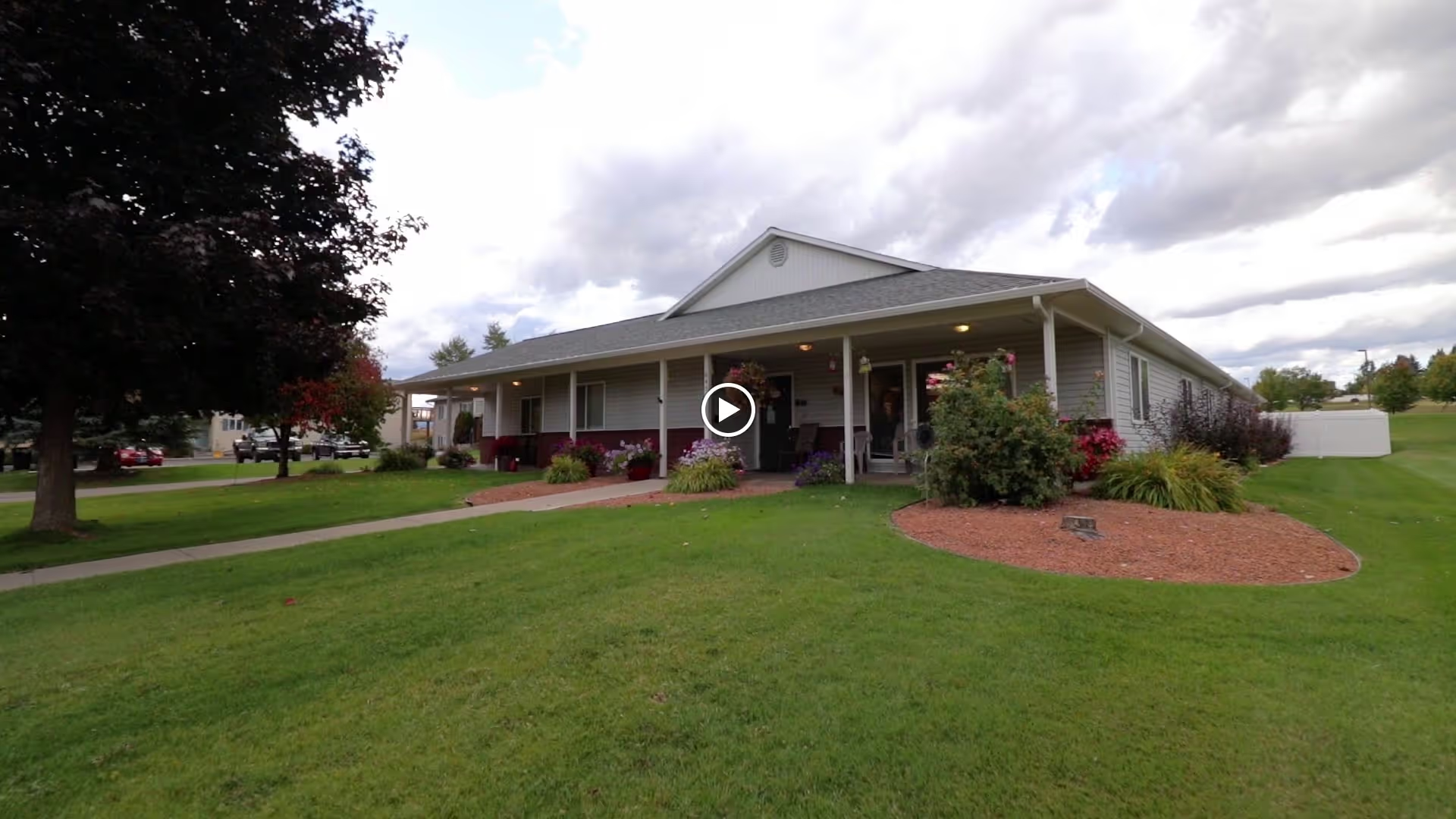
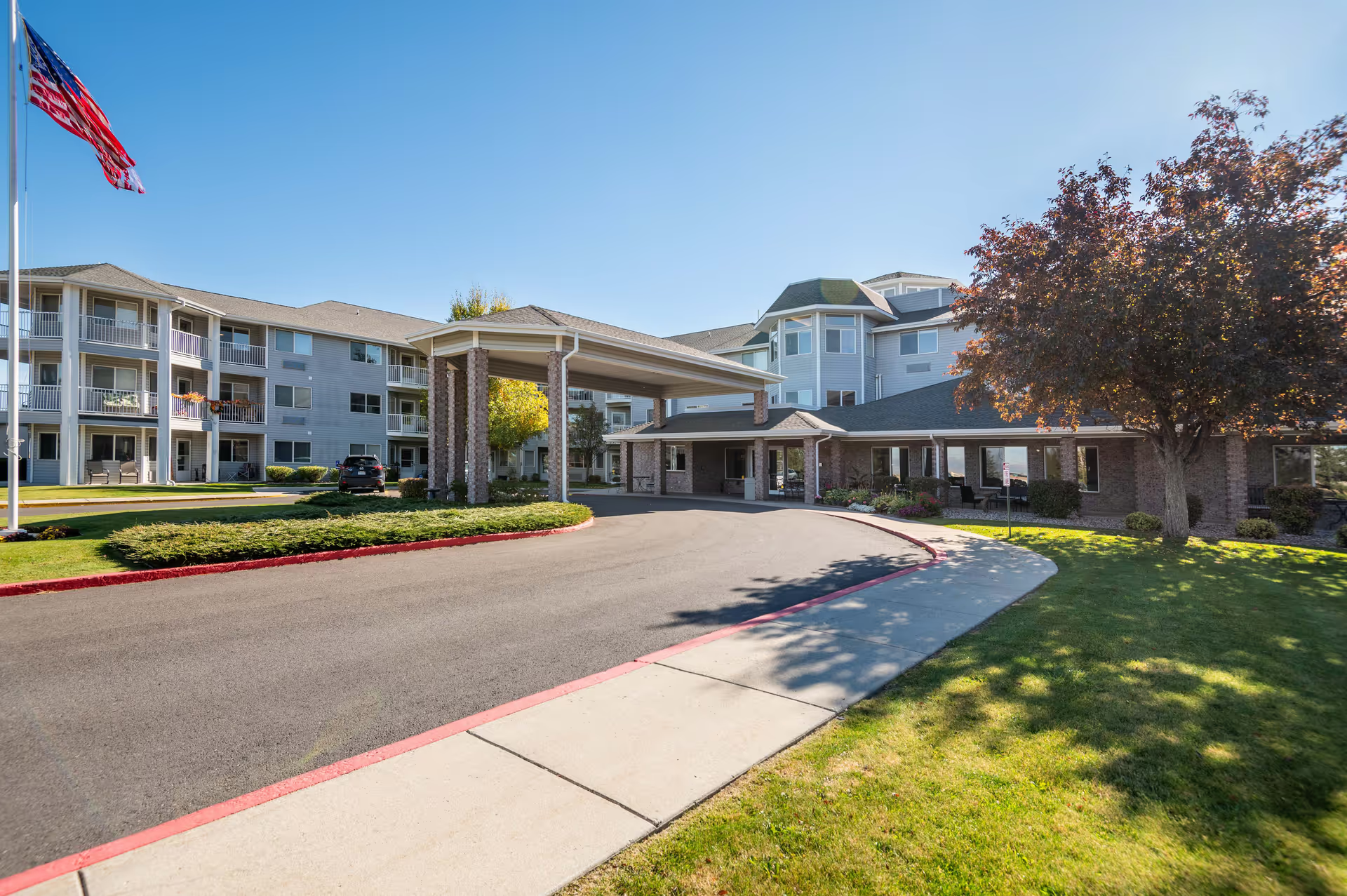
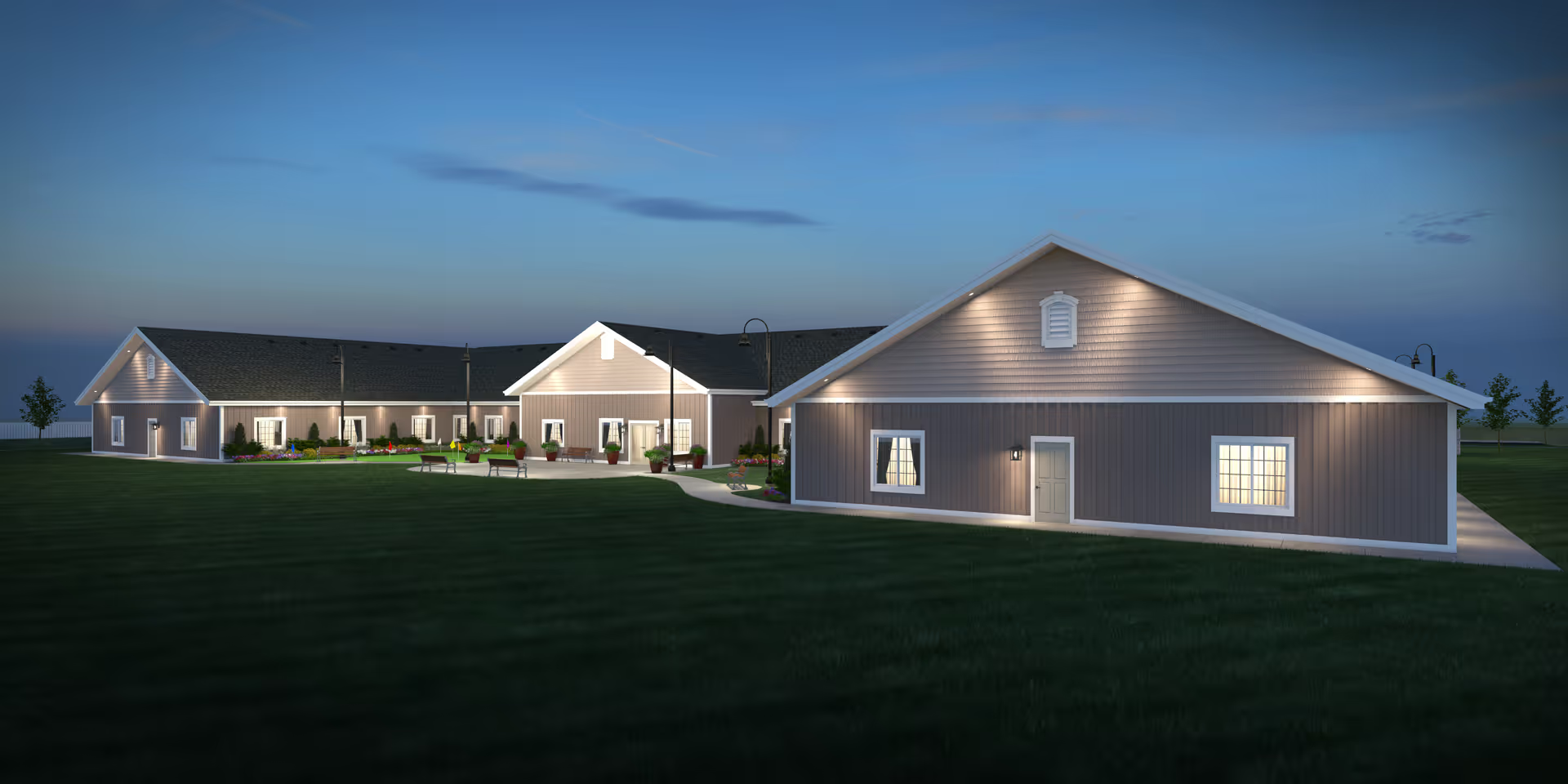
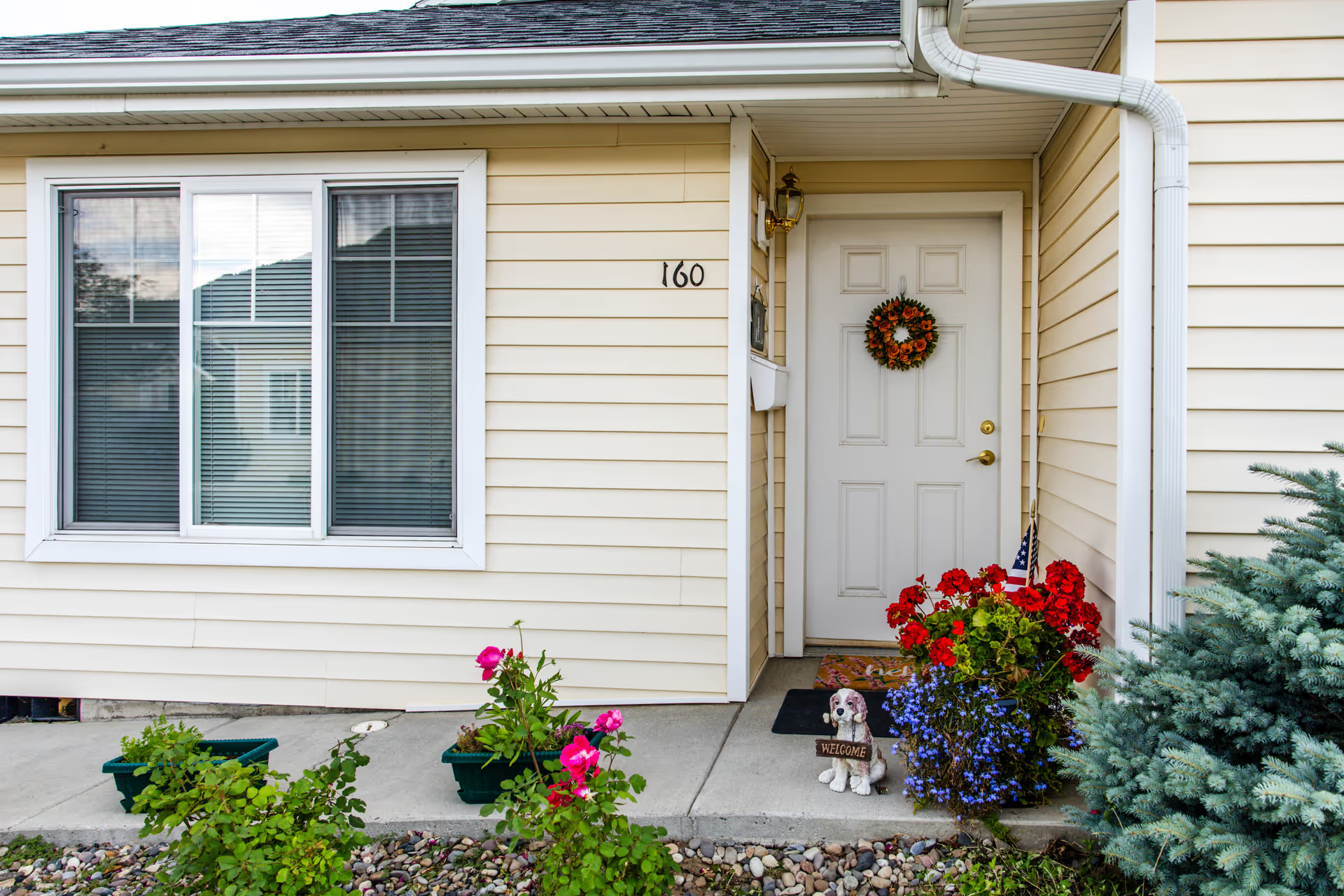
Touchmark on Saddle Drive presents as a well-appointed senior living community with many operational strengths alongside notable inconsistencies. Strengths commonly cited include a compassionate, resident-focused staff culture, well-maintained grounds and common areas, and a broad set of amenities that support daily life and social engagement. The community offers multiple care levels — independent living, assisted living, and memory care — and a variety of housing styles including cottage homes with functional layouts and garage options. Prospective residents are likely to encounter a lively schedule of life-enrichment activities (walking clubs, games, library access, community theater and musical entertainment) as well as convenient on-site services such as a beauty shop and regular physician visits.
Care and staff performance receive frequent praise: many reviewers describe attentive, personable employees who remember names and provide compassionate end-of-life and hospice coordination. At the same time, reviews indicate variability in staff professionalism and responsiveness, and some describe periods of understaffing that reduced availability of one-on-one assistance. Memory-care services are a mixed area: while a newly remodeled memory-care neighborhood and individual accounts of strong care exist, there are also concerns about inconsistent clinical oversight and declines in care quality over time in some cases. Those differences suggest that care experience may vary by unit, time period, or staffing level.
Dining and hospitality show a polarized picture. Several reviews laud scratch-made meals, bakery items, and a kitchen team that receives strong internal praise, while others report cold meals, incorrect orders, or declining food quality. This pattern points to operational inconsistency in meal preparation and service rather than a single uniform outcome. The facility also offers conveniences such as kitchens in some units, a coffee/social space, and complimentary visitor accommodations on occasion, which many families appreciated.
Facilities and operations are generally described as attractive and clean, with ample parking, attractive landscaping, and upgraded interiors in many units. Conversely, some components of the physical plant are described as older or unevenly updated — examples include wall-mounted HVAC units, wall-board heating, and limited storage in certain apartment types. Management and administrative performance show similar divergence: several accounts praise administration for financial assistance, transparency during COVID-19, and responsive leadership; other accounts describe broken promises, rent increases coupled with service reductions, problems with complaint handling, and concerns about billing transparency. There are also serious, specific allegations regarding billing practices and POA signatures that should prompt direct verification during a tour.
Notable patterns across reviews are polarization and variability. Many reviewers convey a very positive experience — warm staff, engaging activities, and strong hospitality — while a distinct subset raise operational and clinical concerns that affect trust. For prospective residents and families: arrange an in-person tour at different times of day, sample a meal, observe staff–resident interactions, ask for current staffing ratios and training protocols (particularly in memory care), request written details on fees and any recent service changes, and review the facility’s complaint-resolution process. Those steps will help evaluate whether the community’s strengths align with an individual resident’s priorities and whether any of the documented operational concerns have been addressed.