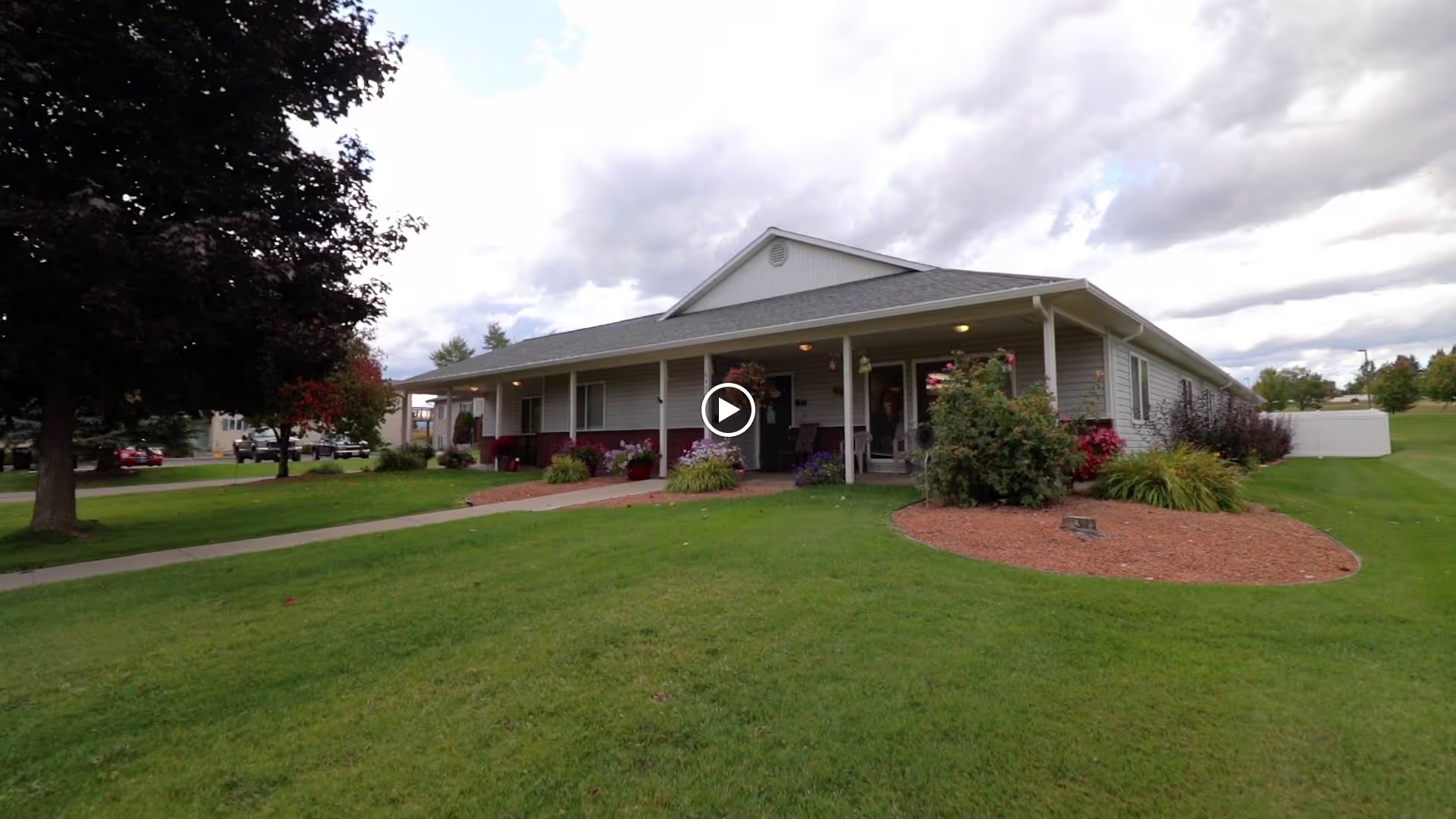
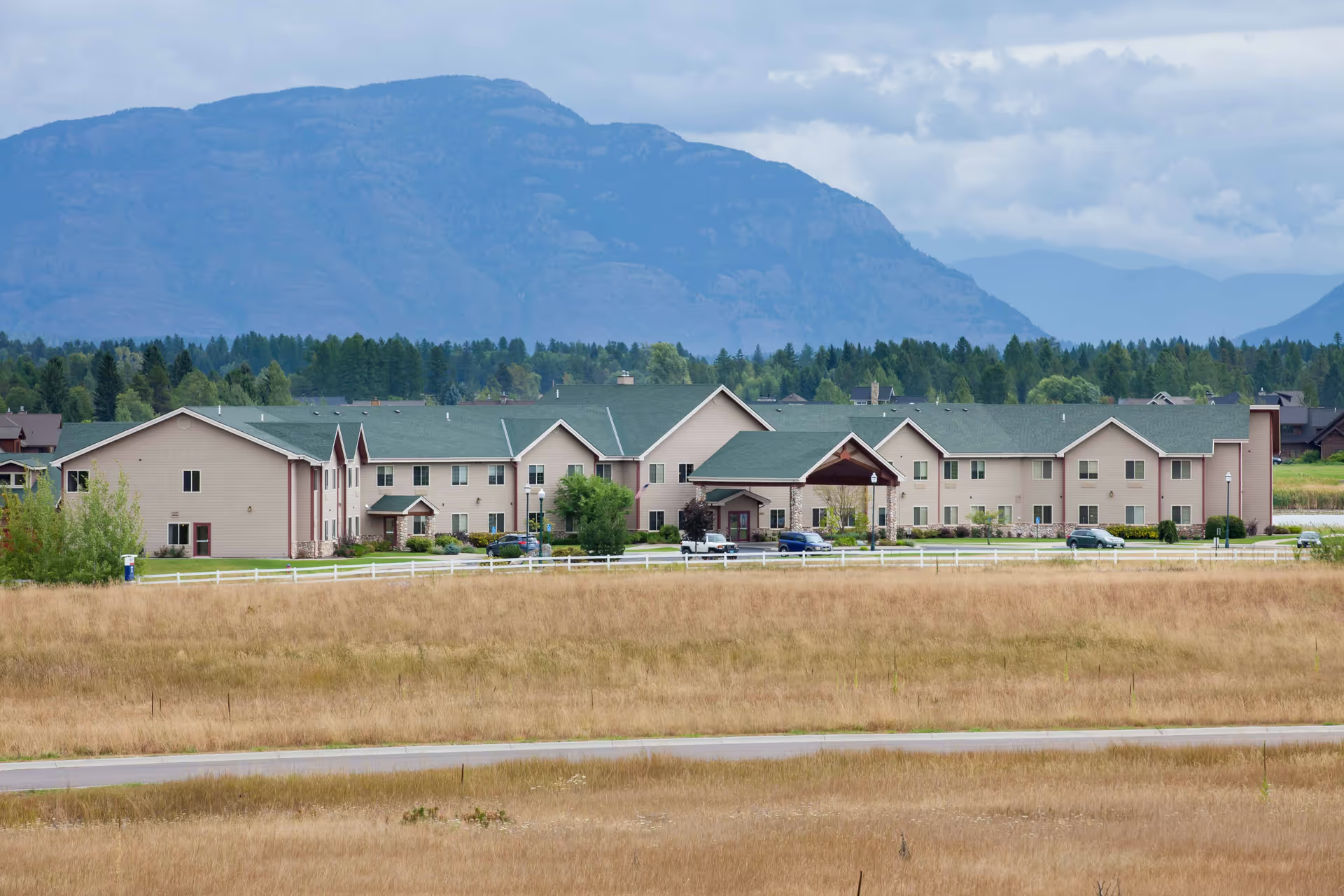
Overview: Ashley Creek Court appears to be an older, low-income apartment community with generally affordable rents and a predominantly older-adult population. The location is described as convenient to highway access and adjacent to a creek/green space, which some residents consider a positive attribute. Reviews emphasize cost as a primary draw, while raising substantial concerns about the physical condition and day-to-day operations.
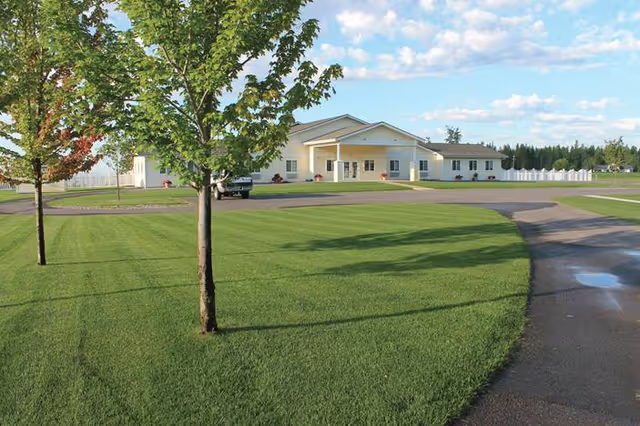
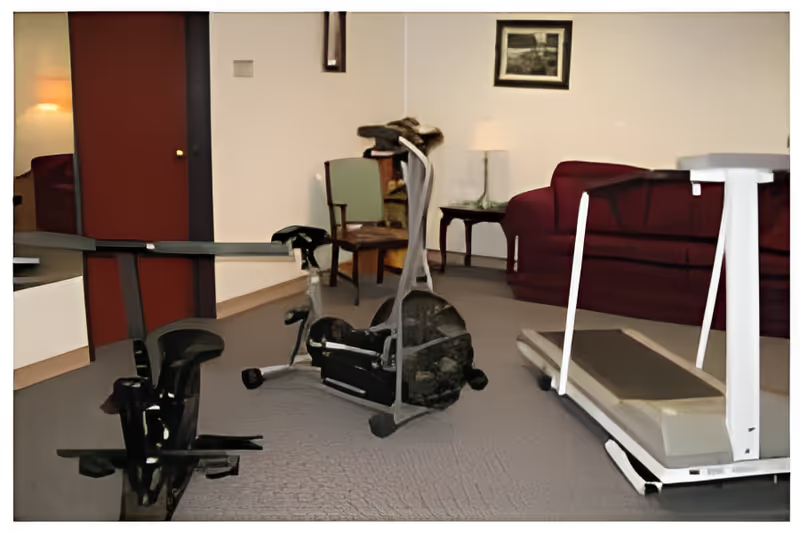
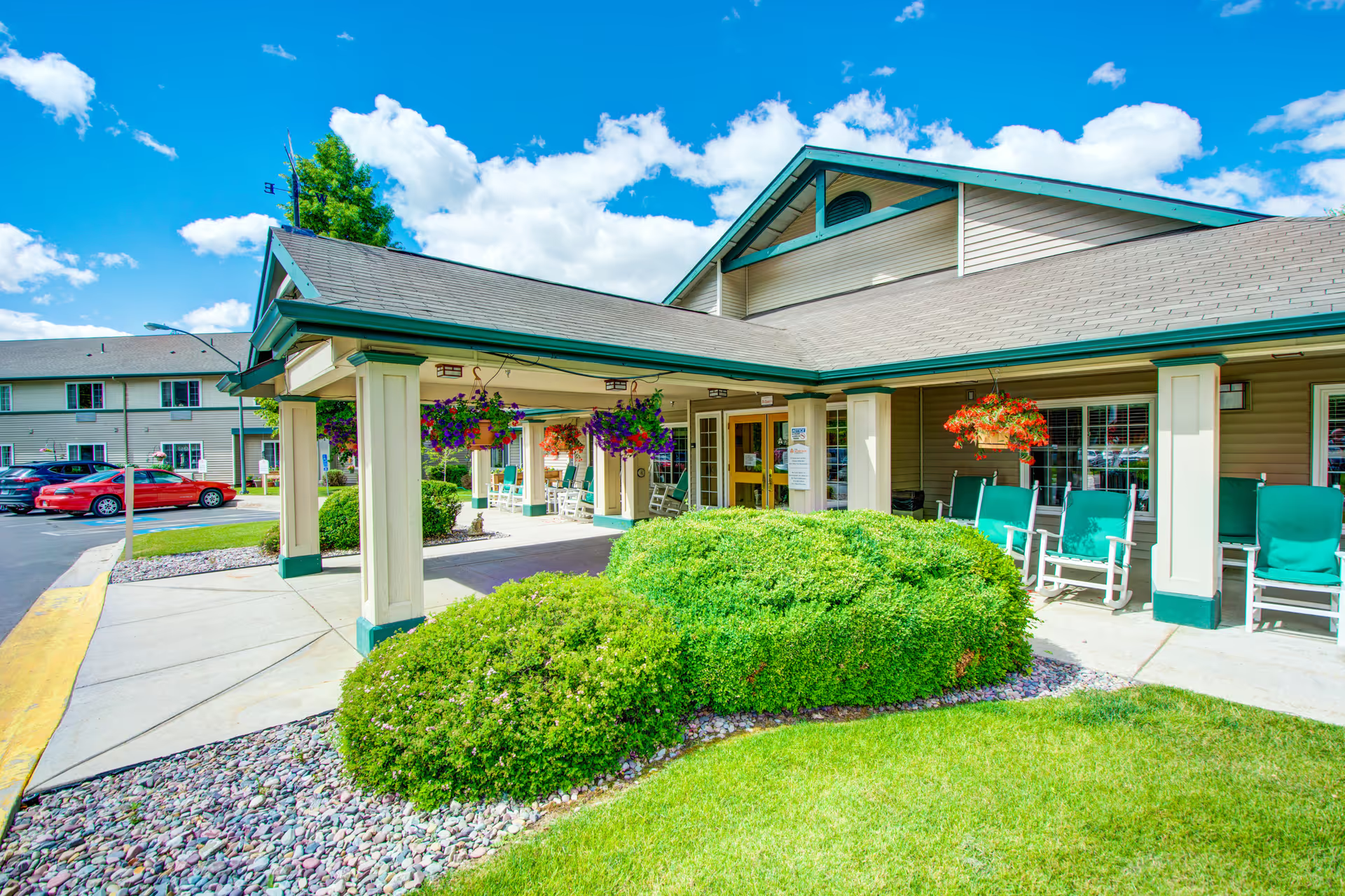
Facilities and environment: Multiple observations point to deferred maintenance and visible wear throughout the property. Structural and finish issues are cited — including water staining, peeling paint, damaged flooring, and long-unrepaired walls — which together indicate ongoing capital needs. Weatherproofing and unit envelope problems (doors and seals) were noted, with associated pest-control and comfort implications. Shared amenities such as laundry and common rooms are described as limited or poorly maintained; one laundry room with an underperforming dryer and restricted common-room availability are examples. Exterior sidewalks and grounds also raise safety concerns.
Maintenance and management: A recurring theme is unmet maintenance commitments and slow or incomplete follow-through from management. Reviewers describe promises to repair or address problems that were not resolved, contributing to perceptions of inadequate responsiveness. These operational gaps affect both resident comfort and the perceived value of the housing, particularly given the age of the property and the expectation of basic upkeep for safety and livability.
Care and staff: Reviews do not provide detailed information about clinical care or formal caregiving services, suggesting that Ashley Creek Court functions primarily as independent or assisted low-income housing rather than a staffed care community. However, several comments convey a sense of being insufficiently attended to, which translates into broader concerns about staff responsiveness to resident maintenance requests and daily needs. There is no substantive information about meal services.
Activities and community life: Reported programming appears limited. Reviewers note a lack of organized activities and devotional services, early closures of common rooms, and restrictive rules about resident decor. These constraints may limit opportunities for social engagement on-site. That said, the predominantly older resident population could provide peer social contact independent of formal programming.
Notable patterns and guidance for prospective residents: Reviewers consistently contrast the low cost with what they describe as substandard upkeep, producing a perception of poor value despite affordability. Prospective residents and families should prioritize an in-person inspection focused on unit condition, evidence of recent capital work, pest-control protocols, and the functionality of shared amenities (laundry, common areas). Ask management for documented maintenance response times, a schedule of planned repairs or capital improvements, written policies on common-area access and resident decor, and any safety assessments for sidewalks and exterior walkways. Where possible, speak with current residents about daily responsiveness and community programming to clarify whether the property’s affordability meets individual expectations for comfort and safety.