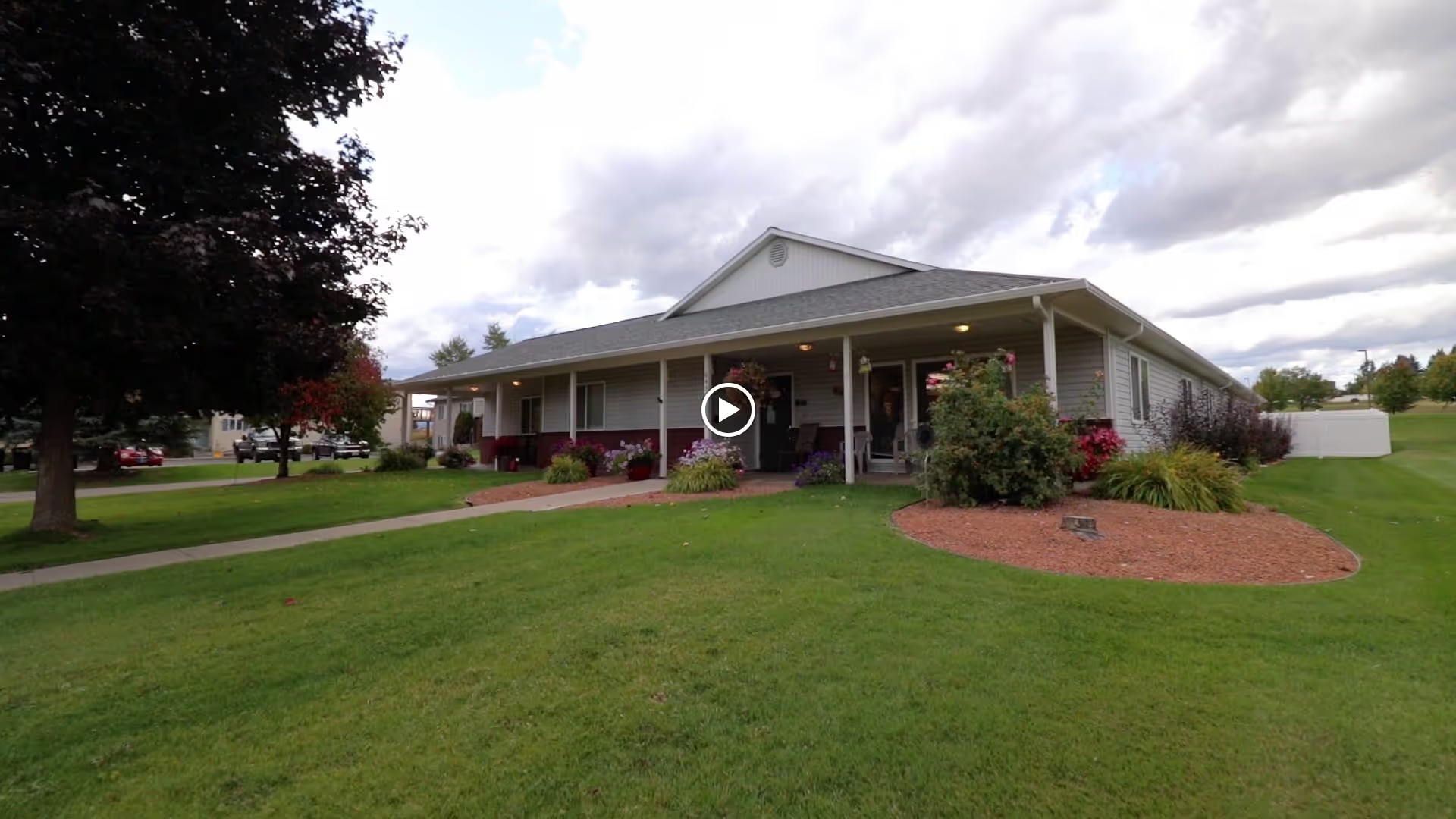
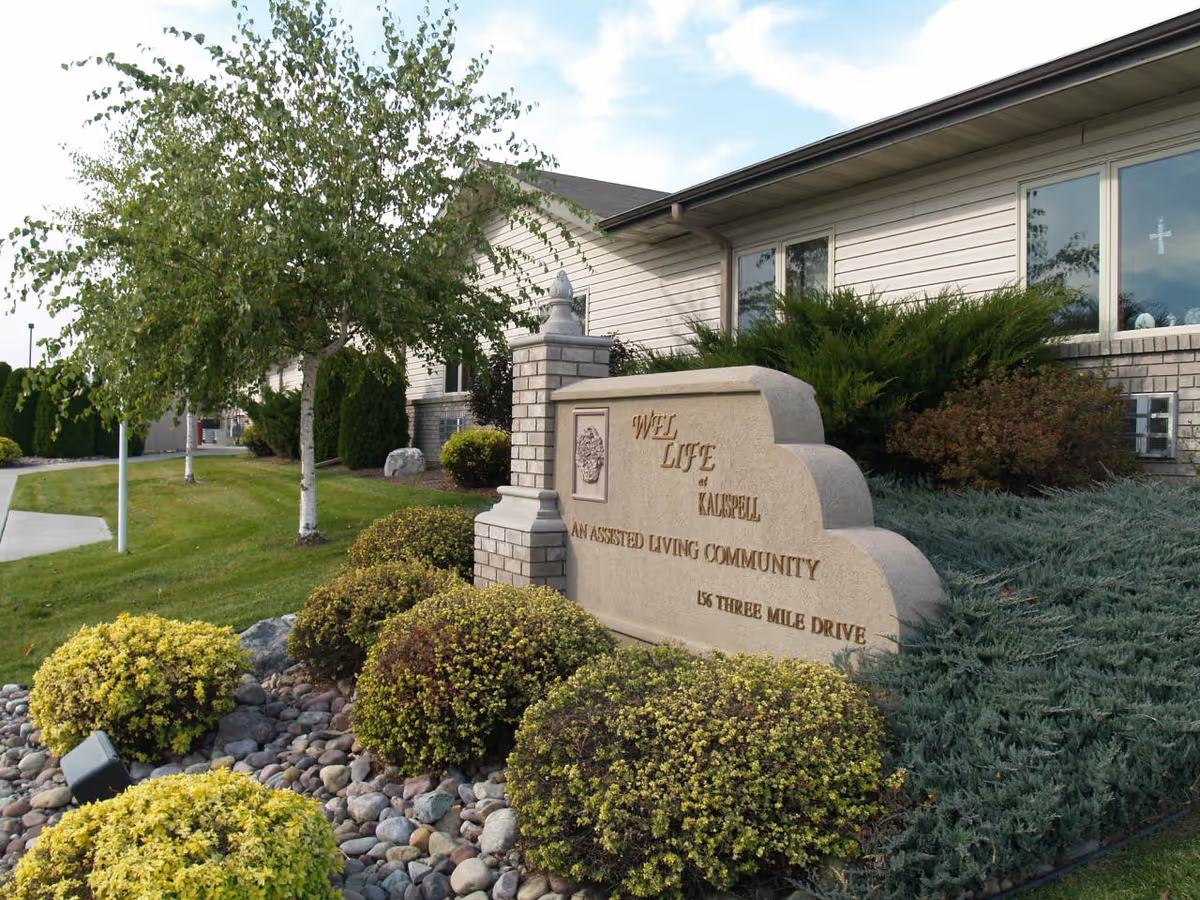
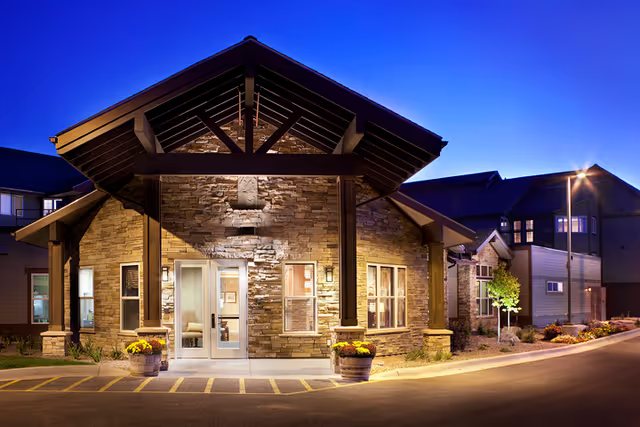
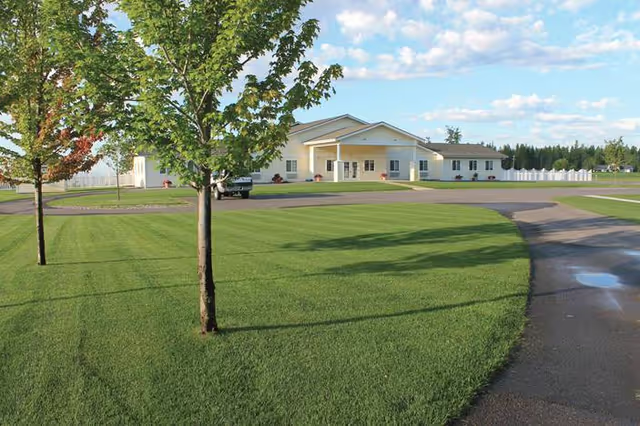
Reviewer feedback for Libby Care Center is mixed, revealing a facility with several clear strengths alongside operational inconsistencies. Many families and residents describe the frontline staff as caring, helpful, and friendly; several comments highlight respectful nurses who provide clear explanations and compassion at end of life. The facility also offers a dedicated memory-care unit with locked security, an active calendar of social programs (bingo, crafts, church services), a snack cart, and a generally pleasant dining atmosphere created in part by attentive dining staff. Portions of the building have been recently remodeled and are described as clean and well-maintained, contributing to a sense of safety and peace of mind for some families.
Clinical-care impressions are mixed. Positive reports note attentive nursing, comfort-focused end-of-life care, and respectful interactions. However, a contrasting set of observations indicates staffing pressure: long nursing hours and high resident-to-nurse ratios that may limit responsiveness and the consistency of clinical care. This suggests variability in day-to-day staffing levels or workload distribution that prospective families should probe when evaluating placement.
Dining and activities are areas of divergence. Several accounts praise good food, a snack cart, and an engaging dining environment fostered by staff; others describe the food quality as unacceptable. Taken together, these comments point to inconsistent meal quality and variable resident satisfaction with dining service, rather than a uniformly positive or negative program. The activities program, by contrast, is consistently described as ample and socially engaging, which supports resident well-being.
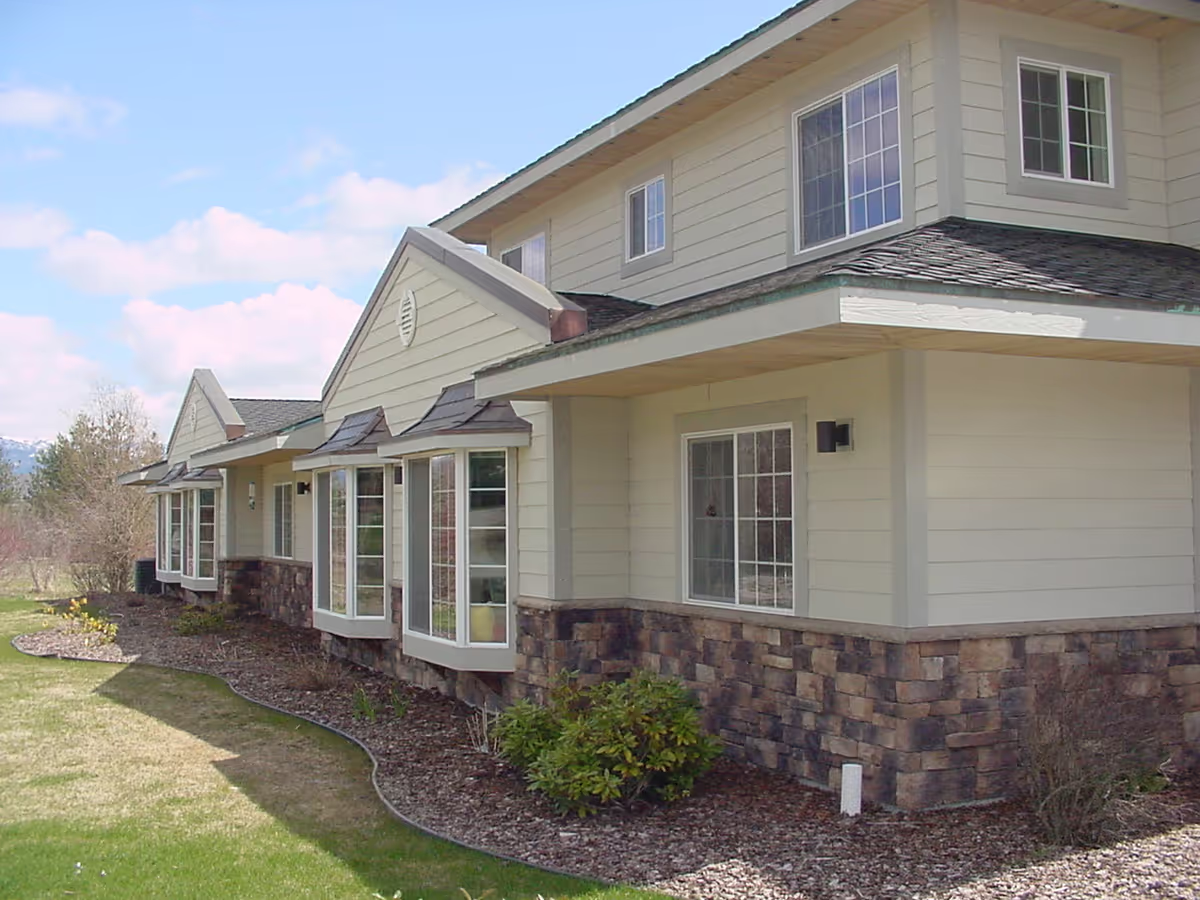
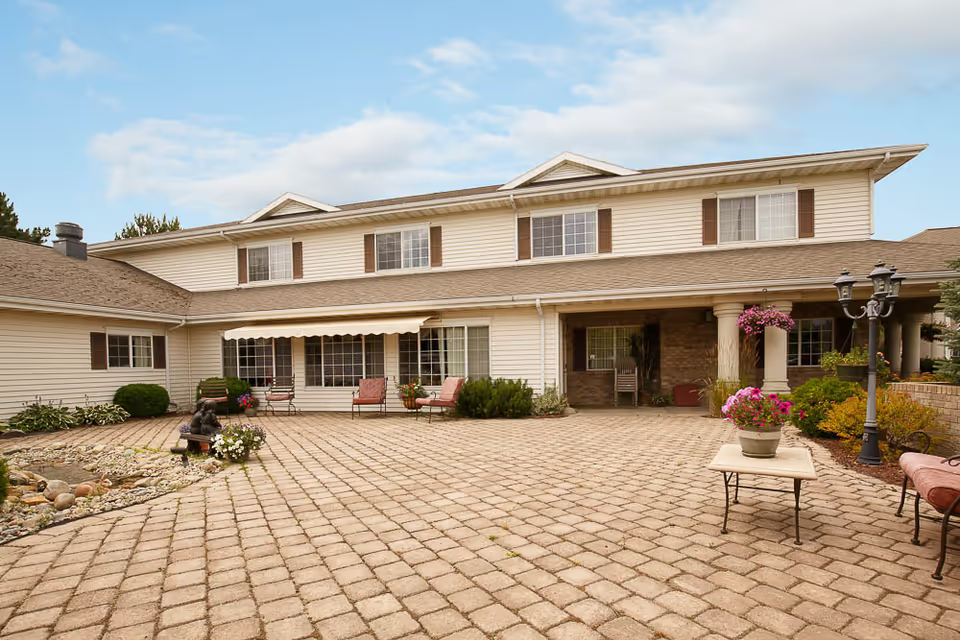
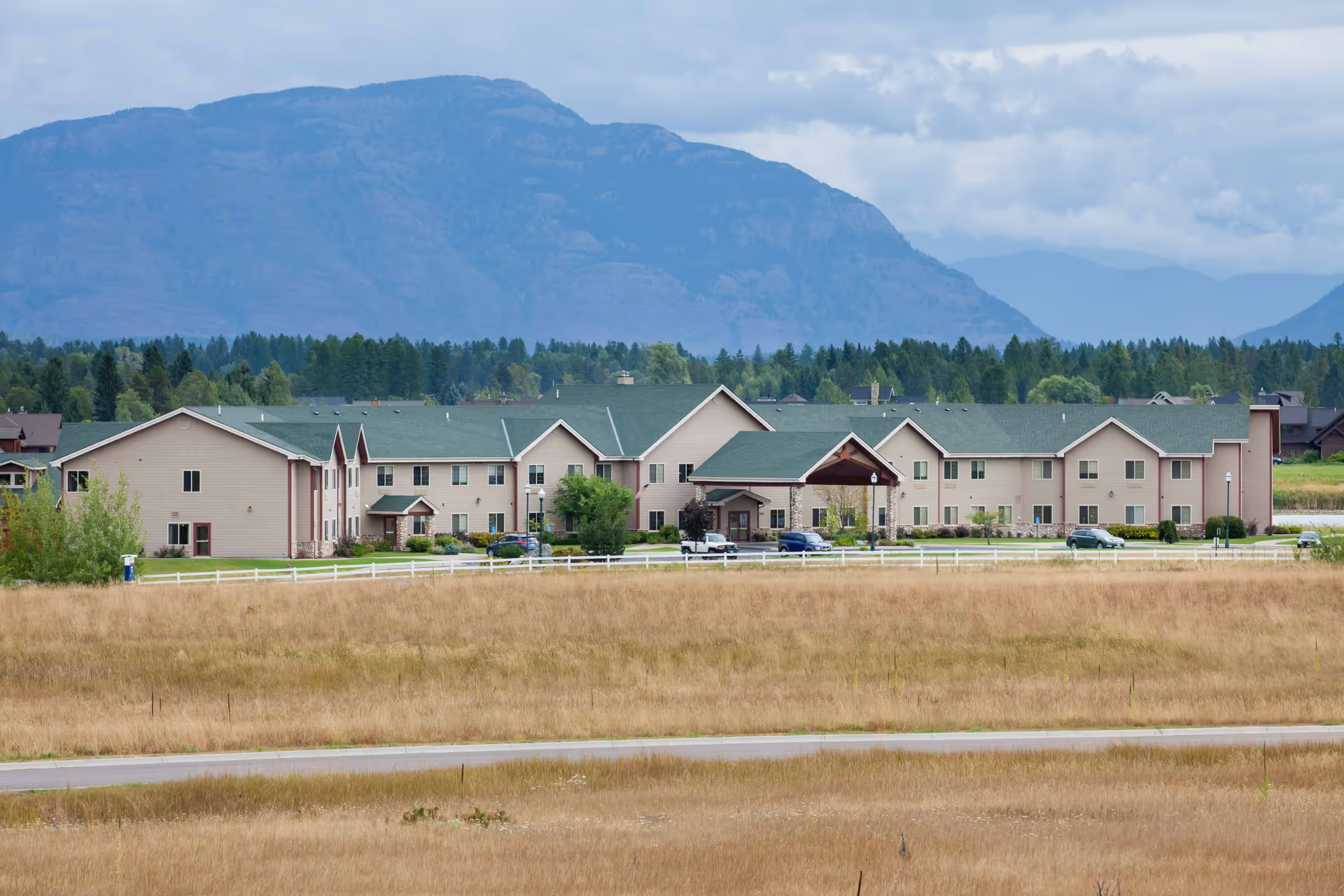
Facility condition and management issues also show polarity. While some units are described as newly remodeled and very clean, other comments describe worn or run-down areas, indicating uneven maintenance across the campus. Financial and administrative concerns appear as well: at least one reviewer raised a substantial billing dispute, and there are recurring notes about gaps in billing transparency and how disputes are handled. Separate concerns about the tone and transparency of social-services interactions appear in the feedback and point to communication and process weaknesses in that department.
Notable patterns to consider: strong interpersonal strengths at the caregiver level coexist with operational weaknesses in staffing consistency, dining quality, facility maintenance, social-services communication, and billing transparency. Memory-care is secured and monitored, which many families will view as appropriate for safety though it may feel restrictive to others; shared rooms are present and may limit privacy. Prospective residents and families should tour the specific unit of interest, ask for current staffing ratios and sample menus, clarify billing practices and dispute procedures, and meet social-services staff to assess communication style and expectations before deciding.