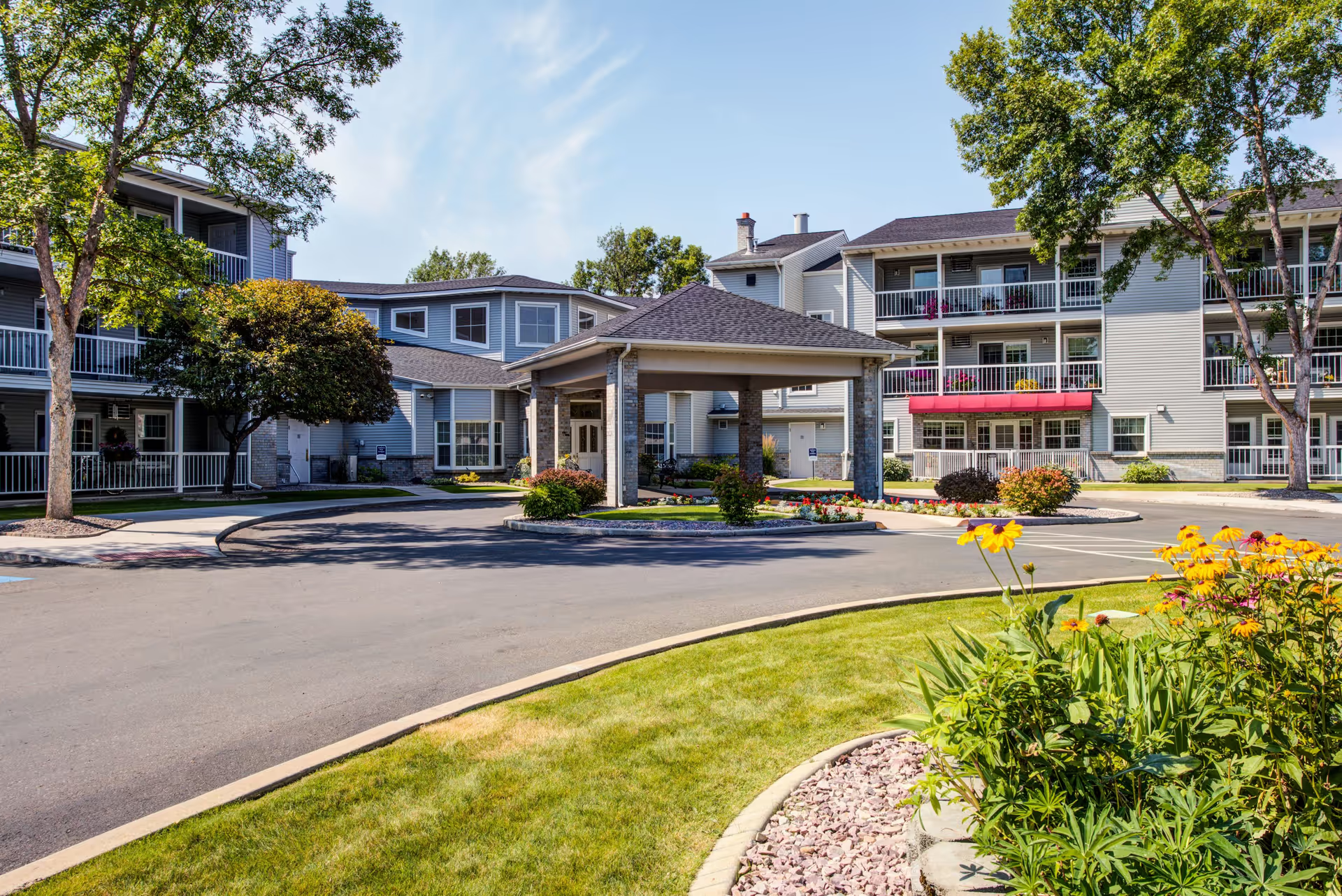
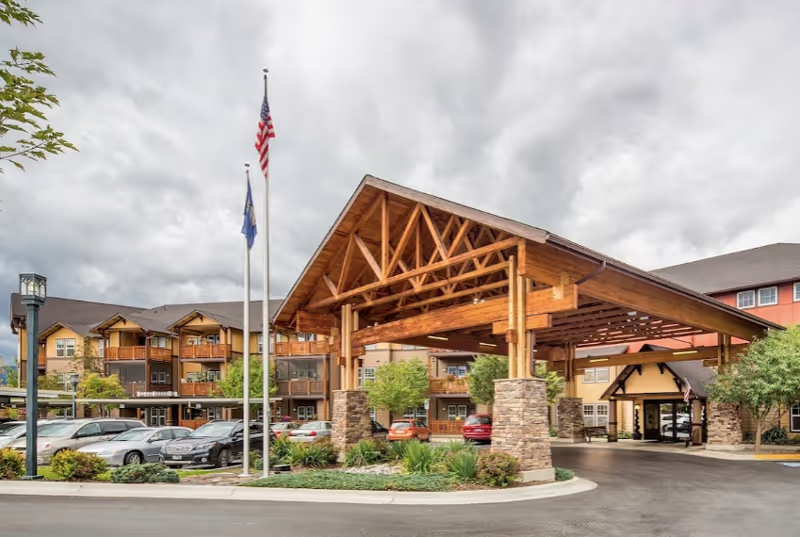
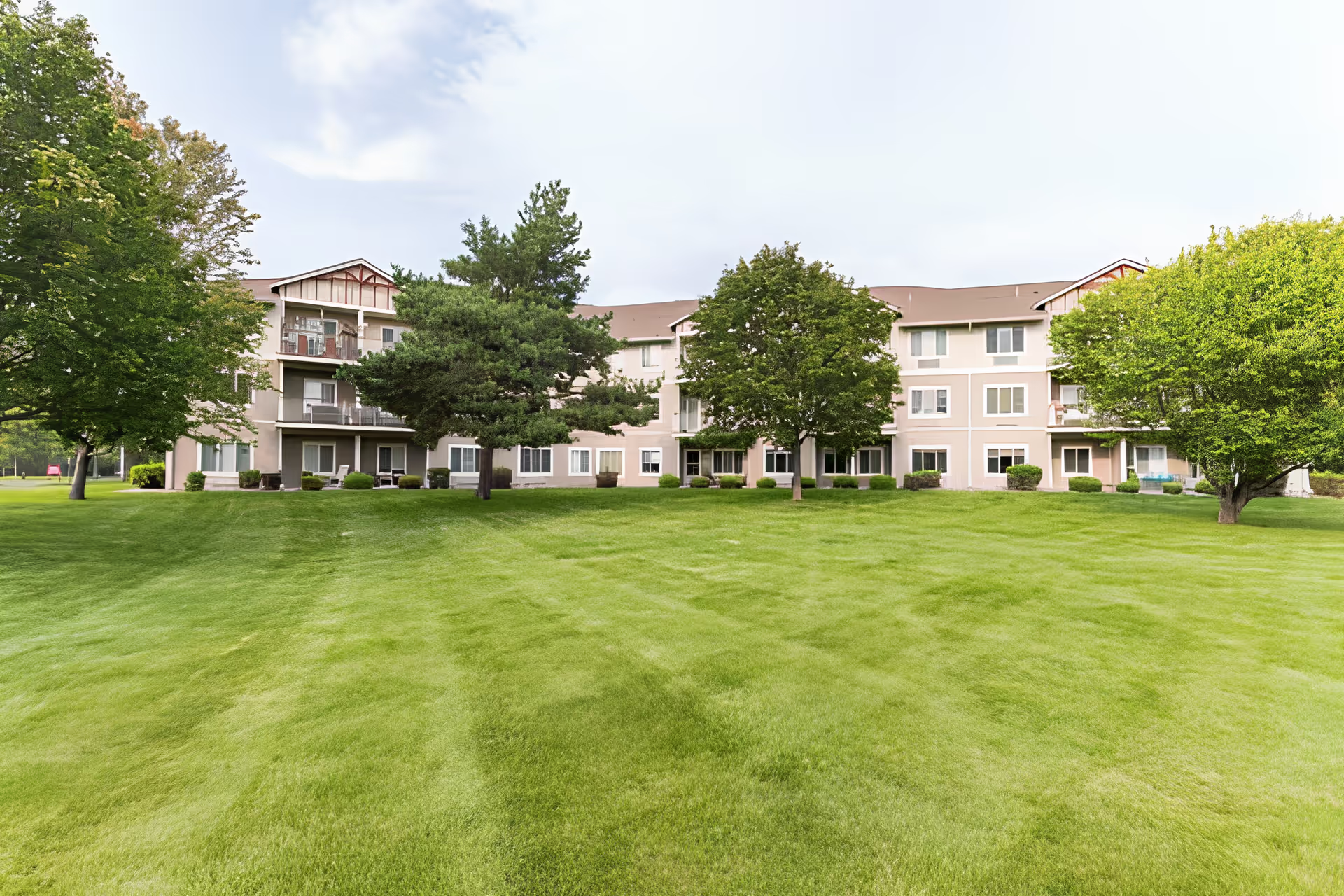
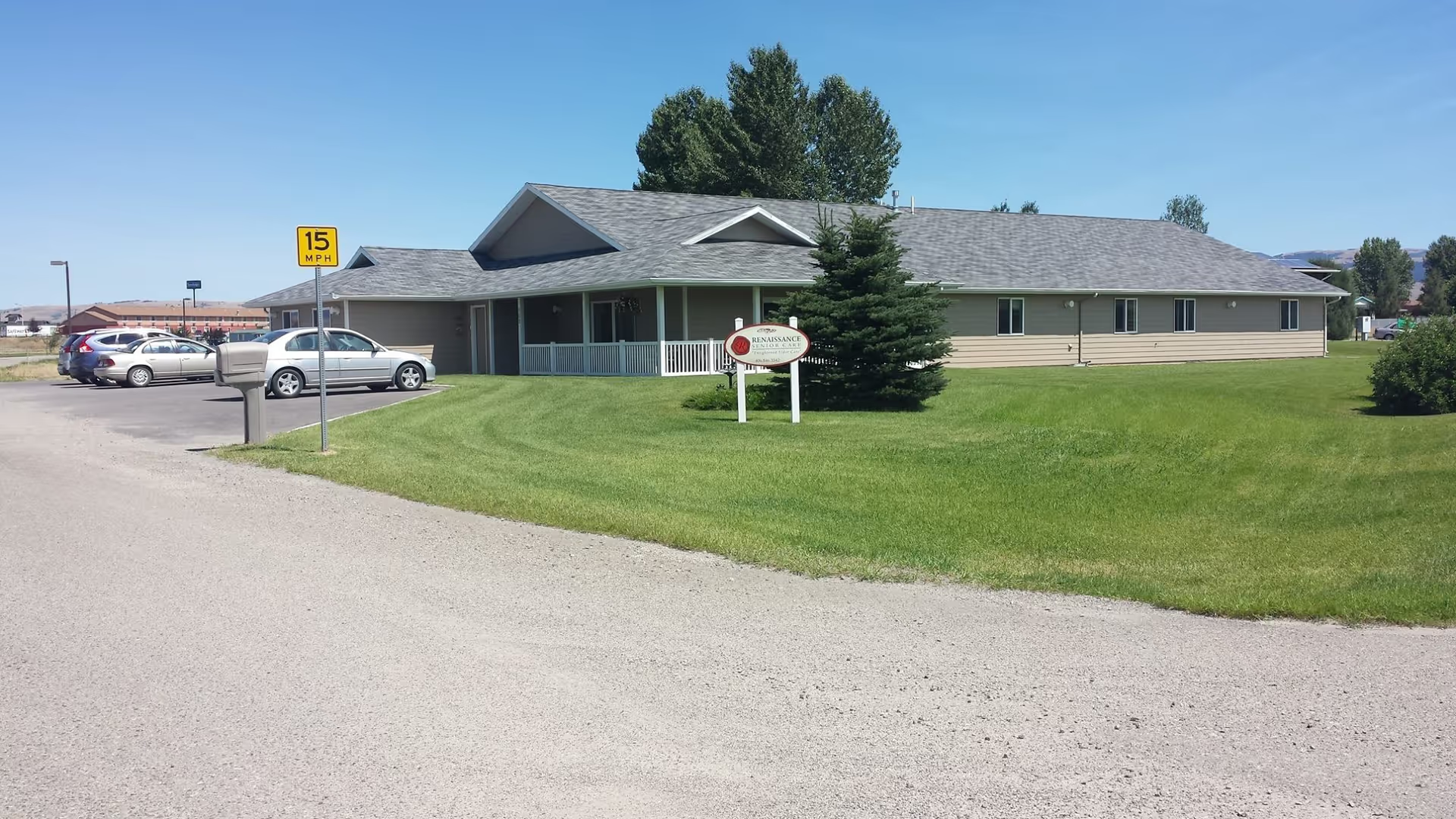
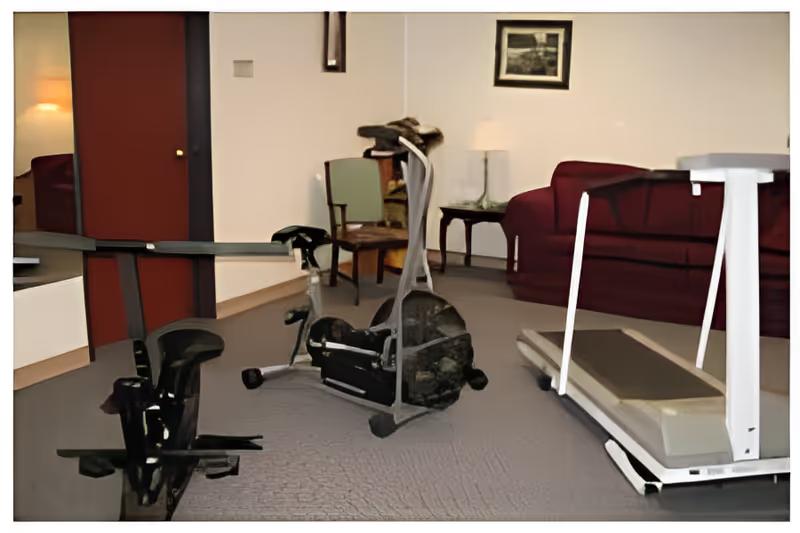
Kootenai Creek Village is described primarily as a retirement-oriented, owner-occupied community with a strong emphasis on natural setting and outdoor amenities. Reviewers consistently highlight the Bitterroot Valley location, riparian areas, ponds, walking trails and nearby bird refuge as central strengths. The site-level facilities include a community center with a full kitchen and workout room, outdoor gathering spaces such as a gazebo, BBQ and fire pit, and maintained common areas that support socializing and small-group activities.
Residents and visitors characterize the housing stock as well-built and of good quality. The HOA provides a broad scope of exterior services — including lawn care, watering, weed eating, snow removal and oversight of road maintenance and utility systems — which many find convenient. The community is gated and perceived as secure; neighbors and on-site staff are described as professional, hardworking and engaged, contributing to an active social calendar and an overall congenial atmosphere for retirement living. The location balances a rural, nature-forward environment with reasonable access to city shopping and healthcare resources.
Management and ongoing-cost issues are the most frequently cited operational concerns. While the HOA covers many maintenance tasks, reviewers note relatively high dues and the possibility of additional assessments for road work or other infrastructure needs. The community relies on private wells and septic/drain-field systems, which places responsibility for those utilities on the community and can introduce maintenance and cost variability. Several comments also reflect unease about builder or developer transitions, which can affect expectations for long-term construction or warranty support. Additionally, the HOA covenants are described as strict; prospective owners should review restrictions to confirm they align with personal preferences for property use and personalization.
In summary, the community appears well suited to buyers seeking a nature-oriented, maintenance-supported residential retirement environment with active neighbors and shared amenities. Prospective residents should balance the appeal of the setting, amenities and community management against the financial and regulatory responsibilities associated with HOA governance, private utilities, and potential developer transitions. Visiting in person and reviewing HOA documents, covenants, and recent assessment histories will help families evaluate fit and long-term cost expectations.