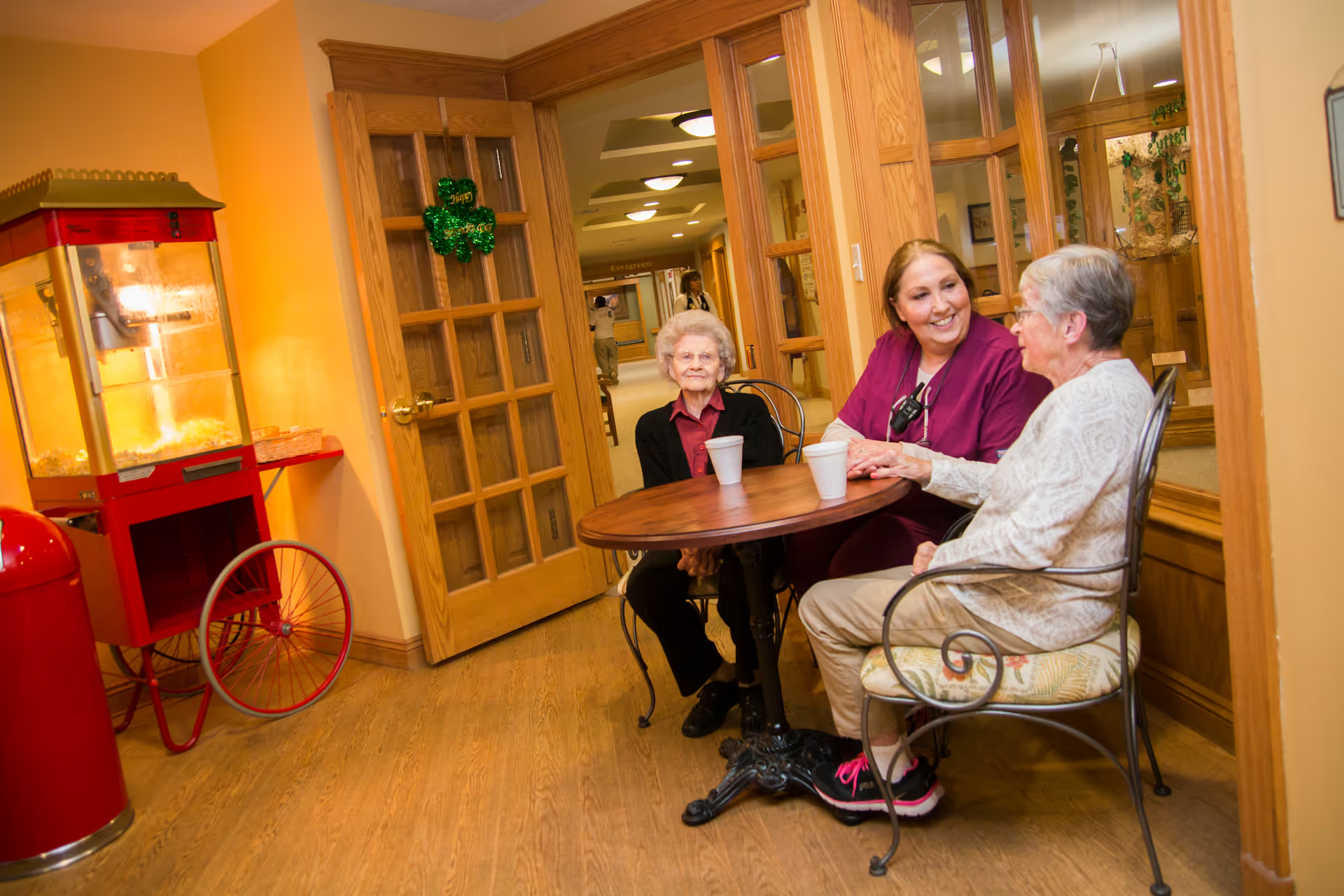
The Meadows at Ashland elicits a strongly mixed picture. Across the reviews there is consistent praise for the direct-care staff: many families describe caregivers as compassionate, attentive, and respectful, and they highlight strong resident–staff relationships. Memory-care programming and collaboration with hospice are noted positively, and specific elements such as pet visits and staff involvement in activities contribute to resident well‑being and family satisfaction. Multiple accounts credit the caregiving team with improving residents’ quality of life and offering supportive end-of-life assistance.
At the same time, reviewers point to several operational and environmental weaknesses that prospective families should consider. Cleanliness and maintenance issues in interior and common areas are recurring themes, including concerns about sanitation and odor control. These accounts are often paired with descriptions of inconsistent hygiene and incontinence-care support and at least one mention of interrupted utility/service availability that affected basic care tasks. Staffing levels are described as tight in ways that can delay routine care; reviewers link understaffing to slower response times and to burdens on aides.
Safety and administrative processes show notable variability. There are claims suggesting gaps in transportation and transfer-safety practices, and reviewers raised concerns about infection-control coordination during roommate changes, which they felt increased exposure risk in one instance. Financial and administrative transparency is another weak point: reviewers cite unclear billing practices and there is an allegation of financial misconduct by staff/administration. Family communication and admissions/check-in procedures are described as cumbersome or inconsistent, and one review specifically criticized the communication tone of leadership — a pattern that could affect families’ ability to get timely information.
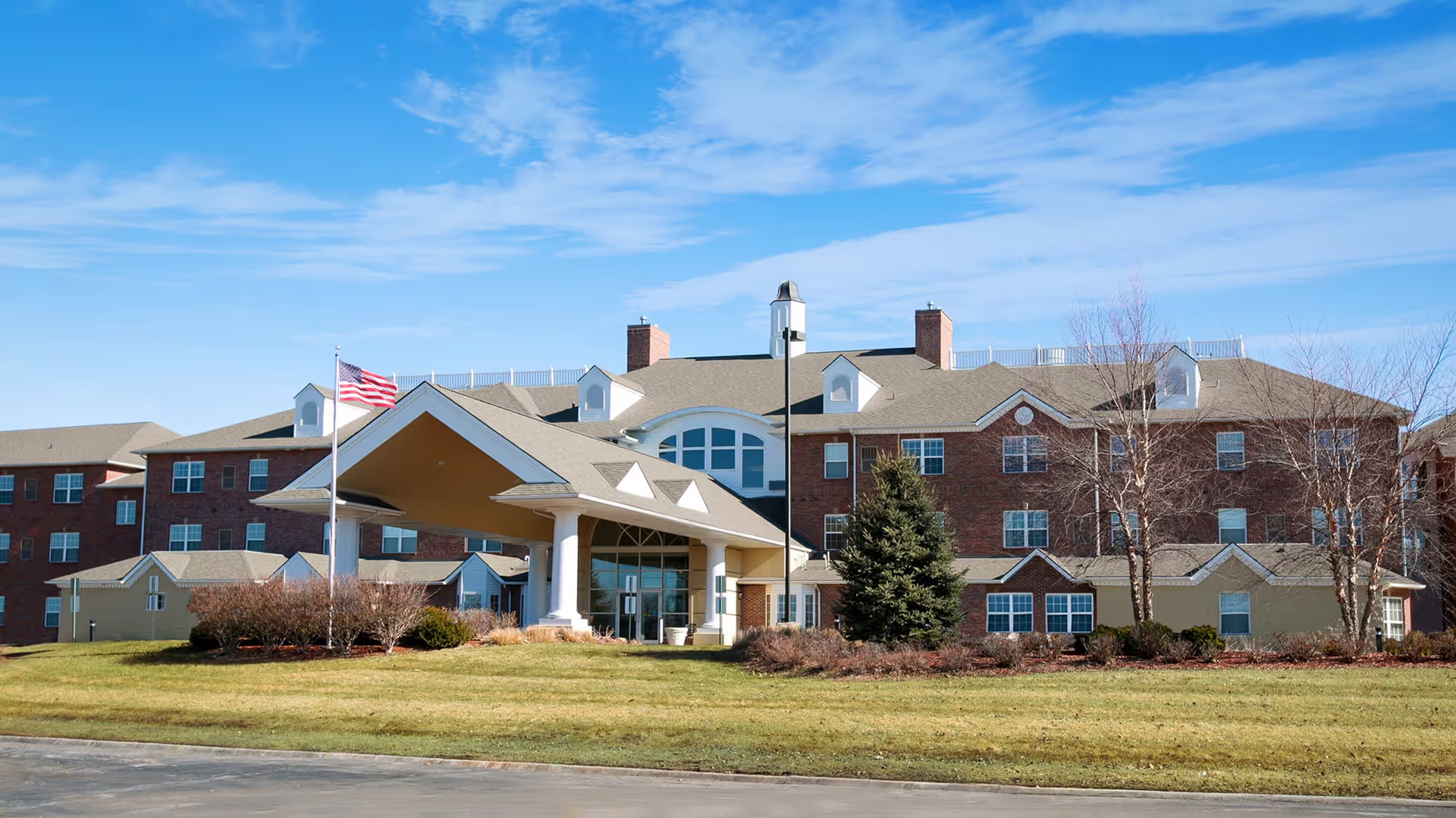
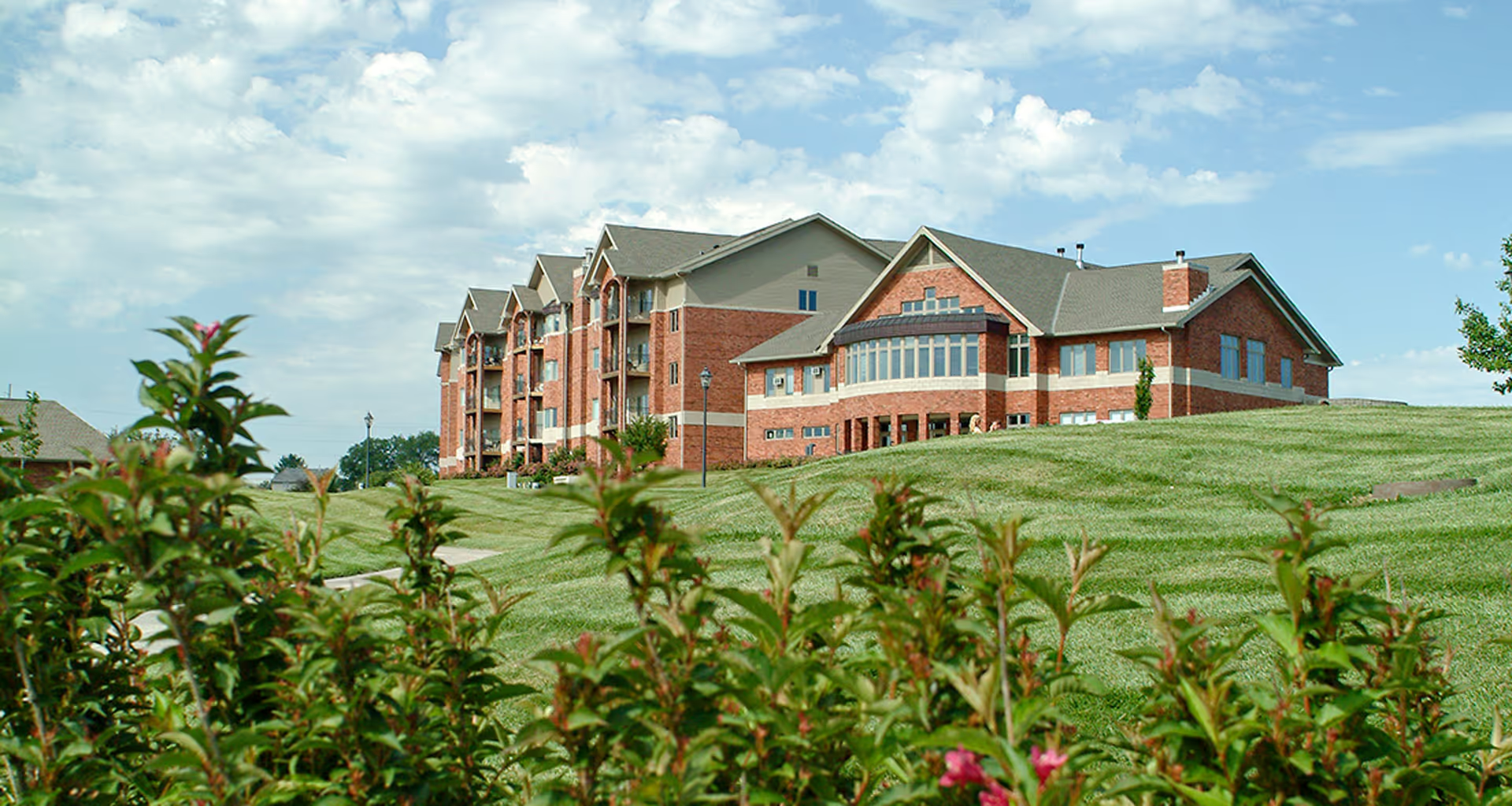
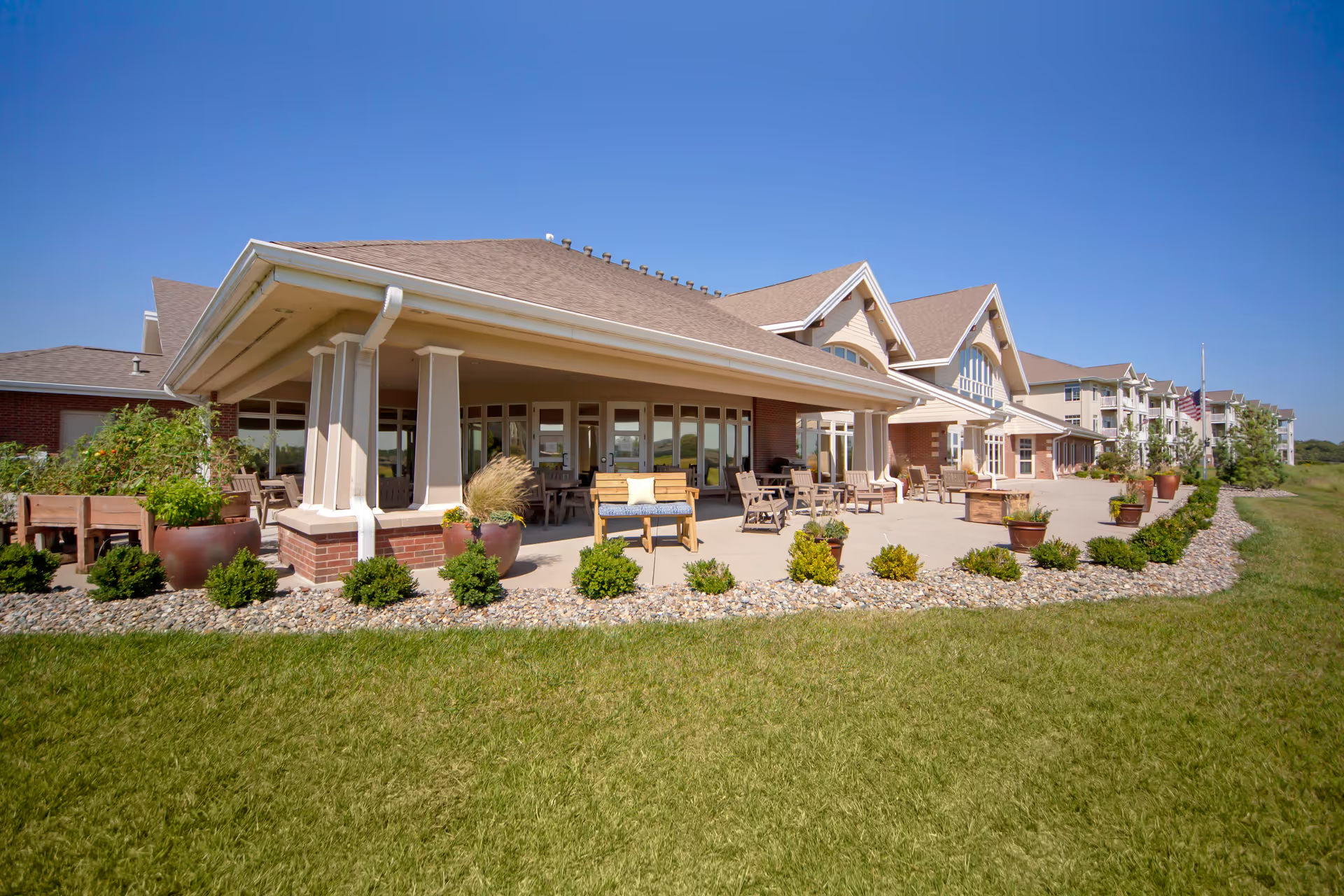
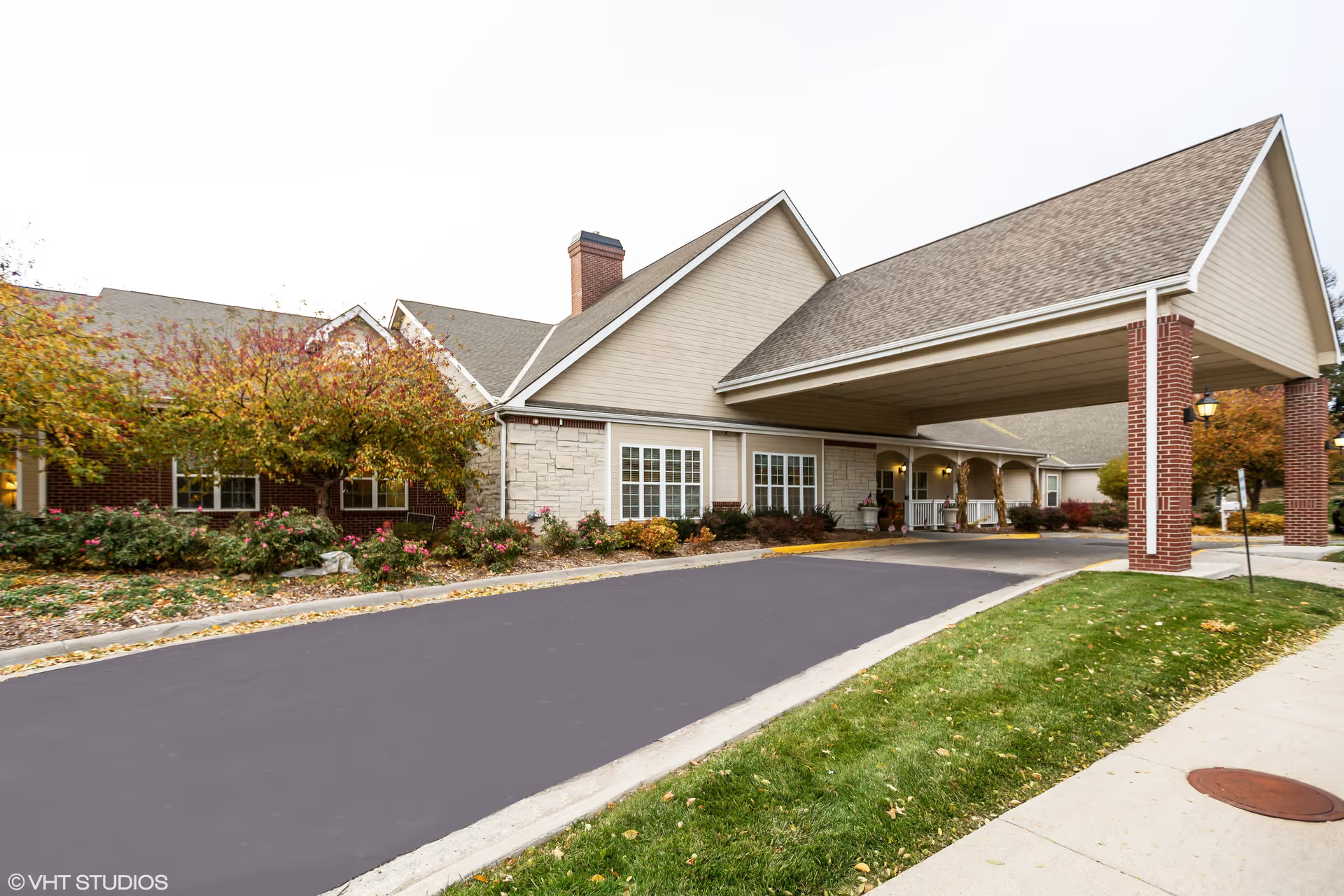
Information about dining was limited in the available summaries; reviewers did not consistently comment on food quality or meal service, so prospective families should request current menus, sample meals, and documentation of dietary protocols during a visit. Activities appear to be a relative strength where implemented — pet visits and staff-supported programming were mentioned as meaningful for residents. Physically, the building is described as worn in places, with congested and cluttered hallways and a confusing layout that some found claustrophobic or uninviting; these factors can affect accessibility and day-to-day comfort.
Taken together, the pattern is of a facility with a strong caregiving ethos at the staff level but with systemic operational and environmental challenges. Families considering The Meadows at Ashland should plan an in-person visit to observe staffing ratios and cleanliness, ask specific questions about infection-control protocols, transportation and transfer procedures, billing transparency, and how leadership addresses family concerns. Request current inspection reports, staffing schedules, and examples of communication logs to help weigh the facility’s interpersonal strengths against the operational risks described in reviews.