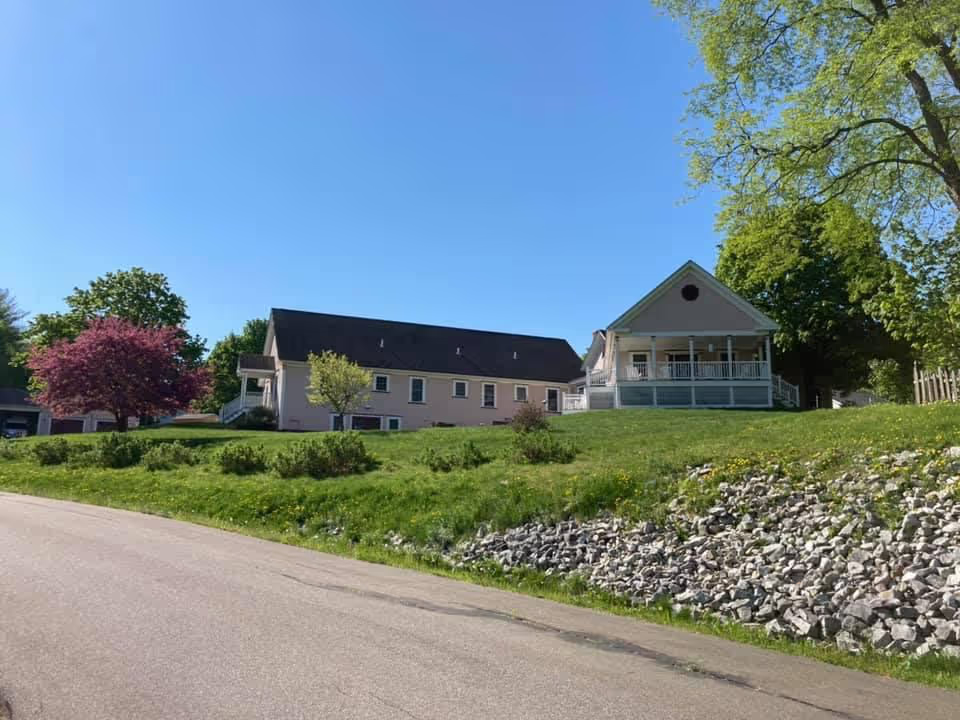
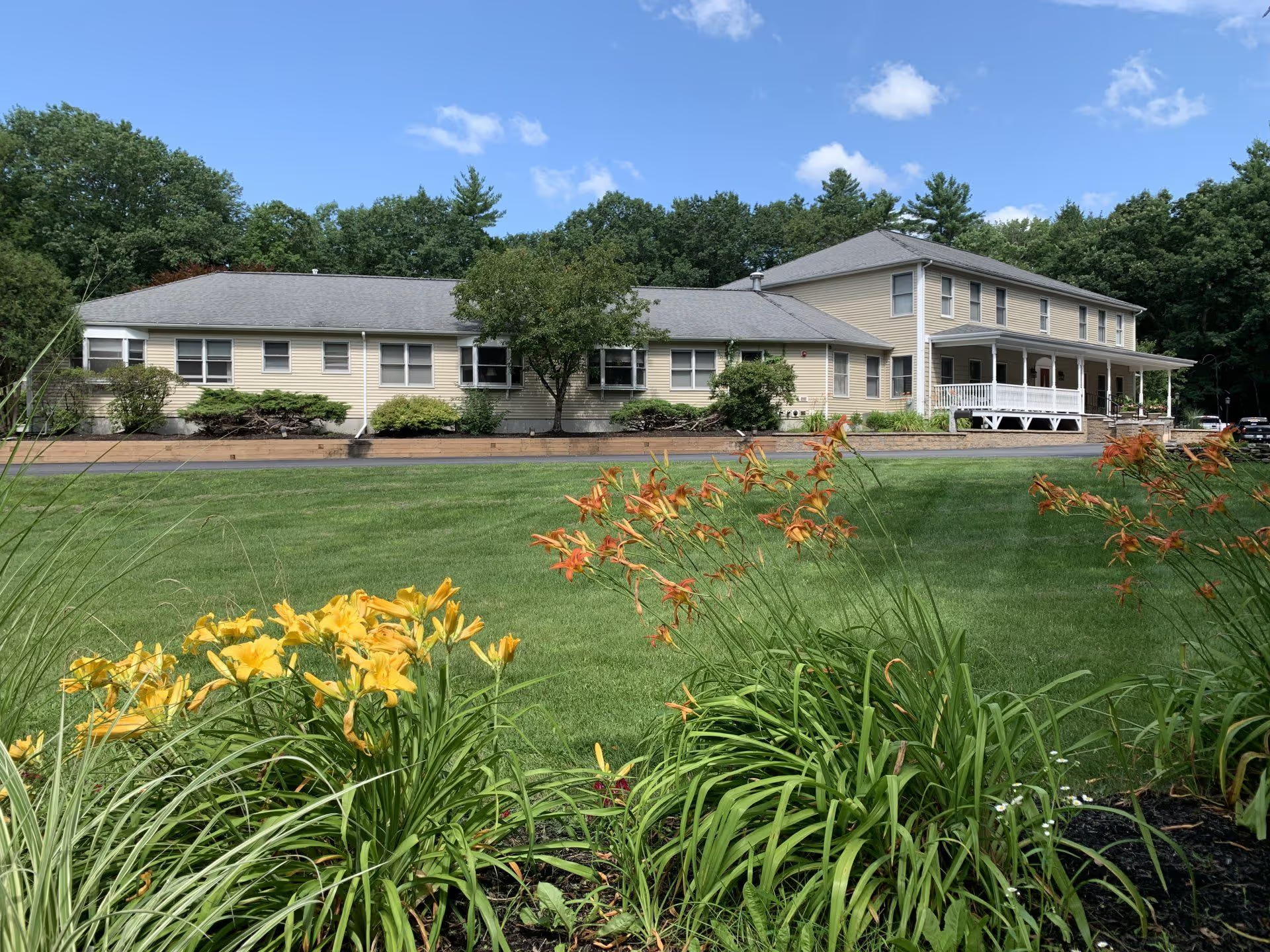
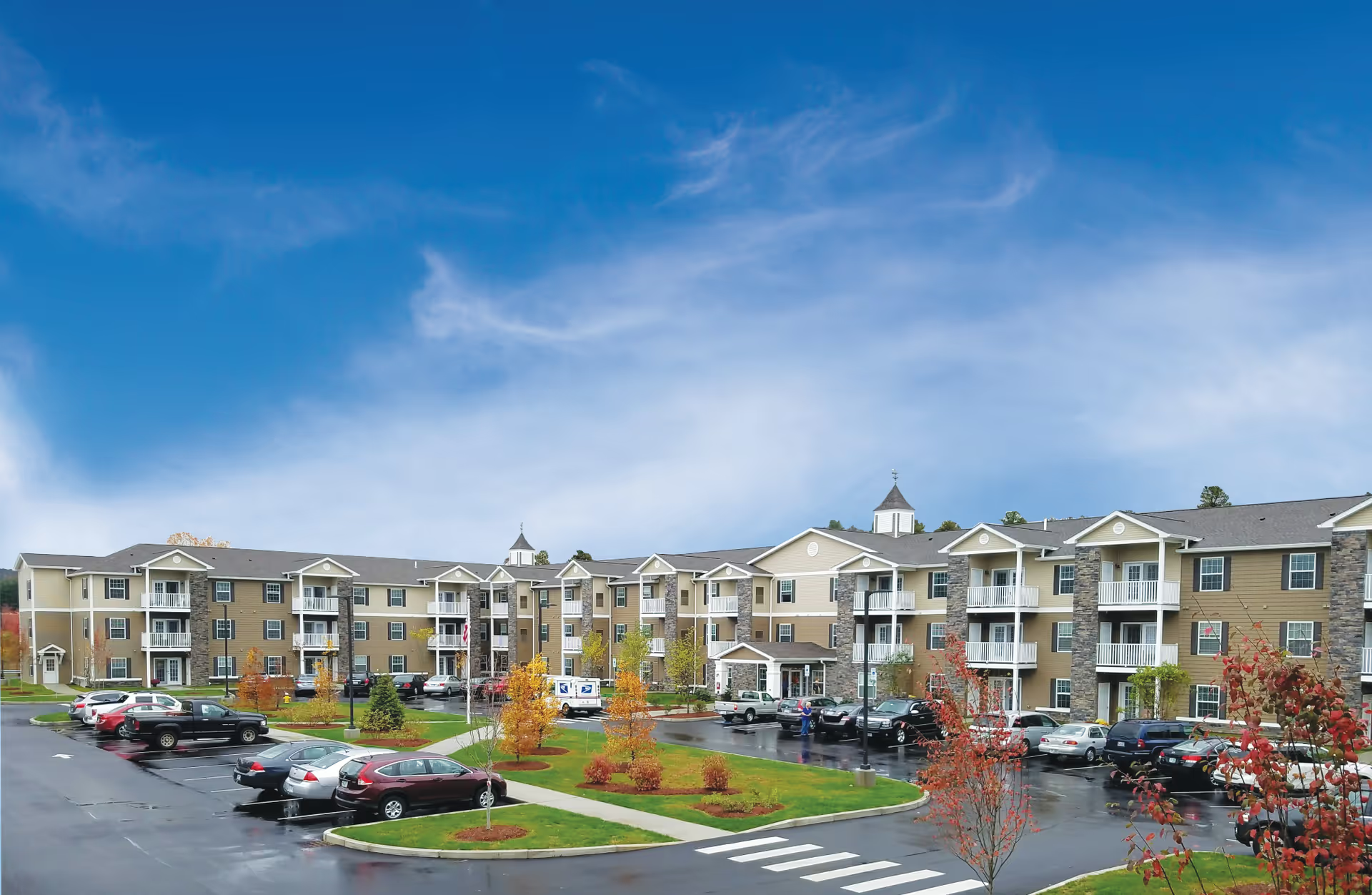
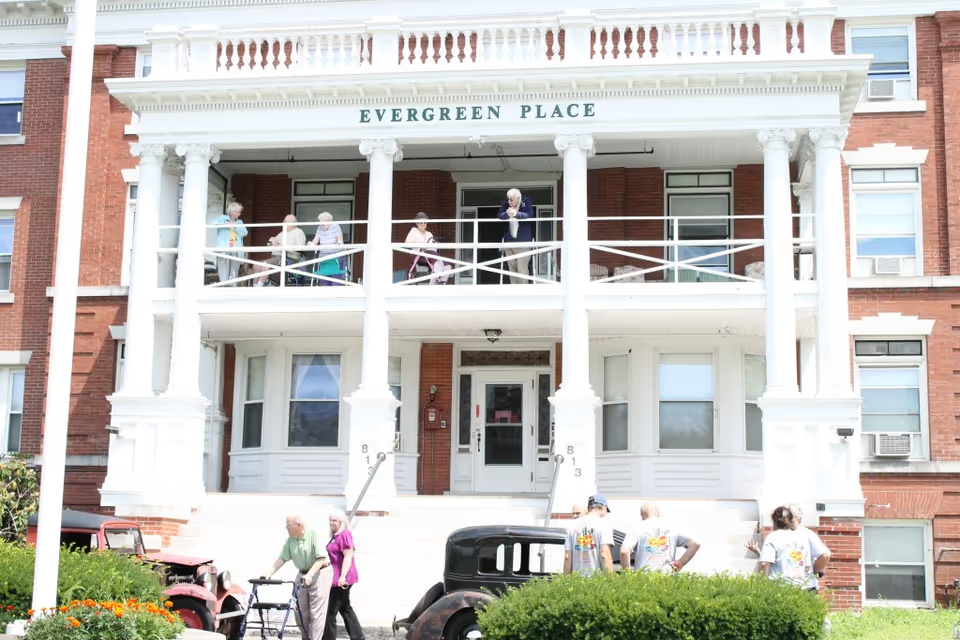
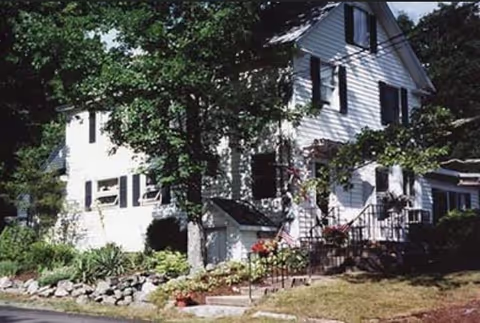
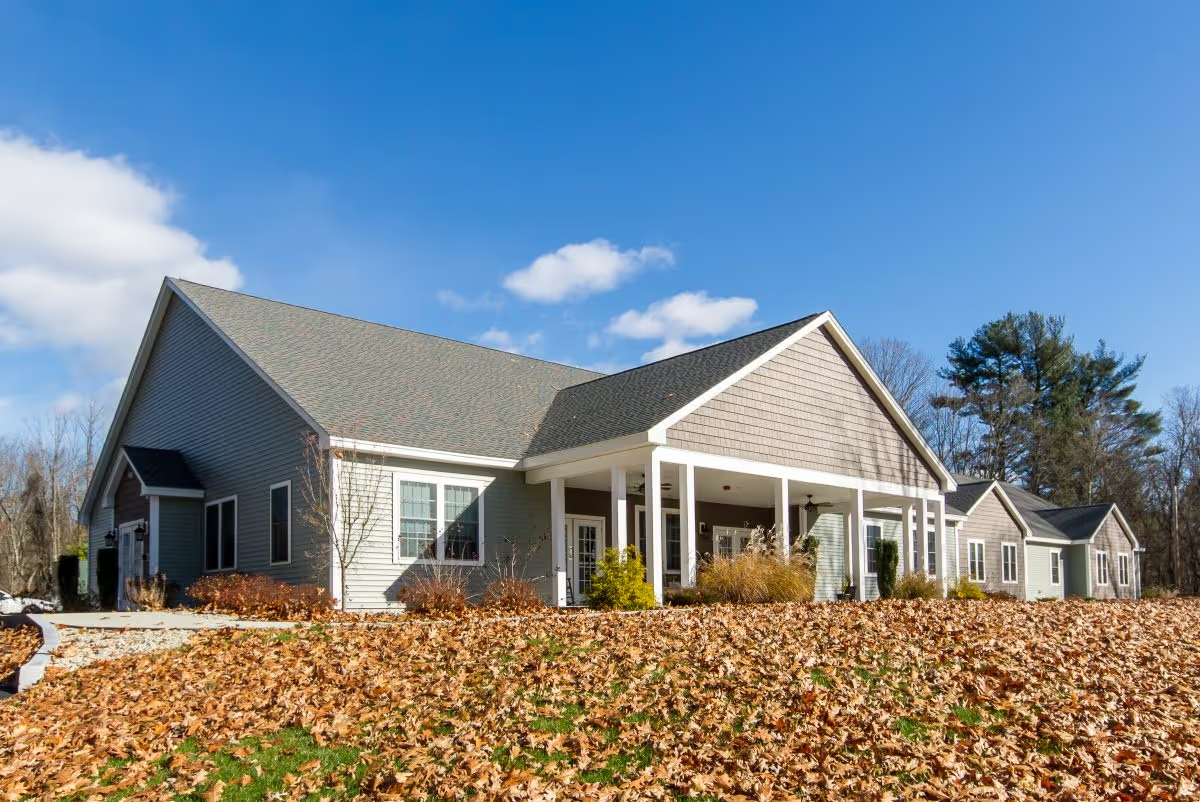
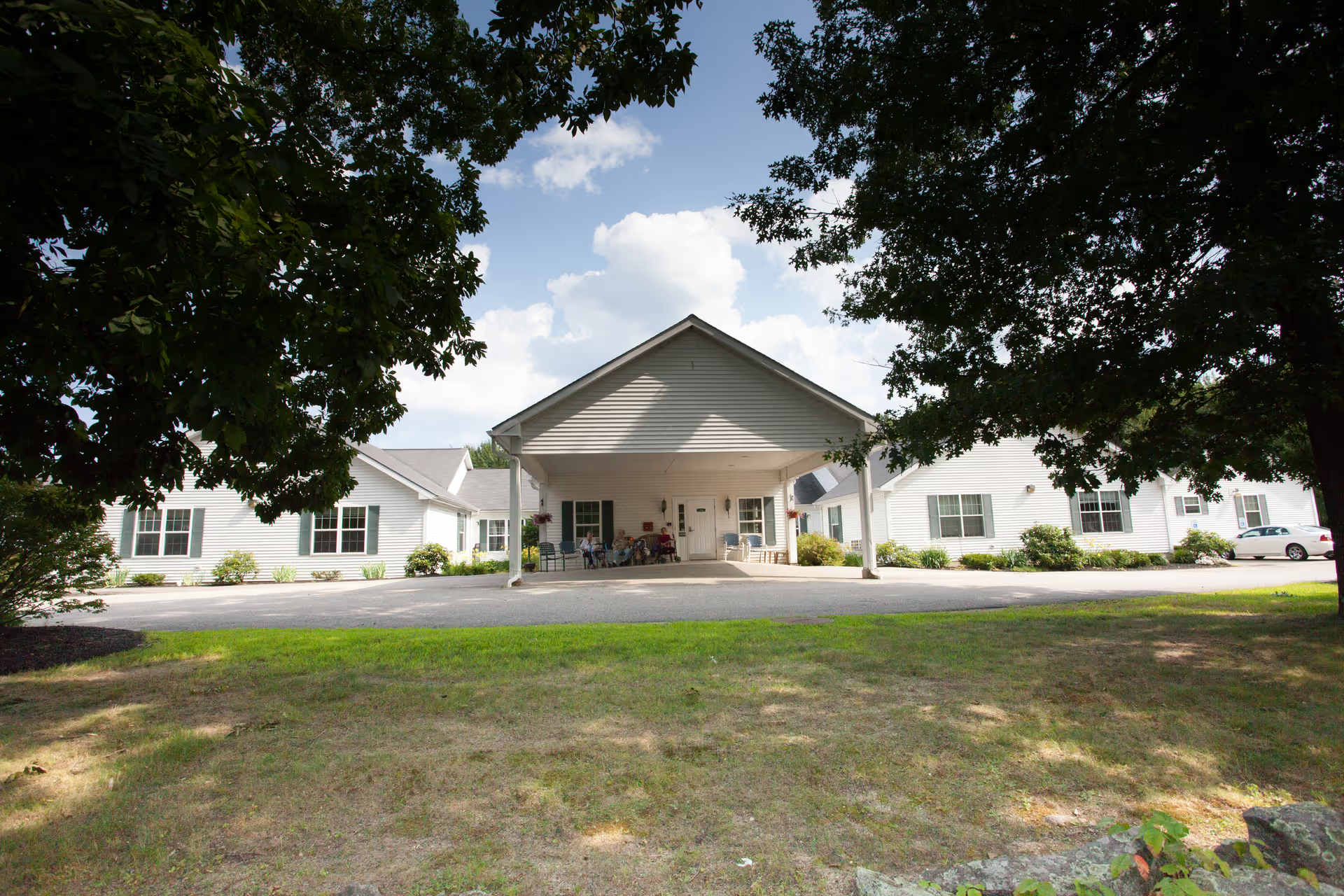
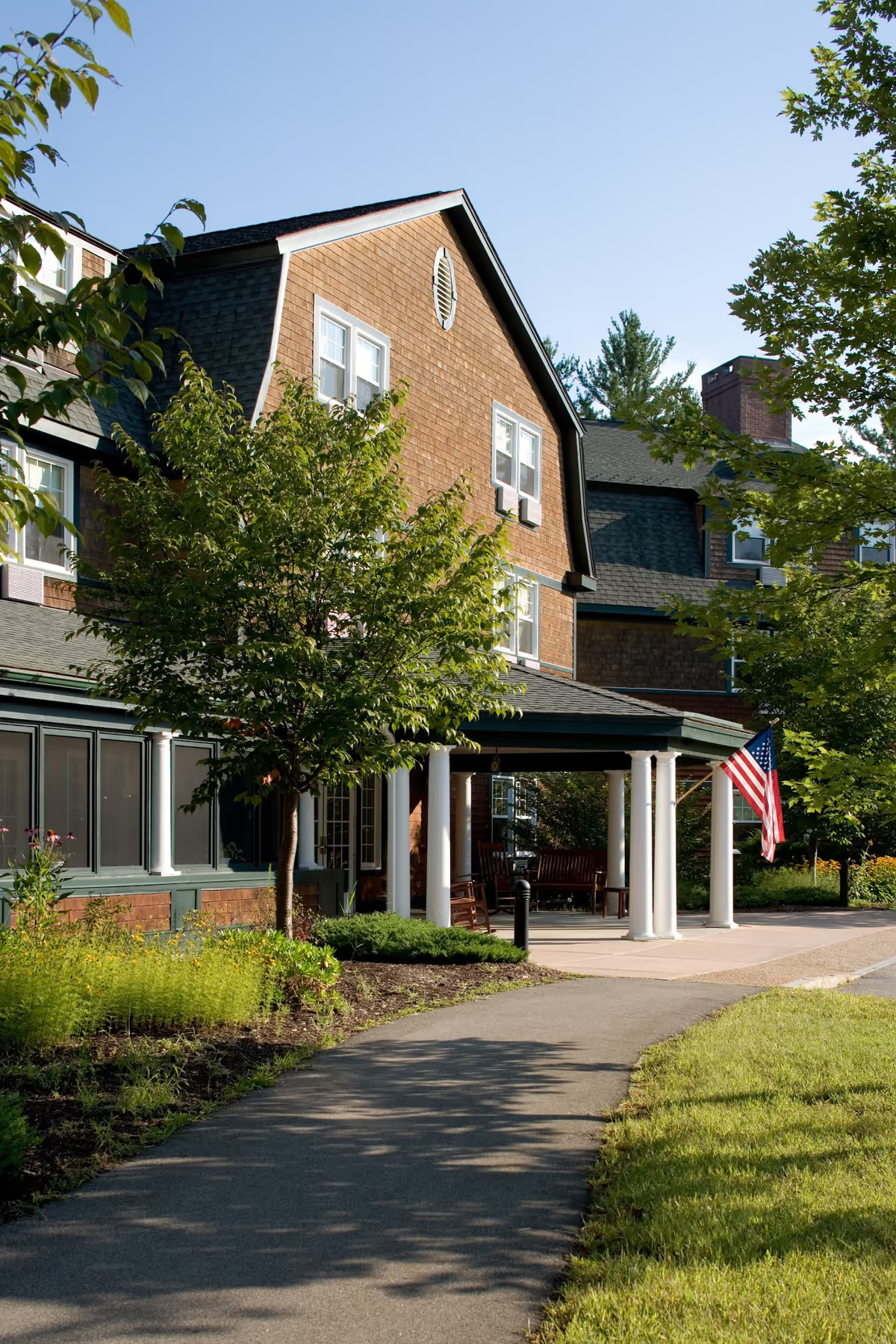
The Inn at Deerfield is characterized by a small, single-floor, country-style environment and a strong emphasis on personalized, family-focused care. Reviewers commonly describe staff as warm, compassionate, and attentive; many highlight a family-like culture where residents receive individualized attention and staff make an effort to create a homelike atmosphere. Clinically, the facility provides on-site nursing and physician visits and coordinates medication delivery, and staff responsiveness and communication with families are frequently noted as strengths.
Programming and daily life at the facility emphasize engagement and independence. Residents have access to organized activities, classic-era programming, games, outdoor walks, and periodic outings or field trips. The property includes two fenced outdoor areas, a gazebo, and common rooms that serve as social and activity hubs. Dining is described positively overall, with three meals a day and several mentions of residents enjoying the food. Reviewers also value the quick, supportive admissions process and the facility’s affordability, including Medicaid-bed availability.
Physical plant and layout reflect the facility’s smaller, less upscale profile. Rooms are often doubles and most do not have private in-room bathrooms; instead, bathrooms are communal and staff-supervised. While cleanliness and maintenance of common areas receive positive comments, the building shows signs of age and occasional need for upkeep. The rural location provides a peaceful setting but can create travel and access challenges for families who live farther away.
A consistent pattern in the feedback is that the Inn at Deerfield is well-suited to residents who benefit from a small, structured, activity-rich memory-care setting and close, consistent caregiver relationships. However, a number of families described limits when residents present advanced or complex behavioral needs; the facility’s size and staffing model may not be optimal for some high-acuity cases. A few reviewers raised concerns about privacy trade-offs related to supervised bathrooms and monitoring devices, and there are suggestions to strengthen door security and access-control practices. There is also at least one isolated allegation of culturally insensitive communication, which suggests a need for ongoing staff training in communication and cultural sensitivity.
Overall, prospective residents and families should weigh the clear strengths in personalized, compassionate care, active programming, and affordability against the trade-offs of shared rooms, limited private-bathroom availability, the facility’s older physical plant, and potential limits in managing the most complex dementia behaviors. For many families seeking a small, community-oriented memory-care setting, the Inn at Deerfield appears to provide reliable, attentive care; families with advanced clinical needs or who require close geographic proximity should evaluate clinical fit and access logistics during a tour and care-planning discussion.