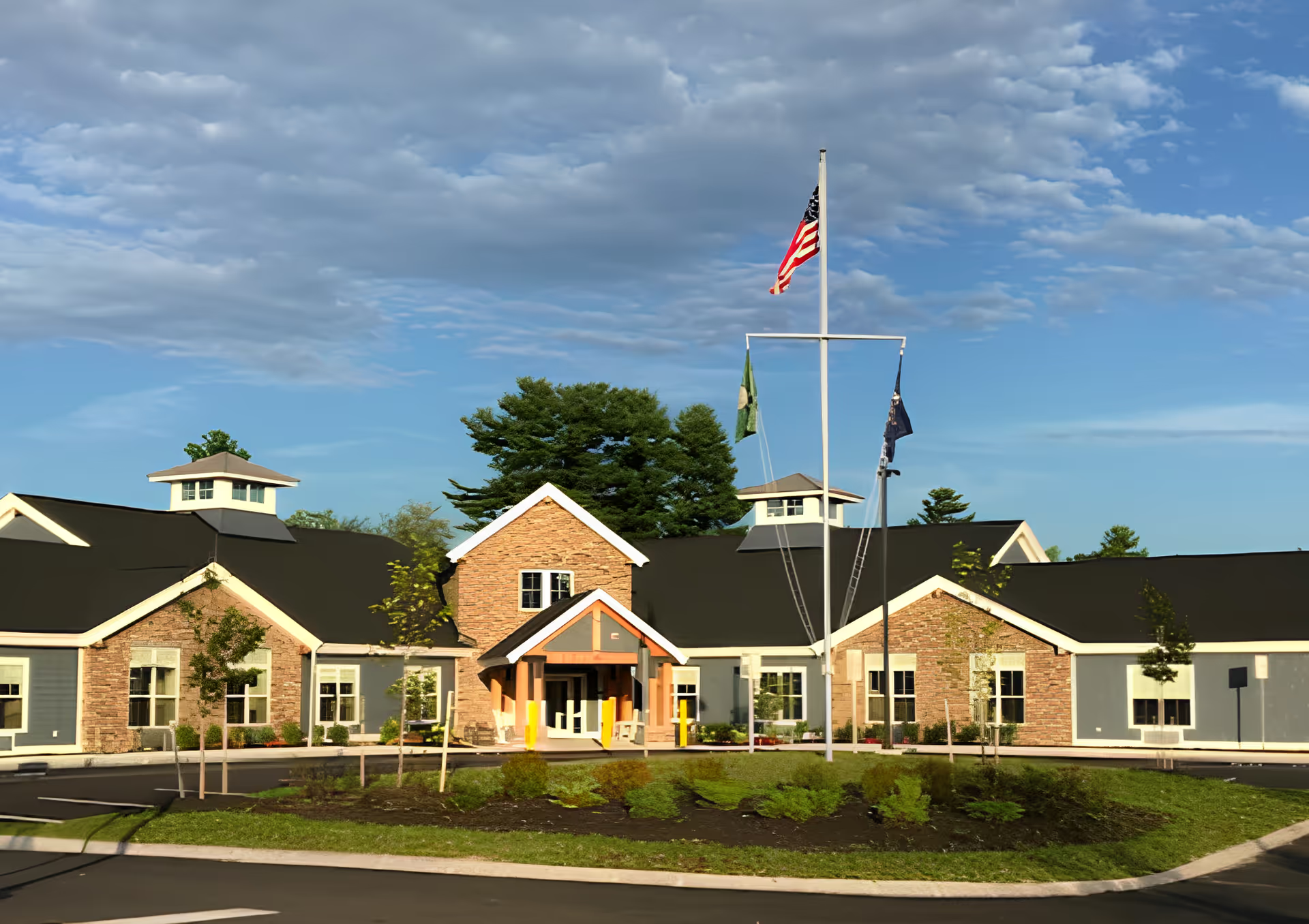
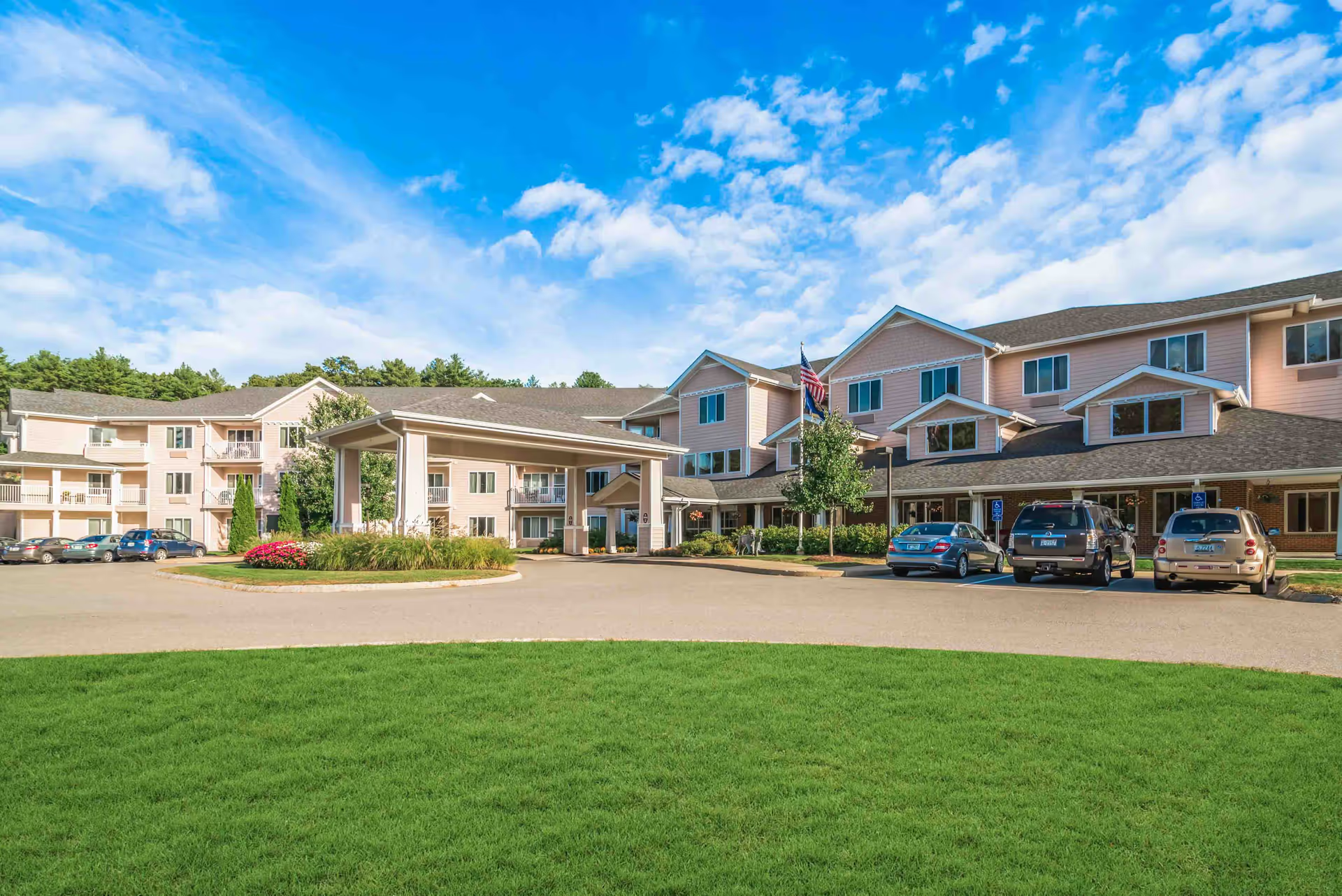
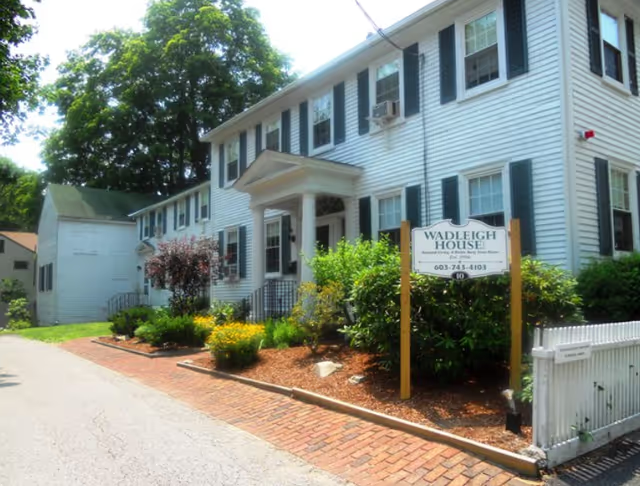
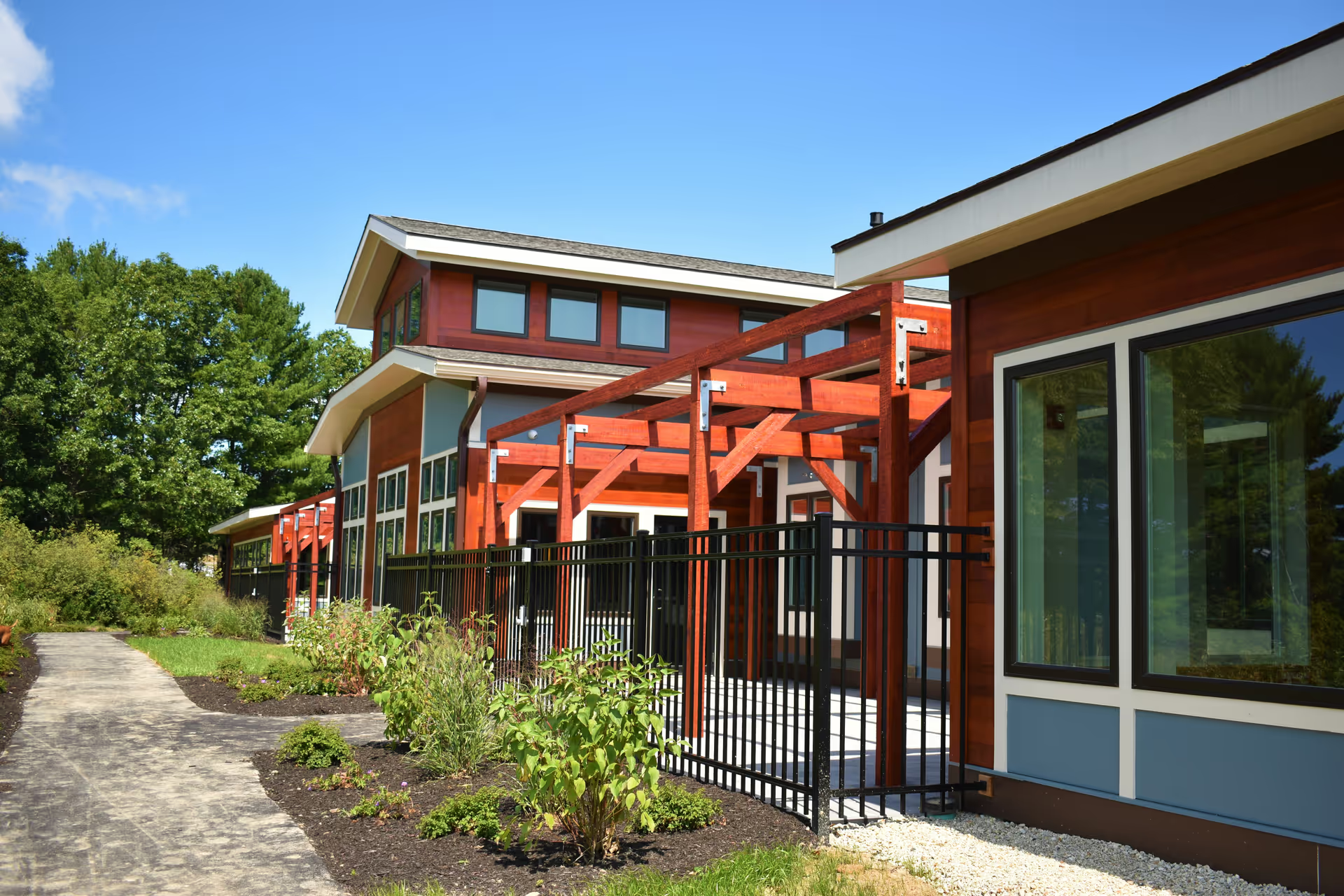
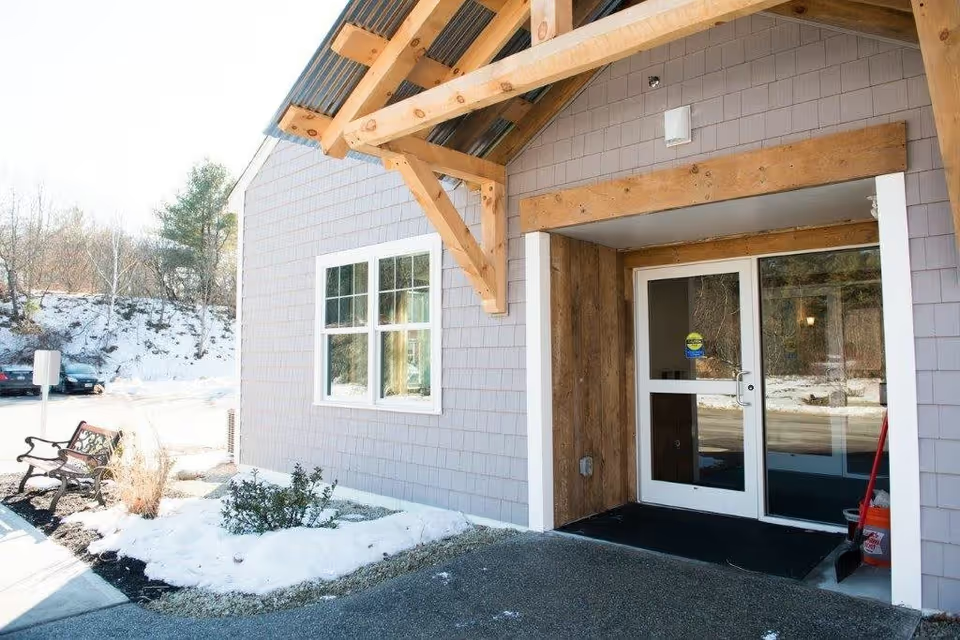
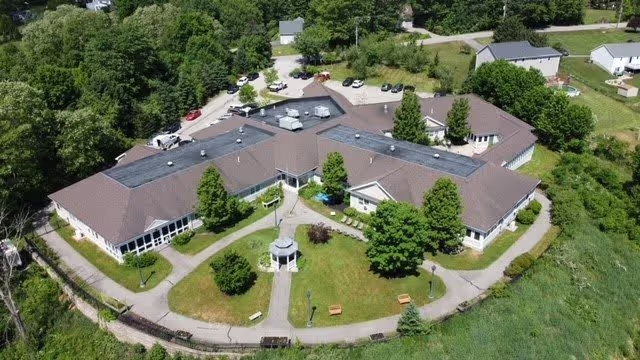
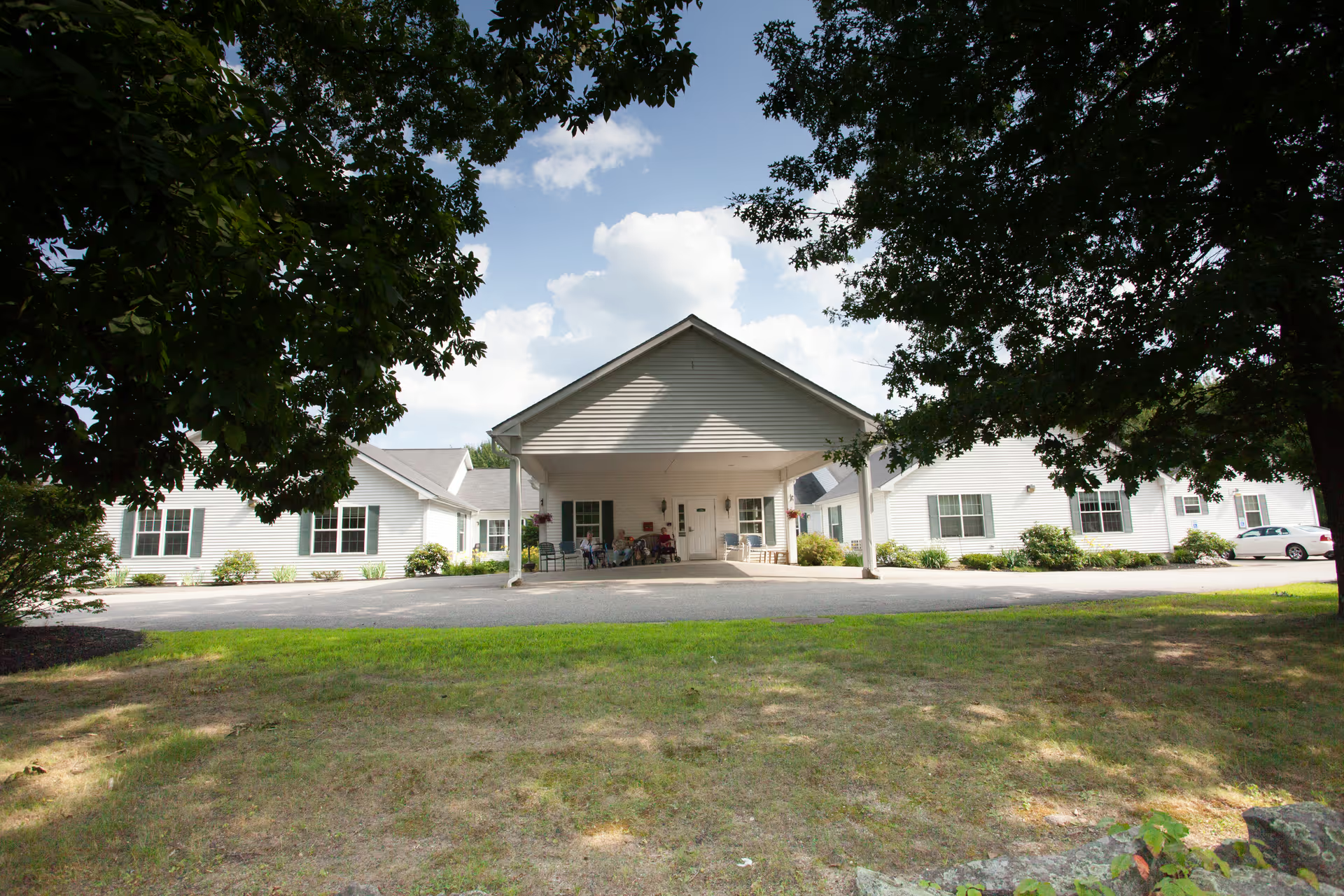
The reviews present a mixed but clearly polarized picture of Bellamy Fields Assisted Living. A substantial portion of families and visitors describe the facility as warm, well run, and attentive: reviewers consistently highlight compassionate, respectful caregiving staff, engaged leadership, and a small-community atmosphere that allows for personalized attention. Memory-care capabilities and staff expertise receive repeated praise, as do visible leadership involvement and a presentable, bright physical environment. Outdoor spaces, courtyard and garden areas, and comfortable, appropriately sized resident rooms are frequently described as strengths.
Daily life and programming are often portrayed positively. Multiple accounts mention varied activities — music, sing-alongs, bingo, word games and other social programming — that keep residents engaged and contribute to an upbeat atmosphere. Several families noted effective family communication practices, including regular video calls, and described staff who are reassuring and family-focused. Dining elicits mixed but generally favorable remarks from many reviewers who called the food wonderful or well-prepared; at the same time, some reviews point to inconsistent meal quality.
Conversely, a set of substantive operational concerns appears across reviews. The most serious are inconsistencies in care delivery and follow-through, including delays in attending to residents' personal-care needs and gaps in incontinence care and sanitation in some areas. Several families raised concerns about medication oversight and a lack of timely responsiveness at critical moments. There are also reports of restrictive access to living and dining areas — locked or segregated layouts that limit family visibility and sense of openness — which some visitors describe as creating an enclosed feeling.
There are also questions about appropriate placement and the clinical scope of services: a number of reviewers indicated a perceived mismatch between what the facility advertises and the level of clinical care they needed, and there is at least one allegation of misrepresentation of the facility’s clinical capabilities. Staffing levels are another recurring theme; reviewers cited periods of understaffing that affected continuity and responsiveness. End-of-life care and family communication around critical events were named specifically as areas needing clearer protocols and education for staff and families.
Taken together, the pattern is one of a facility that delivers high-quality, compassionate experiences for many residents while also demonstrating operational gaps that produce significant negative outcomes for others. Prospective residents and families should weigh the positive elements — strong leadership, caring staff, good programming, and pleasant grounds — against the operational risks noted above. When touring or evaluating placement, families may wish to ask specific questions about staffing ratios by shift, incontinence-care and sanitation protocols, medication-management practices, scope of licensed clinical services, visitation and access policies, and documented end-of-life care procedures. Observing peak-care times and requesting references from recent families with similar care needs may help clarify whether the facility’s strengths align with a prospective resident’s needs.