Johnson Creek Village is consistently described as a small, intimate memory-care community with a strong emphasis on personalized, compassionate caregiving. Families praised front-line staff for warmth, familiarity with residents, and attentiveness to health needs. Reviewers highlighted specific staff members by name and used phrases such as "family-like atmosphere," indicating close staff–family relationships and continuity of care that many relatives find reassuring.
Clinical care and daily support are presented as strengths. Reviewers reported that staff are attentive to residents' health, provide therapeutic engagement, and maintain clean, comfortable rooms. Several family members specifically noted that memory-care services appeared well matched to resident needs, and that their loved ones looked and behaved better after the move. The small scale of the community was frequently mentioned as enabling staff to know residents personally and provide individualized attention compared with larger, institutional settings.
Dining and activities are repeatedly identified as positive features. Meals were described as excellent and nutritious, and the activity program appears broad and intentionally therapeutic: live music, pet interactions, outdoor activities, and opportunities for dancing and social engagement were called out. The facility’s bright, sunny decor and favorable acoustics for live music were noted as enhancing social programming. These elements collectively support social stimulation and quality-of-life goals common in memory-care settings.
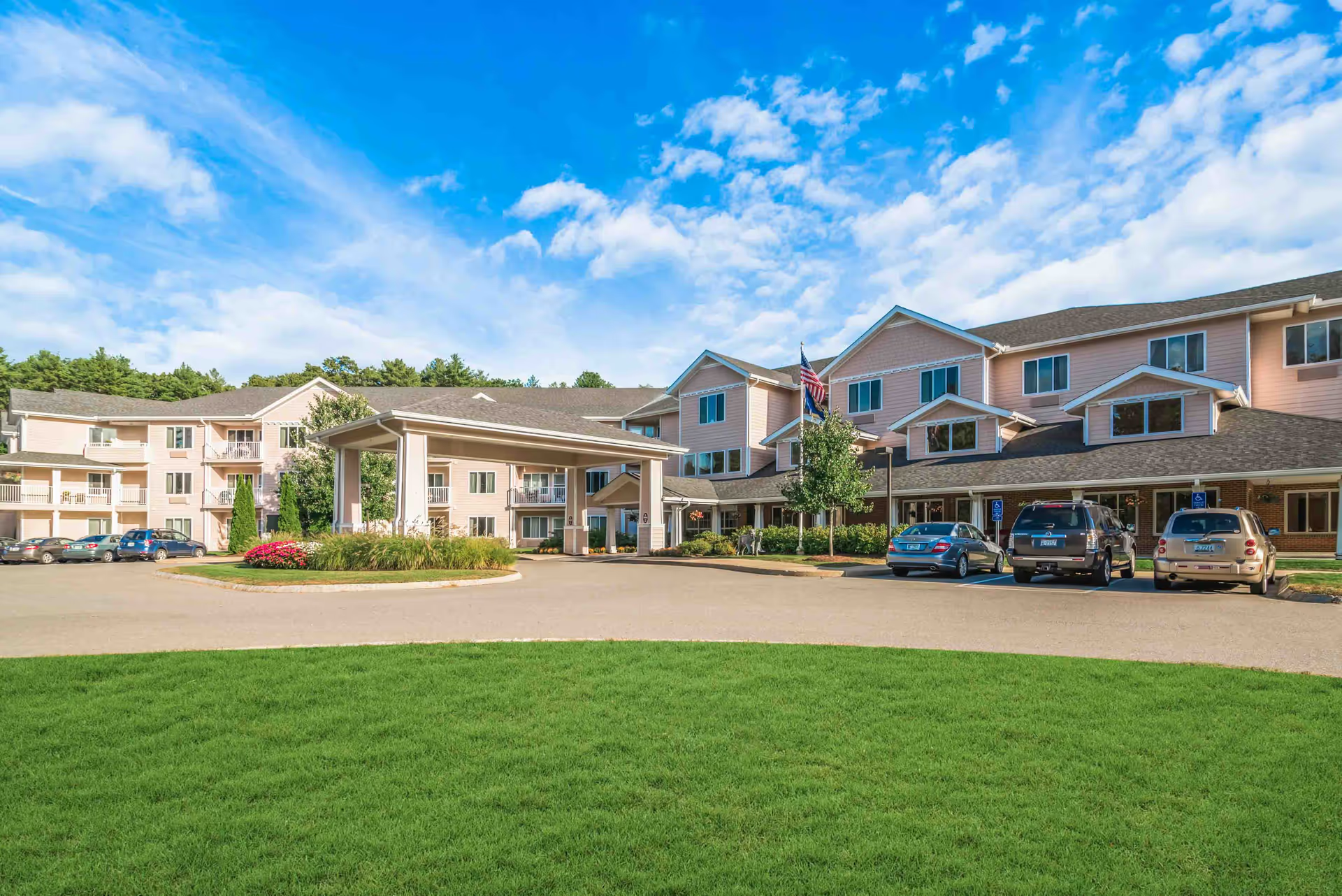
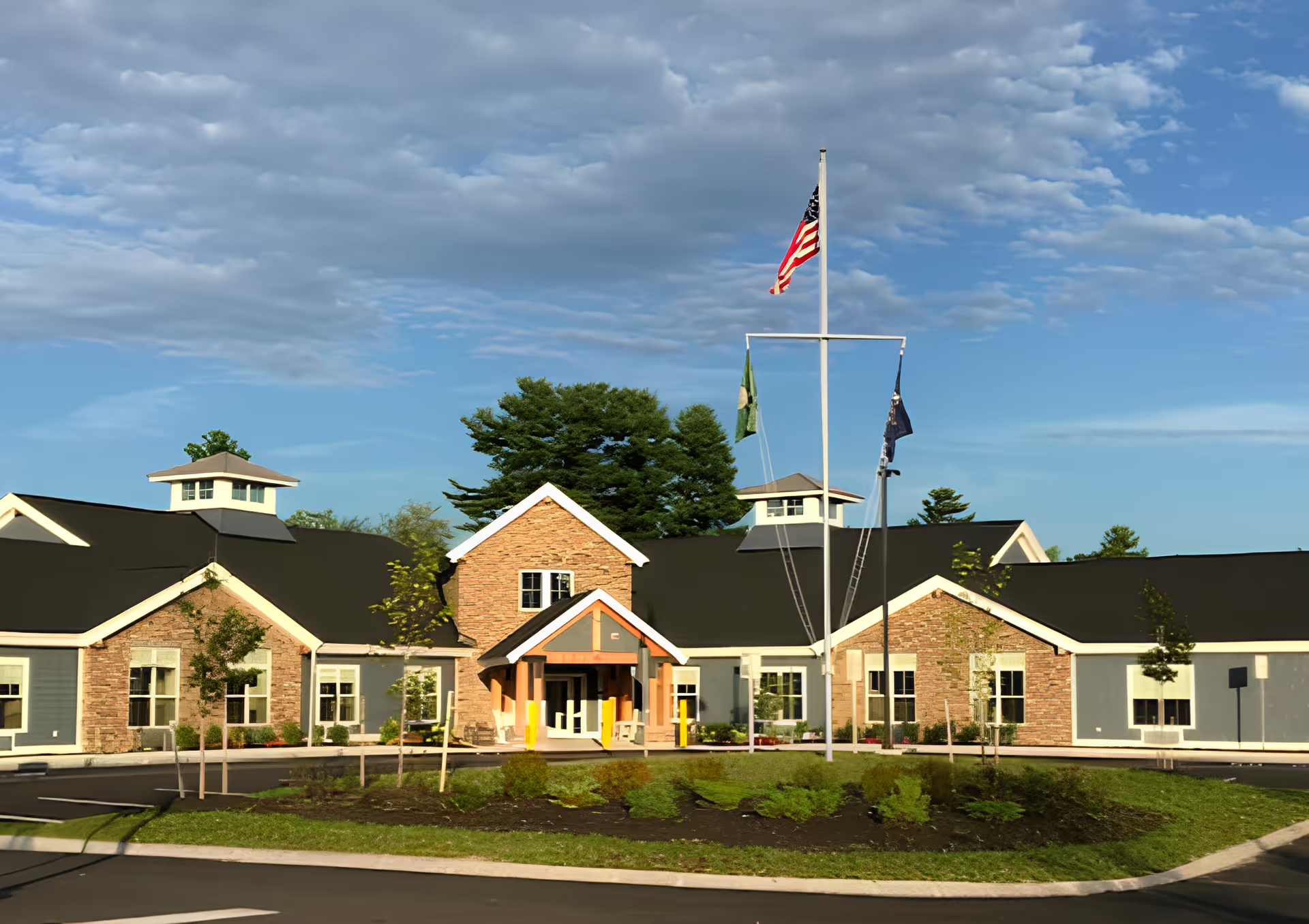
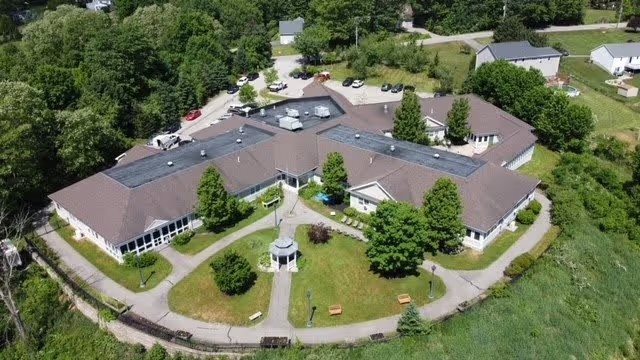
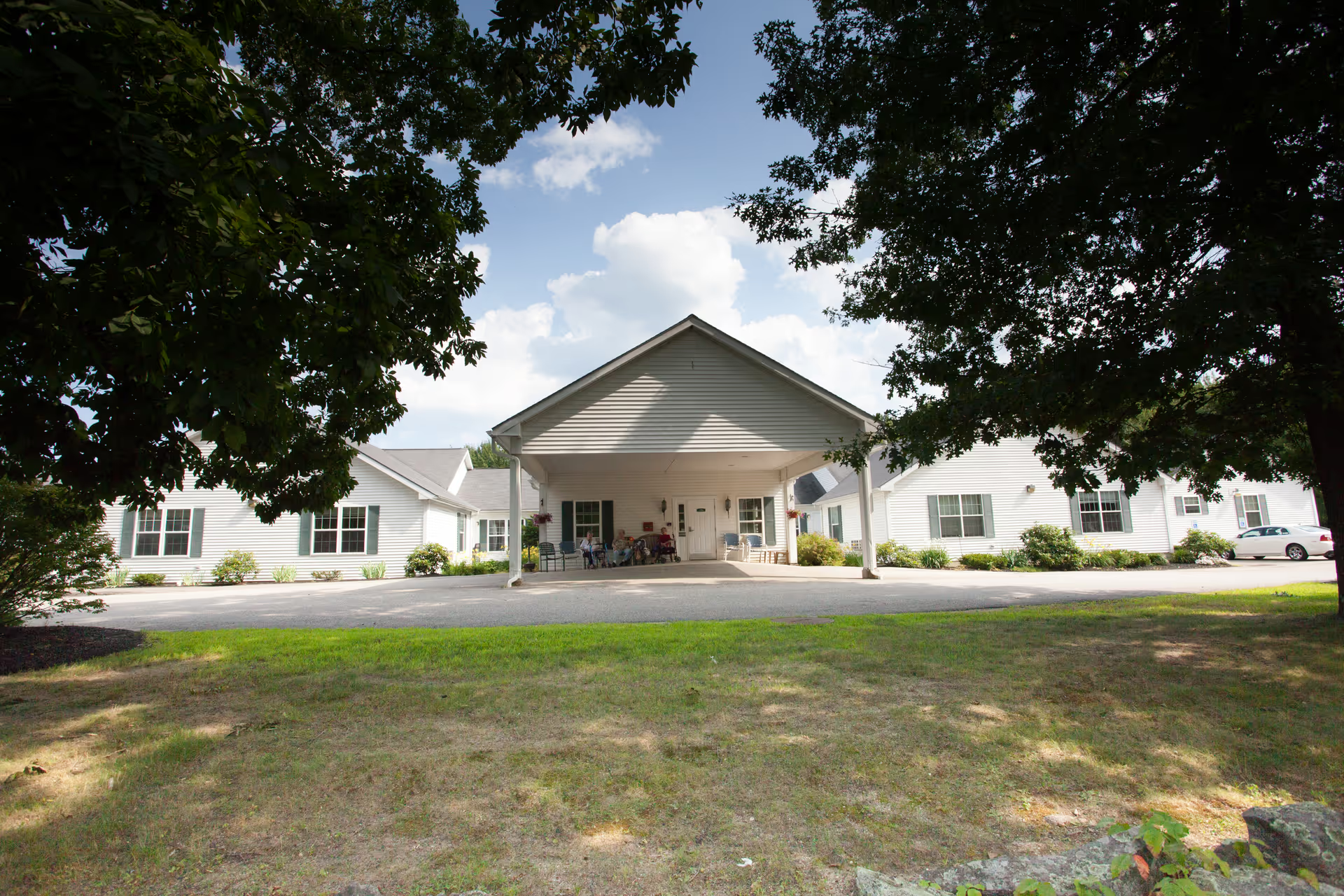
Facility upkeep and atmosphere receive favorable comments: rooms are described as tidy and peaceful, and communal spaces as welcoming. The small footprint contributes to a quieter, less institutional environment that many families preferred. Staff dedication and consistent engagement with residents—both clinical and social—are recurring themes.
Areas for prospective residents and families to probe further relate to admissions, transparency, and communication. Multiple comments raise concerns about long waitlists and extended timelines before placement is possible, and one summary described a lack of disclosure tied to an ownership change and dissatisfaction with the sales process. These indicate potential weaknesses in pre-admission communication, marketing clarity, and administrative transparency during management transitions. There are also notes about limited flexibility in room assignments and delays when transfers are requested, and some families expressed frustration with admission coordination and communication during transitional periods.
Taken together, Johnson Creek Village appears to offer high-quality, person-centered memory-care with active programming and a caring staff in a well-maintained, small-community setting. The primary operational caveats relate to admissions logistics, transparency around ownership/management changes, and communication processes. Prospective families should consider touring the community during activity periods, asking specifically about current waitlist length, policies for room changes and transfers, recent or planned ownership/management transitions, how such changes are communicated to families, and the facility’s approach to staffing ratios and care-plan coordination to ensure expectations align with practice.