Overall impression: Riverside Rest Home presents as a facility with a strong caregiving culture and an active social program, combined with operational limitations that prospective residents and families should weigh. Families and visitors frequently highlight the empathy and dedication of nurses, aides, social workers, therapists, and volunteers. Many describe an environment where staff develop personal relationships with residents and where activity staff organize varied, community-oriented outings and family-inclusive events.
Care quality and staff: Clinical caregivers are commonly described as compassionate and attentive, and physical therapy is often credited with measurable mobility improvements. Regular staff assignments and periodic care-plan reviews contribute to continuity for many residents. At the same time, a recurring operational issue is staffing levels: staff are frequently described as busy or overextended, which reviewers connect to delays in responsiveness, variable timeliness of personal care, and occasional inconsistencies in documentation. There are also isolated but serious claims relating to staff conduct and accountability that highlight the importance of administrative oversight.
Dining and nutrition: The facility’s cafeteria receives mixed feedback. Several families praise the food and describe robust cafeteria service and alternative meal options, while others note a decline in meal quality and slow service at times. This results in an inconsistent dining experience across different stays or time periods.
Activities and social life: Riverside’s activities department is a clear strength. Reviewers emphasize proactive programming, inclusive crafts and events, regular outings (lakes, fairs, shopping, military services), anniversary dinners and family-invited activities, and volunteer involvement. These offerings appear to enhance social engagement and contribute to a welcoming community atmosphere.
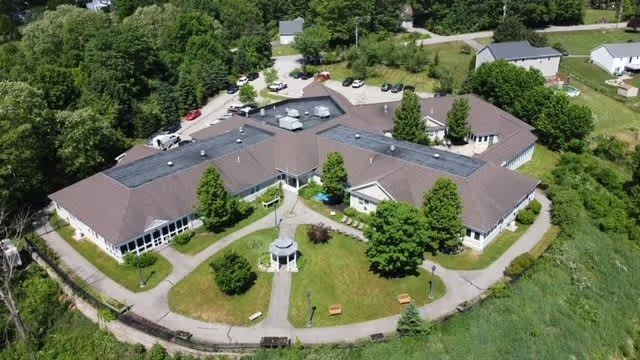
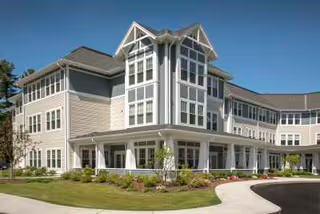
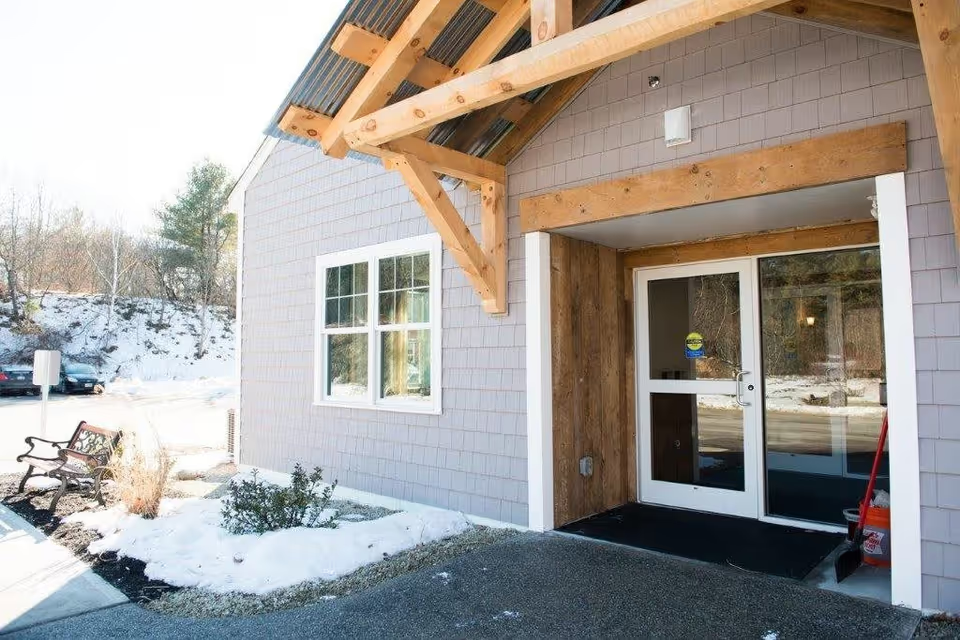
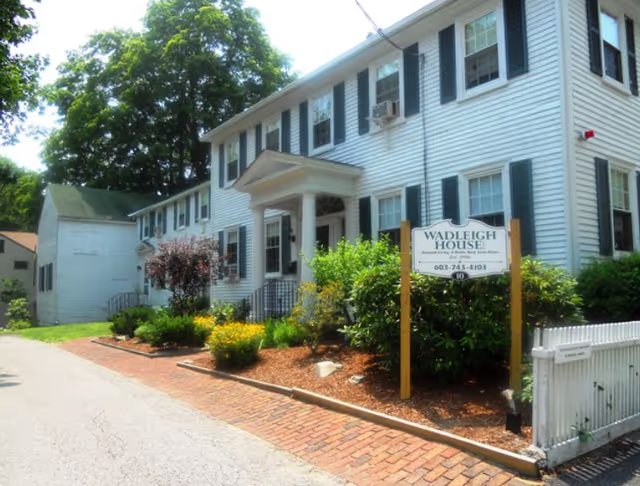
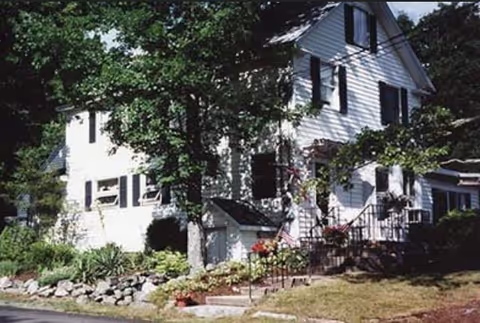
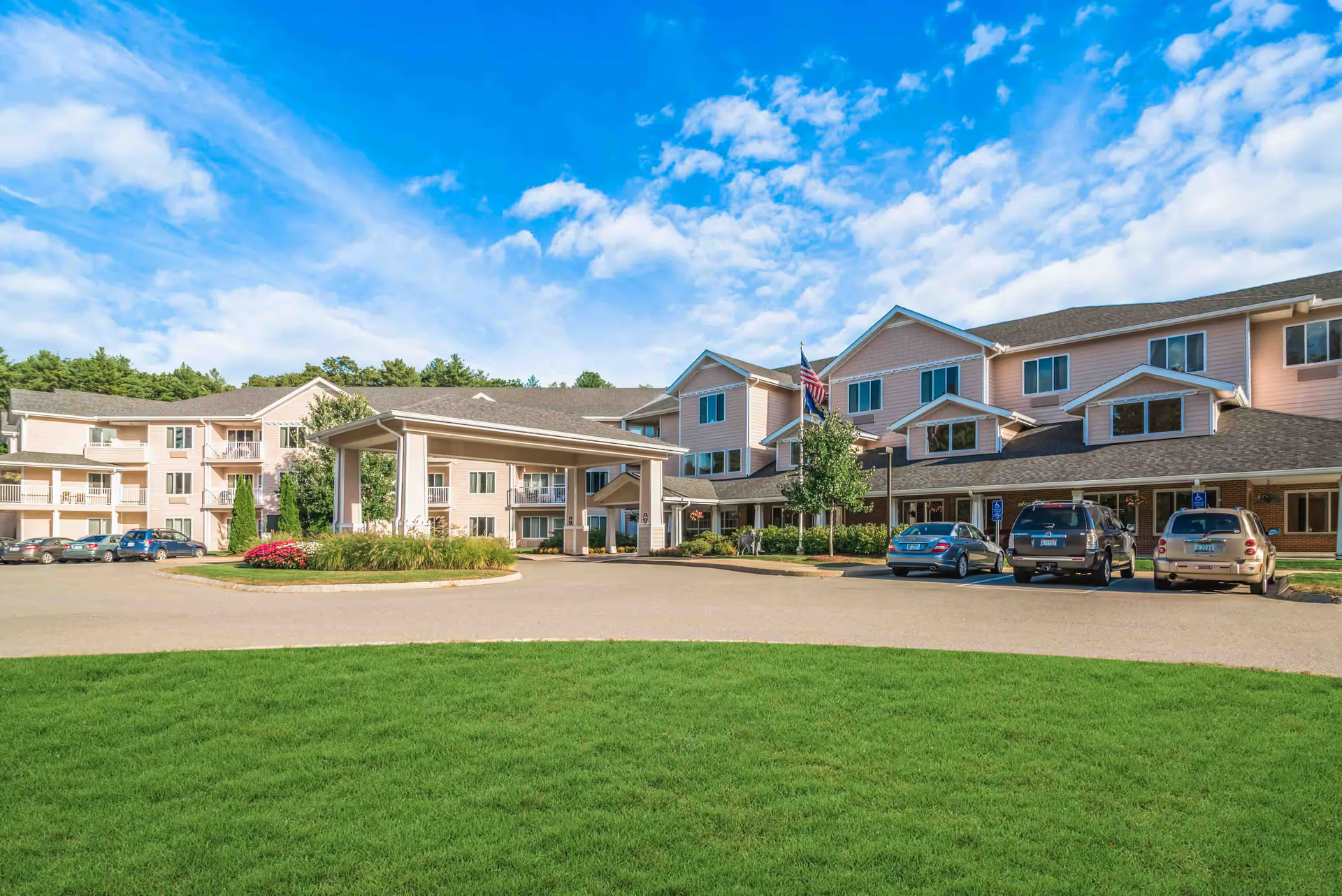
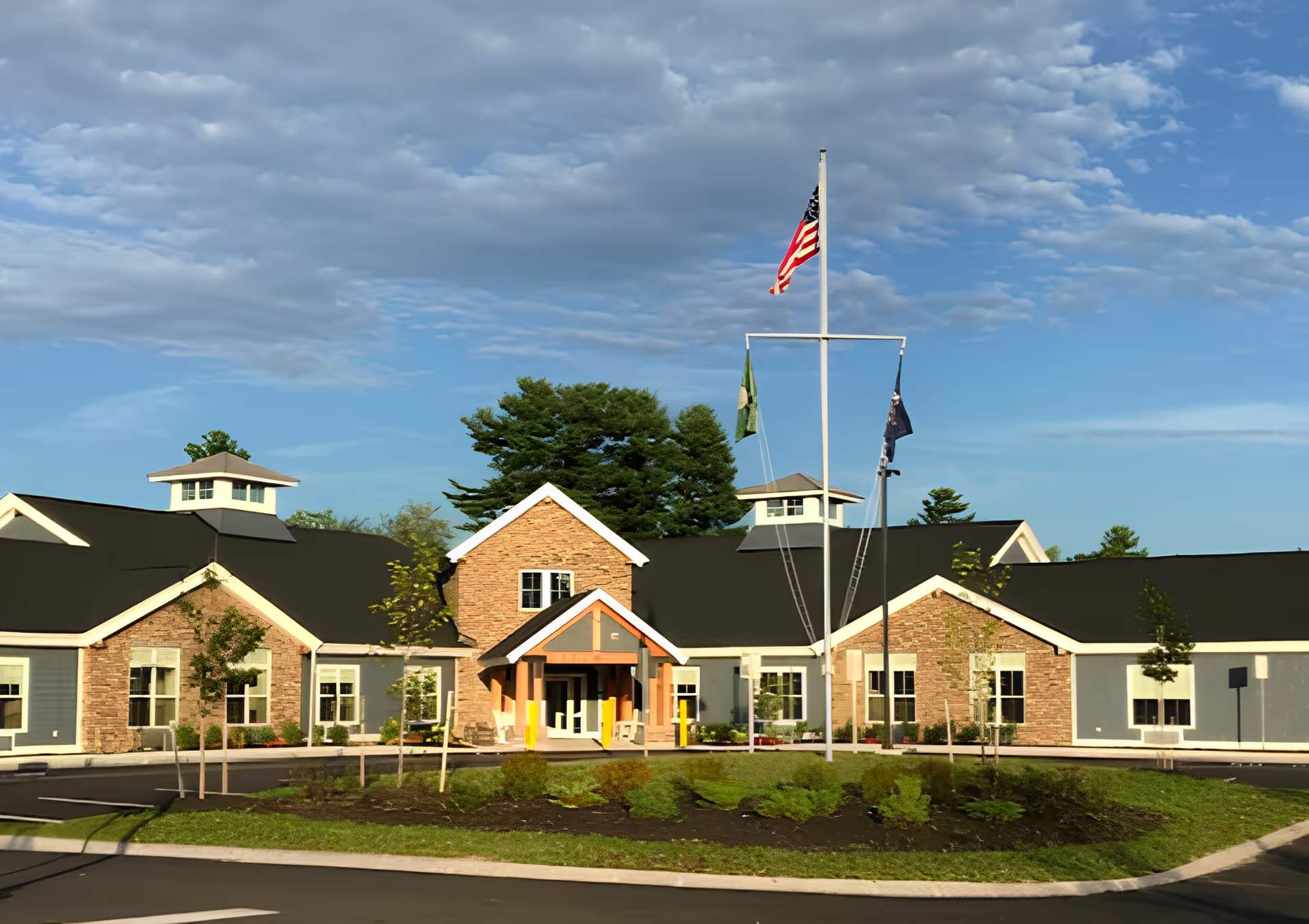
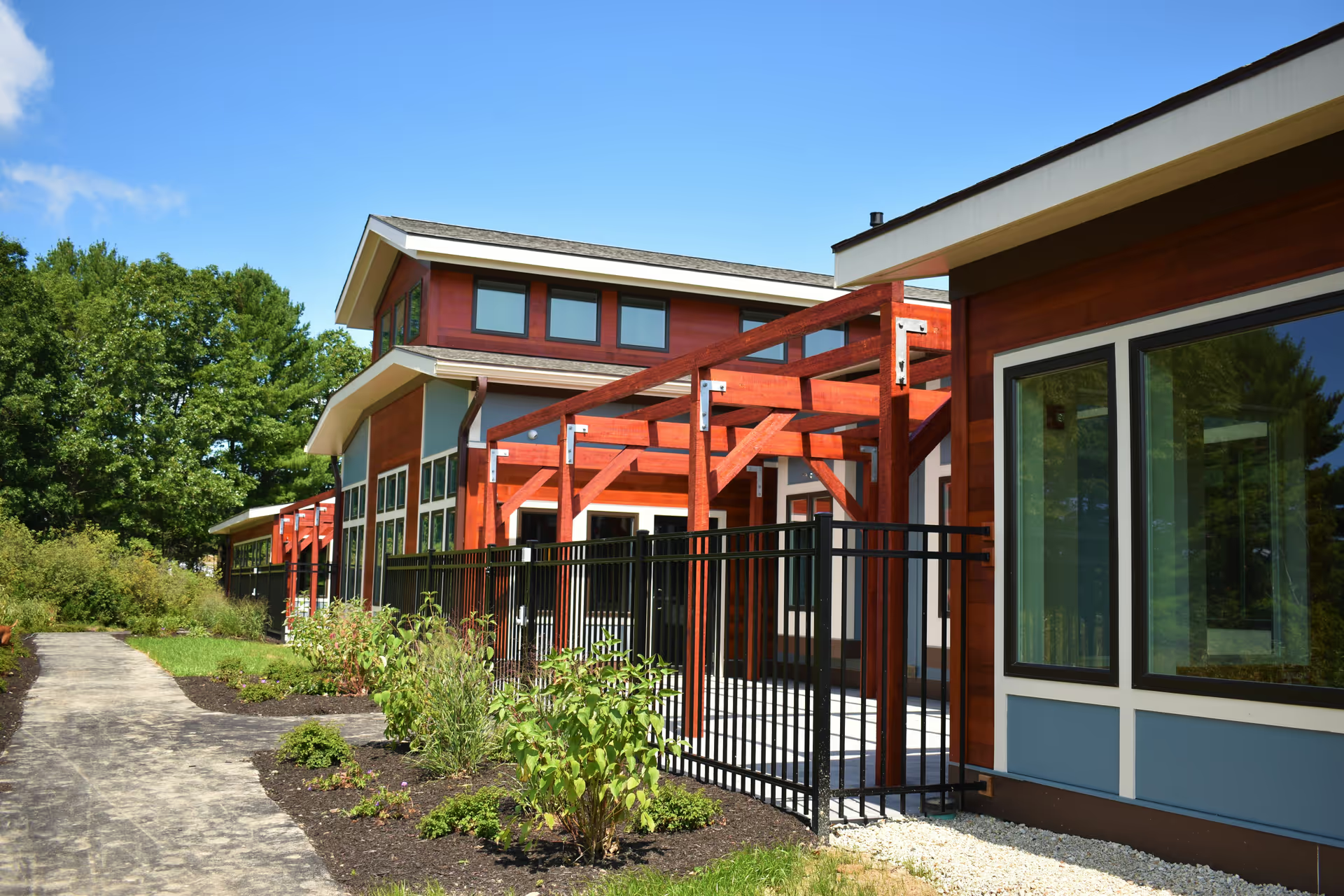
Facilities and maintenance: Common areas are frequently described as clean, well-maintained and spacious, with pleasant outdoor decorations and a pet-friendly presence at the front desk. However, the building is older, and reviewers describe limits related to infrastructure and amenities. Specific sanitation concerns in some bathrooms and cleaning processes were mentioned, indicating unevenness in environmental services that prospective residents should verify during a tour.
Management and operations: Reviewers note improvements over time but also point to persistent operational gaps: communication breakdowns with families, occasional inaccuracies in written reports, and limited availability of transportation to external medical appointments. There are also comments about limited specialty rehabilitation services on-site, which may necessitate external referrals for higher-level therapy. Serious individual allegations such as theft have been raised by some families, underscoring the need to ask about staff screening, supervision, and grievance processes.
Notable patterns and recommendations: The dominant pattern is one of strong, committed caregivers working within an older facility that faces staffing and operational constraints. Prospective residents and families should (1) ask about current staffing ratios and how the facility handles surge periods, (2) inquire about bathing and personal-care schedules and documentation practices, (3) confirm medication-management protocols and oversight, (4) review dining menus and meal-service timing, (5) verify availability of specialty rehabilitation and transportation options, and (6) ask how allegations of staff misconduct are investigated and resolved. A tour focused on observing mealtimes, activities, staffing during shift changes, and the state of resident bathrooms will help clarify how the facility’s strengths and weaknesses may affect an individual’s care experience.