St. Ann Rehabilitation and Nursing Center elicits a wide range of experiences. Many families and residents describe a strong clinical and rehabilitative focus: therapists, nurses, and nursing aides are frequently characterized as compassionate, attentive, and effective at returning residents to greater independence. Several accounts highlight successful discharge planning, collaborative multi-disciplinary care teams, and positive rehabilitative outcomes (PT/OT). The facility’s on-site chapel and access to religious services are noted strengths for residents seeking spiritual support.
Staff qualities are a clear driver of positive feedback. Reviewers frequently praise individualized, dignified interactions and high staff visibility on the units. When staffing is stable, families describe warm, family-like culture, clear communication, and coordinated care. That said, a recurring theme is operational inconsistency: some families report substantial staff turnover and staffing shortages that translate into long waits for assistance and delayed initiation of services after admission or transfer. There are also specific concerns about staff conduct and the tone of communication in certain cases; these accounts suggest variability in interpersonal interactions across shifts or teams.
Dining and activities receive mixed evaluations. Several reviewers praise meal quality and an upbeat dining environment, but others describe cold or unappealing food, inconsistent meal delivery, and in extreme cases missed meals with consequent weight loss during a stay. Activity programming and social engagement are strengths for higher-functioning residents and those who can participate in group offerings, including religious programming. However, families report that activities are less accessible or appropriate for residents with higher dependence or more advanced care needs.
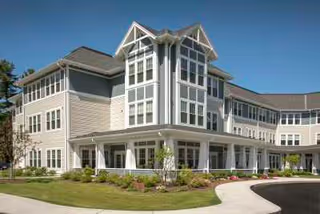
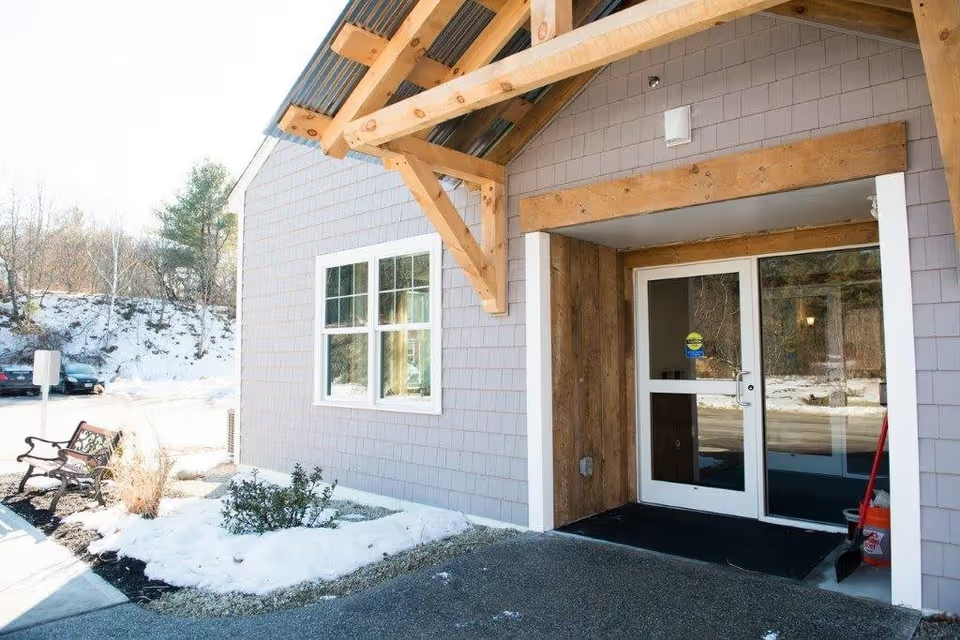
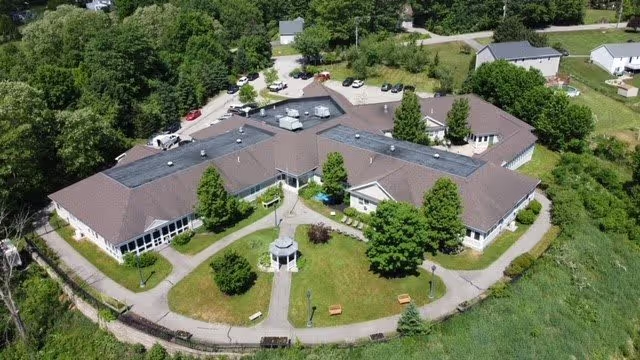
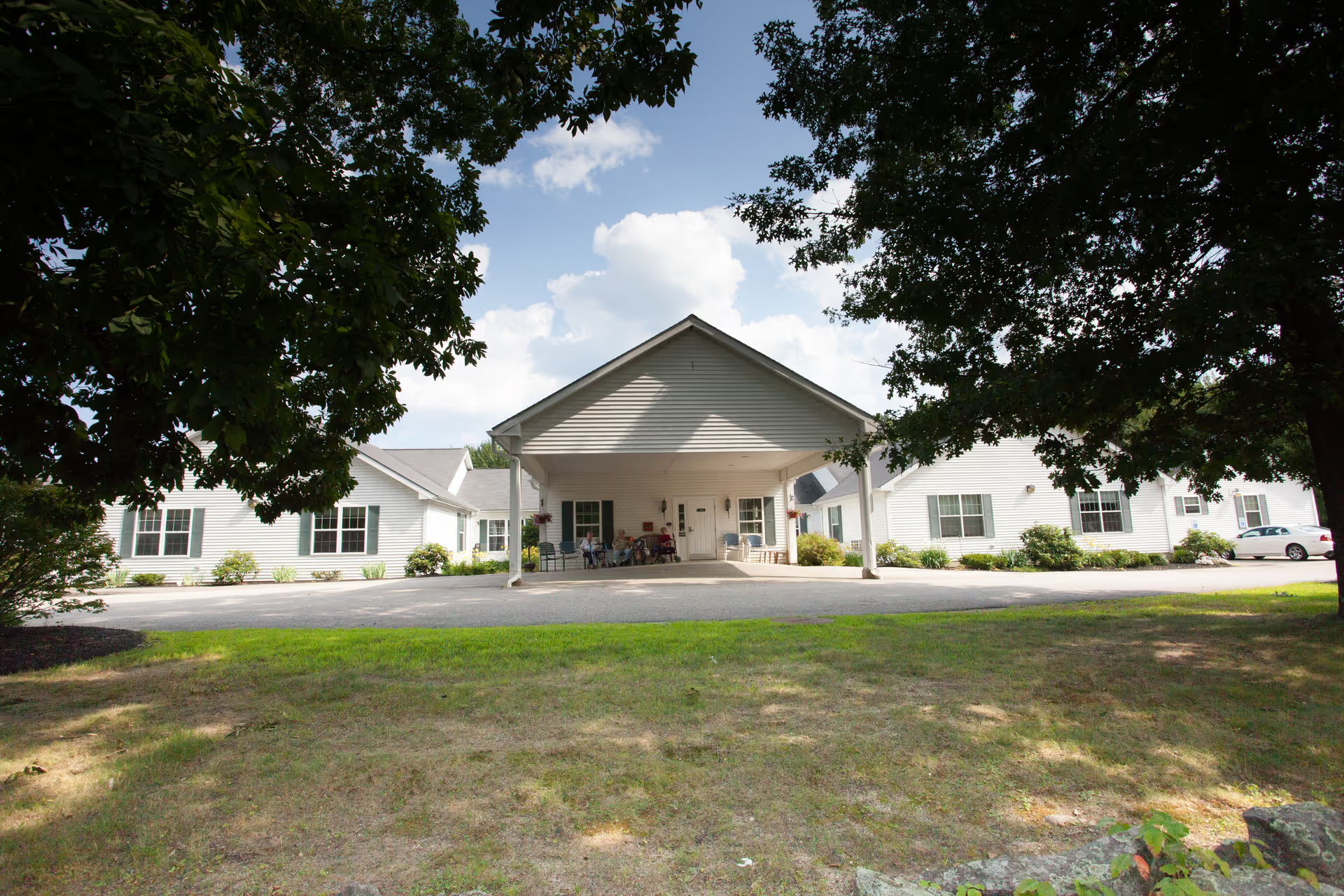
Facility condition is similarly mixed. Many reviewers describe clean, up-to-date, well-maintained interiors and private rooms that support resident dignity and privacy. Conversely, some families raised sanitation and housekeeping inconsistencies in particular rooms or areas, along with concerns about clutter and potential fire-safety hazards in resident rooms. These contrasting impressions point to variability in housekeeping and room maintenance across the building or over time.
Administrative performance shows a split pattern. Several families commend transparent communication, engaged administrators, and effective coordination of transfers and admissions. Others describe delayed or inaccurate communication from administration and social services, slow return calls, and problems coordinating discharge and nursing services during transitions. These gaps in administrative coordination are linked in some accounts to delayed clinical services and family dissatisfaction.
Overall pattern: the facility appears capable of delivering high-quality, compassionate rehabilitation and nursing care when staffing and coordination are functioning well. However, recurring operational issues—staffing instability, inconsistent housekeeping and meal delivery, and gaps in administrative communication—contribute to widely divergent family experiences. Prospective residents and families should consider visiting during mealtime and activity periods, ask for recent staffing and turnover information, review how discharge and admission transitions are coordinated, and clarify how activities are adapted for higher-dependency residents to assess how the facility’s strengths align with the prospective resident’s needs.