Langdon Place of Exeter is repeatedly described as a community with strong interpersonal strengths: reviewers emphasize compassionate, attentive staff, visible nursing leadership, and admissions and marketing personnel who assist families through move-in. Many families describe timely, transparent communication (including family Zoom forums), prompt maintenance and housekeeping, and a general sense that employees know residents by name. The facility offers on-site rehabilitation services (PT/OT), a heated indoor pool and whirlpool, and a formal dining room with table service; meals are generally praised for variety, desserts, and accommodations such as vegetarian options.
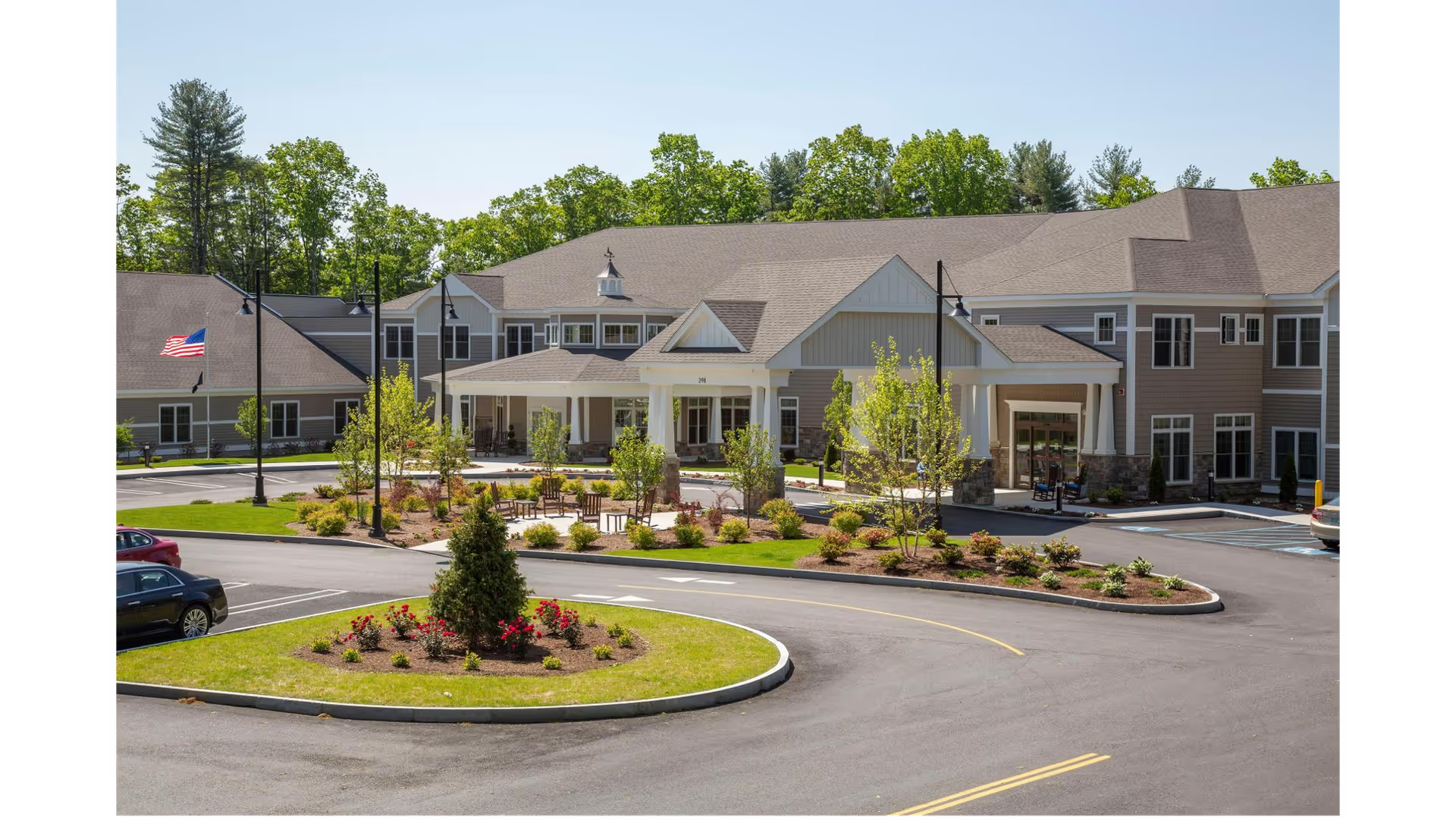
Activity programming is a notable strength. The community runs a wide range of social opportunities — happy hours, themed events (lobster cookouts, pig roasts, chocolate fests), music and sing-alongs, bowling-style activities, outings using a mini-bus, and more structured exercise classes. Families report that the activities and social calendar contribute to residents’ social engagement and mobility improvements. The campus and common areas are frequently described as clean, well-maintained, and welcoming, with outdoor sitting areas, gardens, and walkable grounds that support a small-community feel.
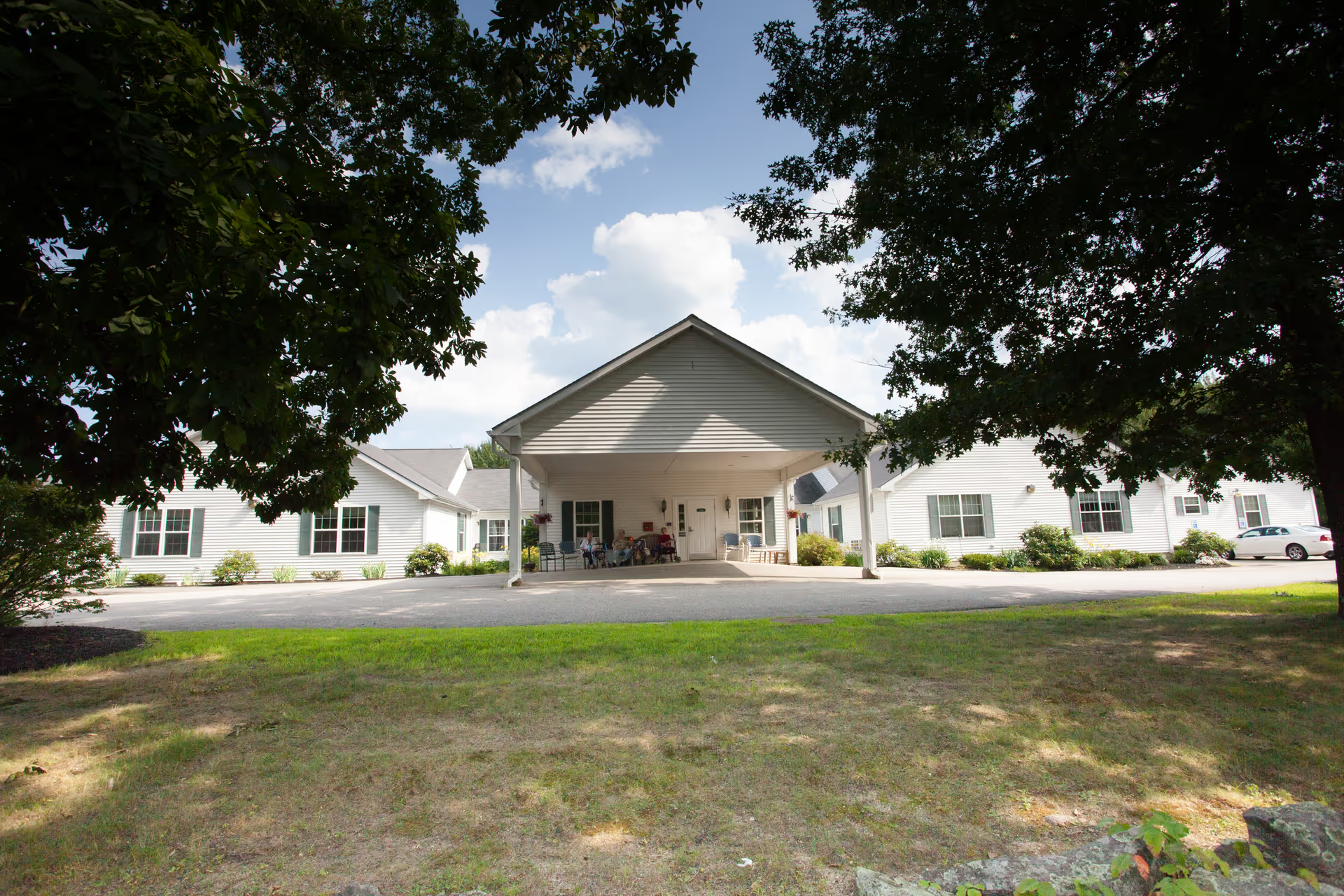
Operationally, several recurring themes suggest areas for prospective residents and families to evaluate further. Reviewers point to variability in nursing coverage and day-to-day clinical consistency; relatedly, a small number of reviews raised an allegation of problematic medication escalation and gaps in clinical monitoring, which families found significant. Transportation for medical appointments is available but described as limited in scheduling (specific appointment-day constraints), so families should confirm logistics for routine and specialist visits. Pool access and some amenity uses are reported to be restricted by supervision requirements, which can limit casual resident access. Some reviewers also note that portions of the facility are older or have smaller, darker apartments; prospective residents should tour units to assess size, lighting, and layout.
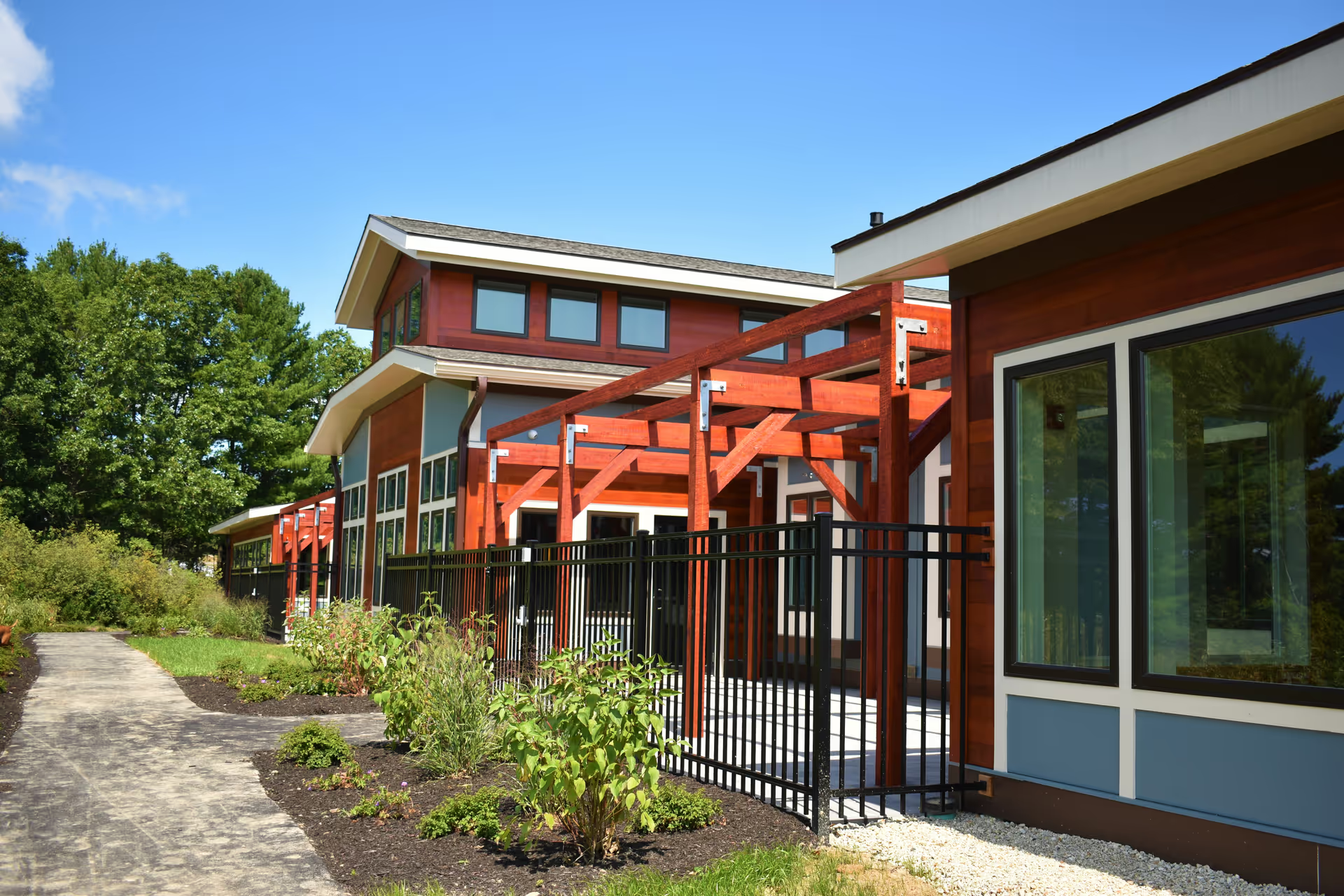
Management and placement logistics are mixed in the commentary. Many families praise responsive leadership and quick issue resolution, while others describe occasional lapses in operational communication or unclear placement/discharge policies. Memory-care capacity can be constrained (wait lists or unavailability were noted), and reviewers indicate variability in the memory-care atmosphere compared with the broader assisted/independent living areas. Finally, activity programming is broad but not perfectly comprehensive — some residents expressed desire for additional low-intensity crafts and dance options.
Overall, Langdon Place of Exeter is characterized by strong person-centered caregiving, an active social environment, robust dining and rehabilitation offerings, and well-kept grounds. Families considering the community should prioritize in-person assessment of clinical staffing patterns, medication oversight practices, unit condition and layout, transportation scheduling, and memory-care availability to ensure the facility’s operational details match their clinical and lifestyle needs.