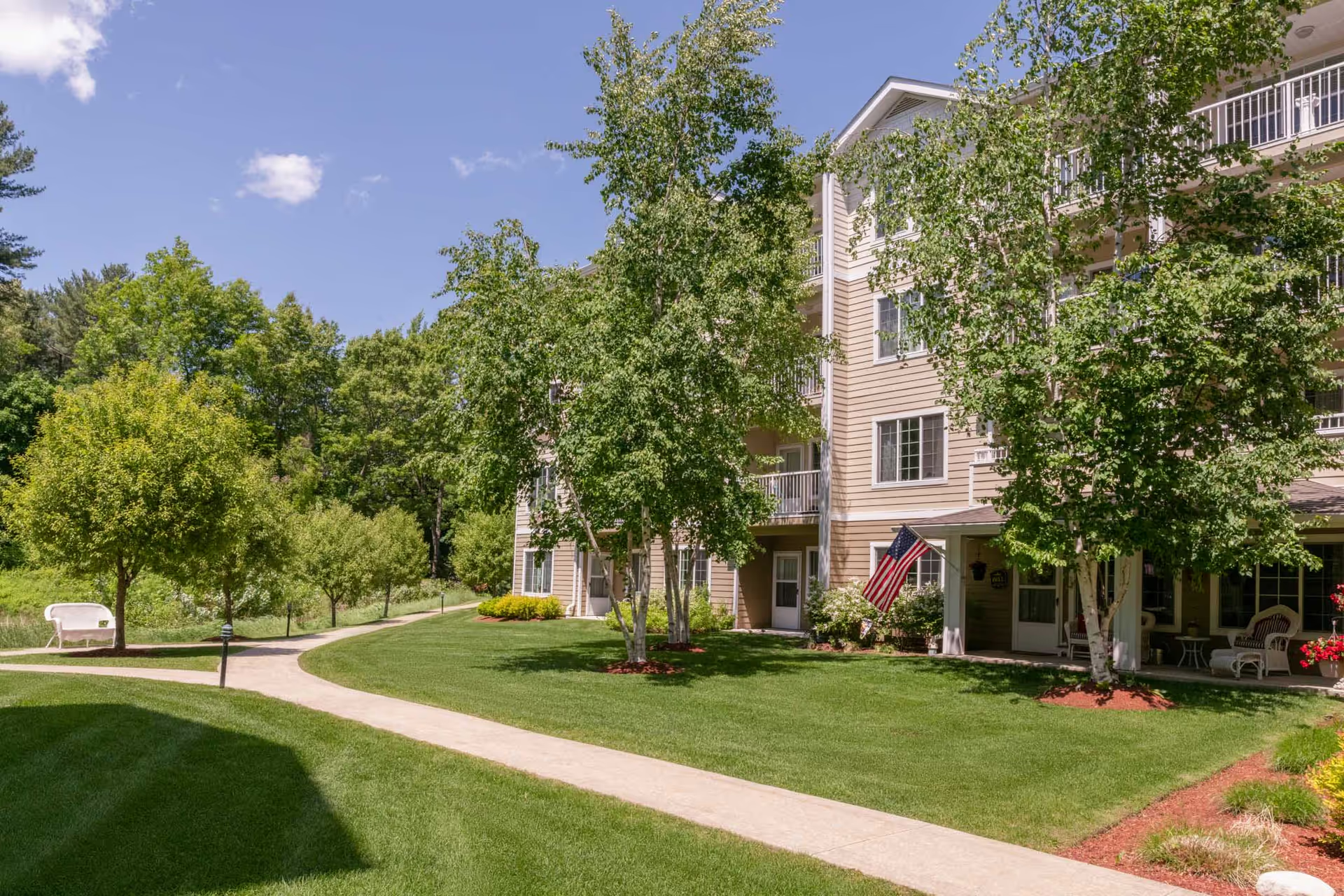
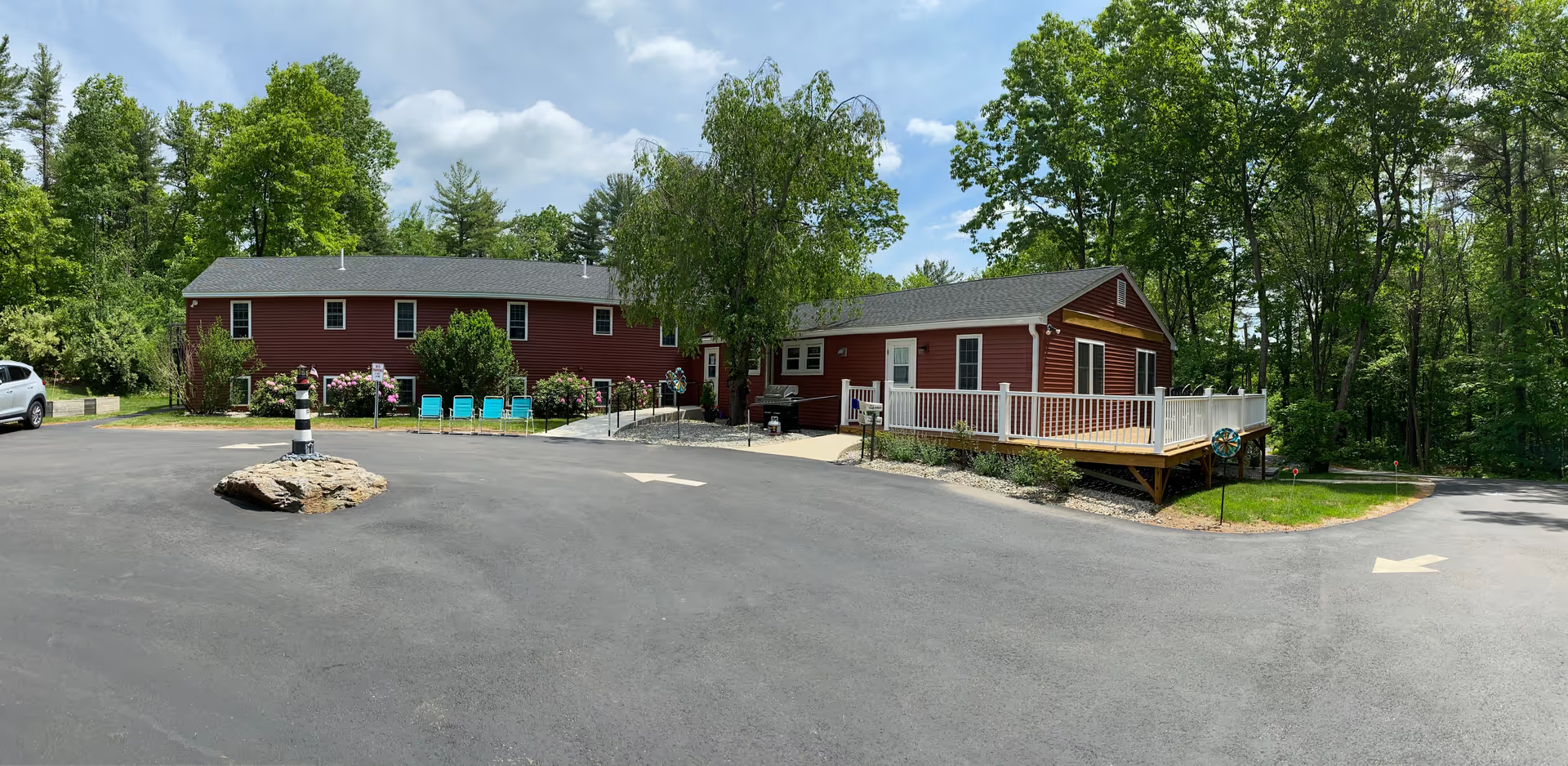
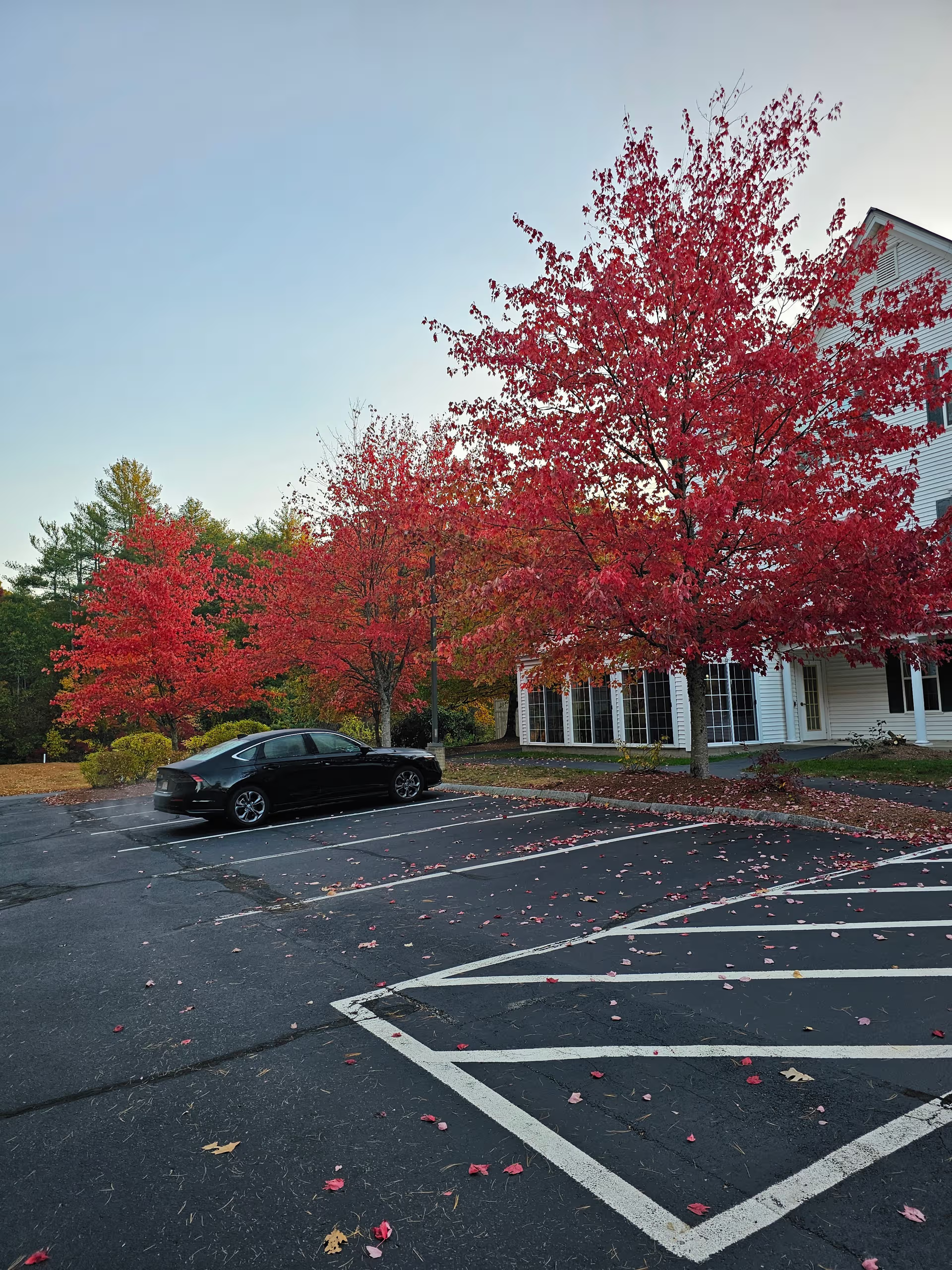
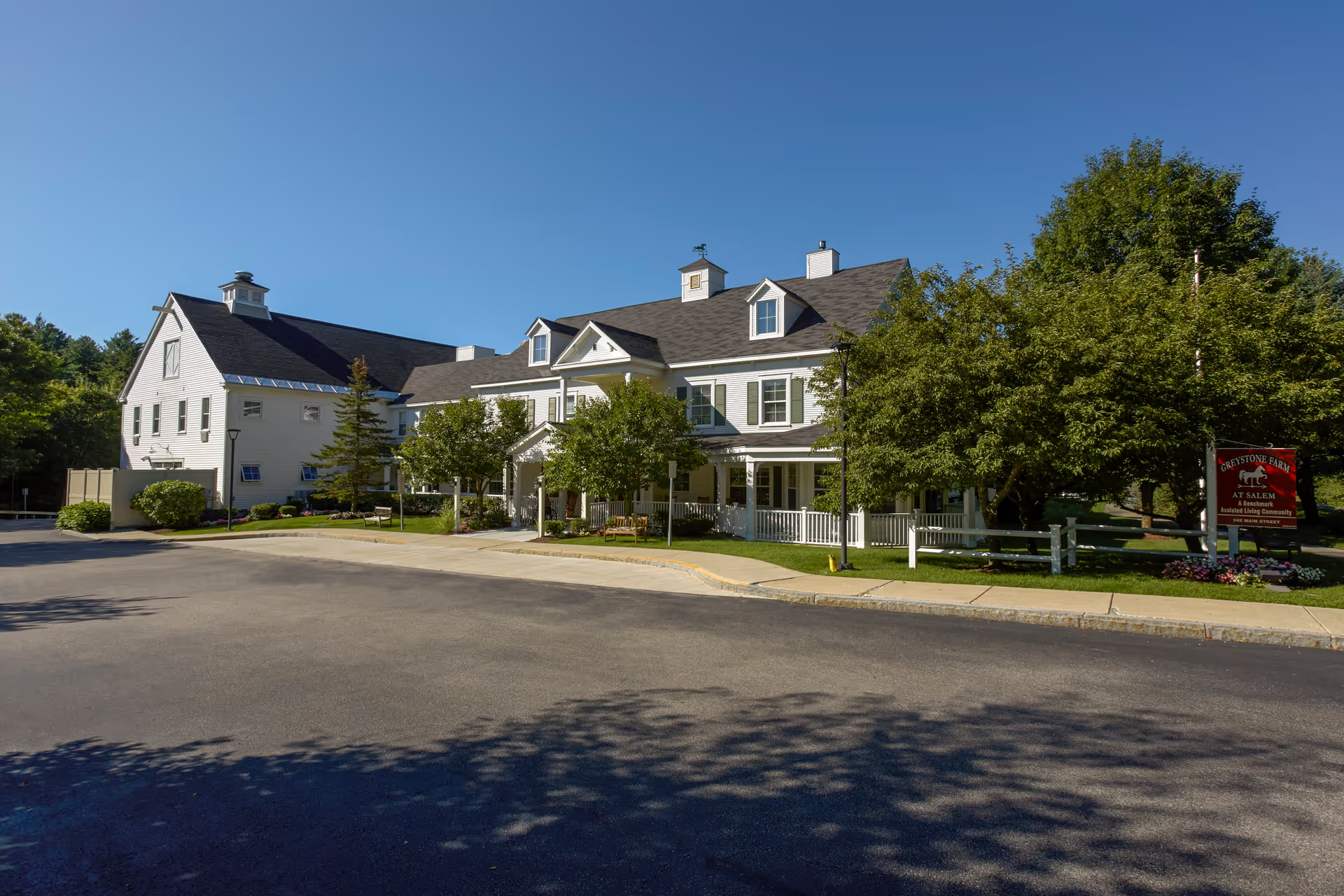
All American Assisted Living at Londonderry is described predominantly as a newer, well-maintained community with bright, spacious apartments and a range of on-site conveniences. Reviewers frequently highlight the facility’s modern design, tasteful common areas, and practical amenities such as a barber shop, beauty salon, mini market, and a hotel-like dining room. The community offers a variety of unit types including two-room companion suites and private studios, plus a dedicated memory-care neighborhood, which many families found helpful when care needs progressed.
Care and staffing are central themes in the feedback. Many families praise front-line caregivers, nurses, and activities staff as compassionate, personally engaged, and skilled in medication management and personal assistance. Several reviewers specifically noted strong clinical supports including on-site physical and occupational therapy and specialized Parkinson’s programs (LSVT BIG/LOUD and Speak Out). At the same time, there are recurring operational concerns: inconsistent staffing levels that can produce delays in non-urgent assistance, uneven follow-through on non-clinical requests, and variability in management responsiveness. There are also more serious allegations of staff misconduct and billing irregularities mentioned by some families; these items warrant direct inquiry during tours and contract reviews.
Dining and activities are frequently cited as strengths. The dining room ambiance and variety of meal choices receive positive comments, and the activity program is described as robust — with music, themed events, outings, exercise classes, games, and opportunities for social engagement, including a roommate model that some residents find socially beneficial. However, a subset of reviewers noted variability in meal quality and dining-service continuity, and concerns about dining staffing levels during some service periods.
Operational gaps appear most consistently around personal-item management, laundry handling, and a small number of pest-control incidents. These issues suggest process and logistics weaknesses rather than universal sanitation failures; prospective families should ask about laundry procedures, lost-item policies, pest-control protocols, and recent corrective actions. Another operational theme is policy rigidity — a strict one-strike admission/behavior rule was cited as limiting flexibility for some residents with mobility or behavior needs.
Overall, the facility earns praise for its environment, activities, clinical programming, and many of its staff — offering good value and proximity for families. The principal trade-offs identified by reviewers are variability in staffing and management follow-through, occasional lapses in personal-item and laundry controls, intermittent dining-service inconsistencies, and isolated but serious concerns that merit direct verification. Prospective residents and families would be advised to tour multiple times, meet caregiving and management staff, review contract and billing terms, ask for documentation of pest-control and staffing ratios, and seek references from current families to get a balanced sense of day-to-day performance.