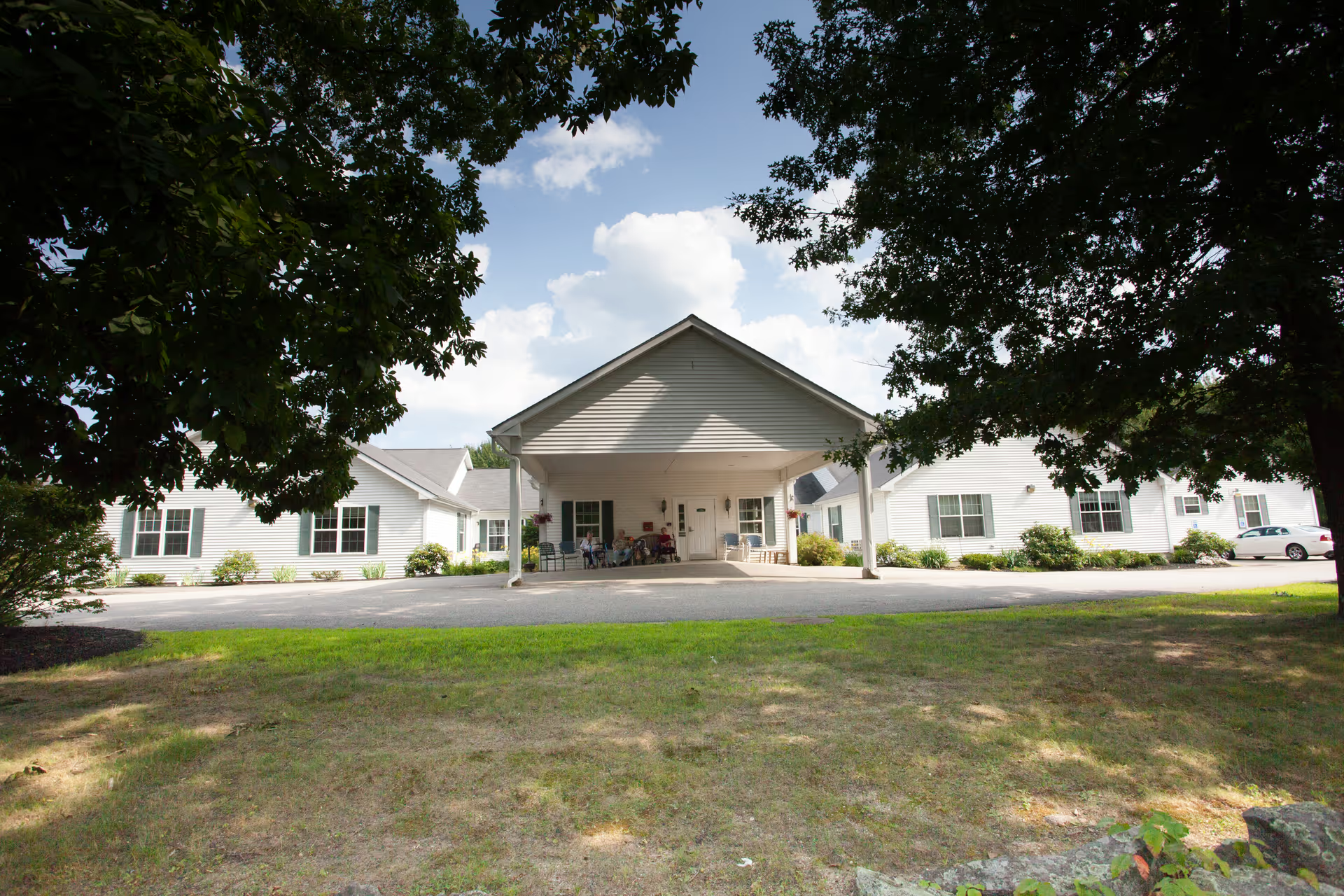
The collected reviews suggest a facility that provides multiple levels of care on the same campus, including an on-site memory-care option (Langdon Place) and rehabilitation/therapy services. While the availability of these service lines is a structural strength, multiple operational weaknesses were described that affect the overall care experience.
Care quality and clinical management were frequent areas of concern. Reviewers described problems that point to gaps in medication-management processes (frequent changes, dosing concerns, and consent issues), inconsistent clinical monitoring, and infection-control challenges. Several accounts referenced clinical deterioration and subsequent complications; reviewers also raised hydration and general clinical-assessment concerns. The rehabilitation program is present but was characterized by some families as ineffective or inconsistent in delivering measurable improvement.
Staffing and day-to-day operations appear uneven. Families reported needing to repeatedly prompt staff for updates or assistance, suggesting unreliable responsiveness and follow-through. Documentation and record-keeping deficiencies were also described, including missing paperwork and inconsistent care notes, which can complicate care continuity and handoffs. Equipment and transfer practices were questioned in at least one account, indicating potential safety and maintenance gaps.
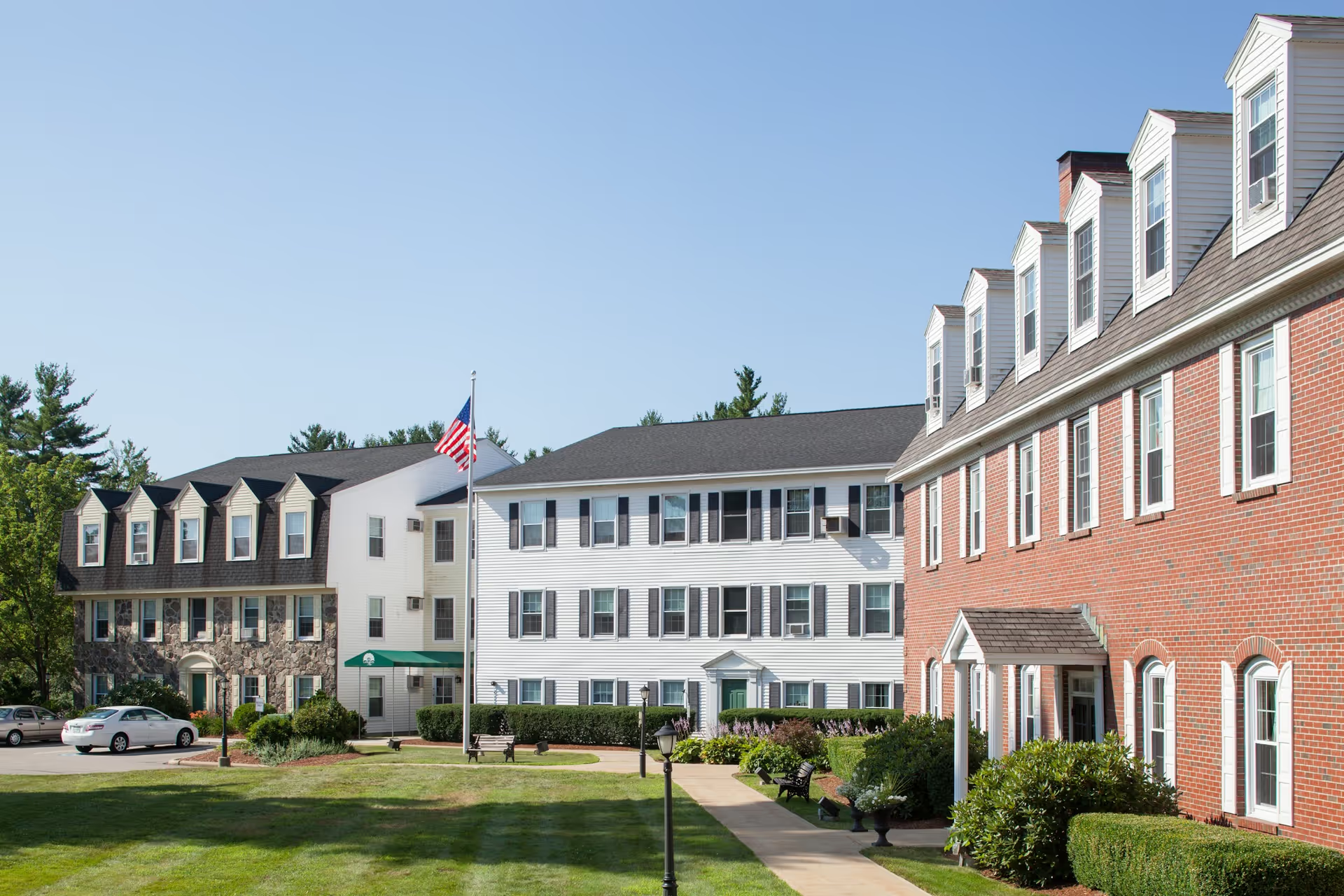
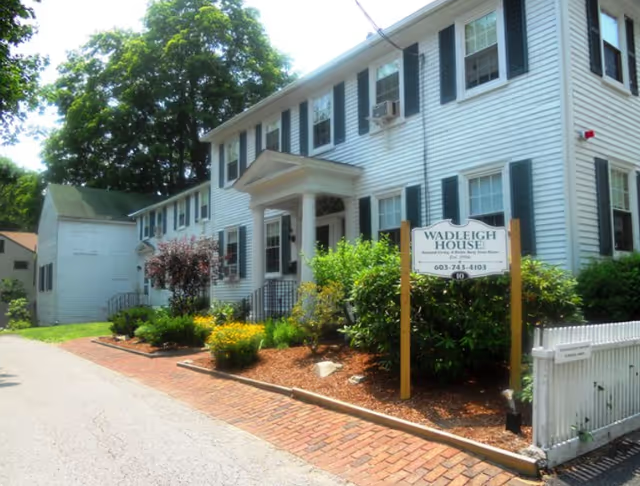
Facility condition and resident environment were additional themes. Reviewers cited cleanliness and laundry/property-management issues (missing clothing and personal items, room cleanliness concerns) and noted an overall tired appearance with limited accessibility features such as walk-in showers. These physical and environmental shortcomings contribute to perceptions of diminished value, especially given comments that costs are higher than local alternatives with more amenities.
Management, transparency, and care coordination emerged as recurring managerial concerns. Accounts included administrative communication failures (logistics errors such as transport/address mistakes) and assertions that leadership was not forthcoming when families raised issues. There were also suggestions of strained relationships with external clinicians in some instances. Taken together, these patterns indicate weaknesses in administrative oversight and family communication processes.
There was little consistent feedback about dining or programming in the provided summaries; absence of positive commentary on activities and food suggests these areas did not stand out to reviewers one way or the other in the sampled feedback. Prospective residents and families should weigh the availability of memory care and on-site therapy against operational concerns listed above. If considering this facility, arrange detailed, documentable conversations with leadership about medication protocols, staffing ratios and responsiveness, infection-control procedures, laundry/property safeguards, and specific environmental accommodations (for example, walk-in showers) before finalizing placement.