Feedback for Lilac View is mixed, with distinct positive themes around day-to-day caregiving and the physical environment, and distinct operational concerns related to clinical oversight, communication, and management practices. Several reviewers praised the facility's clean, pleasant atmosphere and highlighted caregivers who demonstrate compassion and attend to residents' personal and medical needs. Families also described useful transition support at admission and timely updates from staff in some cases, and many comments characterized residents as happy and families as willing to recommend the community.
Care quality appears variable. Positive comments emphasize respectful treatment, dignity, and staff who ‘‘go the extra mile’’ for personal care and medical assistance. At the same time, there are consistent operational concerns about clinical coverage: a limited on-site presence of licensed nursing staff, reports that medications are administered by non-licensed personnel, and a perceived lack of dementia-specific training for frontline staff. These issues suggest potential gaps in clinical protocols and staff training that prospective families should verify during a tour and through direct questions about licensing, medication policies, and dementia-care competencies.
Staffing and communication show a polarized pattern. Many reviewers describe helpful, highly qualified, and responsive team members; others report unprofessional conduct, unresponsiveness, and unanswered phone lines. The facility’s communication infrastructure was specifically noted as uneven — examples include no in-room phones and difficulty reaching staff by phone — which can limit family access and oversight. This variability corresponds with remarks about inconsistent professionalism and responsiveness among employees, indicating that staff performance and responsiveness may differ by shift or team.
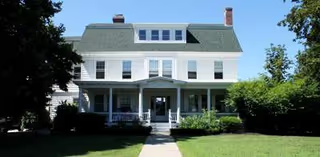
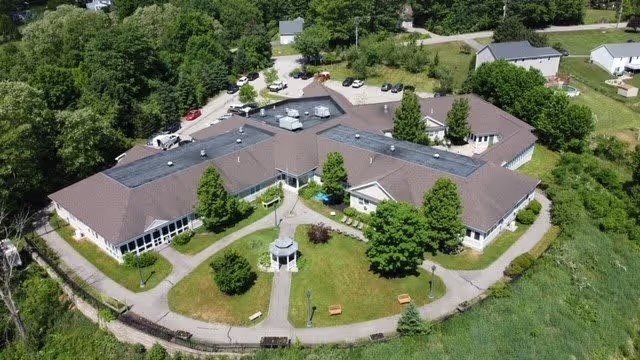
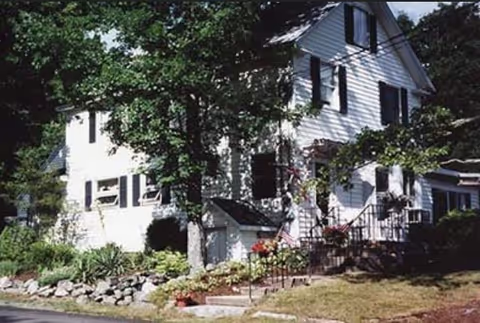
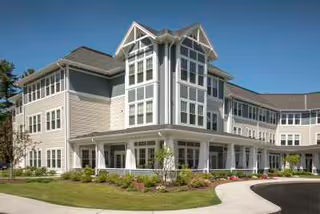
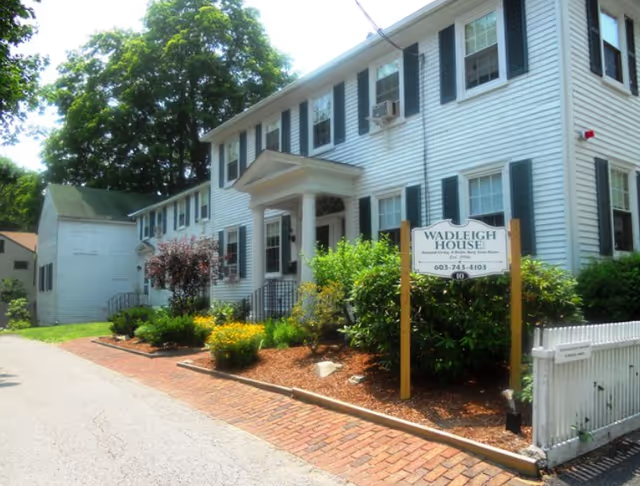
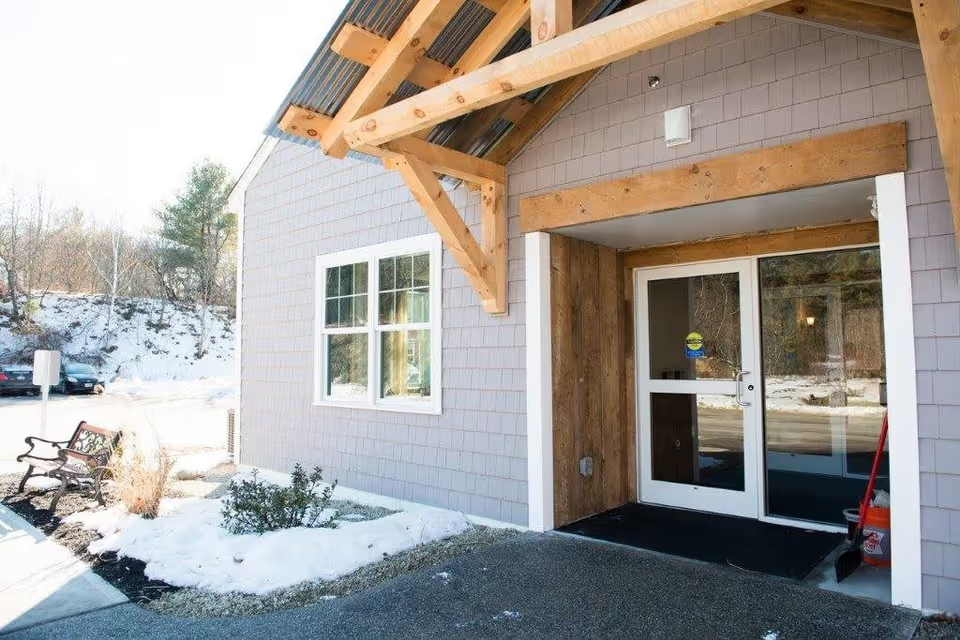
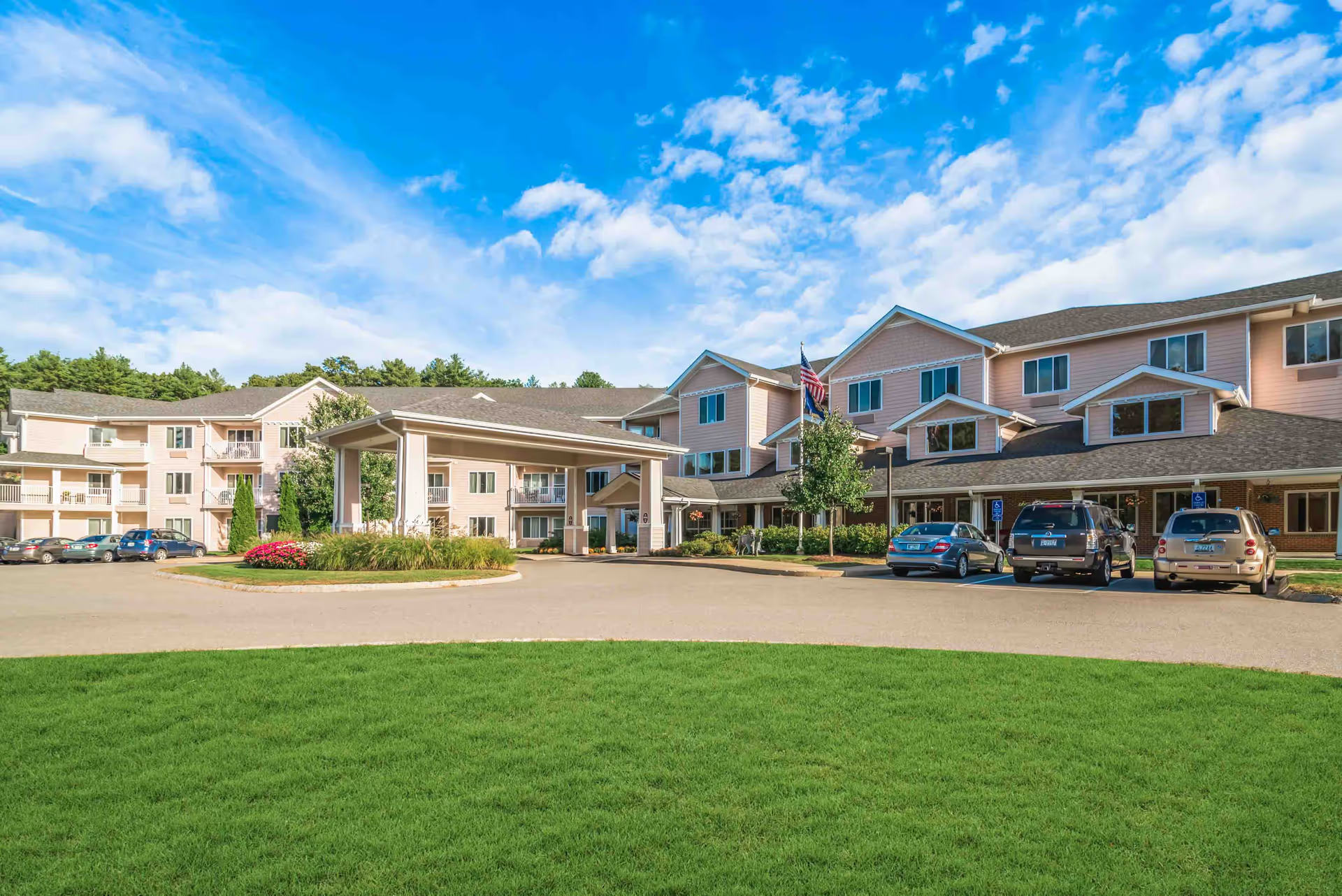
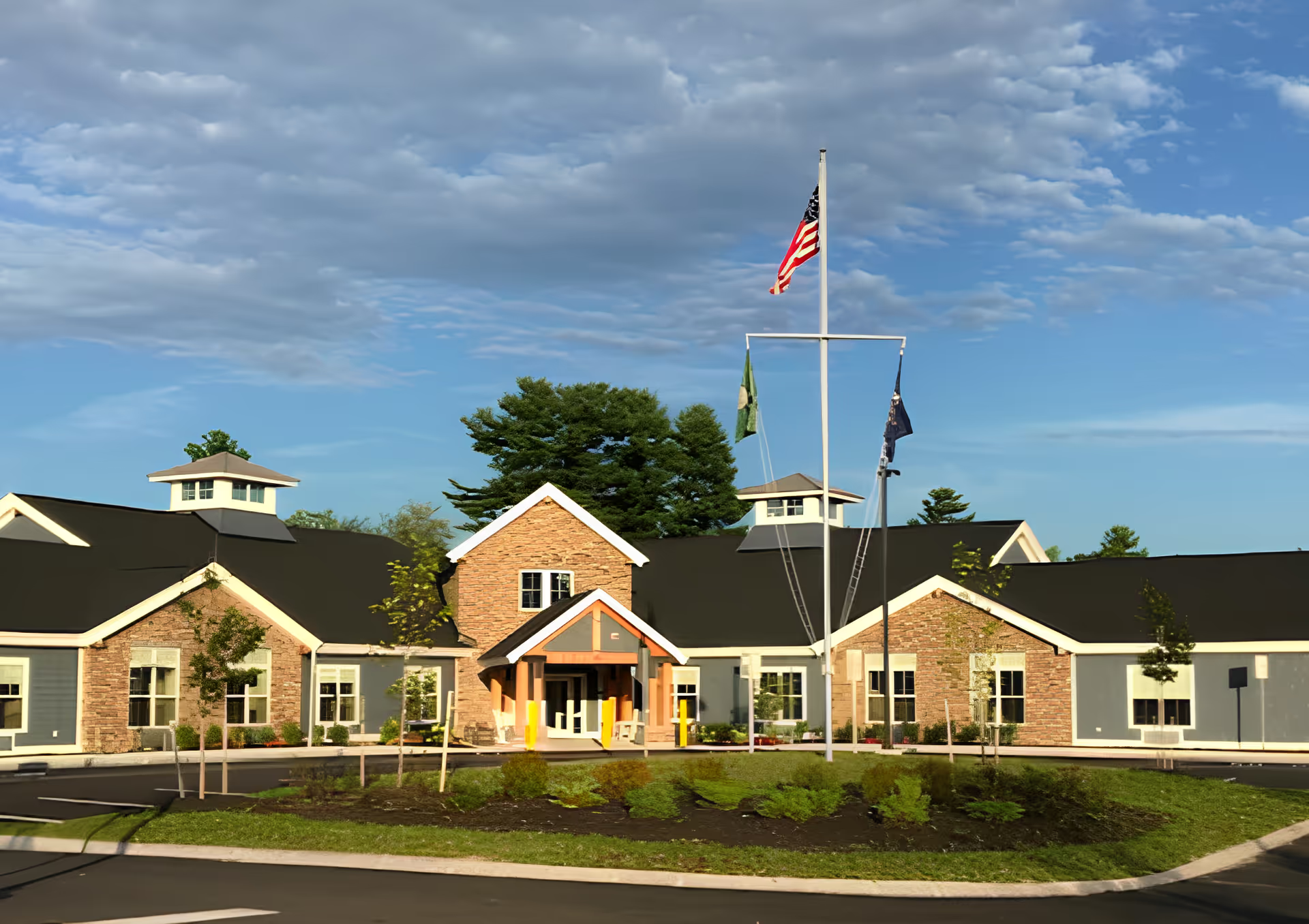
Facilities and day-to-day living were generally cited as strengths: reviewers used terms like ‘‘very clean’’ and ‘‘beautiful facility,’’ and mentioned a friendly environment where residents appear content. There is limited specific information about dining and formal activity programming in the available feedback; reviewers did not supply detailed commentary on meal quality or the schedule of activities. Prospective families should ask for menus, activity calendars, and opportunities to observe mealtimes and programs during a visit.
Management and policy issues are another area of concern. Comments reference a range of behavior and policy-related problems, from perceived unprofessional conduct by ownership/management to allegations concerning financial practices. Operational policies also drew criticism — for example, expectations around maintenance tasks such as snow shoveling — pointing to unclear or possibly inappropriate assignment of responsibilities. Additionally, reviewers raised safety-monitoring questions and recommended enhanced monitoring (for example, camera use), suggesting families should review the facility’s safety protocols, emergency response procedures, and monitoring systems.
Overall, Lilac View shows evident strengths in caregiver compassion and facility upkeep but also has recurring operational weaknesses that merit careful inquiry. Recommended actions for prospective residents and families include: confirm licensed nursing coverage and medication-administration policies; request documentation of dementia-care training and staff credentials; review communication systems (in-room phone options, call-answering procedures); ask about safety monitoring and emergency response protocols; and discuss financial policies and maintenance responsibilities with management. These targeted questions will help clarify whether the operational controls in place align with a family’s expectations for clinical oversight, communication, and management transparency.