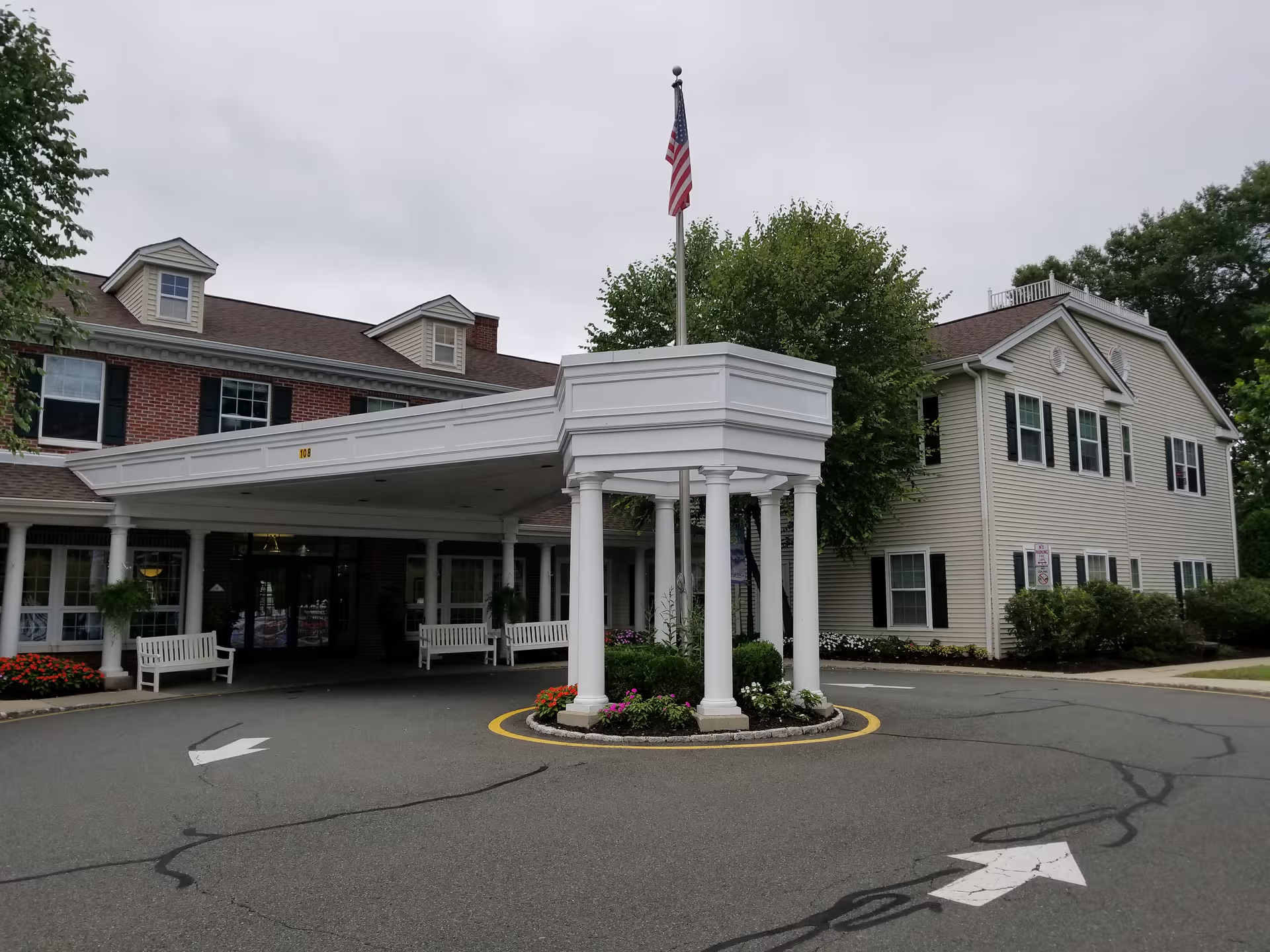
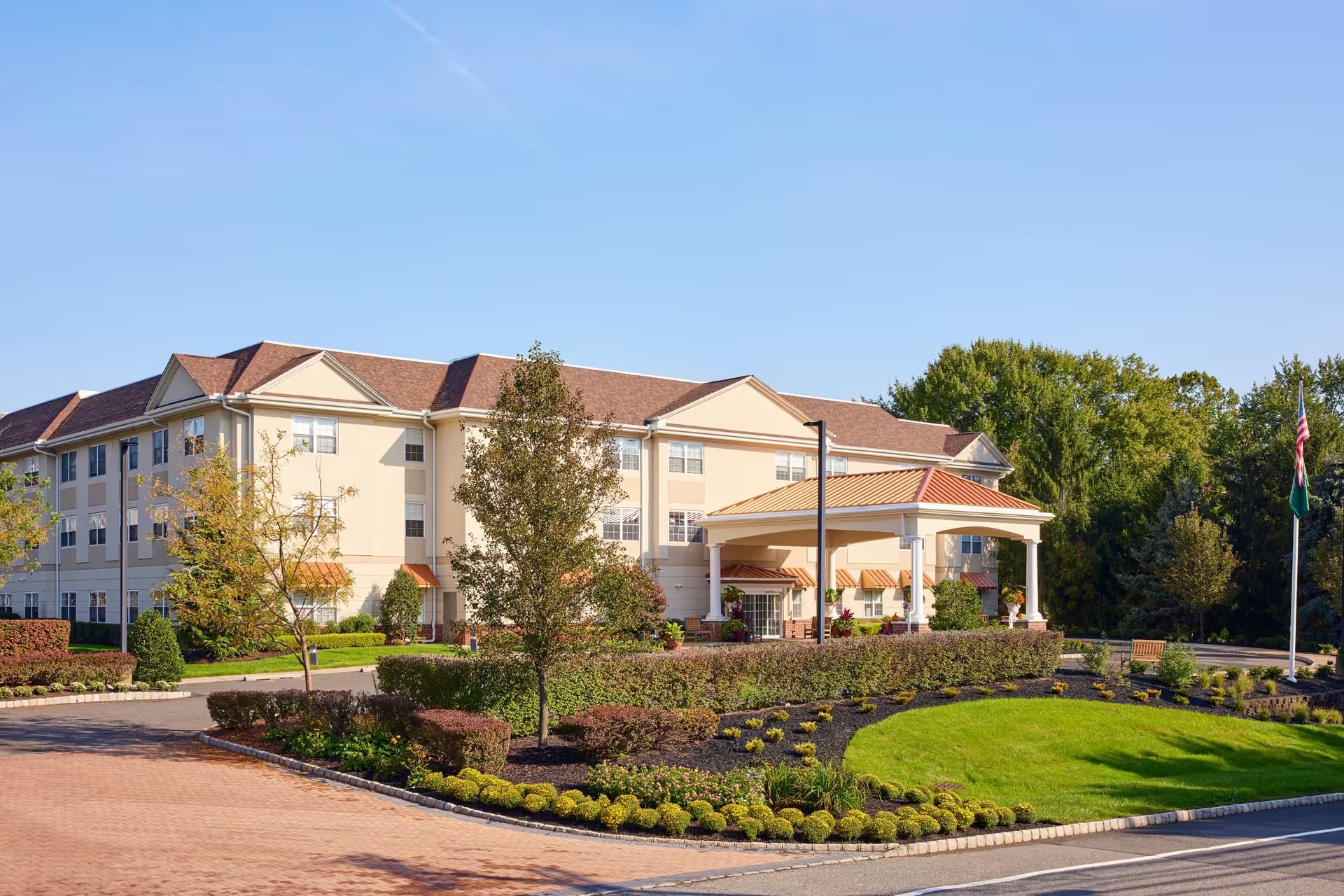
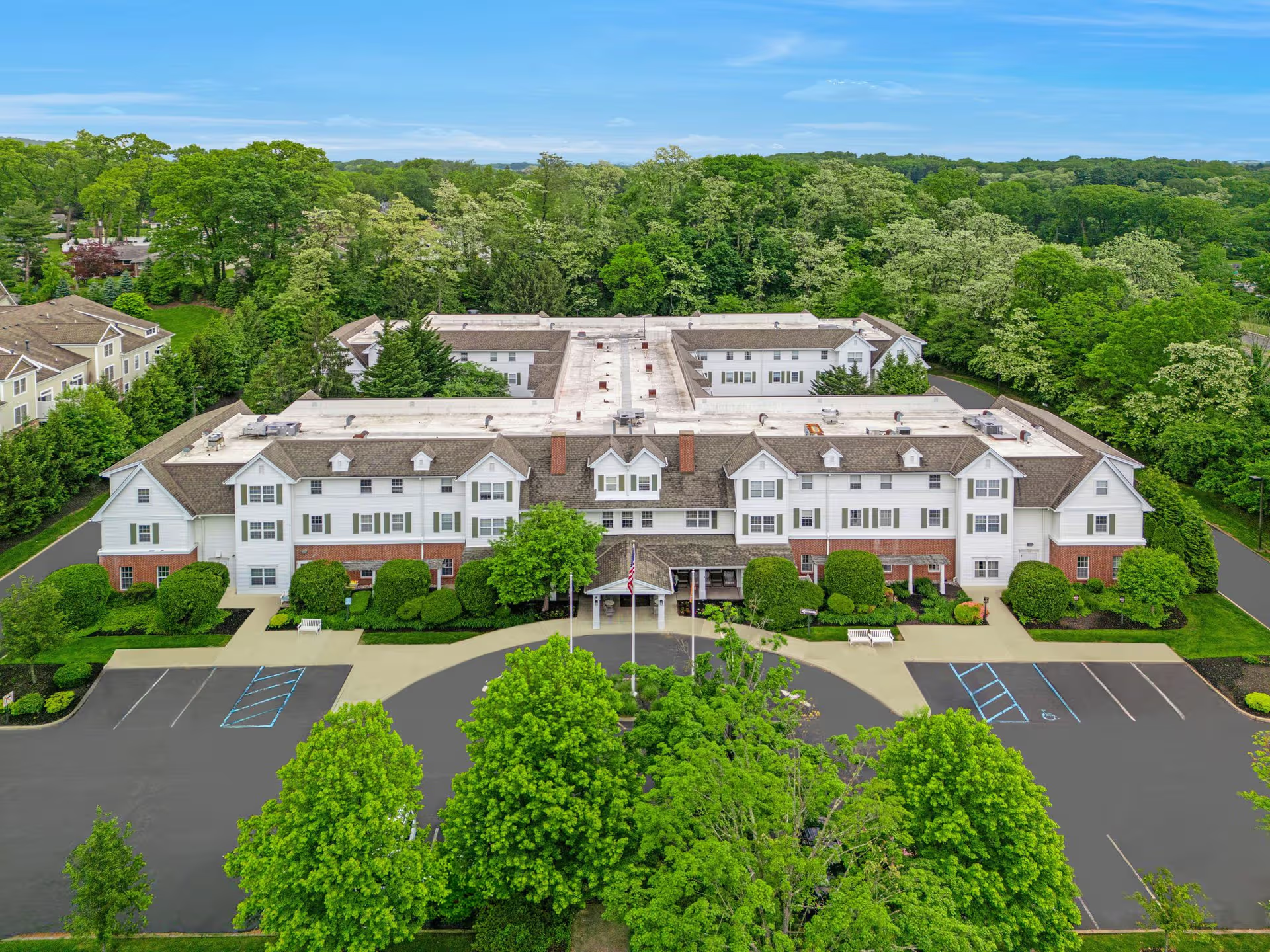
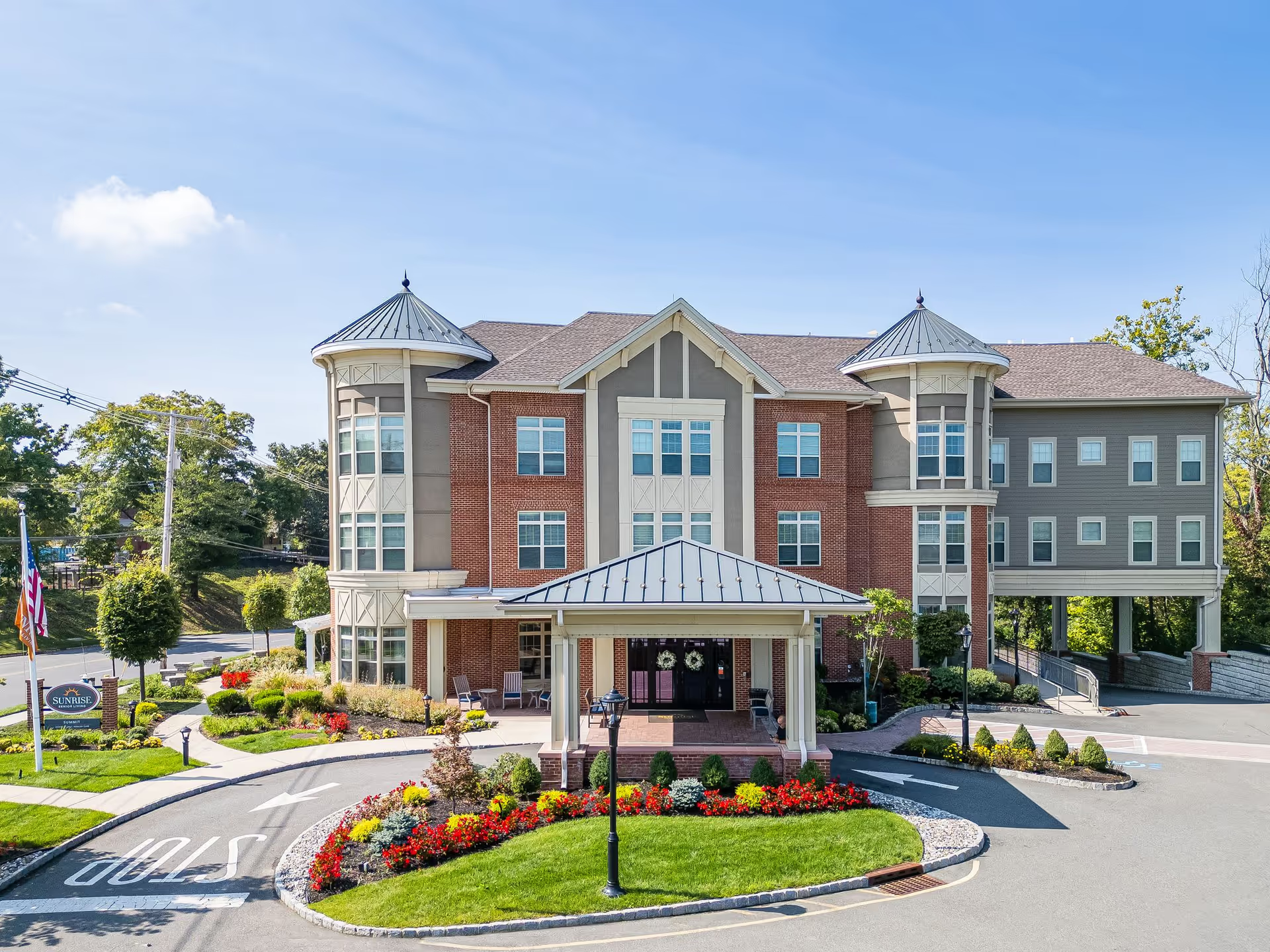
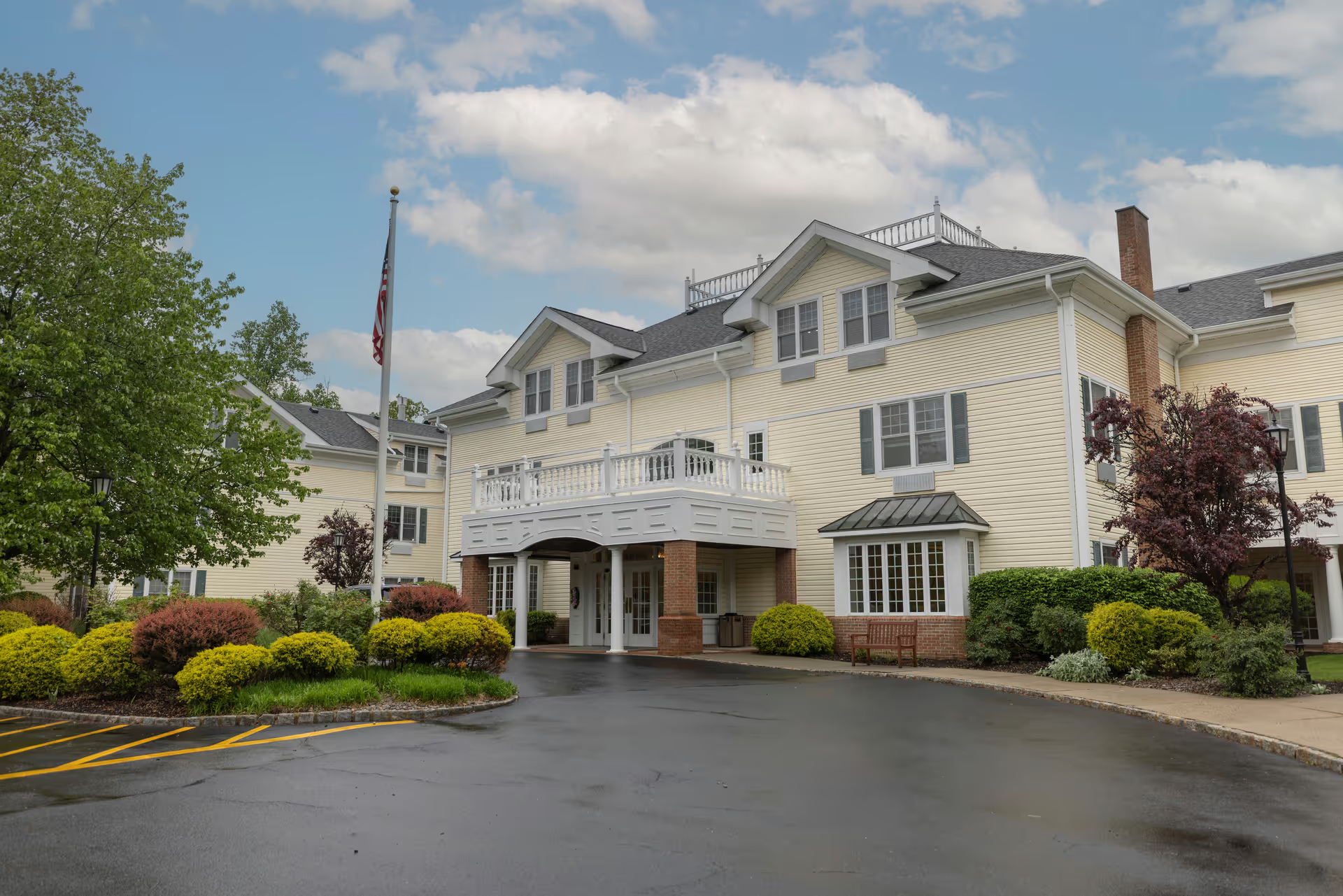
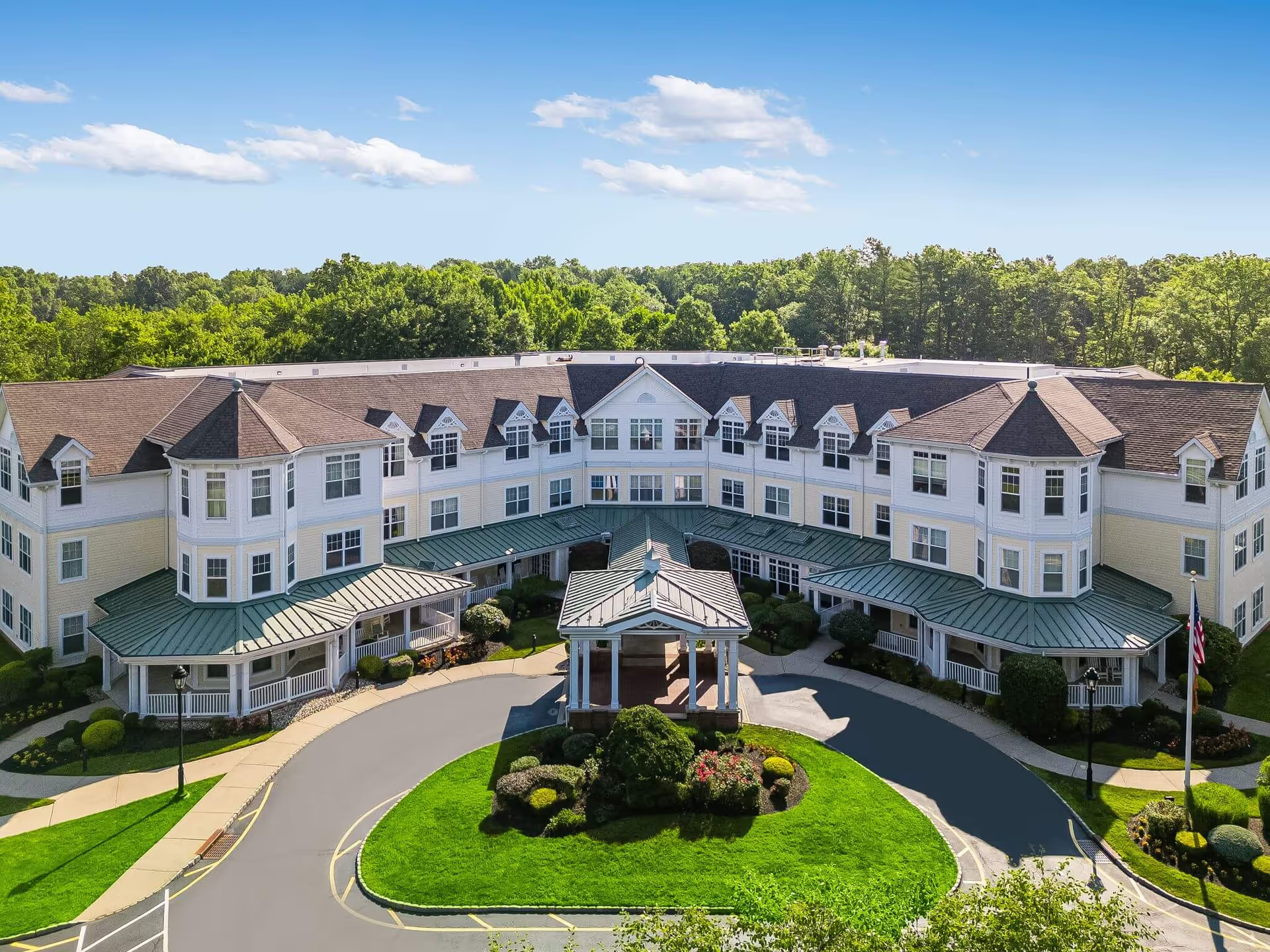
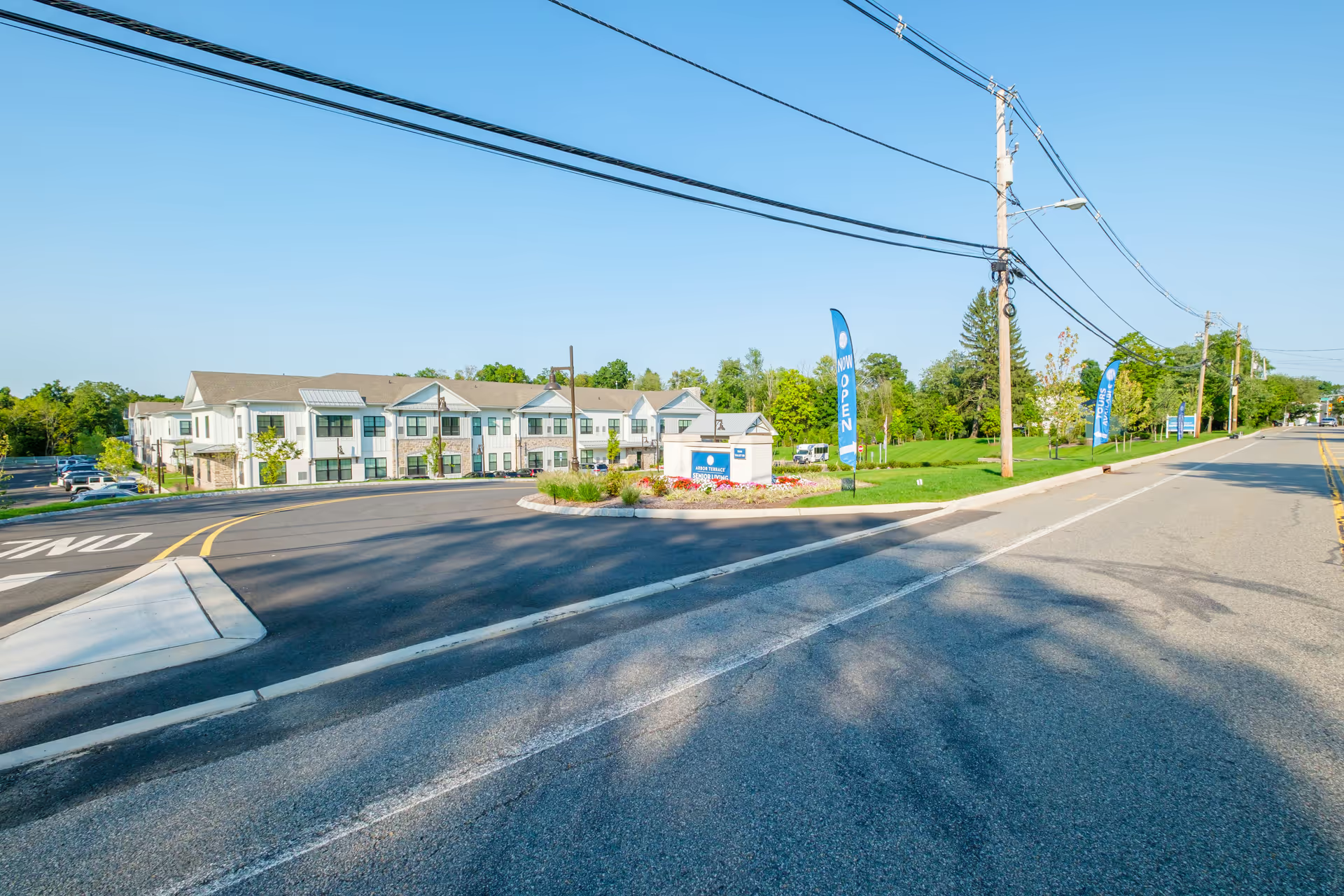
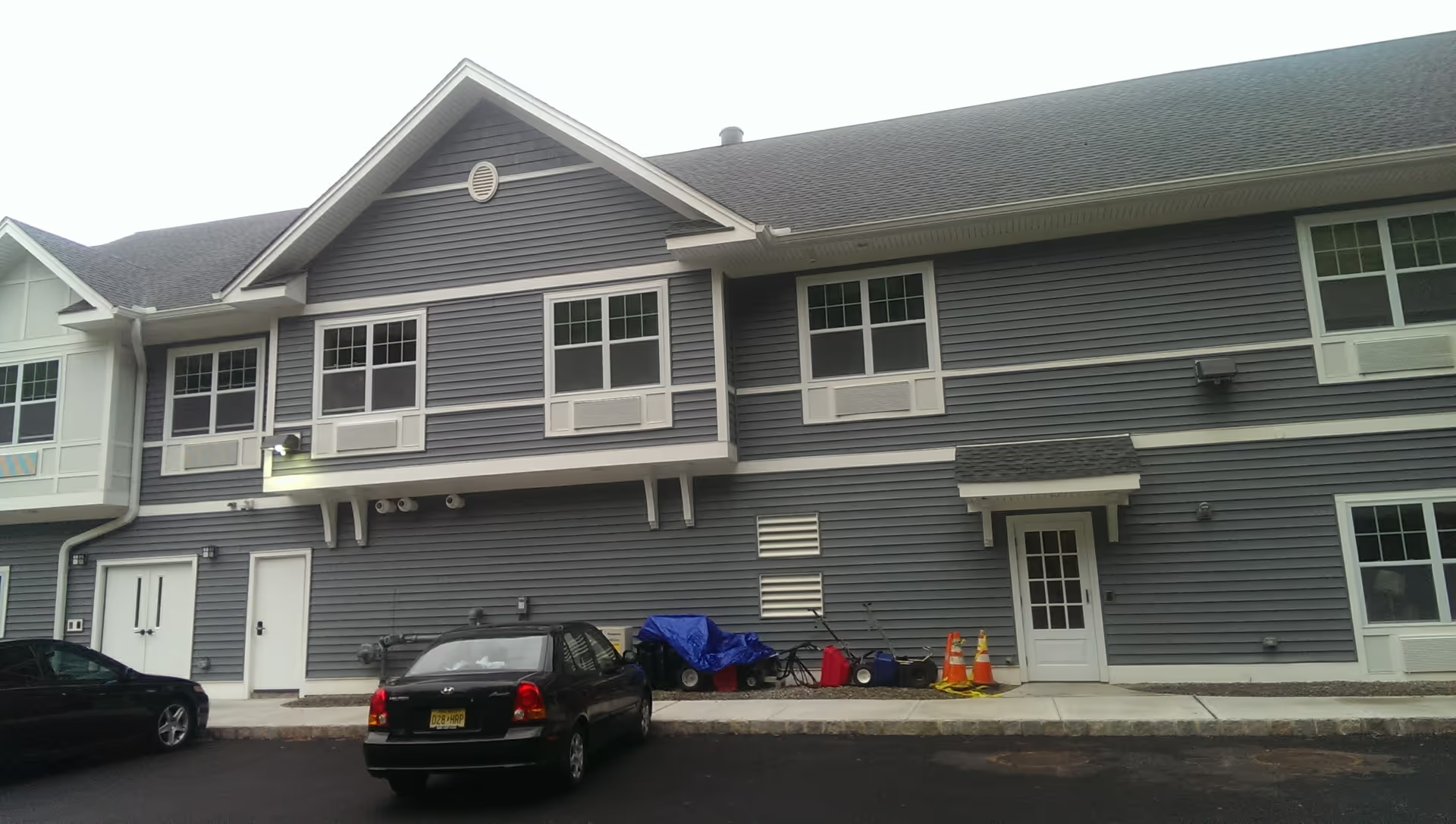
Autumn Lake Healthcare at Berkeley Heights elicits strongly mixed impressions across families and patients. Many reviewers emphasize high-quality clinical and rehabilitative care: a well-regarded therapy program (physical, occupational, and speech therapy), clinically competent nursing staff, and individualized case management and social-work support. Numerous accounts praise a caring, family-like culture among frontline caregivers, visible leadership engagement, concierge services, bright modern interiors, and robust activity programming that includes pet therapy, haircuts, and dining events.
At the same time, a consistent theme across the feedback is variability in operational reliability. Staffing levels and shift coverage are uneven, and periods of understaffing are associated with delayed responses to call bells, gaps in bathing/linen schedules, and extended waits for assistance. These operational shortfalls coincide with reports of inconsistent cleanliness and incontinence-care practices in some areas, and isolated pest-control concerns have been raised. Families also described lapses in basic housekeeping or room maintenance on occasion.
Dining and nutrition are frequently cited as strengths—many praise an attentive kitchen team and well-presented meals—but there is also evidence of inconsistent meal delivery accuracy, portioning, and dietary accommodation in some instances. Likewise, the therapy department is often described as excellent and rehabilitation-focused, yet some families reported delays in initiating promised therapy or interrupted therapy schedules, suggesting variability in follow-through.
Safety and management processes show mixed performance. Positive descriptions include active safety oversight and staff who know residents by name; conversely, reviewers identified safety-management gaps such as unsecured trip hazards, wandering-risk events, and concerns about alarm response timing. Communication and administrative coordination are another dual theme: several families experienced clear, proactive communication and strong case-management support, while others encountered poor handoffs, missing care plans or timelines, transportation coordination problems, and occasional unprofessional staff interactions.
Taken together, the pattern indicates a facility with strong clinical and rehabilitative capability and many staff who provide compassionate, resident-focused care, coupled with operational inconsistencies that can materially affect day-to-day experience. Prospective residents and families considering this center should confirm current staffing ratios and shift coverage, ask about the unit-specific cleanliness and pest-control measures, review how care plans and therapy schedules are documented and communicated, and inquire about safety protocols for fall prevention, alarm response, and construction/environmental controls. Visiting the specific unit and speaking directly with the therapy team, nursing leadership, and a case manager will help determine whether the facility’s strengths align with an individual’s care priorities.