Care and day-to-day support: Review content shows a mixed picture of direct care. Some caregivers are described as attentive and patient — one frontline staff member was singled out consistently for knowledge and commitment — and some families felt residents were well looked after. At the same time, several accounts describe delays or lack of responsiveness when families raised concerns, indicating inconsistent responsiveness and communication pathways that may affect problem resolution and family confidence.
Staff and communication: Staffing relationships are a clear strength in parts of the facility; named staff are praised for patience and competence. However, reviewers also indicated problems with staff presence and responsiveness, and noted language barriers that complicate communication with residents and families. Management presence appears uneven — the owner is seen as helpful when present but not consistently on-site — creating perceptions of variable oversight.
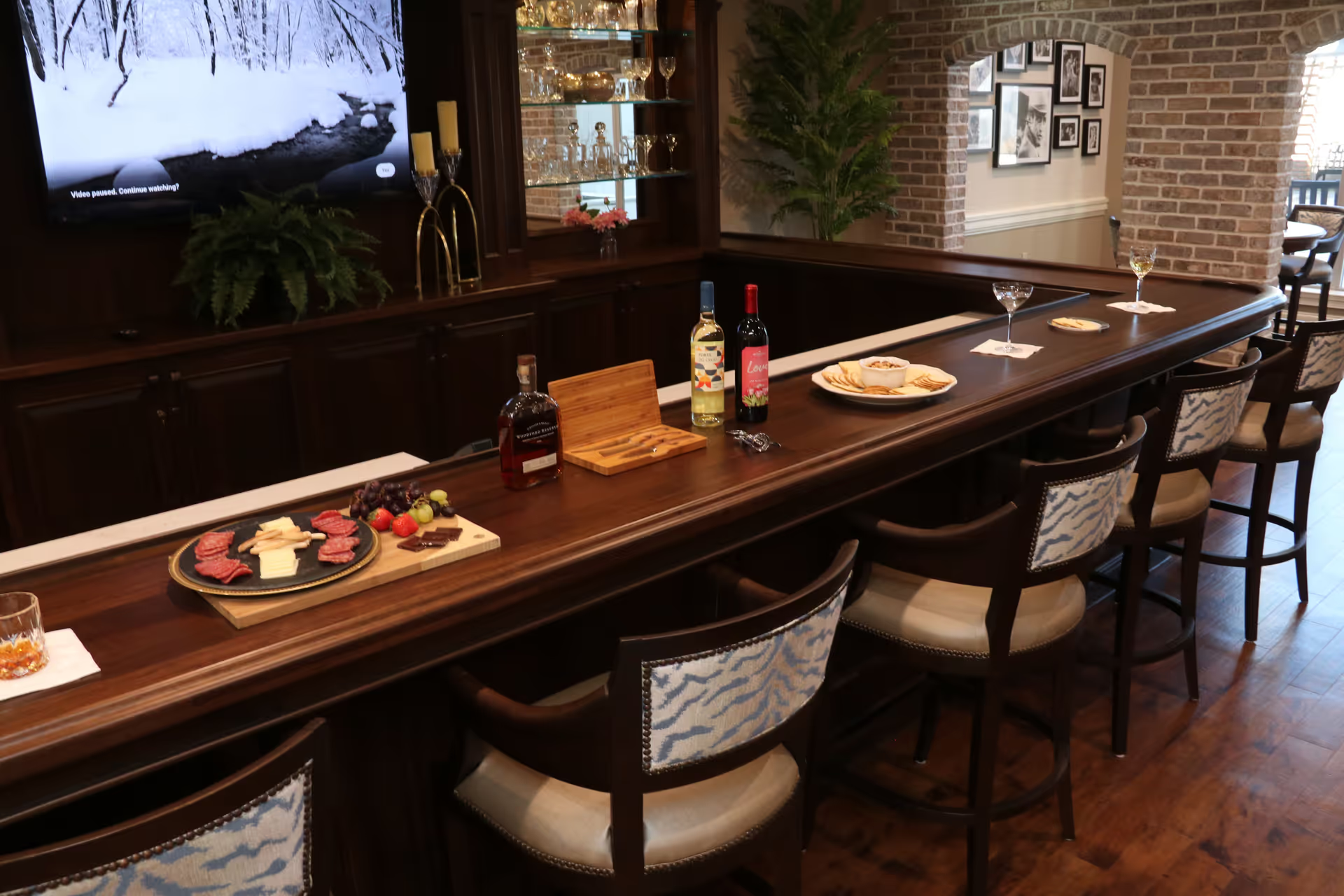
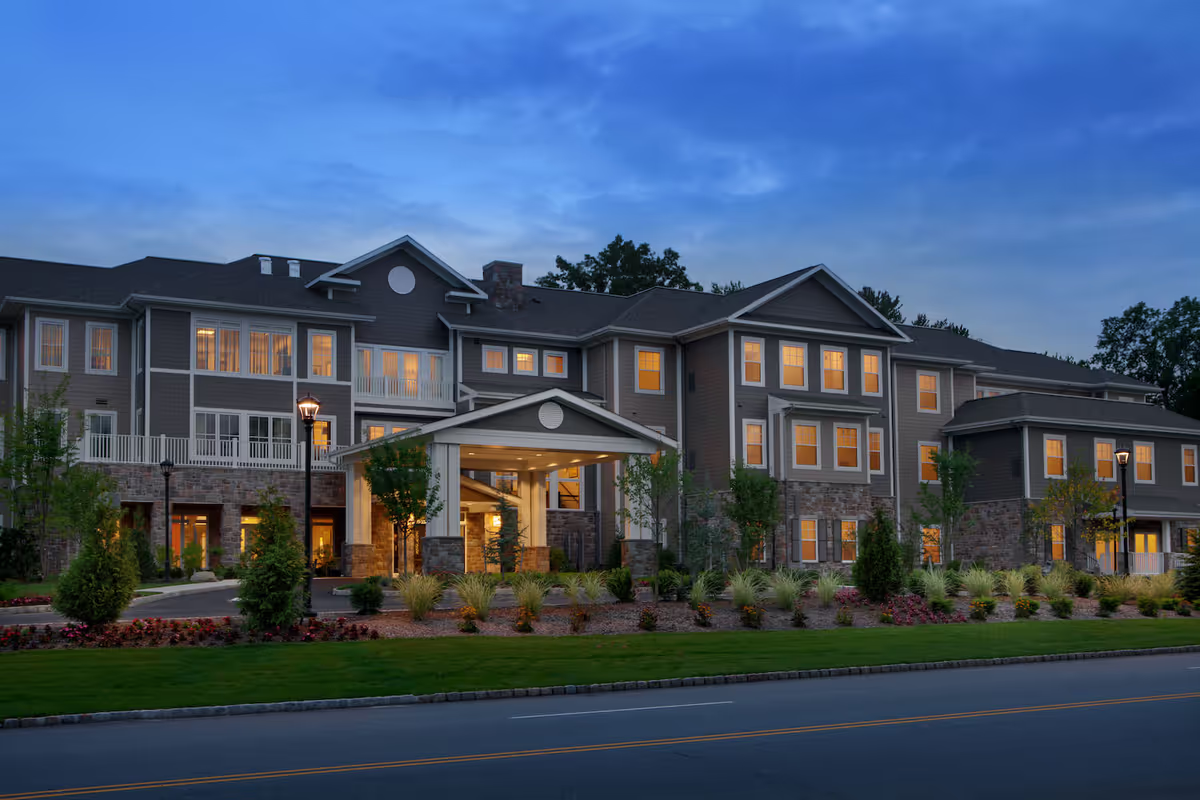
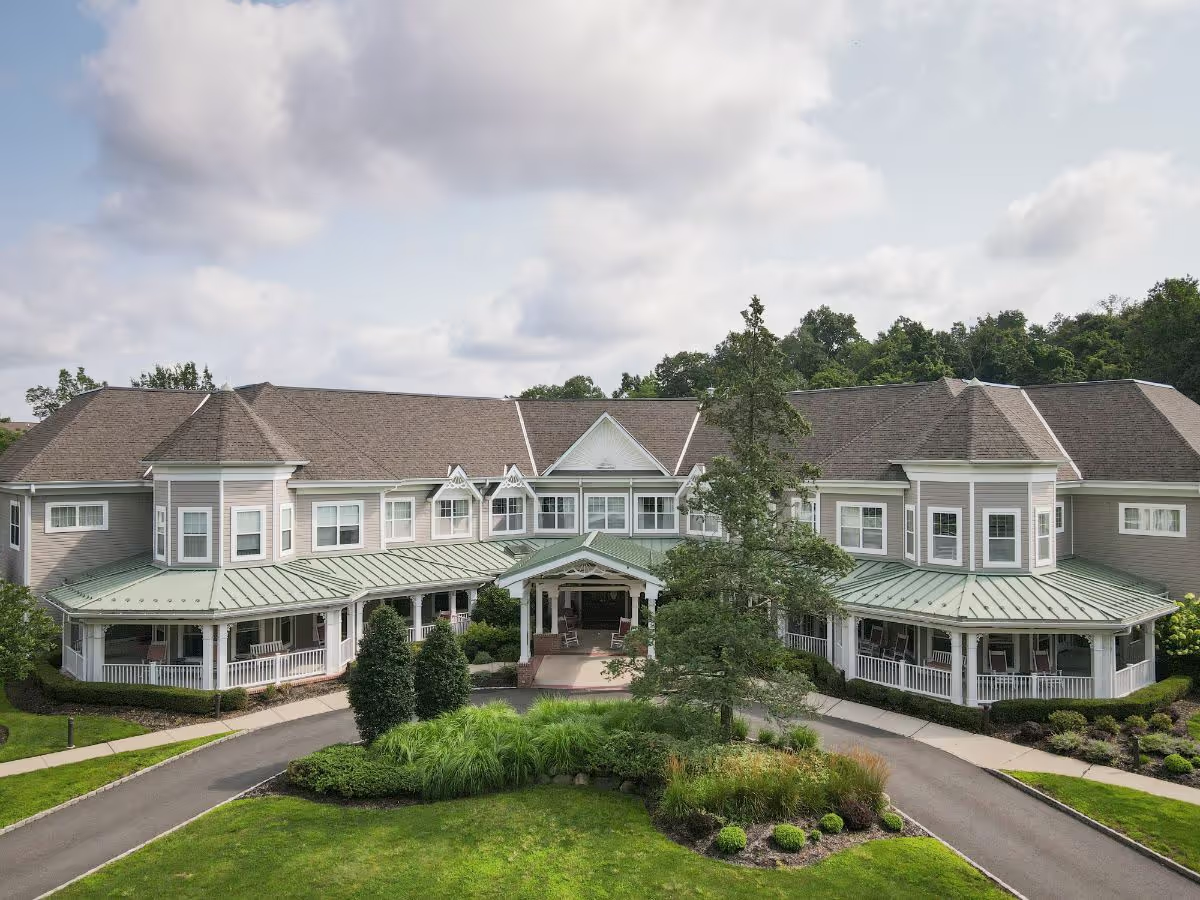
Facilities, maintenance, and sanitation: There is a notable divergence in impressions of physical condition. Positive comments describe clean, roomy, and inviting spaces, but other accounts identify sanitation concerns, persistent odors, worn or broken furnishings, and general maintenance shortfalls. These contradictory impressions suggest variability between units or rooms and inconsistent maintenance and housekeeping practices. Shared-room arrangements and at least one example of overcrowding raise privacy and capacity concerns.
Safety, accessibility, and compliance: Reviewers raised accessibility issues — the facility lacks an elevator, which requires residents to be mobile to access certain areas — and parking constraints were mentioned. There are also direct concerns suggesting possible gaps in regulatory or health-code-related practices. Given these statements, prospective families should verify licensing, inspection records, and corrective actions directly with regulators.
Dining and activities: Review summaries provided little specific information about dining quality, menus, or the activity program. Absence of commentary on these areas means prospective residents should ask for sample menus, activity schedules, and opportunities for engagement during a tour.
Management and policies: Patterns in the feedback point to inconsistent oversight and communication escalation processes. Families felt their concerns were sometimes not acknowledged or resolved; management availability was described as intermittent. Operational traits to clarify during a visit include staffing levels, complaint/response procedures, room-occupancy policies, and housekeeping schedules.
Notable patterns and recommendations: The reviews show a split between positive interpersonal experiences with certain staff members and recurring operational weaknesses (maintenance, sanitation, responsiveness, and accessibility). For prospective residents and families, recommended steps include touring the facility at different times of day, asking to see multiple rooms (including currently occupied rooms), reviewing recent state inspection reports, confirming housekeeping and maintenance schedules, clarifying room-occupancy policies and costs, inquiring about staffing ratios and language supports, and observing mealtime and activity programs. These checks will help determine whether the facility’s strengths align with the prospective resident’s needs and whether the operational issues raised have been addressed.