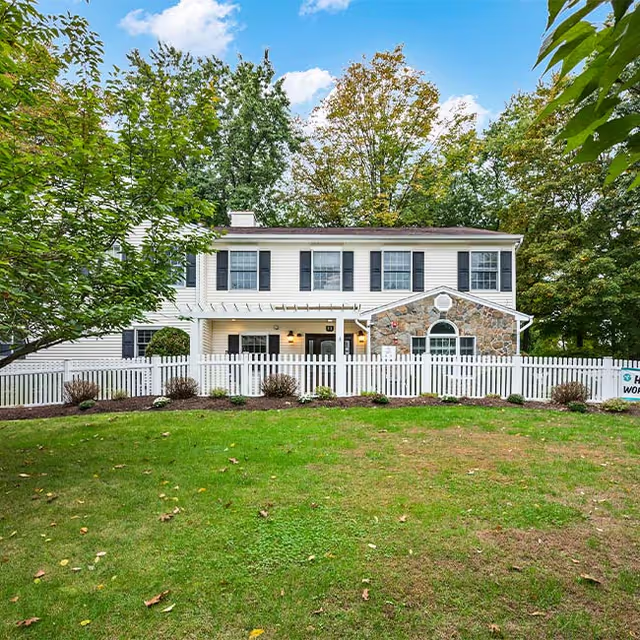
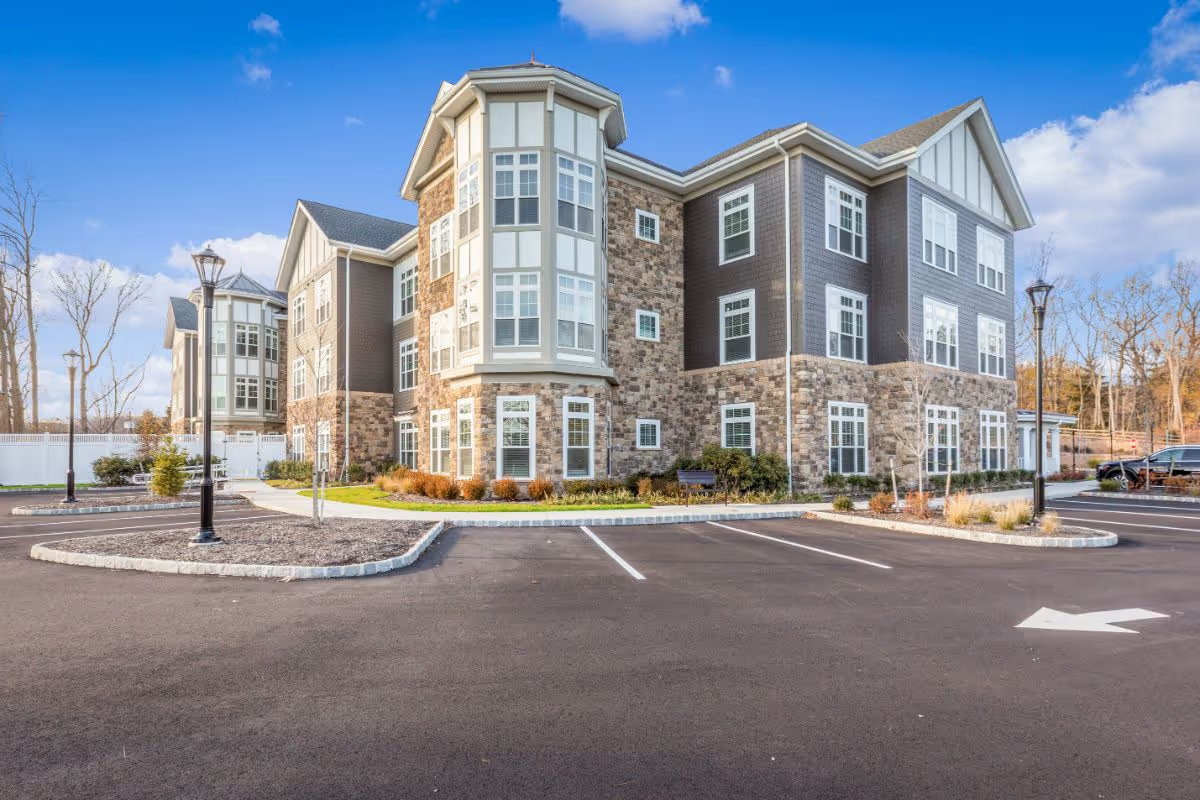
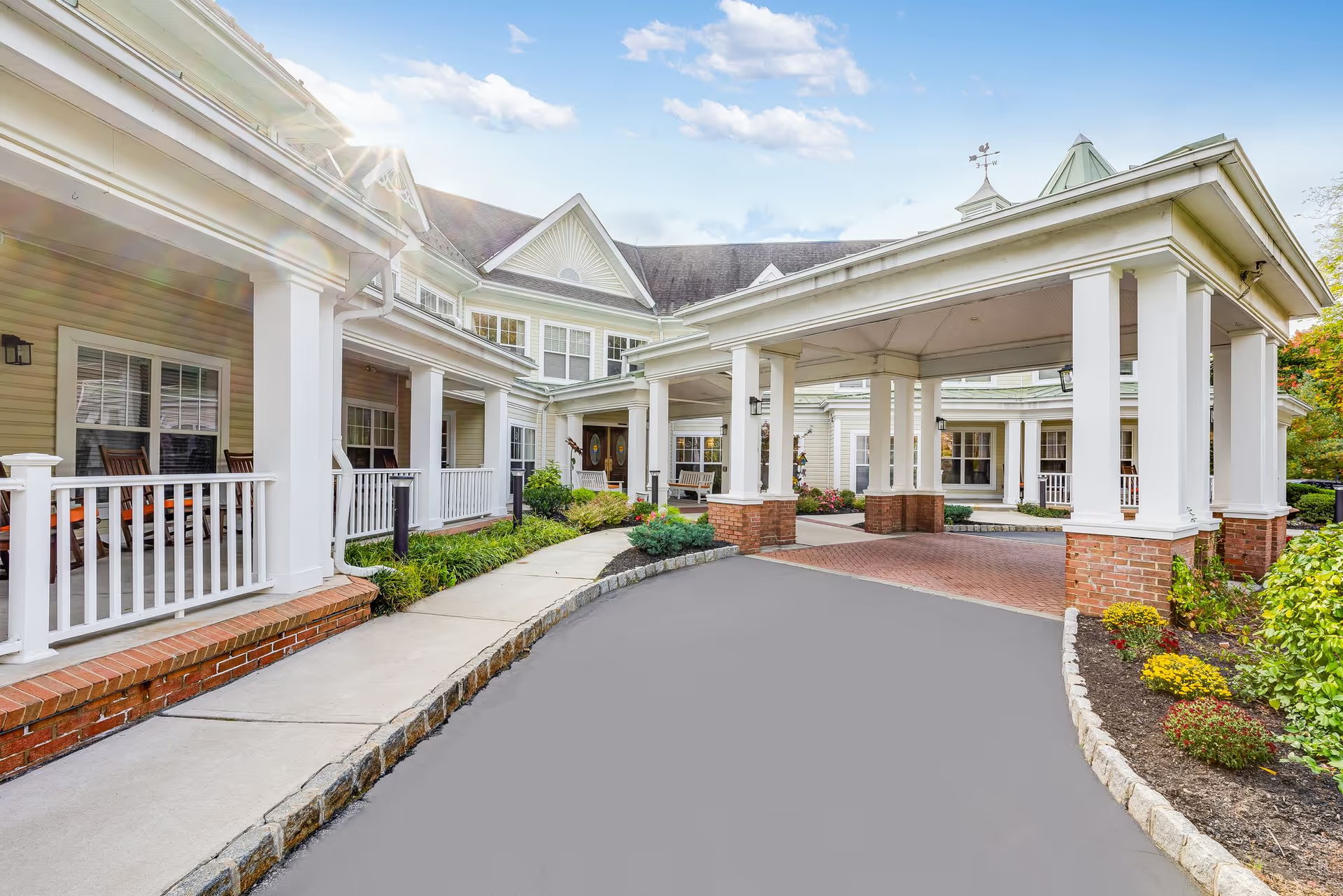
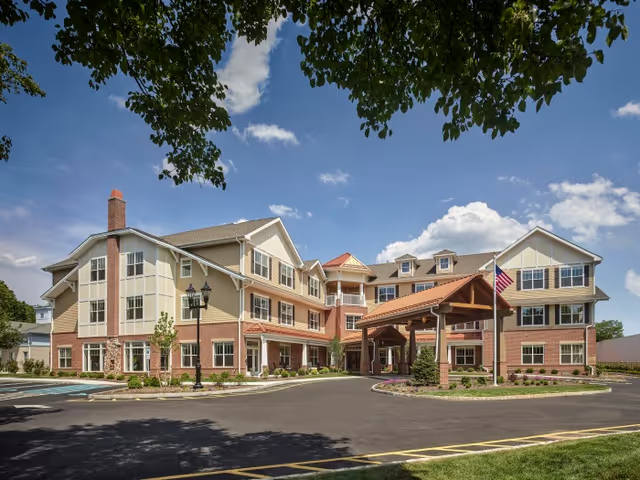
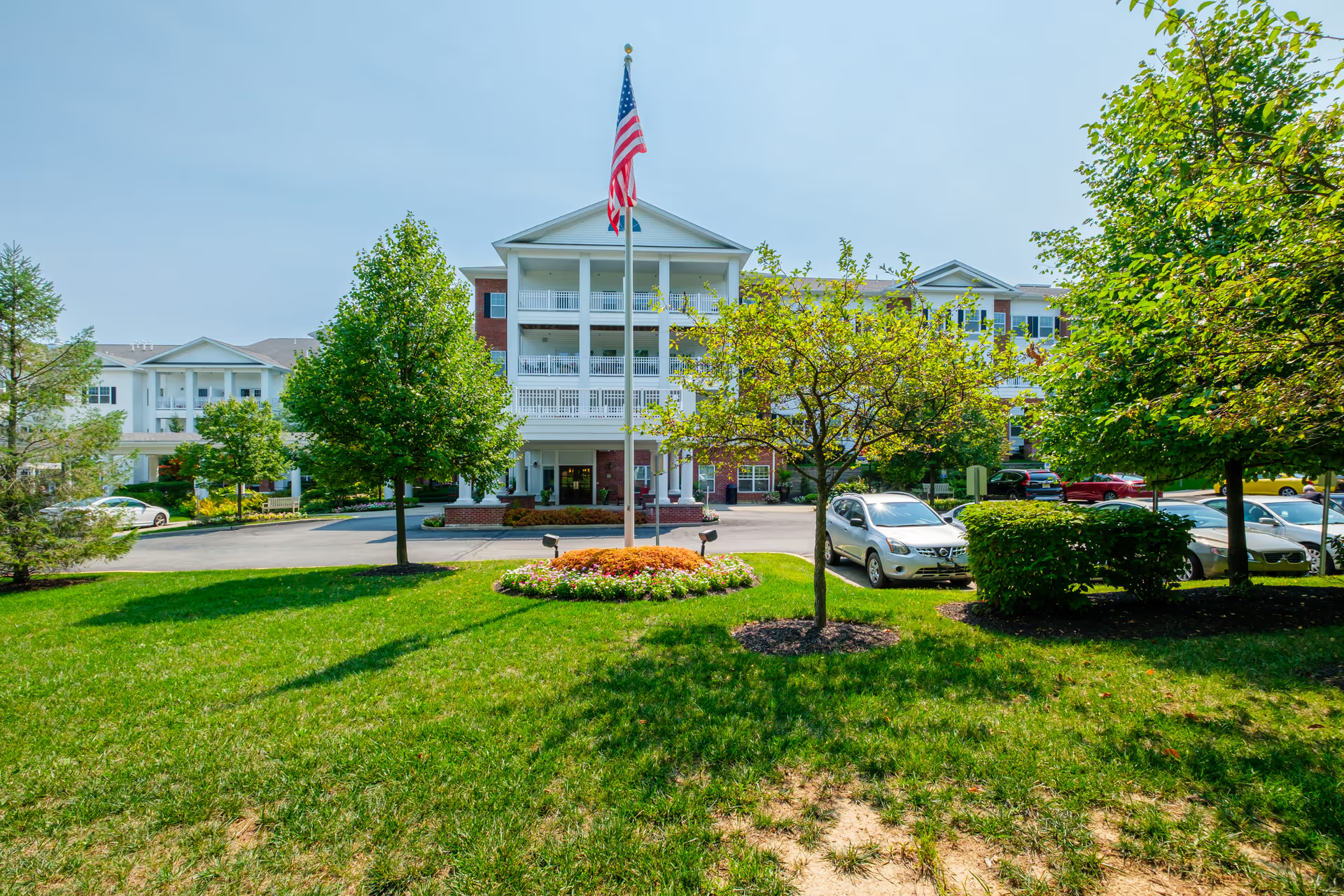
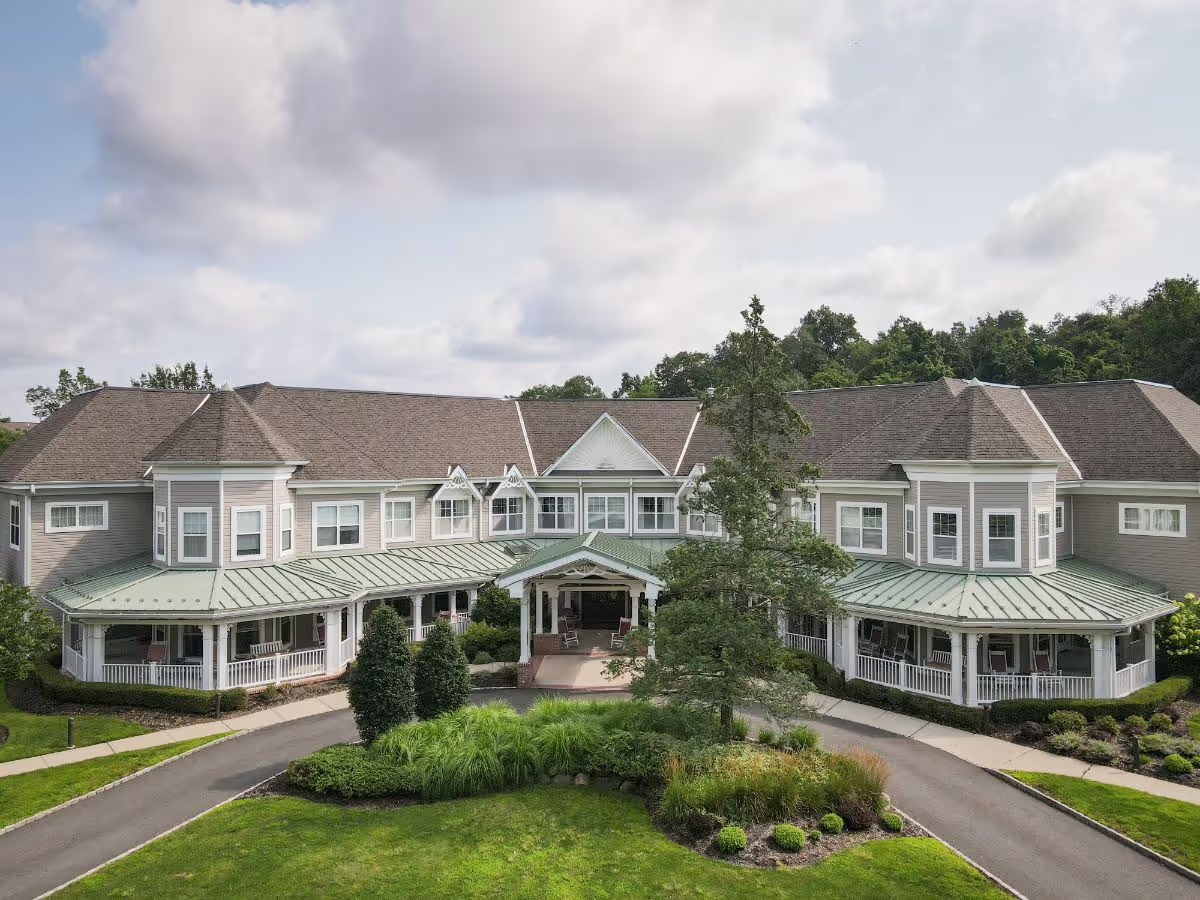
Victoria Mews presents as a small, privately owned assisted living community with many strengths centered on individualized attention and a well-kept, hotel-like environment. Families frequently describe warm, welcoming front‑line staff and nursing teams, with on-site clinician-owners (RNs and physicians) who are visible and involved. The facility emphasizes 24-hour nursing coverage and on-site medical oversight, which many families cite as reassuring. Housekeeping and maintenance are described as prompt, and the grounds and common areas are consistently characterized as clean, bright, and pleasant.
Dining and amenities are prominent positives: the community offers café-style dining with multiple menu choices, private dining/banquet space for family gatherings, and ancillary amenities such as a spa/gym and rehabilitation/exercise programs. Activity offerings are broad and frequent — bingo, movies, church services, outdoor barbecues, and other social events — contributing to a sense of engagement and community. The smaller community size (roughly 70 residents in several descriptions) appears to support familiarity between staff and residents and a family-like atmosphere.
There are several operational concerns prospective families should evaluate. The facility charges a premium price point and does not accept all public payers, which has created financial strain for some families; affordability and contract terms merit careful review. Multiple accounts raise concerns about the facility’s capacity to manage advanced dementia care: these include descriptions of difficulty managing complex cognitive-behavioral needs and at least one account suggesting the facility was unable to continue care after an acute episode. These descriptions have been characterized by some as overstating dementia-care capability, and families should confirm clinical limits and transition plans in writing.
Other recurring themes relate to service consistency. While many reviewers praise attentive care, there are mentions of occasional lapses in staff responsiveness, pain management, and meal-service consistency (including food temperature and perceived blandness). Apartment sizes are described as modest, and the rural location may be less convenient for some families. Prospective residents and families should tour the community, ask detailed questions about dementia-care protocols and acute-episode policies (transfer and readmission), verify payer acceptance and long-term cost projections, and sample the dining and activity programs to ensure fit with their needs and expectations.