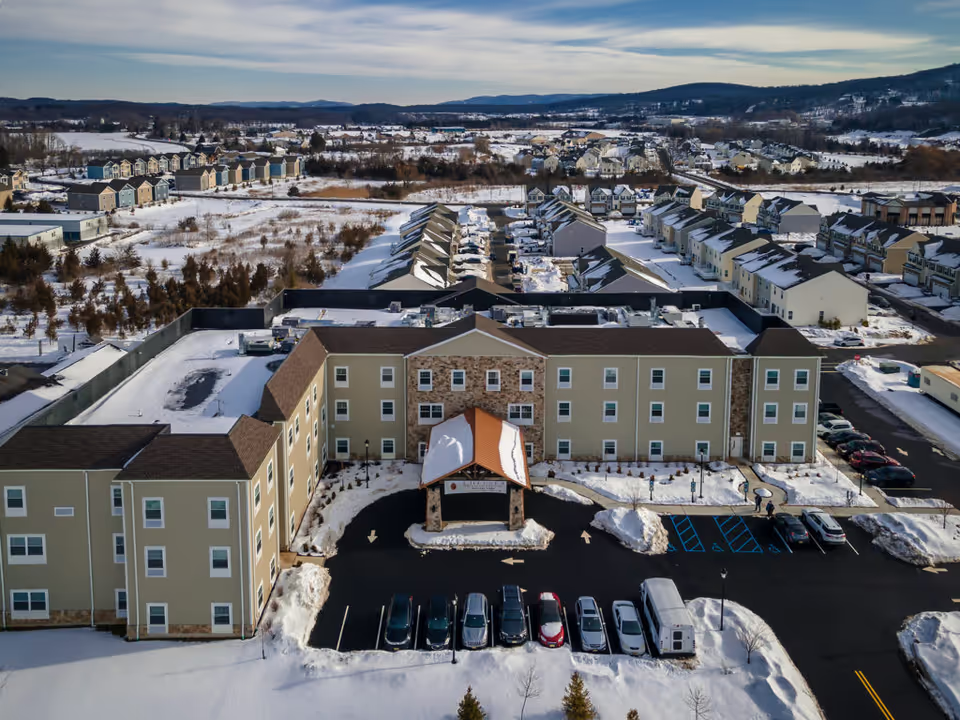
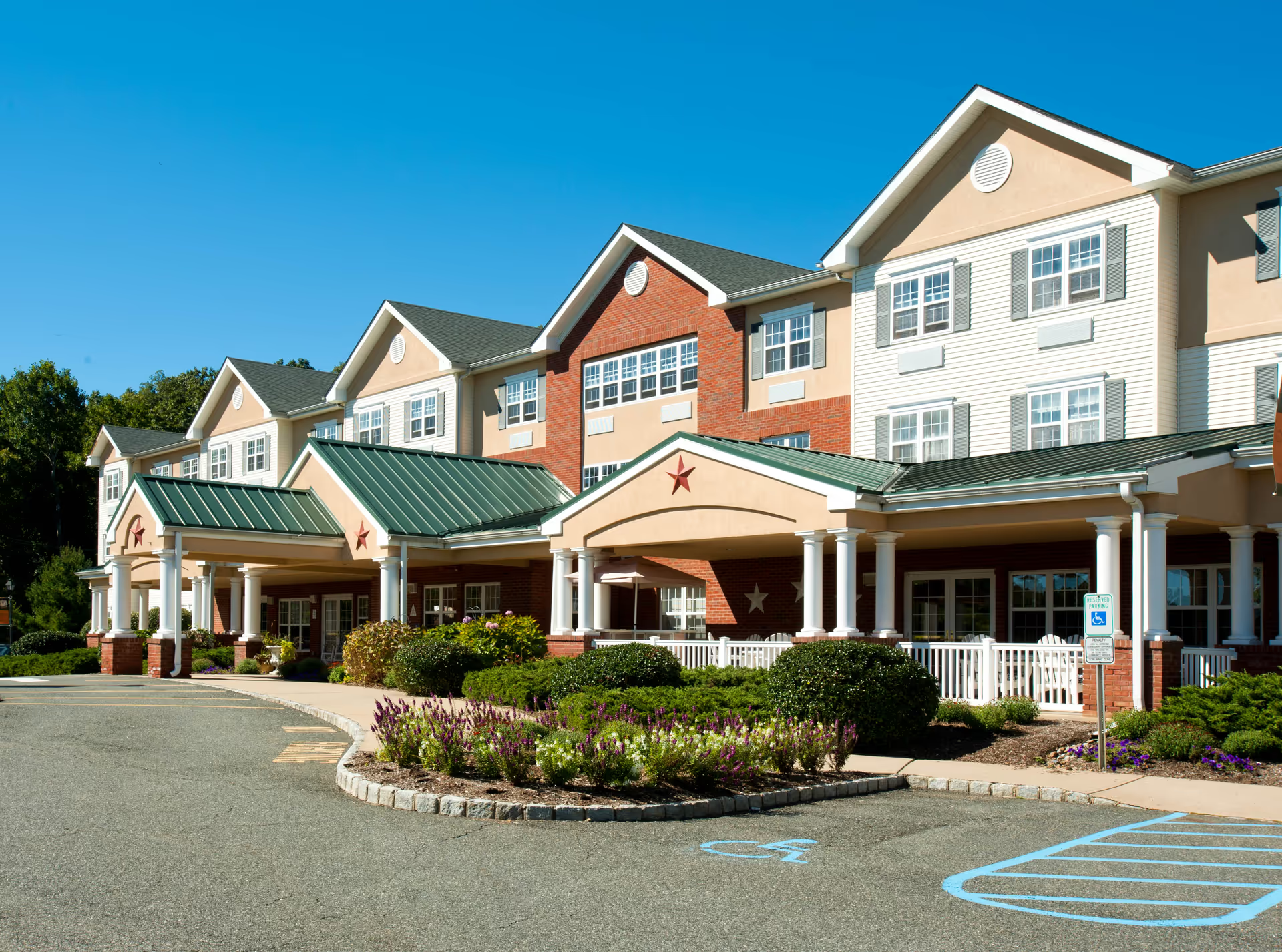
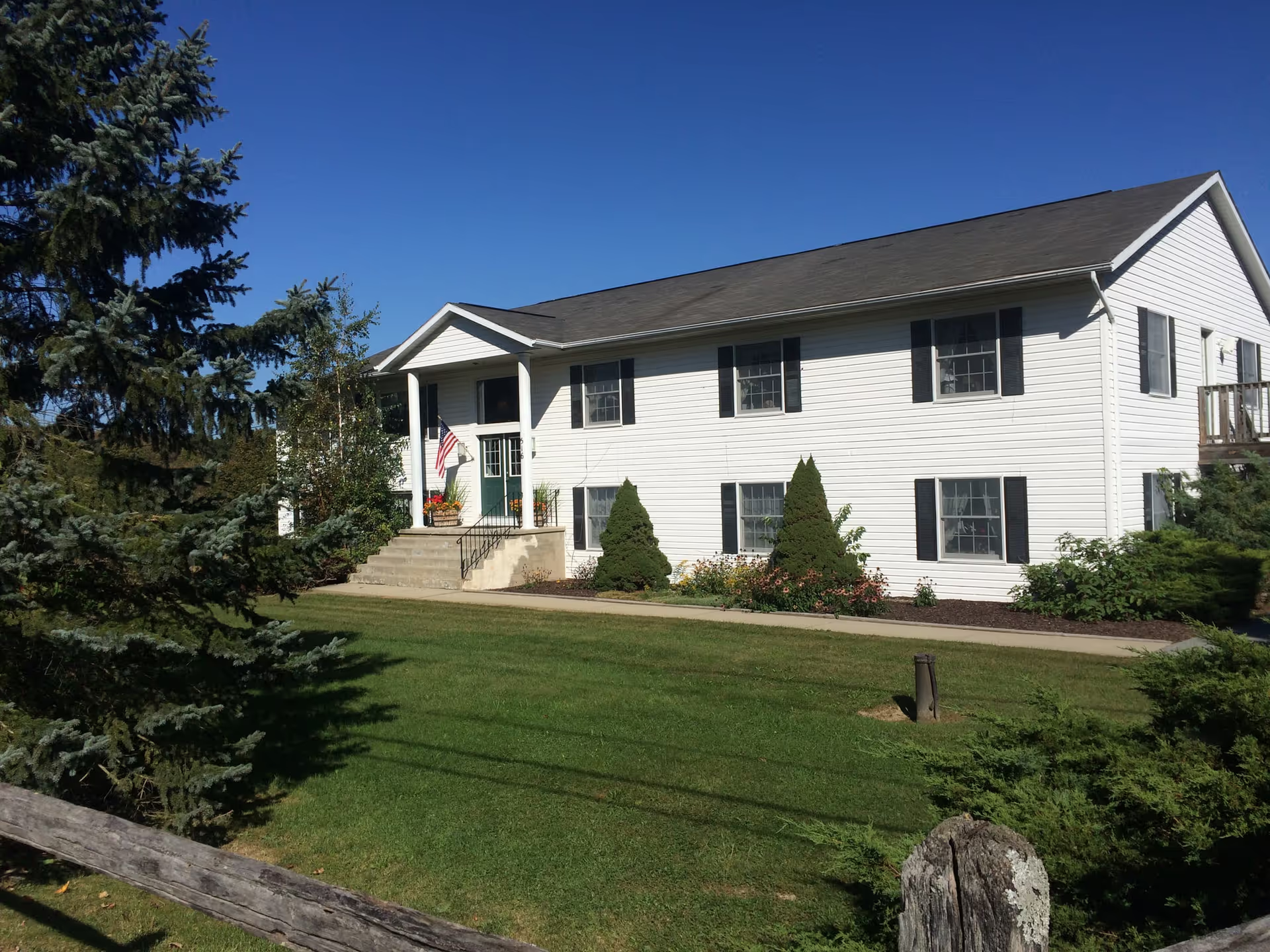
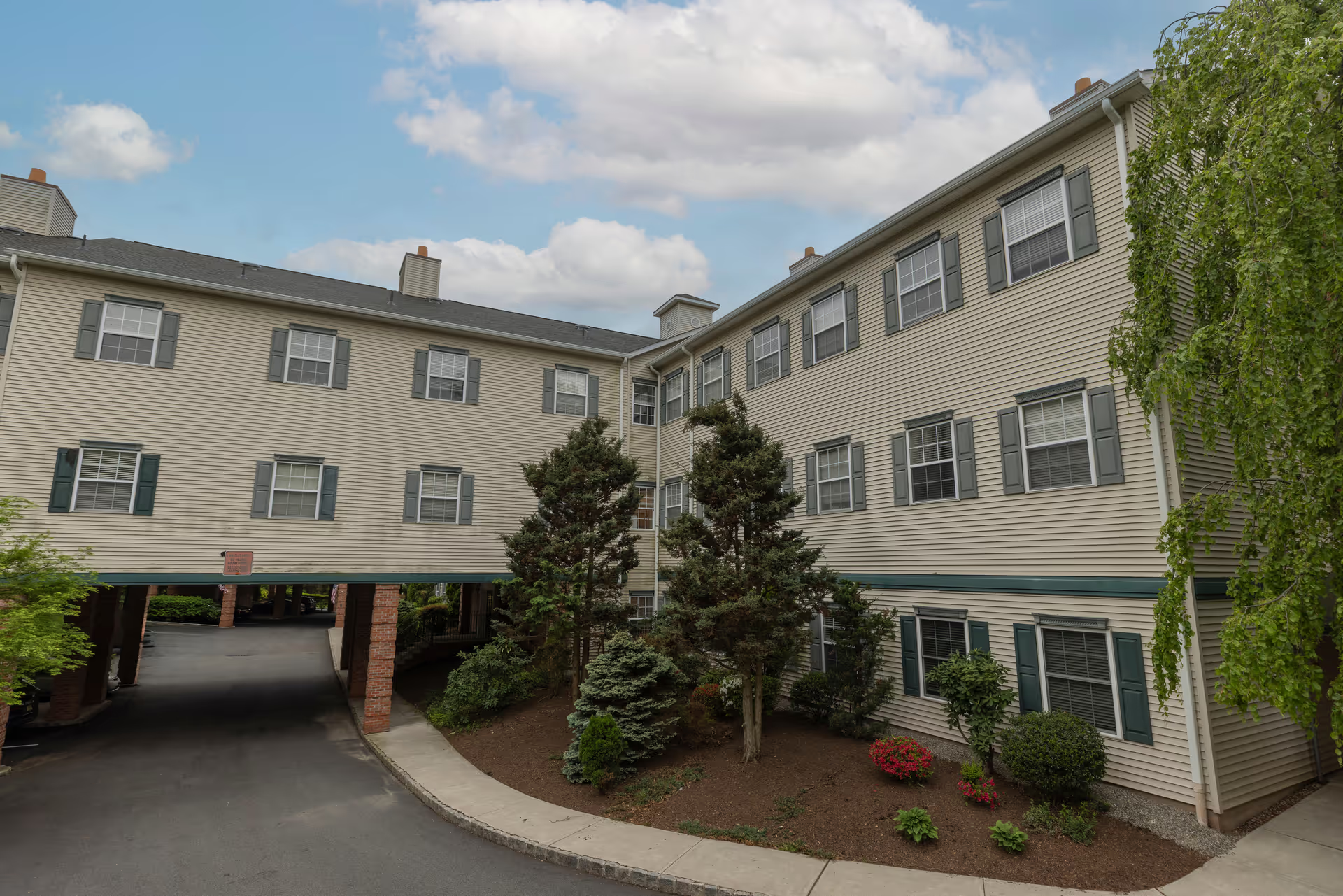
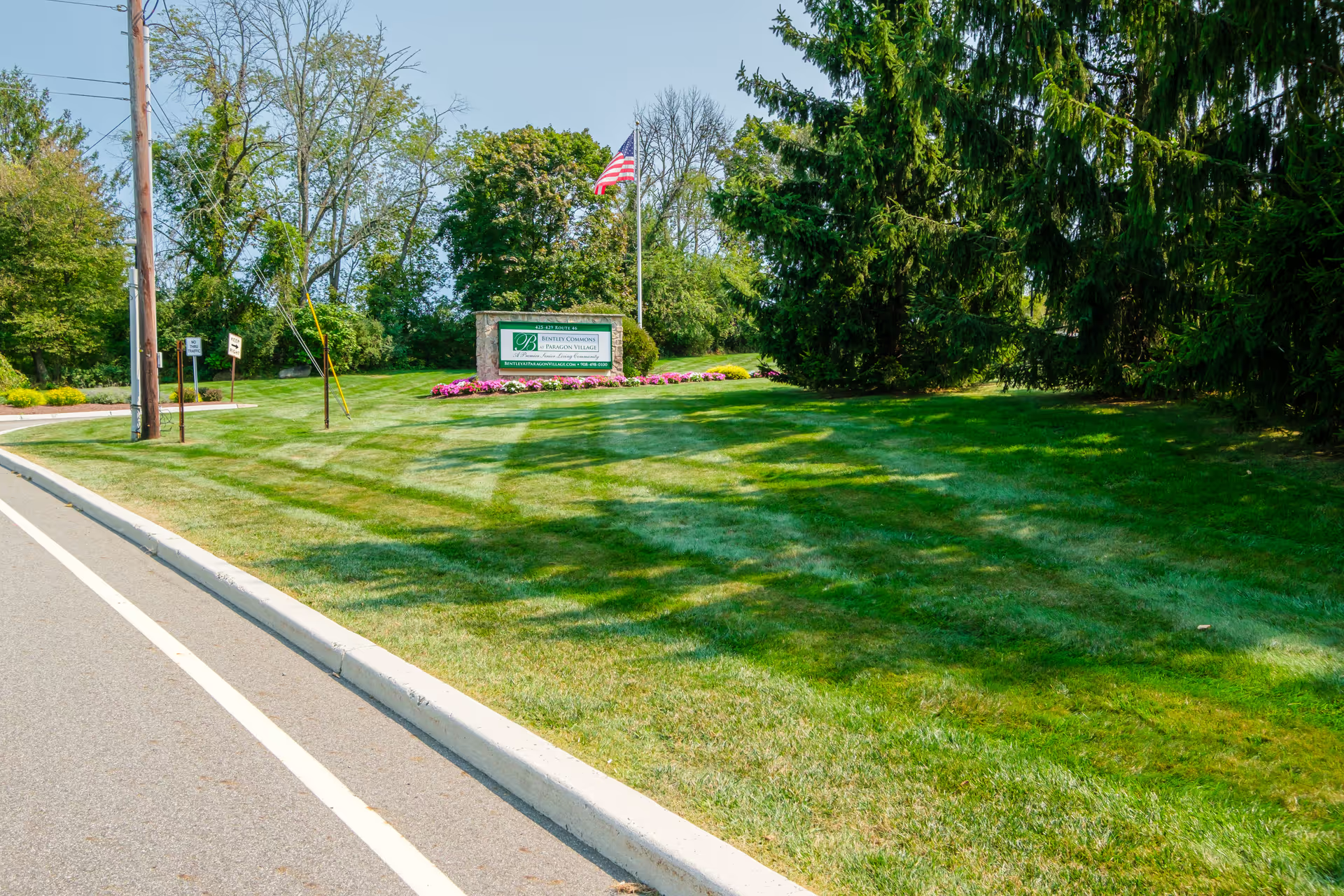
Bentley Assisted Living at Branchville is consistently described as a small, home-like community with strong strengths in daily life and resident engagement. Families and visitors commonly highlight compassionate caregiving, an accessible administrative team, and a nursing presence that includes round-the-clock coverage. Many accounts emphasize a family-oriented culture, personalized intake experiences, and visible teamwork between caregiving staff and clinical partners such as hospice. The physical environment is repeatedly described as clean, well-maintained and scenic, with private apartments, en-suite bathrooms, a solarium, fenced walking paths in the memory-care area, and pleasant common spaces that support socialization.
Dining and activities are frequent points of praise. Reviewers note restaurant-style meals, special holiday menus, and generally nutritious offerings. The community runs a broad calendar of programming—arts and crafts, exercise and dance, bingo, outings, and other structured activities—with an engaged recreation director who encourages participation. These elements contribute to a consistently noted level of mental stimulation and social engagement for residents.
At the same time, a pattern of operational concerns emerges across reviews. The most significant themes are variability in staff training and day-to-day responsiveness, particularly for dementia-related care, and occasional staffing instability that can affect continuity of care. Several families described abrupt unit transfers and problems with personal items; these anecdotes point to weaknesses in transition policy and personal-item security and inventory controls. Financial transparency and fees also appear uneven: reviewers describe relatively high upfront community fees and separate ancillary charges (for example, medication distribution) that can be confusing or burdensome for families.
Clinical and administrative processes show mixed feedback. Many reviewers describe excellent coordination with hospice and positive end-of-life experiences, while others note gaps in emergency preparedness, limitations in on-site rehabilitation offerings, and restrictive policies that can complicate return-to-care scenarios unless specific medical orders are in place. Communication is often praised—staff accessibility and proactive family contact—but there are intermittent references to management transparency and billing clarity that prospective families should clarify in advance.
Overall, Bentley presents a strong value proposition for families seeking a smaller, community-focused assisted living with robust activities, attentive dining, and compassionate nursing support. The recurring operational weaknesses are concrete and actionable: confirm staffing ratios and dementia training protocols, review transition/relocation policies, ask about inventory procedures for personal belongings, get a clear itemized explanation of all fees and ancillary charges, and verify on-site therapy and emergency response capabilities. An in-person tour that includes observation of activities, a meal, and direct conversations with nursing leadership and administration is recommended to align expectations with the community’s strengths and to probe the areas of variability noted by families.