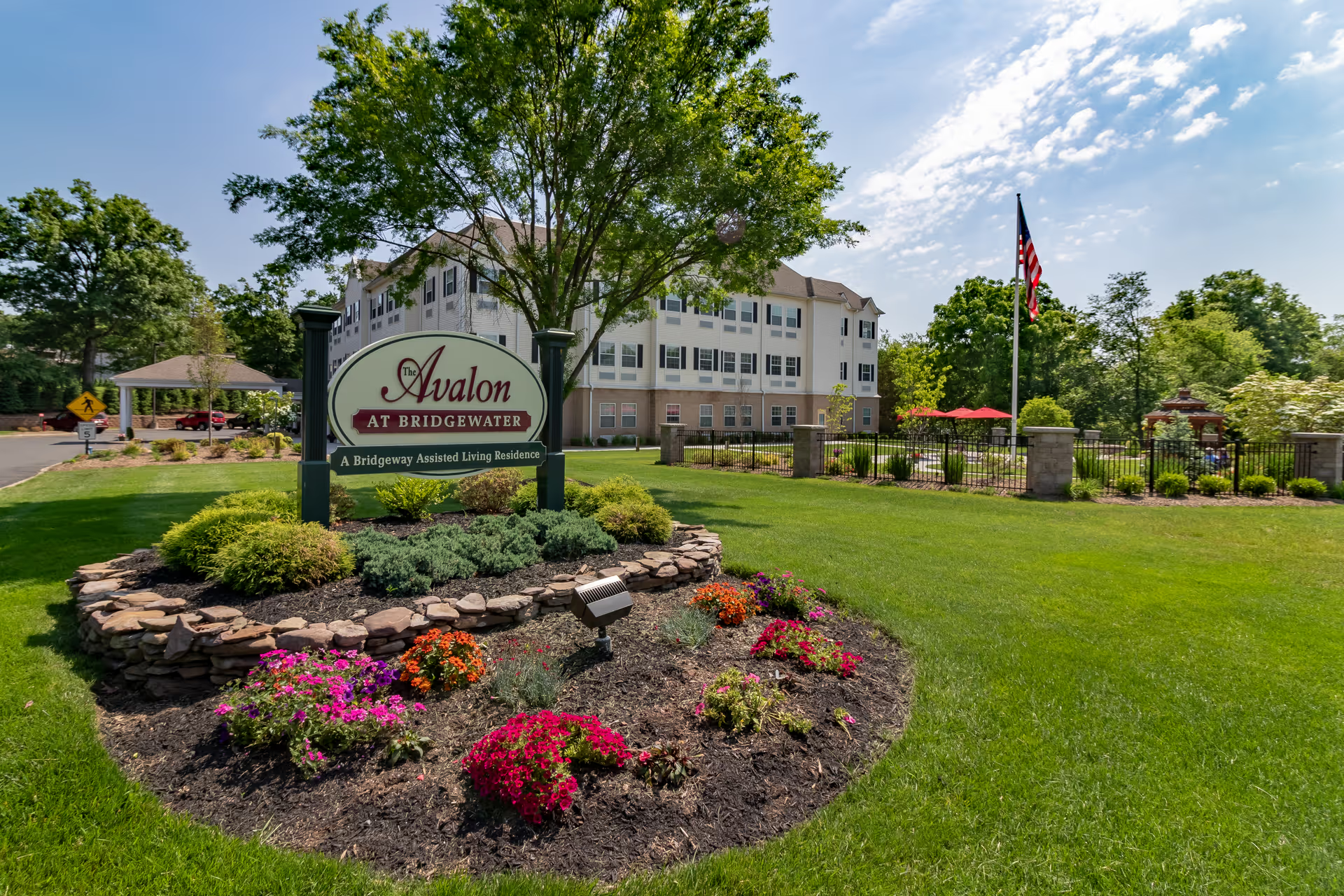
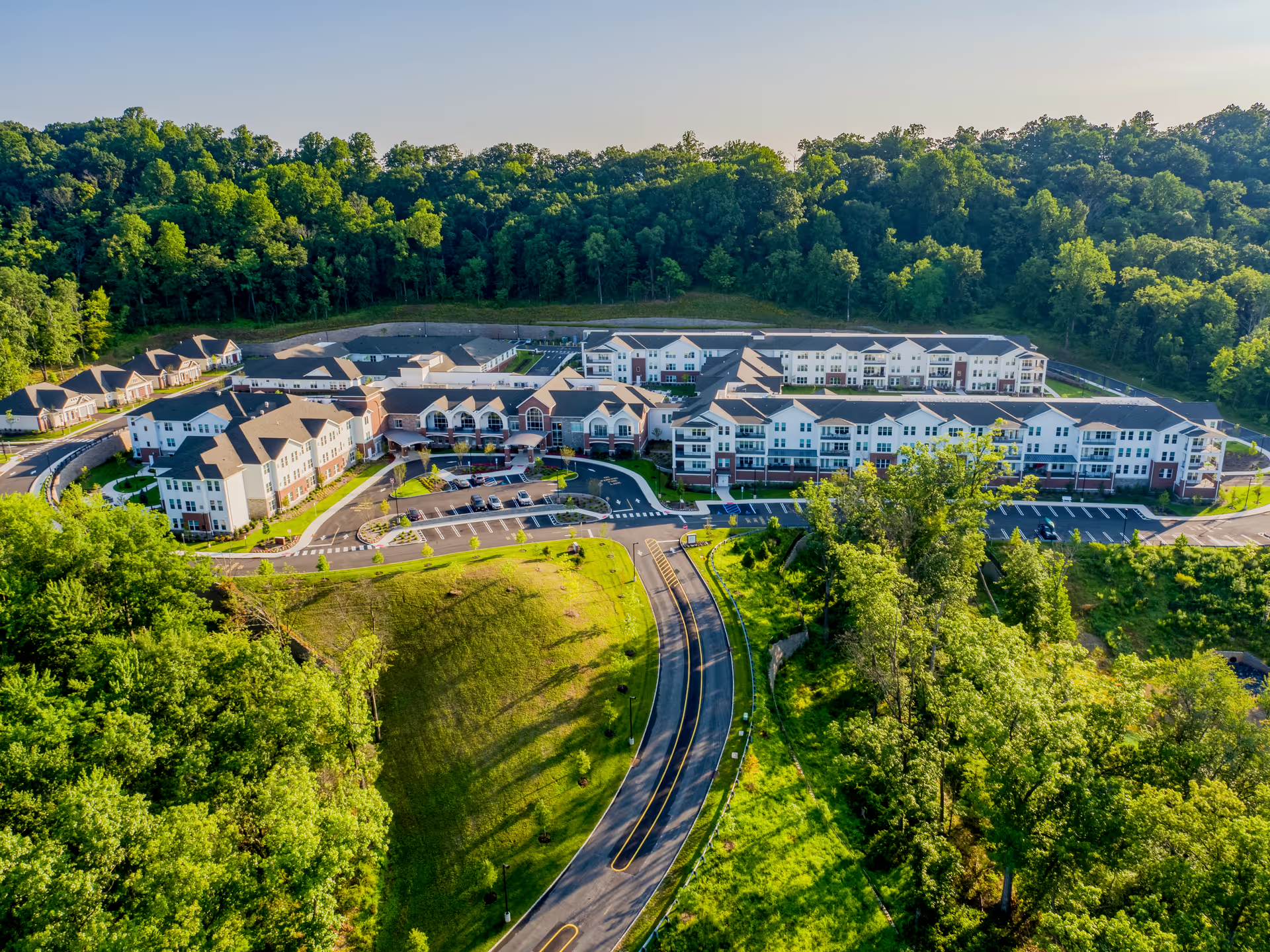
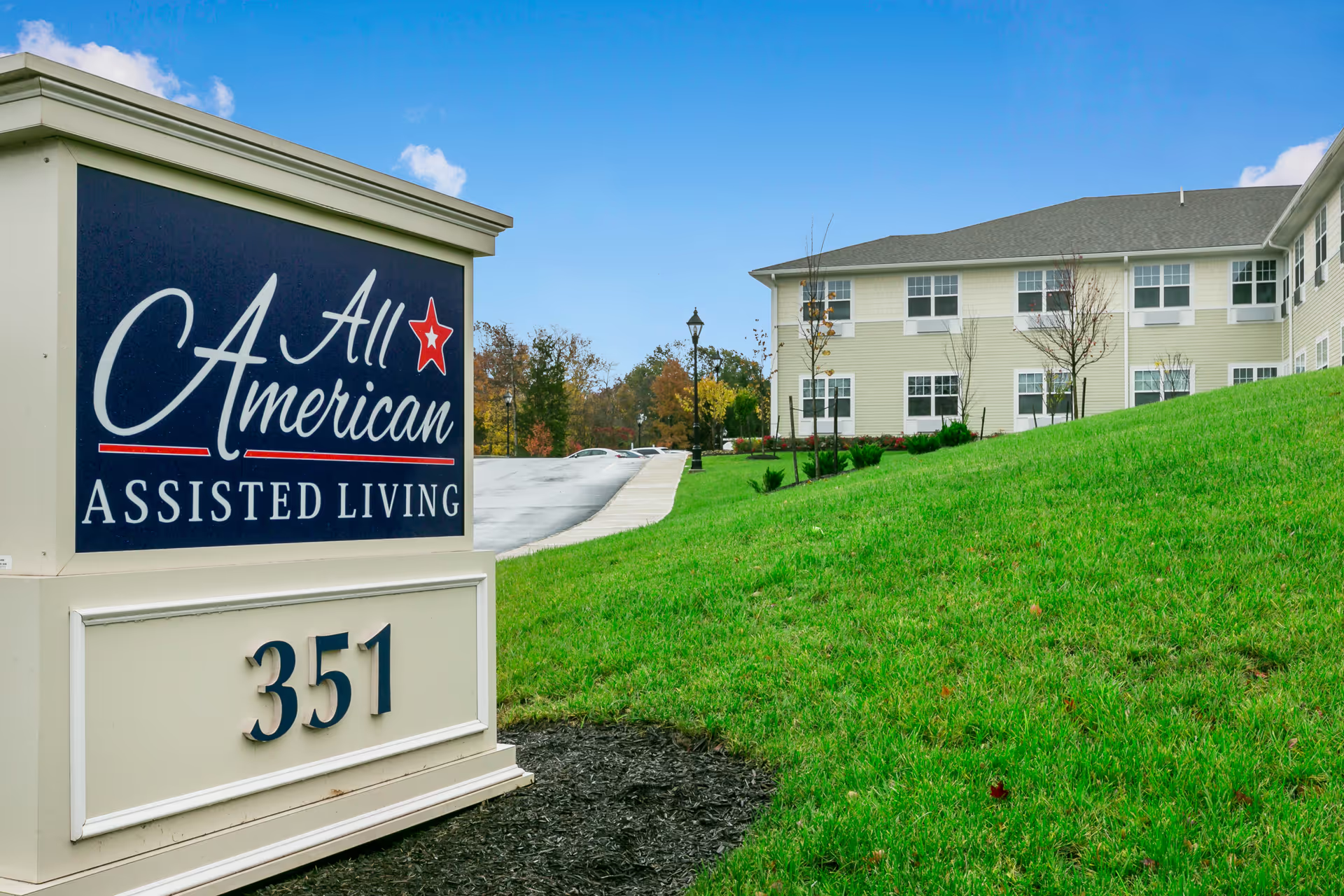
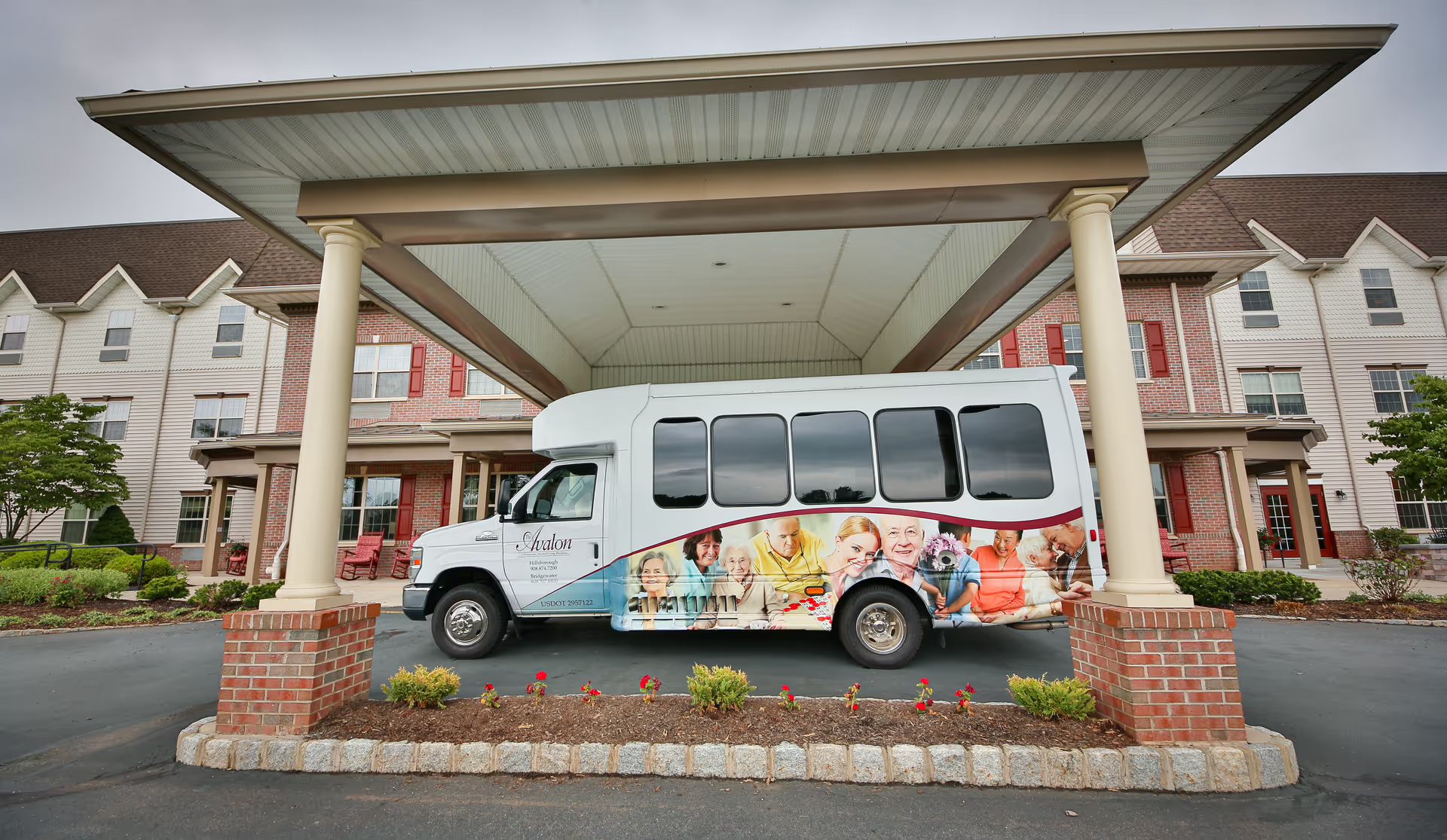
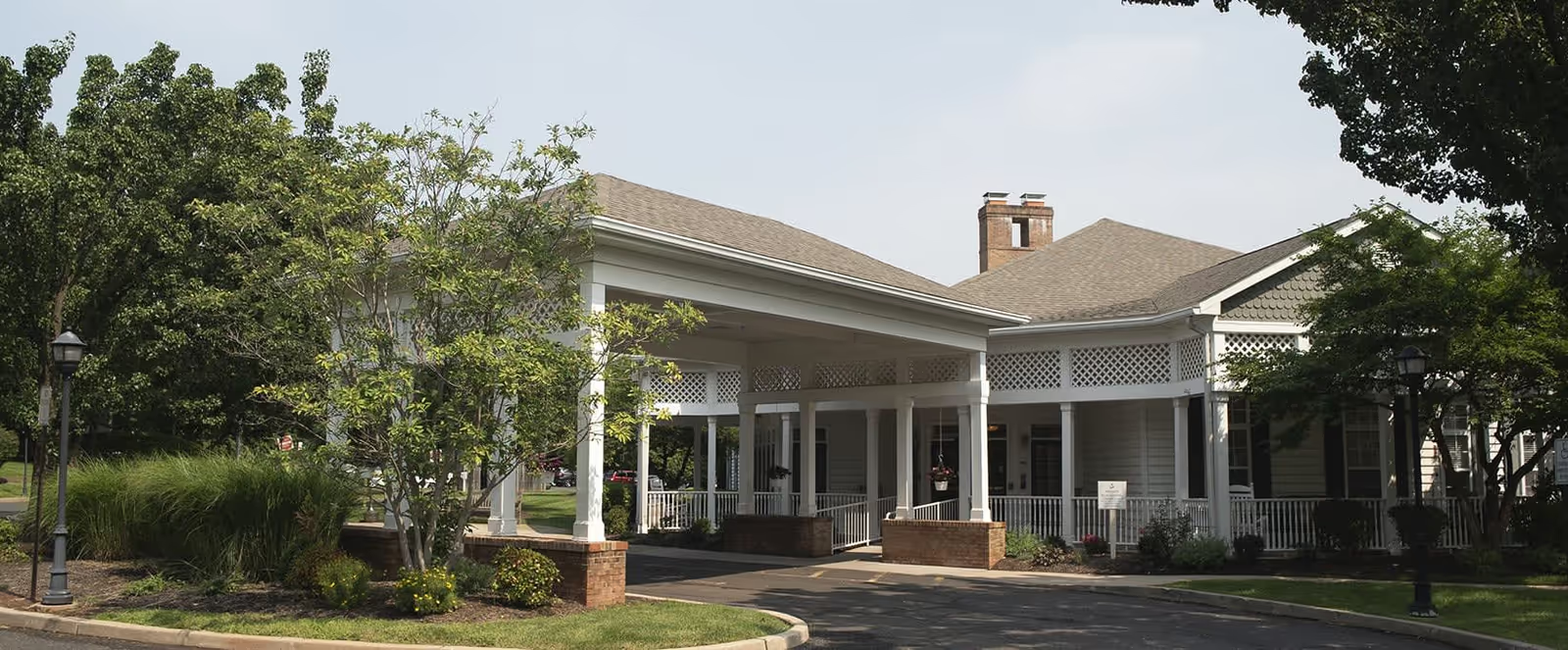
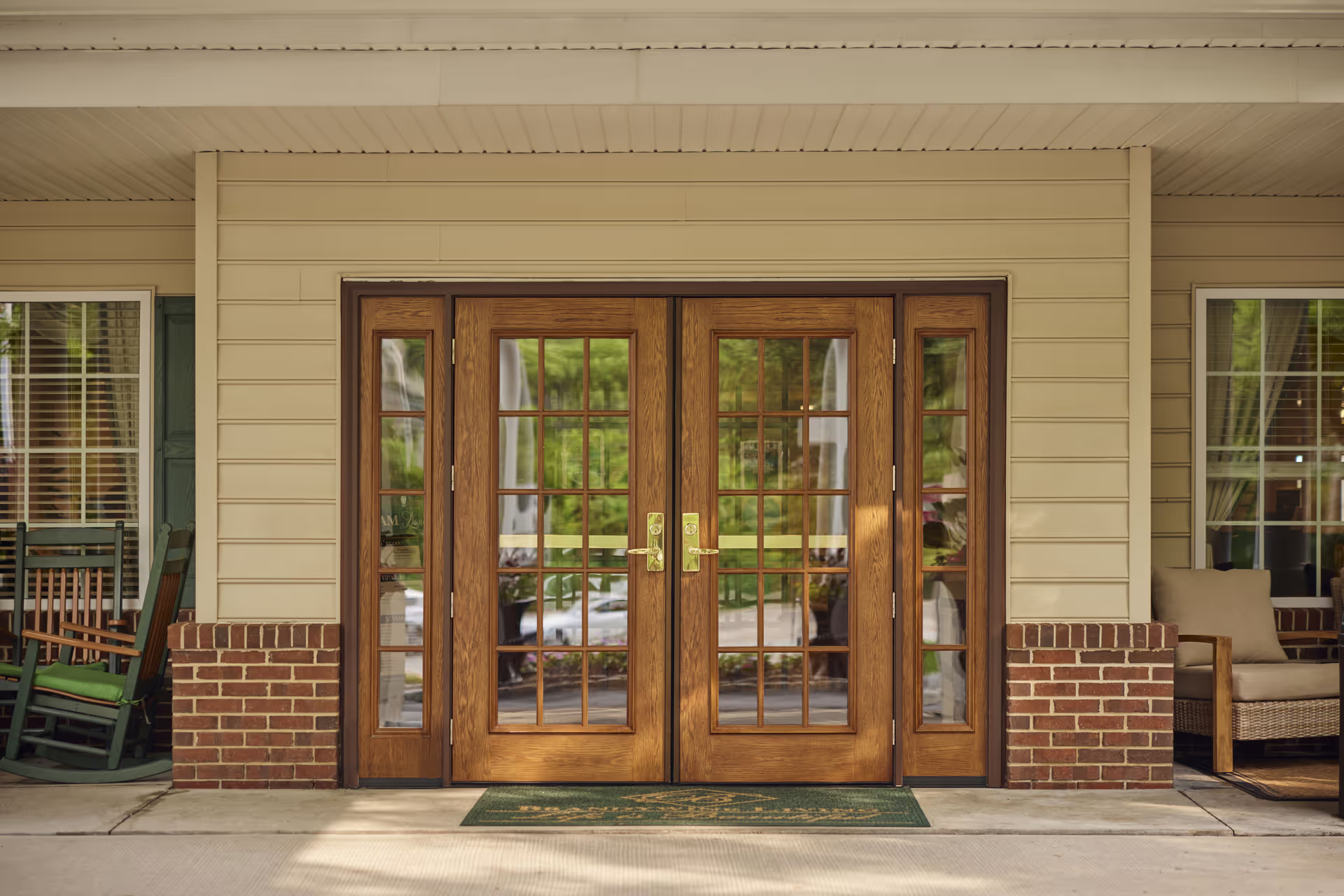
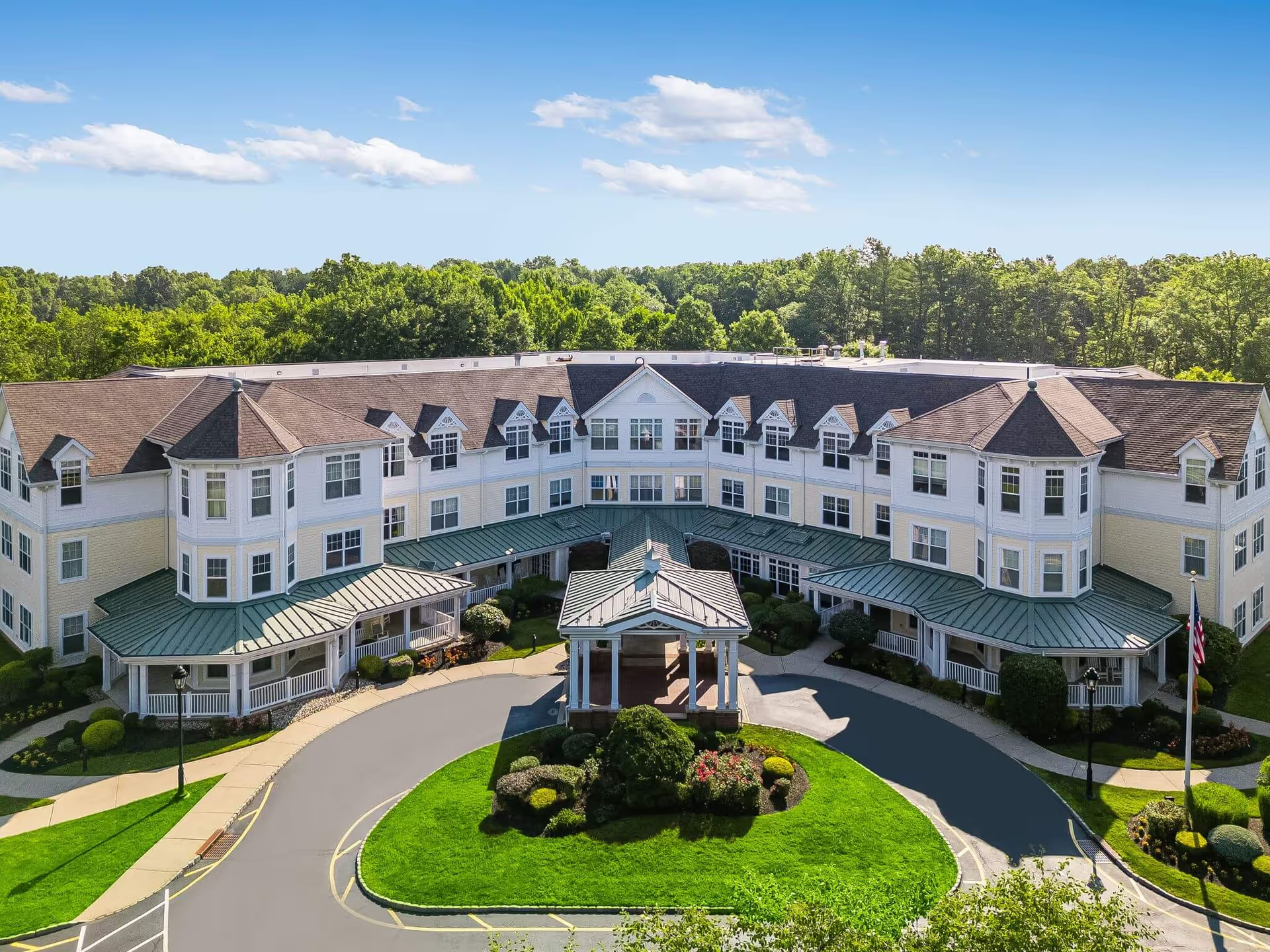
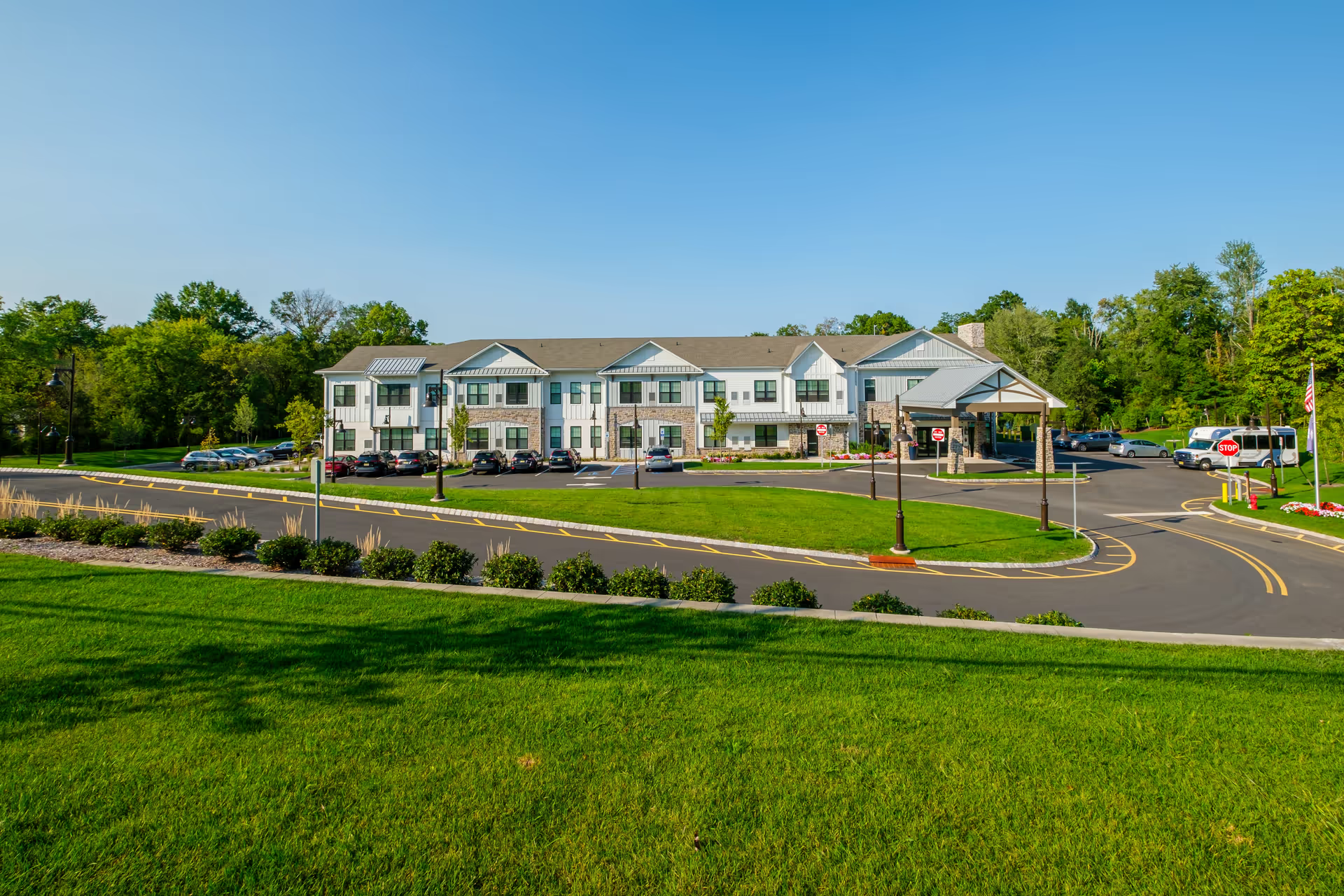
Overall impression: Sunrise of Bridgewater is frequently described as a new, well-appointed community with a resort-like, hotel ambiance. Families and visitors commonly cite the facility’s bright, home-like decor, multiple communal living areas, attractive landscaping and proximity to neighborhood resources. The physical environment is generally presented as clean, modern and intentionally non-institutional, which many find reassuring for both memory-care and assisted-living residents.
Care and staff: Front-line caregiving and memory-care staff receive consistent praise for compassion, attentiveness and dementia-specific skills. Reviewers emphasize personalized attention, teamwork among caregivers, effective family updates, and a family-oriented atmosphere. Several accounts highlight strong hands-on support during transitions and rehabilitation stays, with coordinated communication from nursing and therapy teams. At the same time, there are recurring concerns about variable staffing and responsiveness—particularly during overnight hours—indicating that service consistency can fluctuate depending on shift and unit.
Dining: Dining is often described as a strength, with restaurant-style service, fresh meals and a dedicated dining coordinator who provides individualized accommodations and meal packing when needed. Some reviewers called out first-floor dining as notably good. However, there is an identifiable pattern of inconsistency: meal variety and service speed vary by floor, some residents find offerings too salty or limited in selection, and there are occasional slow meal-service times. Families should expect strong culinary effort but also inquire about menu rotation and floor-specific meal options.
Activities and social life: The community offers an active calendar with live entertainment, family events, religious services, and intergenerational programming such as brunches. Activities coordinators are portrayed as responsive and open to suggestions. A few reviewers noted that activities have been moved to different locations or that frequency has been reduced, which can affect accessibility for some residents. Overall, engagement programming is a clear emphasis for the community.
Facilities and accessibility: As a newly built or recently opened community, physical spaces are modern, well-decorated and hotel-like, with many residents enjoying large windows, multiple gathering rooms and family-dining areas. Apartment sizes vary; some residents find rooms smaller than expected. Accessibility features require attention—several comments point out stand-up showers without built-in bench seating and other finishing details that affect ease of use for residents with mobility limitations. Families touring the community should verify unit layouts and accessibility accommodations.
Management and operations: Reviewers draw a distinction between strong, responsive first-line and middle management versus concerns about upper-management practices. Positive notes underscore helpful admissions staff and attentive unit managers; contrasting concerns involve communication and accountability at higher administrative levels, pricing transparency, a la carte charges and instances of supplemental or retroactive billing. Additional operational weaknesses relate to new-construction teething problems (unfinished areas, occasional kinks), technology setup issues (WiFi configuration) and the community’s preparedness for infrastructure disruptions. These operational patterns suggest that while daily resident care is often strong, families should seek clear written detail on fees, service inclusions and contingency plans.
Notable patterns and guidance: The dominant theme is strong, personalized caregiving in an attractive, activity-rich environment, making the community a compelling option for families seeking memory care or assisted living in a resort-like setting. Counterbalancing that, prospective residents and decision-makers should probe staffing consistency (including overnight coverage), floor-specific dining plans, bathroom accessibility features, fee structures and how the campus is addressing remaining construction or infrastructure items. Asking for written policies on billing, staffing ratios, meal schedules and contingency procedures will help clarify whether the facility’s operational practices align with a family’s expectations and needs.