Clover Rest Home receives strong praise for the quality of hands‑on caregiving and its rehabilitative services. Many families describe a family‑style culture, consistent nursing attention, and therapy teams (PT/OT) that produce measurable gains in mobility and function — in several cases supporting safe return home. The small, 33‑bed scale is consistently framed as a strength: it enables personalized attention, strong resident–staff relationships, and proactive discharge planning. Reviewers frequently single out compassionate aides, a service‑minded nursing team, and engaged ancillary staff (kitchen, laundry, entertainment) who contribute to a welcoming atmosphere.
Activities and therapy are notable operational strengths. The facility offers daily, rehabilitation‑focused programming with an engaged activities coordinator who fosters social engagement and functional recovery. Therapy departments are described as effective and “CAN‑DO” in attitude; when therapy is delivered with sufficient intensity families report good progress. Administrative responsiveness — including physician and administrator follow‑up — is also highlighted in positive experiences.
Areas of operational concern recur across the feedback and should be considered by prospective families. Several comments note inconsistent staffing coverage and responsiveness, which can translate into delays for routine care tasks (including toileting assistance and tableware turnover) and occasional meal‑service lapses such as temperature and presentation. Dining receives mixed feedback: some find the home‑style food comforting, while others note inconsistent temperature and limited accommodations for specialized diets. Although many applaud the clinical teams, there are also concerns about medication‑management practices and variable rehabilitation intensity that yield uneven outcomes for some residents. A subset of families raised issues about staff conduct and communication tone, and there are mentions of billing, Medicaid coordination, and privacy‑related process gaps; one serious allegation concerns use of a resident likeness in marketing.
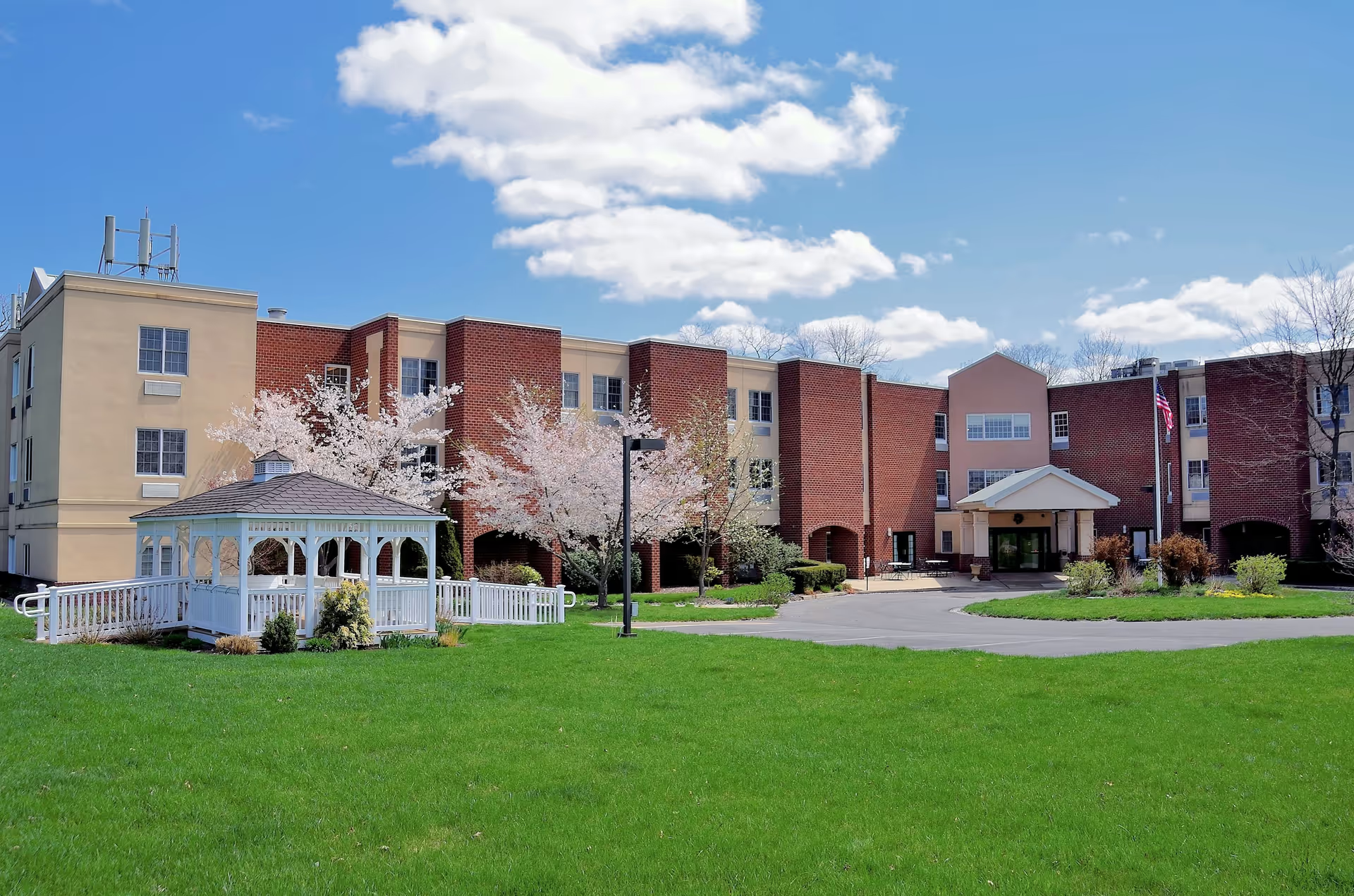
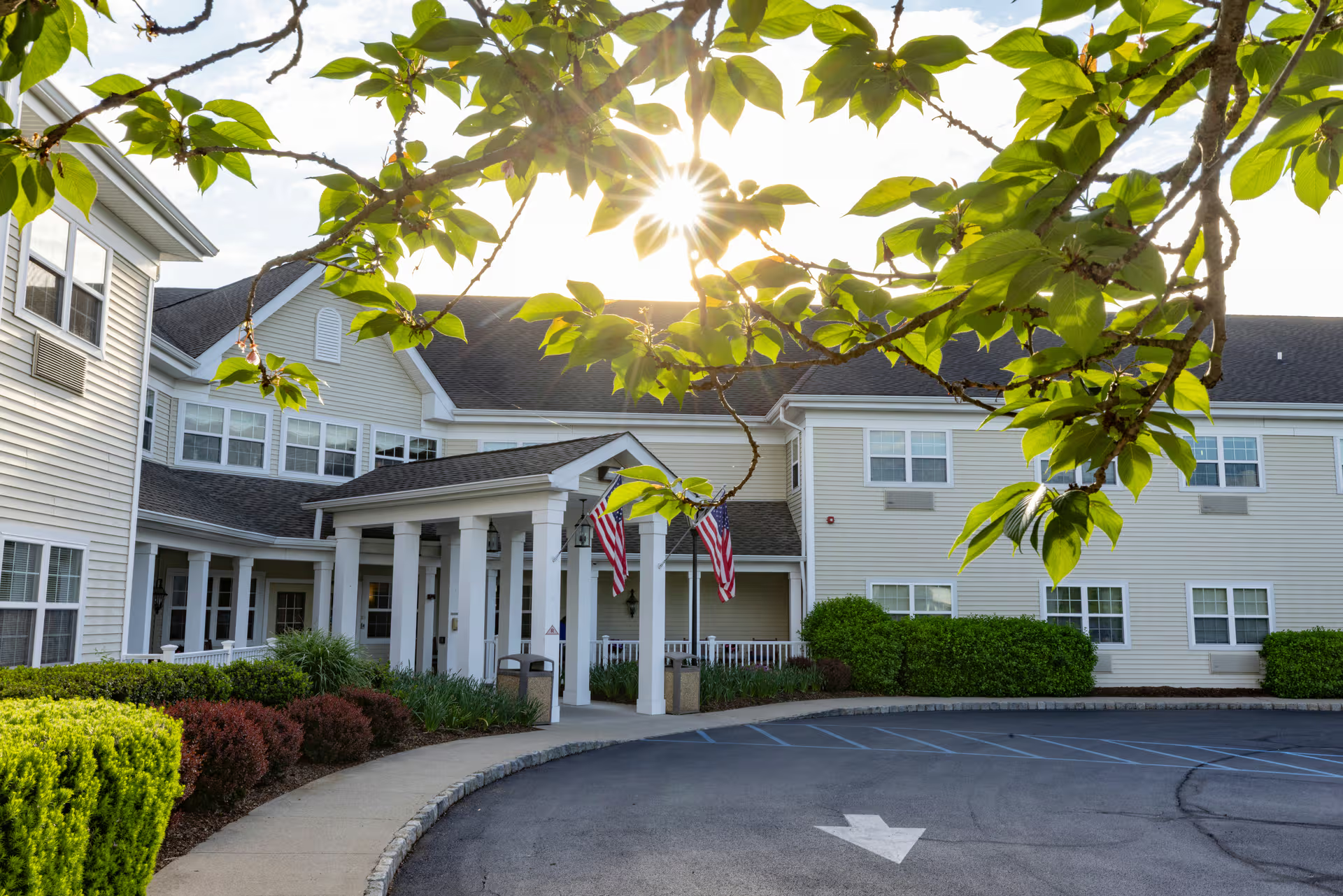
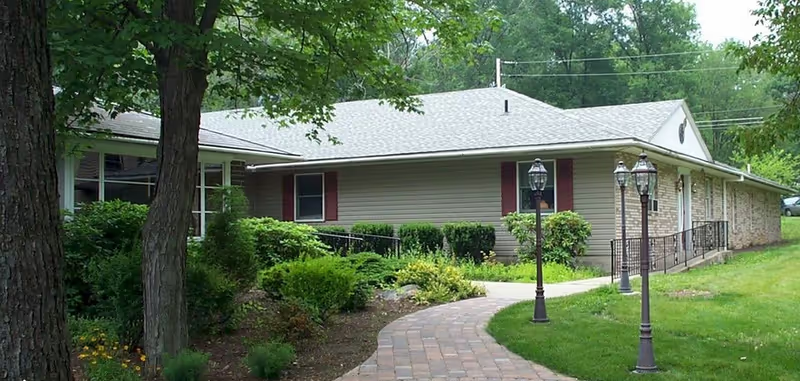
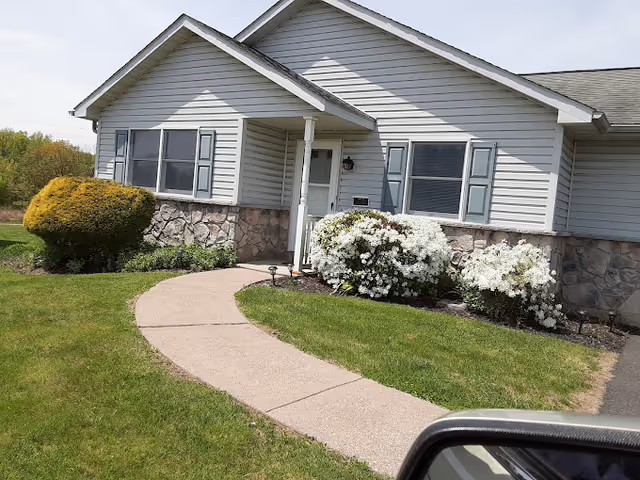
The physical plant is generally clean and cared for, but the building is described as older and in need of cosmetic updates by some visitors. For families considering Clover Rest Home, the facility's strengths — close interpersonal care, strong therapy when delivered, and a small‑home atmosphere — align well with residents who benefit from individualized rehab and a familial setting. When evaluating placement, ask specific questions about current staffing ratios, medication oversight protocols, dietary accommodations (especially for diabetes), how routine‑care tasks are scheduled and audited, and the facility’s policies on billing, privacy, and marketing consent. Observing a meal service and speaking with the therapy lead and administrator can help clarify whether Clover’s operational practices match the positive clinical culture many families describe.