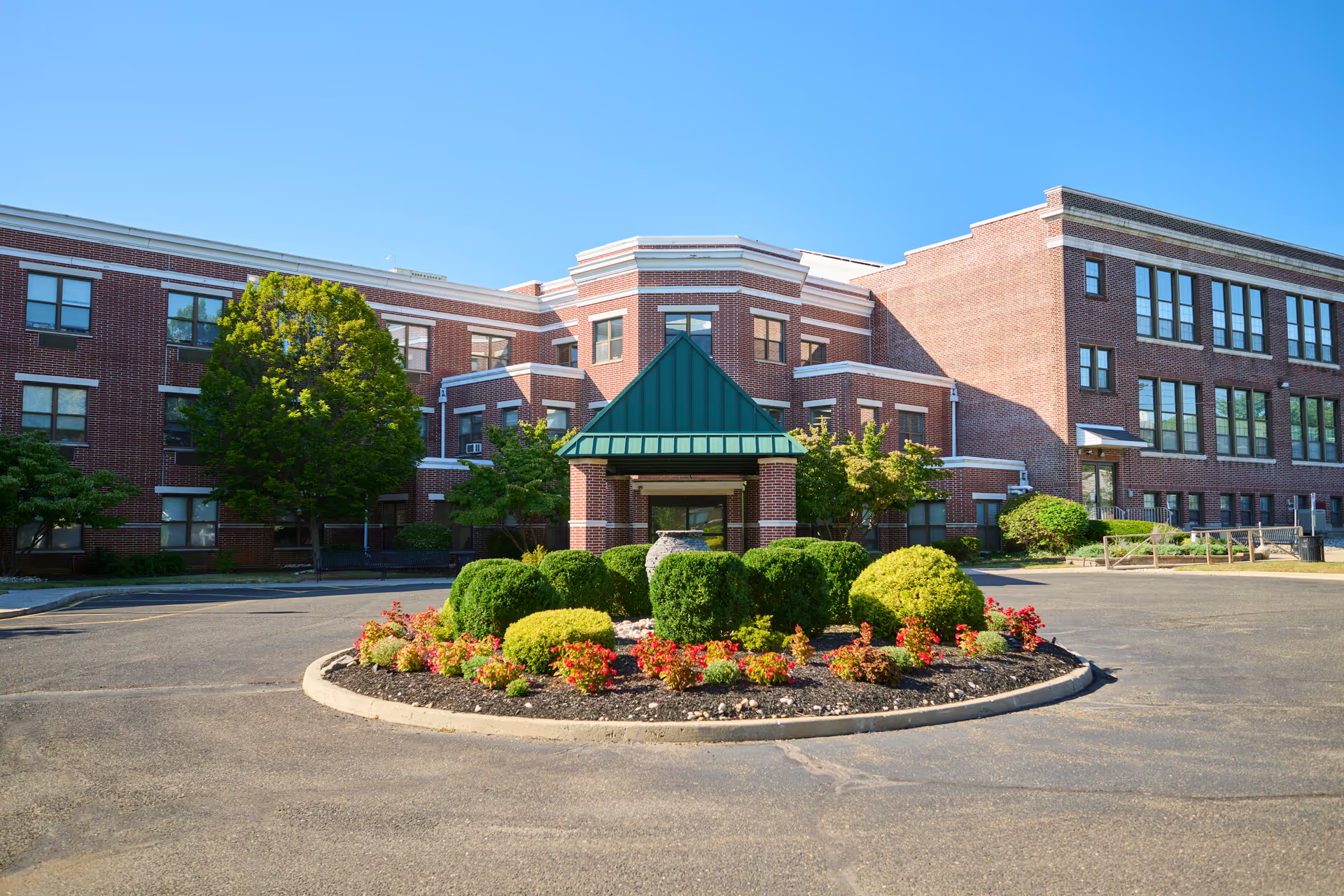
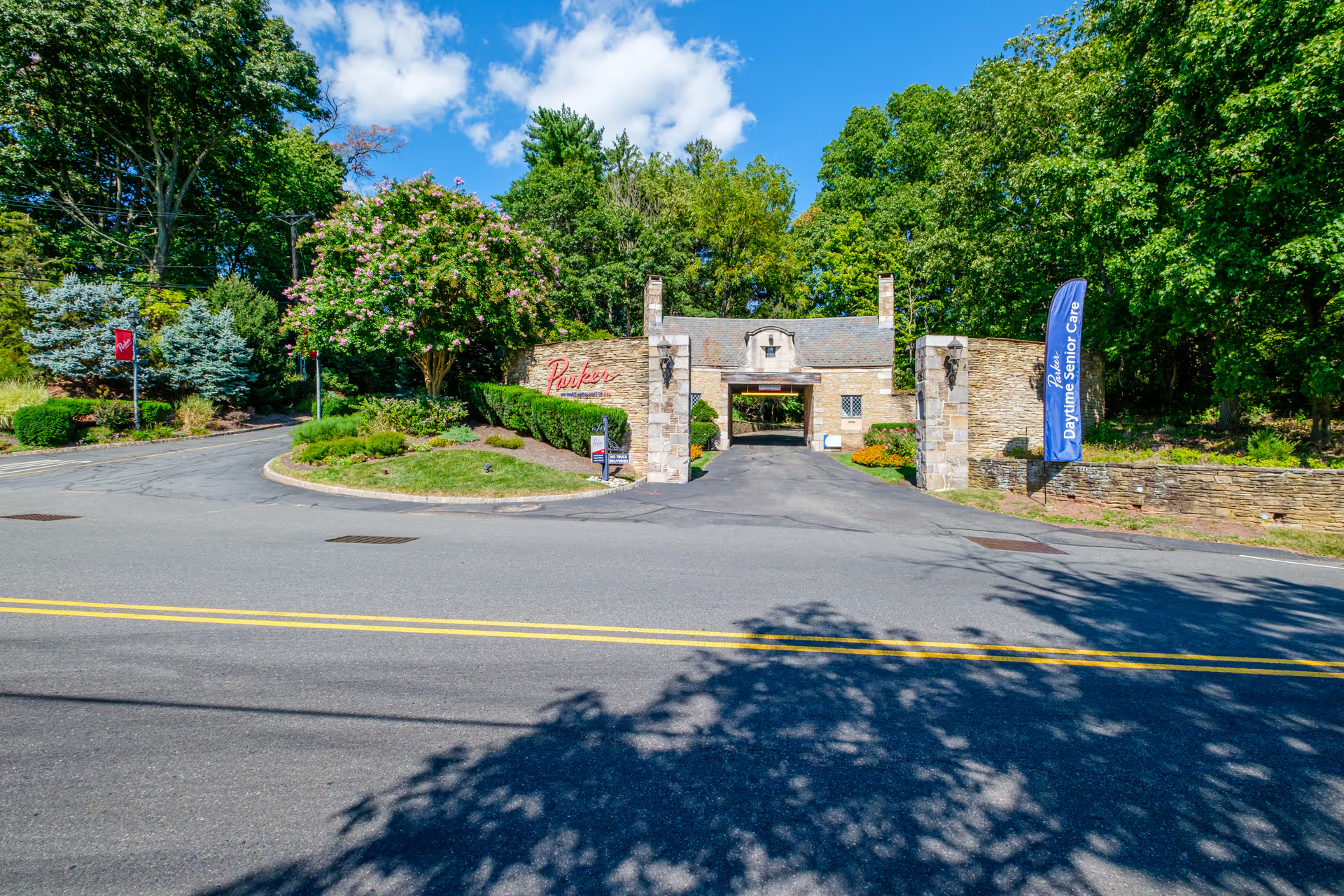
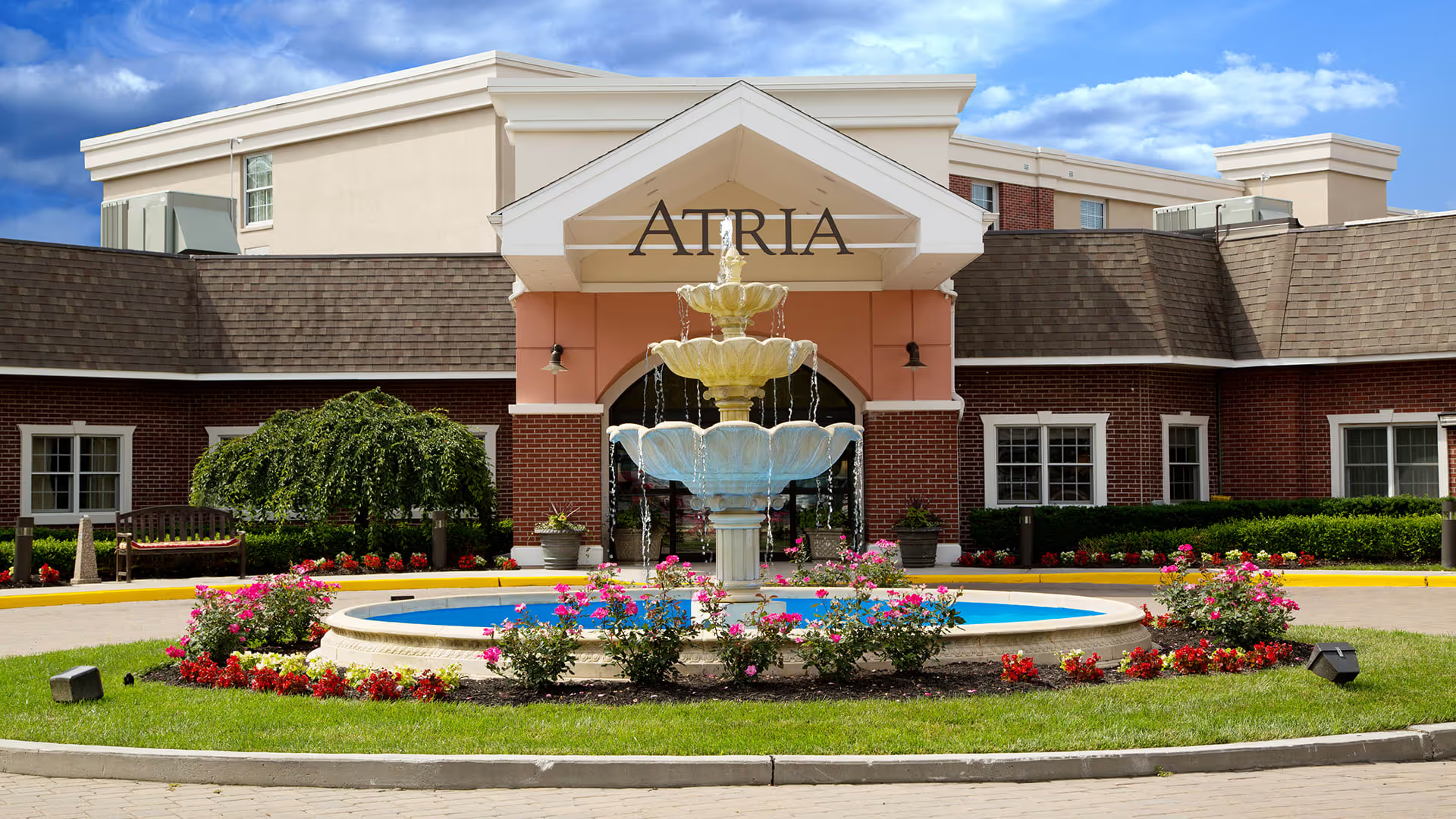
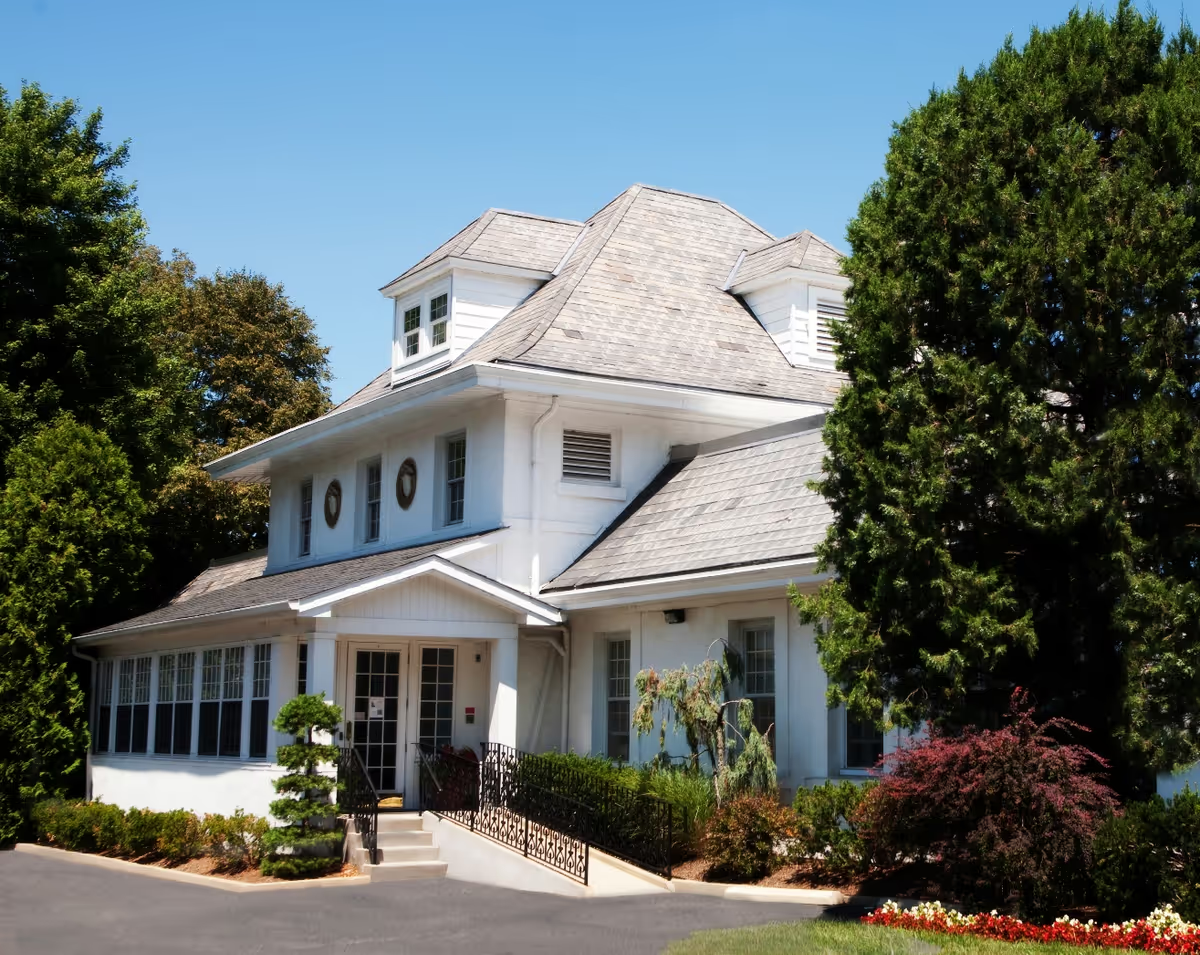
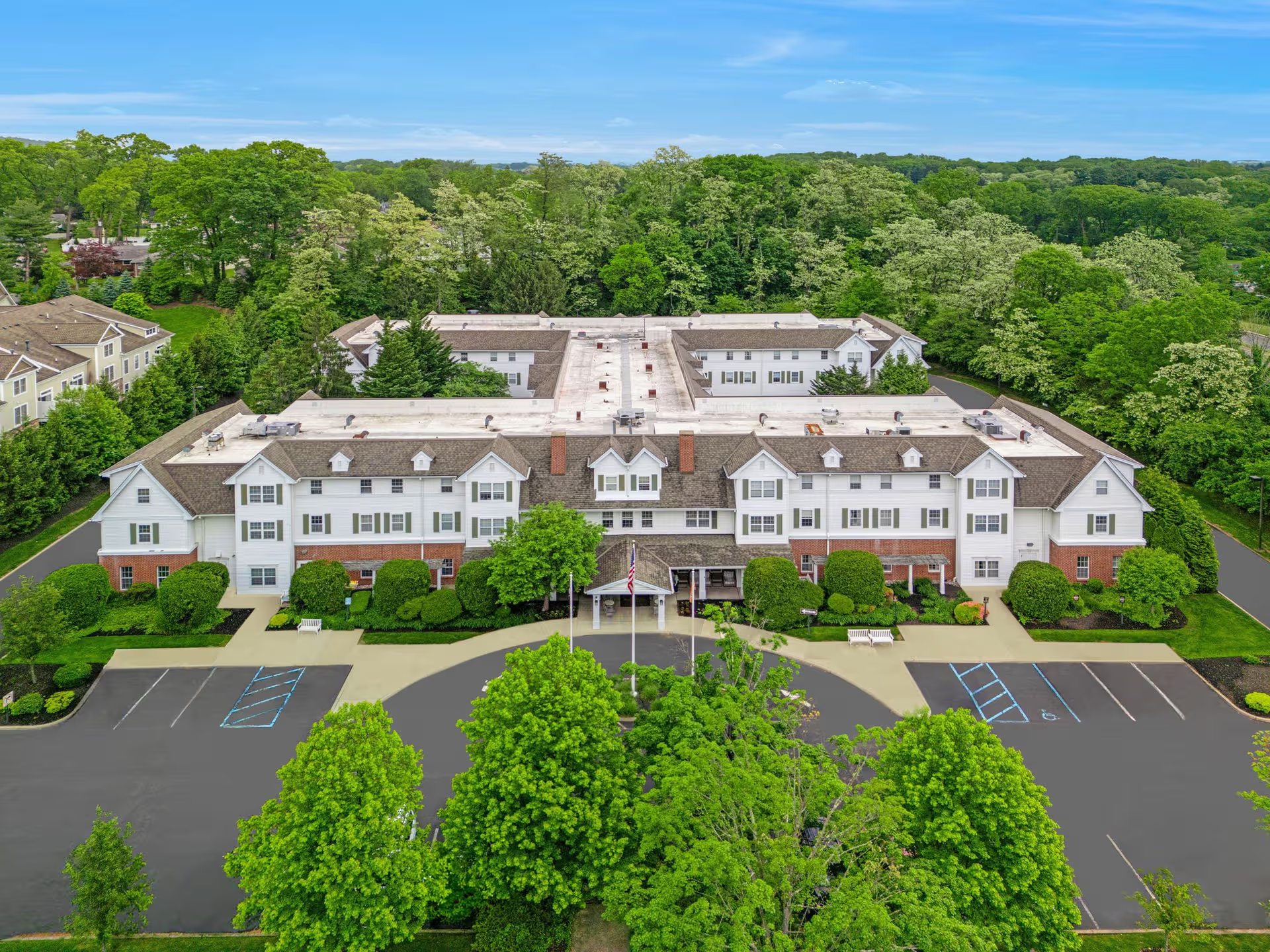
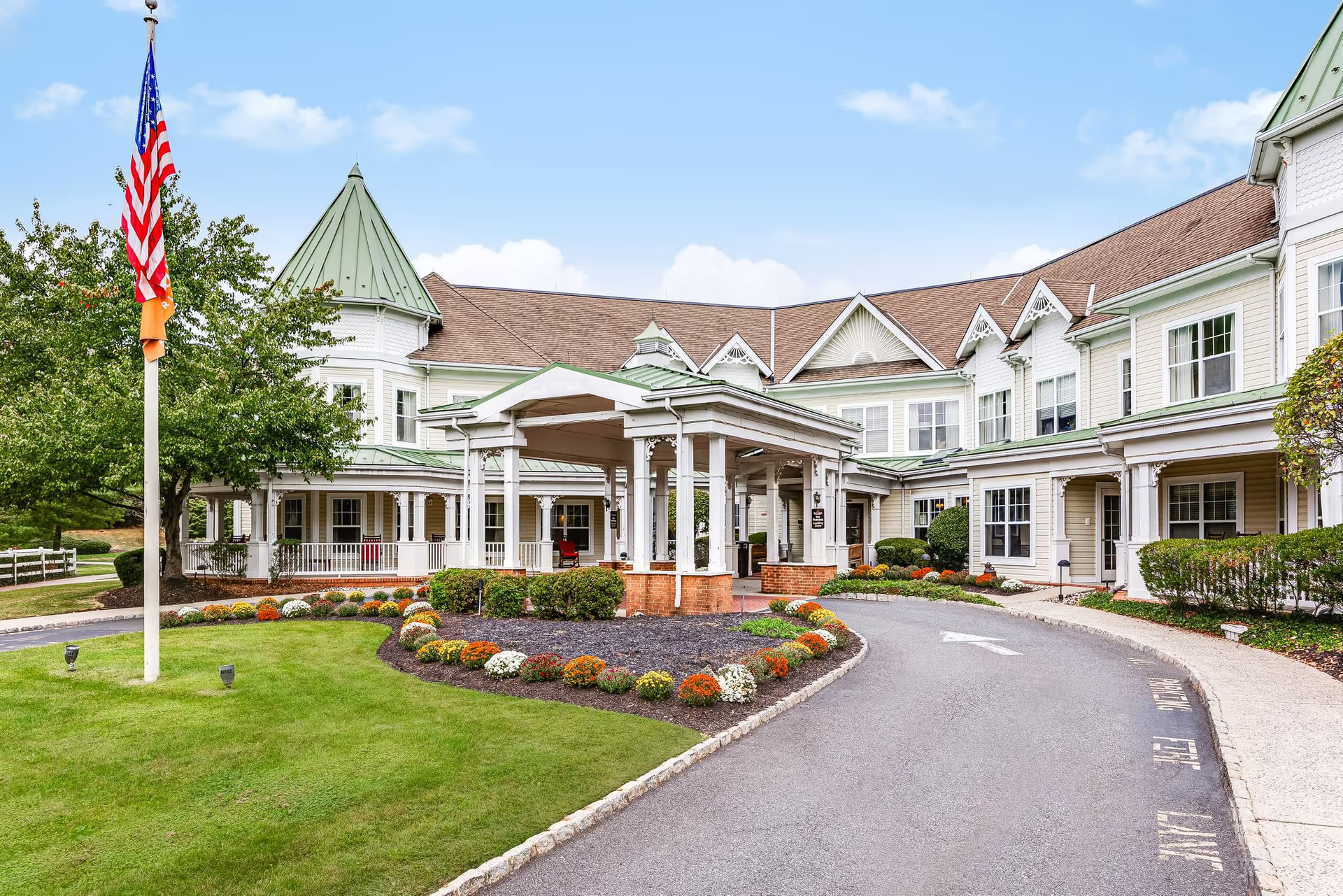
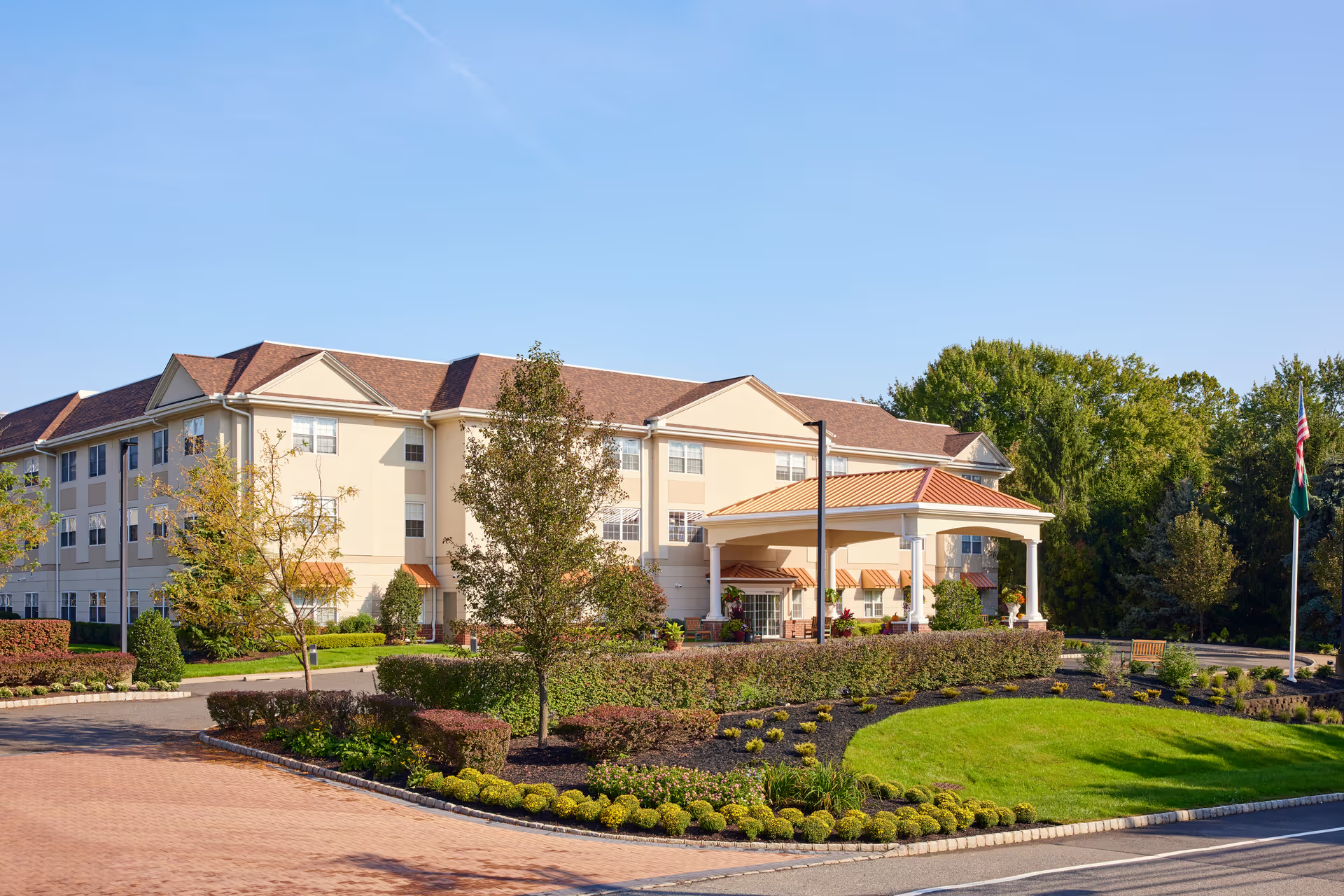
Complete Care at Whispering Woods presents a mixed profile in the reviews summarized. Many families and visitors describe a pleasant, hotel-like environment with attractive public spaces, well-furnished rooms, landscaped outdoor seating, and a broad set of on-site amenities such as a library, salon, game and TV rooms. The facility is frequently praised for its event programming — holiday luncheons, entertainers, outings to restaurants and shows — and for offering transportation, laundry, and respite services that support families and residents.
Staff quality is a prominent positive theme: numerous comments highlight compassionate, courteous, and professional caregivers, attentive front-desk personnel, and staff who facilitate smooth admissions and transitions. Several reviewers credited specific nurses and managers with effective communication and strong leadership, and some families reported meaningful clinical improvements after placement. At the same time, a contrasting pattern emerges around staffing and responsiveness. Reviews describe inconsistent staffing levels, turnover, and delays in attending to residents’ personal-care needs. Those operational issues are associated with concerns about adherence to care plans and monitoring, including wound/skin-integrity care and management of medical devices.
Dining and nutrition receive mixed assessments. The facility’s communal dining spaces and flexible seating are consistently viewed positively, and special meals and events are appreciated. However, reviewers also cite inconsistent meal quality, limited fresh produce and vegetable offerings, and interruptions to meal-service continuity. There are mentions of meals being delivered inconsistently or discarded, which points to weaknesses in meal logistics and monitoring of residents’ intake.
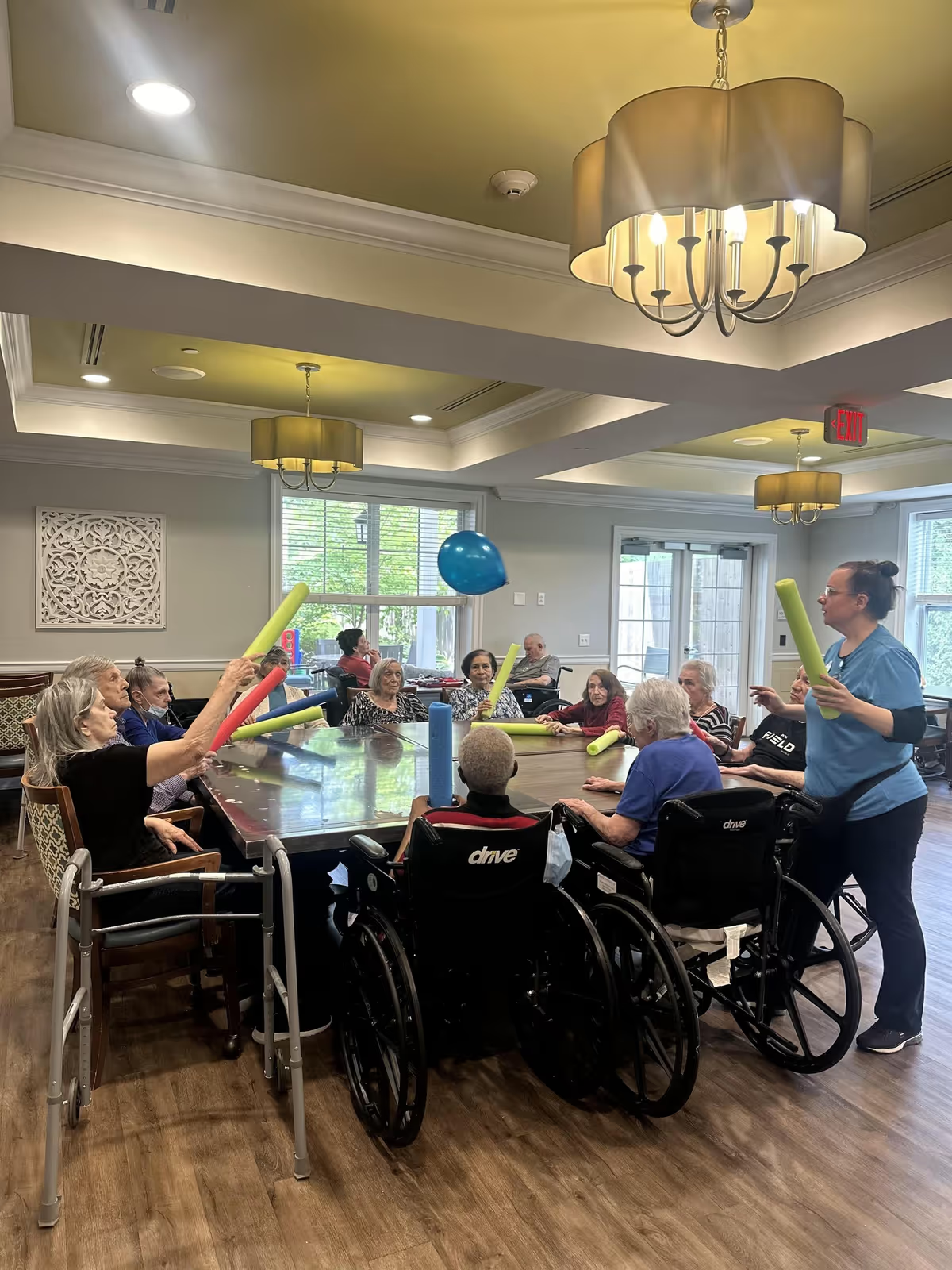
Activities and social programming are strengths when fully staffed: arts and crafts, regular games, movies, scheduled outings, and dementia-friendly activities contribute to a lively community atmosphere. Several reviewers noted reductions in programming following management changes or budget adjustments, with activity options becoming more limited or television-centric during those periods. Prospective residents who prioritize an active schedule should verify the current activity calendar and staffing for recreation.
Facility upkeep and operations also have a dual character in the summaries. Many observers praise cleanliness, bright rooms, and a well-kept environment; others report inconsistent housekeeping, dusty rooms, and supply gaps. Temperature control and HVAC reliability are recurring operational concerns that can affect comfort. Financial and management topics are another area of divergence: some families commend attentive leadership and responsiveness, while others describe fee increases, perceived profit-driven decisions, unresolved complaints, and reduced programming tied to cost-cutting.
Notable patterns for prospective families: there is a substantive cluster of comments signaling operational variability — core strengths exist (amenities, compassionate staff, events), but those strengths appear sensitive to staffing levels and management continuity. Some families relocated residents and reported clinical improvement after transfer, while others emphasize positive long-term experiences and strong endorsements. When evaluating this facility, families should prioritize an in-person tour, ask for current staffing ratios and turnover metrics, review recent health-inspection or survey records, clarify policies on clinical oversight (wound care, device management), obtain sample menus and meal-service protocols, confirm HVAC and temperature controls, and request the up-to-date activity schedule and budget for recreation. These steps will help determine whether the facility’s operational realities align with a prospective resident’s needs and expectations.