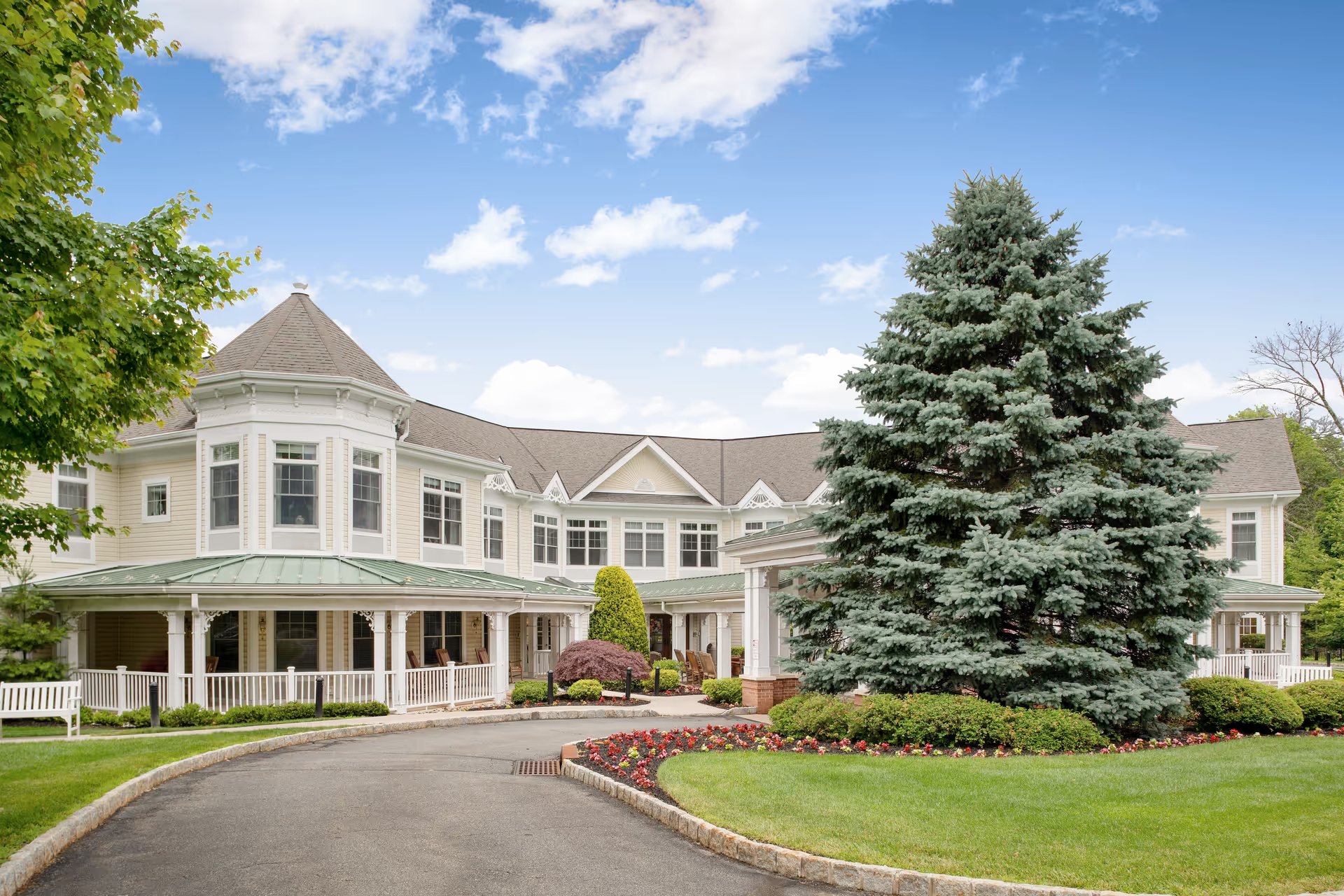
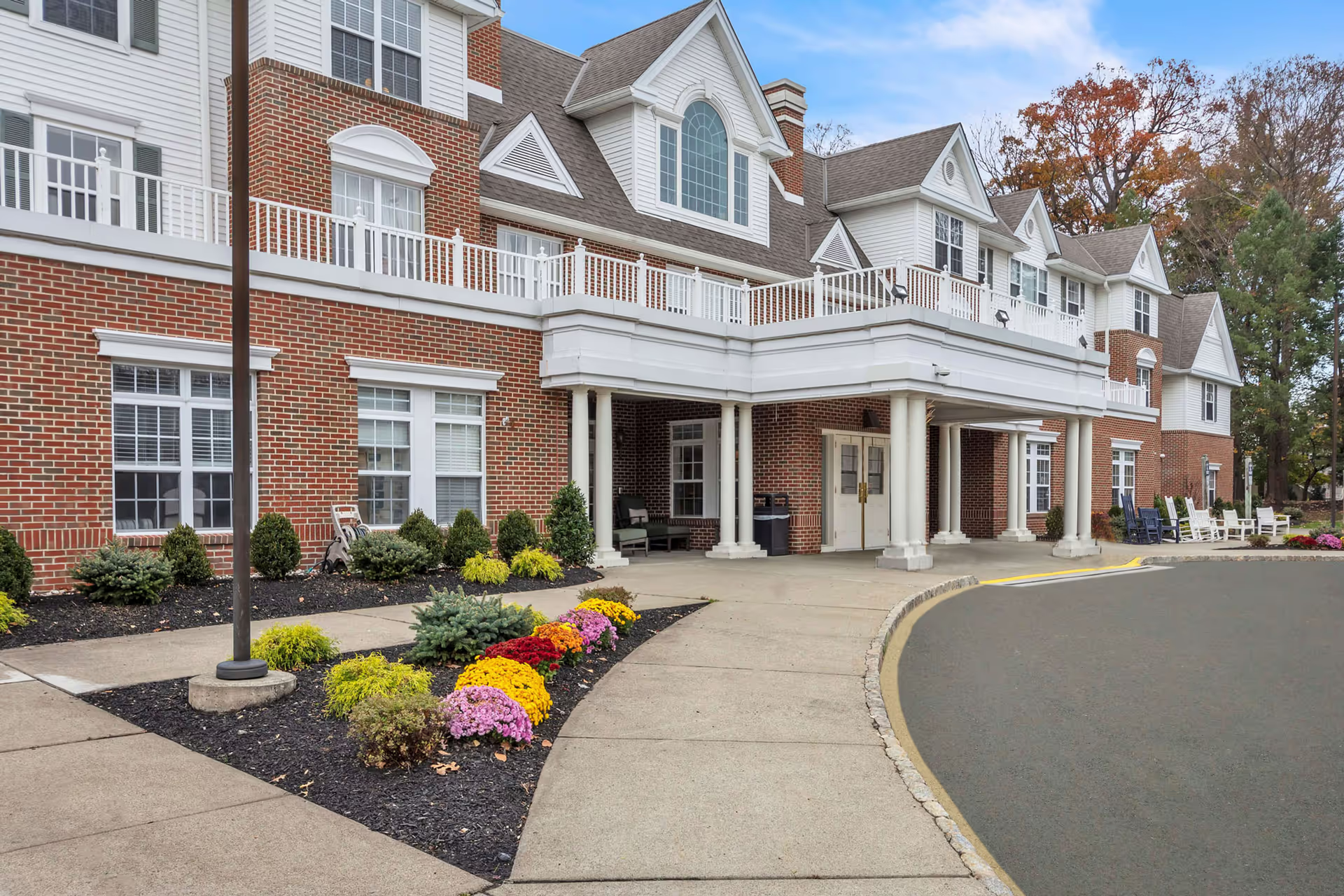
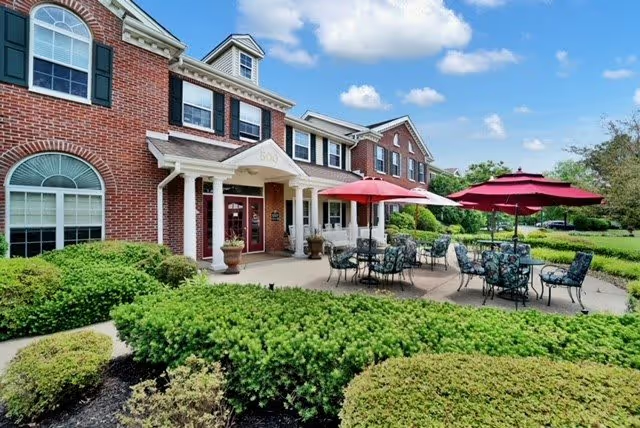
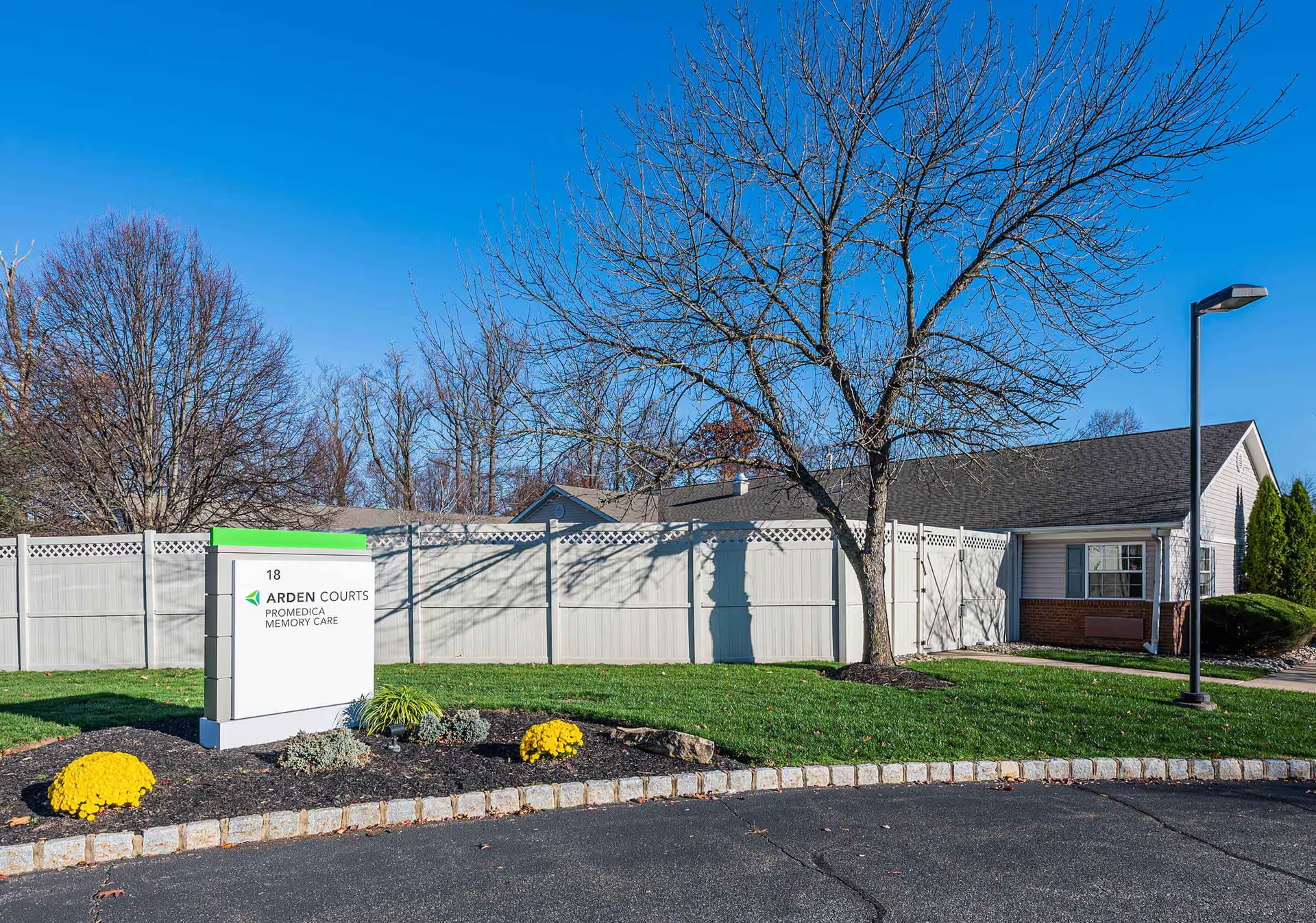
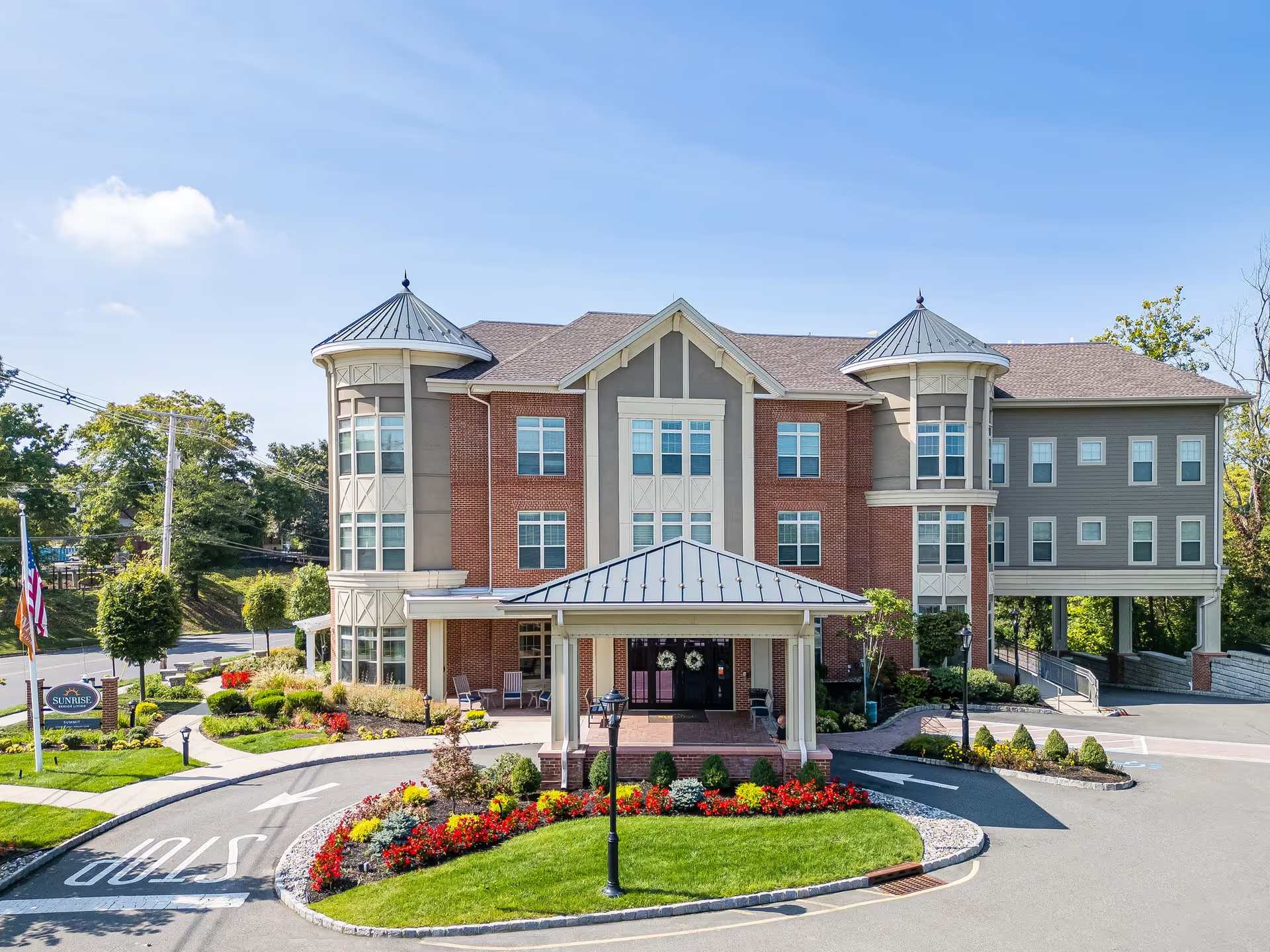
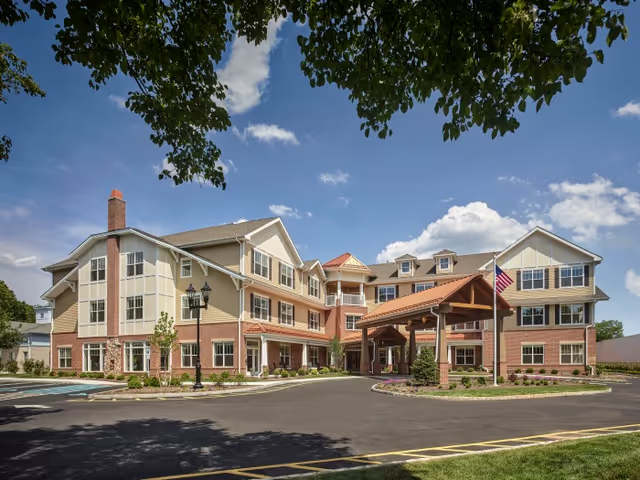
The Delaney at the Green presents as a newly constructed, upscale senior-living community with a strong emphasis on design, amenities, and a resort-like resident experience. Review summaries consistently highlight spacious apartments with full kitchens and high-end finishes, a striking lobby, and a range of on-site conveniences such as multiple dining venues, a pub, a cappuccino station, gym, salon, theater, art studio, and outdoor amenities including a dog park. Its rental model — offering independent, assisted, and memory-care services without a buy-in — and month-to-month options appeal to families seeking flexibility and a continuum of care in a convenient location near medical centers and shopping.
Staff and day-to-day care receive largely positive descriptions: many accounts describe warm, compassionate, and knowledgeable staff who create a welcoming, family-like atmosphere and assist with doctors’ appointments and transitions. Concierge and front-desk teams are repeatedly noted as helpful, and several individuals working at the community drew specific praise for their engagement with residents and visitors. The activity program is robust, with regular social, recreational, and cultural offerings (card games, exercise classes, arts, live music), which supports an active, socially connected lifestyle.
Dining and fee structure are a mixed area. The community offers multiple dining venues, made-to-order buffet options, and specialty beverage stations, and includes a monthly dining credit that many residents use. However, the dining-credit model can be complex, and there are references to potential additional charges beyond the included credit. Food quality assessments vary — while some describe dining as excellent, others indicate room for improvement. Prospective residents should clarify dining inclusions, typical out-of-pocket costs, and menu consistency during a visit.
Notable operational concerns emerge around clinical care and communication. A subset of reviewers raised substantive concerns about clinical decision-making, adherence to medical instructions, and the handling of residents with cognitive impairment. These comments suggest gaps in individualized dementia-care planning, occasional restrictive or inconsistent care protocols in memory care, and episodes of delayed or unsatisfactory family communication. While many families express confidence in the caregiving team, these contrasting accounts point to variability in care experiences and oversight.
In sum, The Delaney at the Green is characterized by high-quality physical plant, broad amenities, a lively activity calendar, and a generally compassionate staff culture. At the same time, cost and value considerations, the complexity of the dining-credit system, and occasional concerns about clinical decision-making and communication — especially regarding memory-care residents — warrant further inquiry. Prospective residents and family members would benefit from an on-site visit that includes detailed questions about dining fees, written care-planning protocols, dementia-care approaches, medication/medical-instruction handling, and examples of how the community communicates with families about clinical issues.