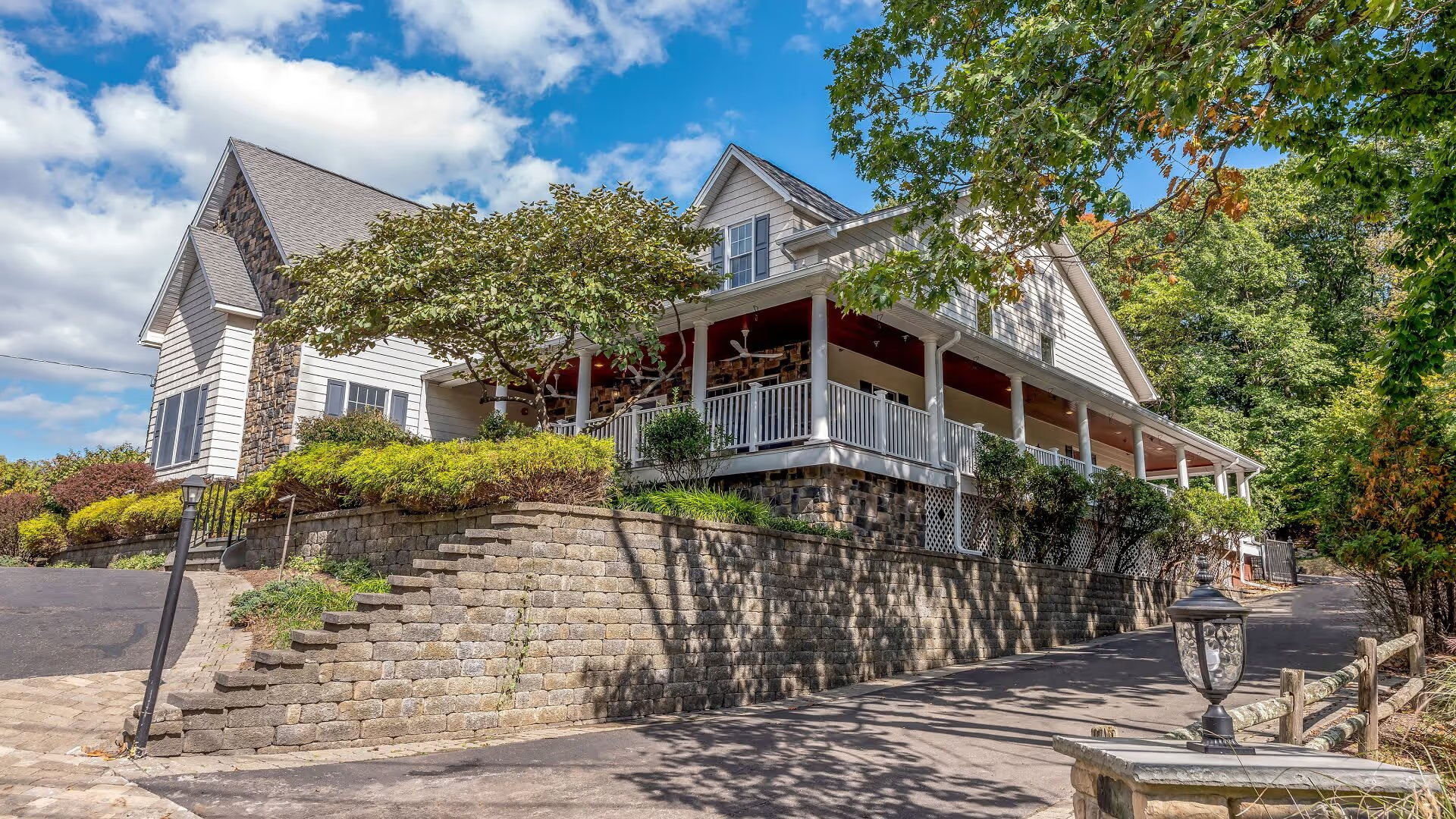
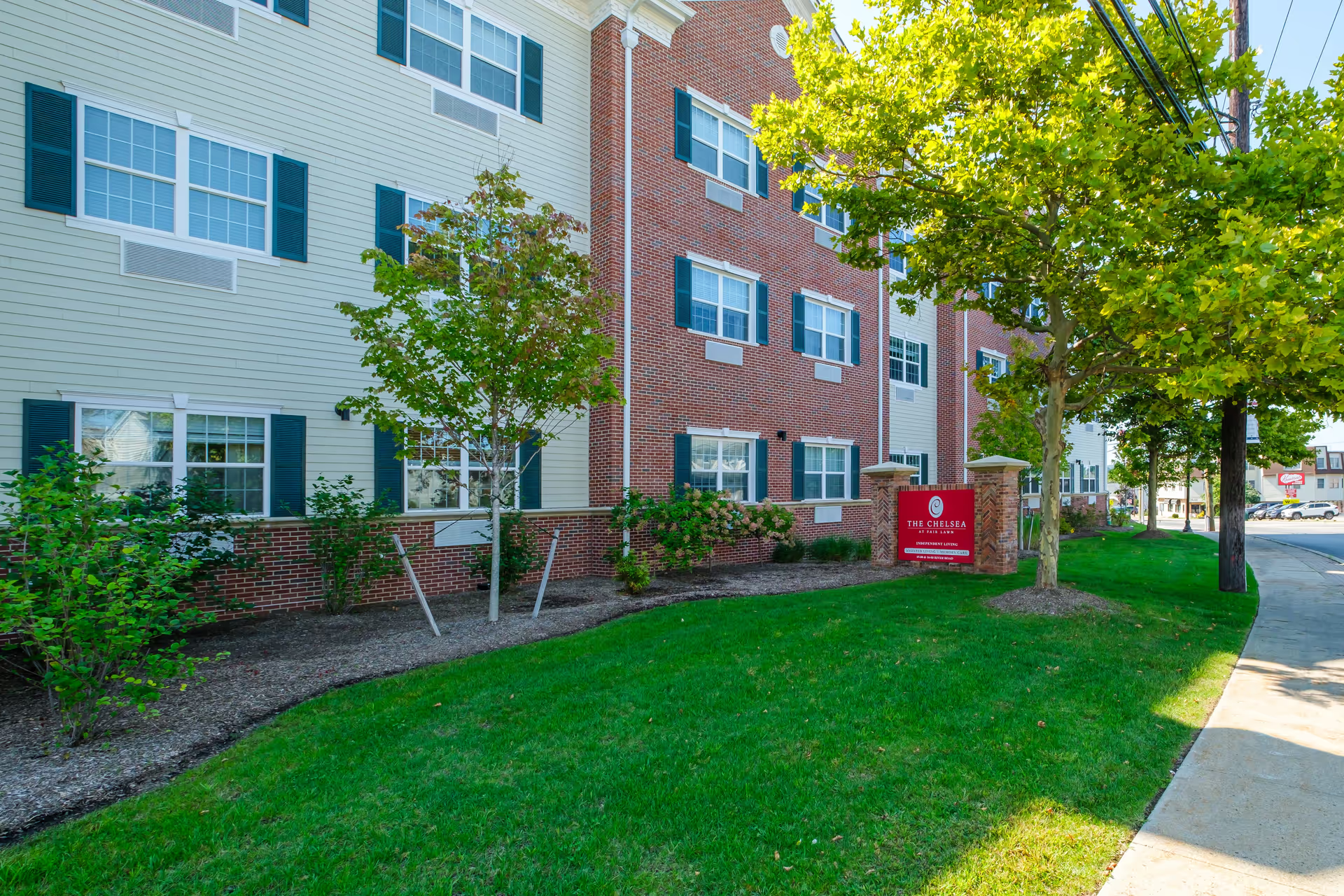
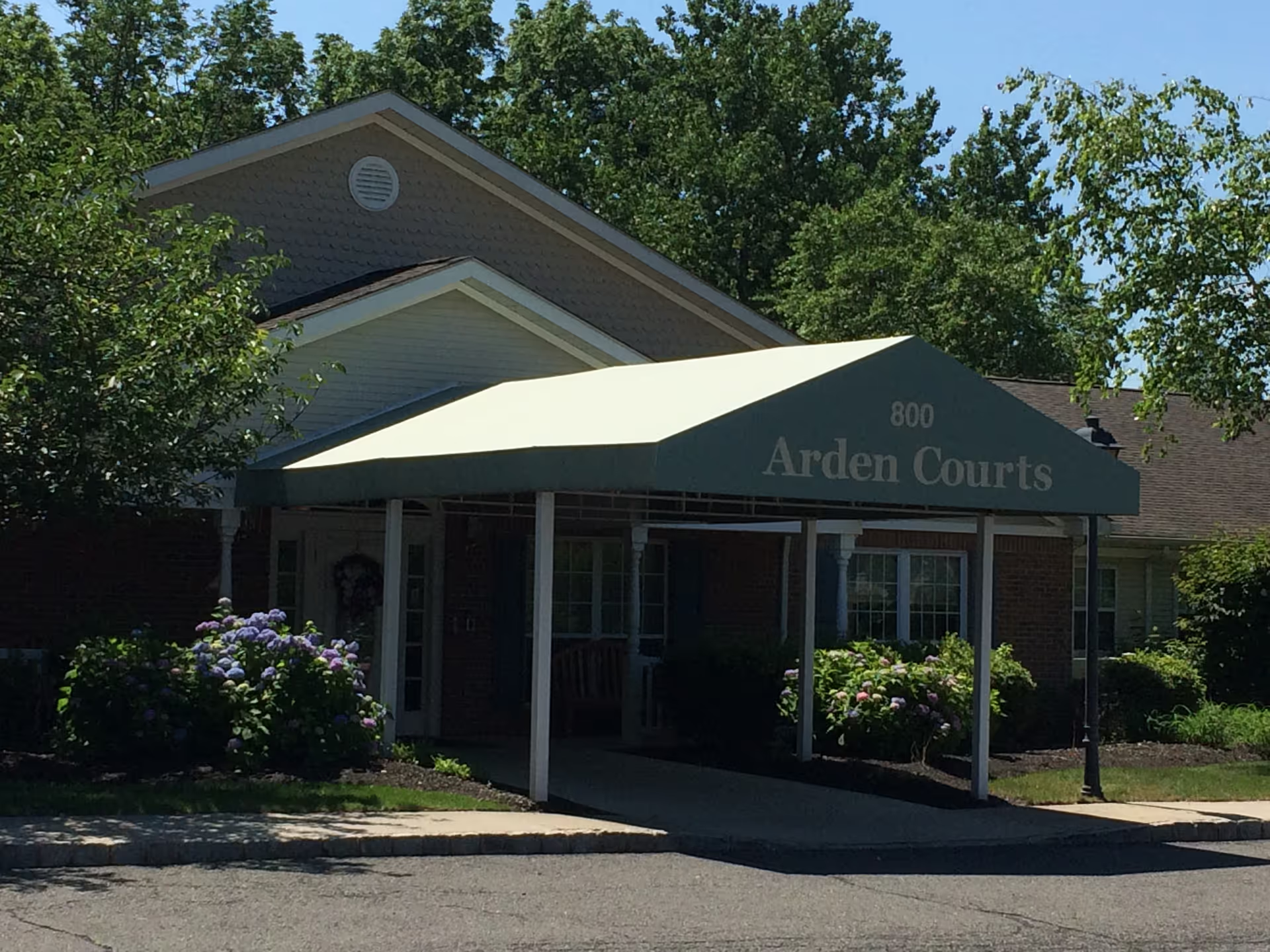
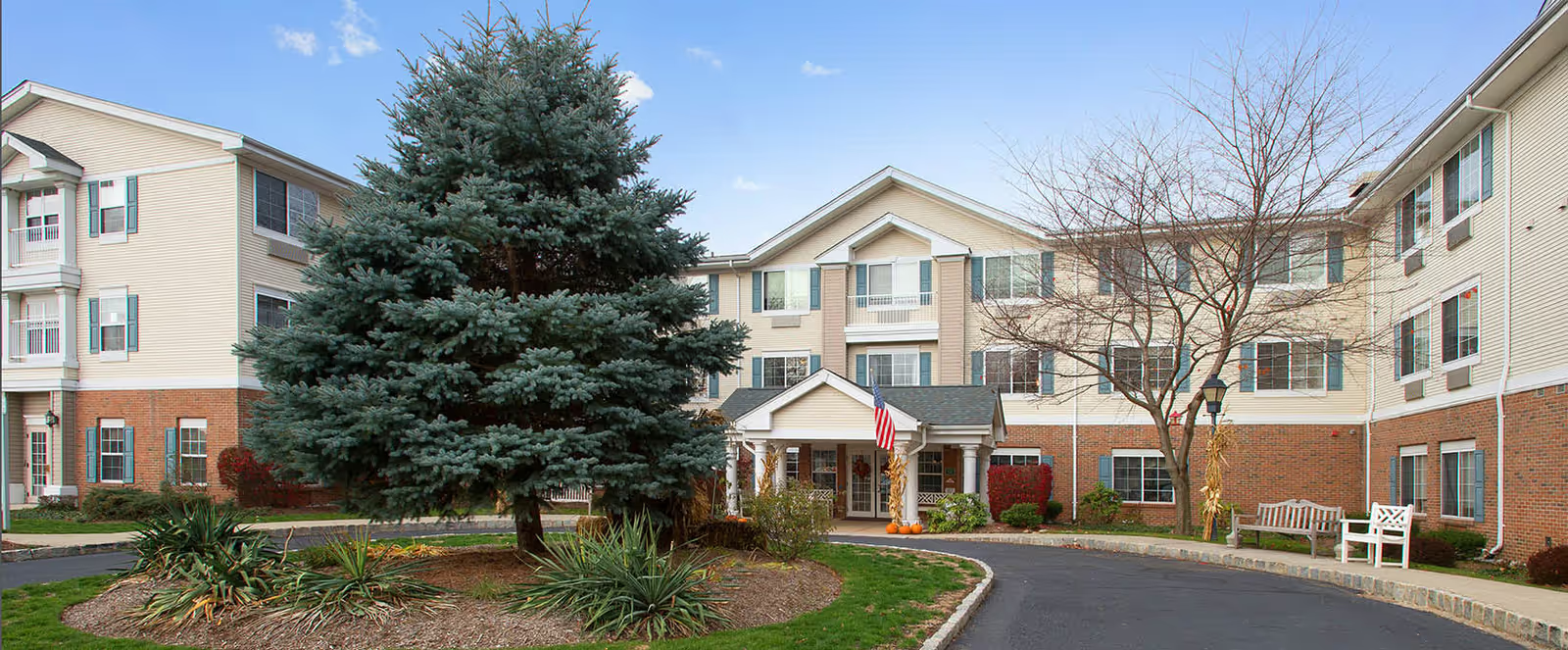
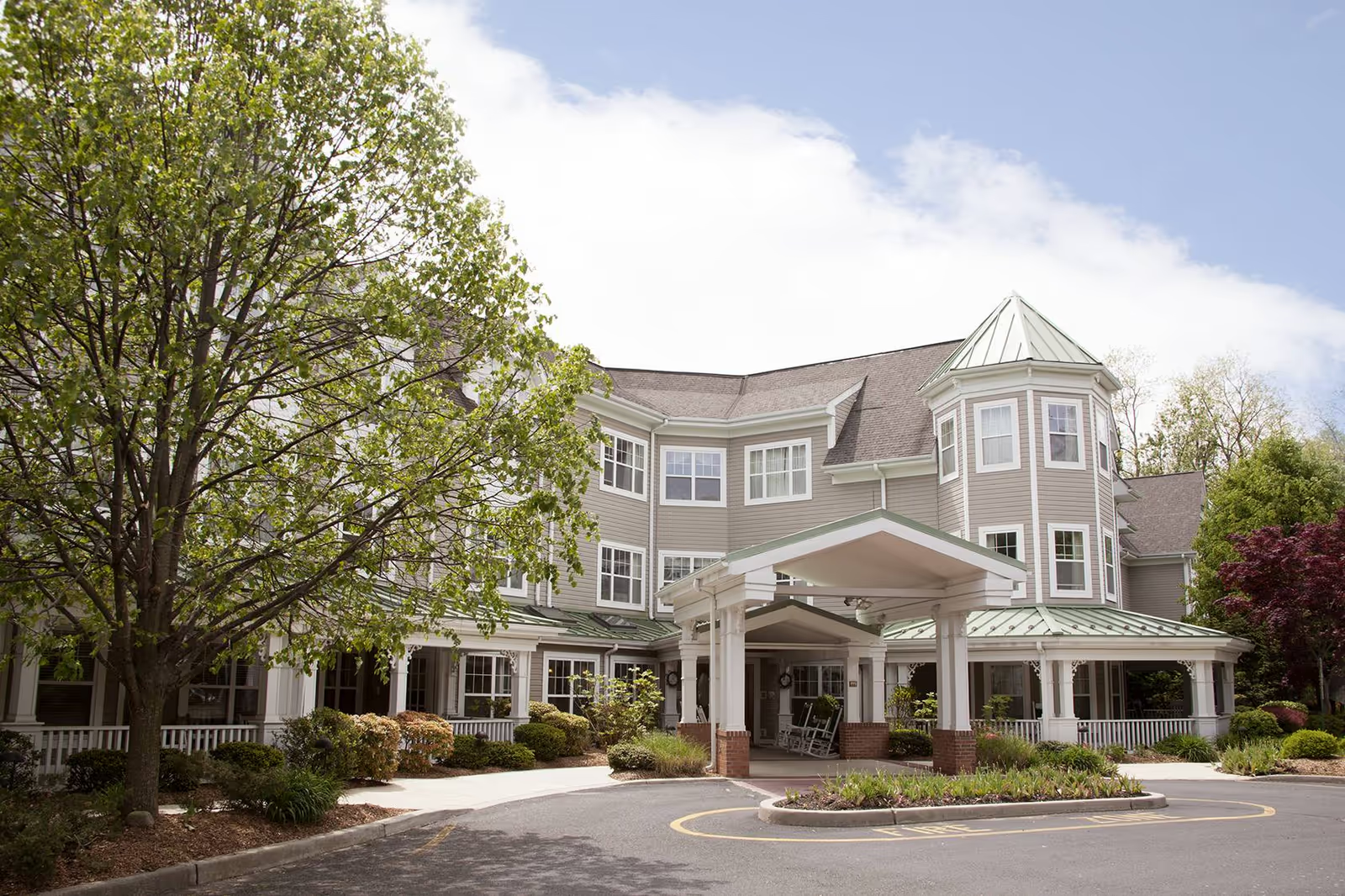
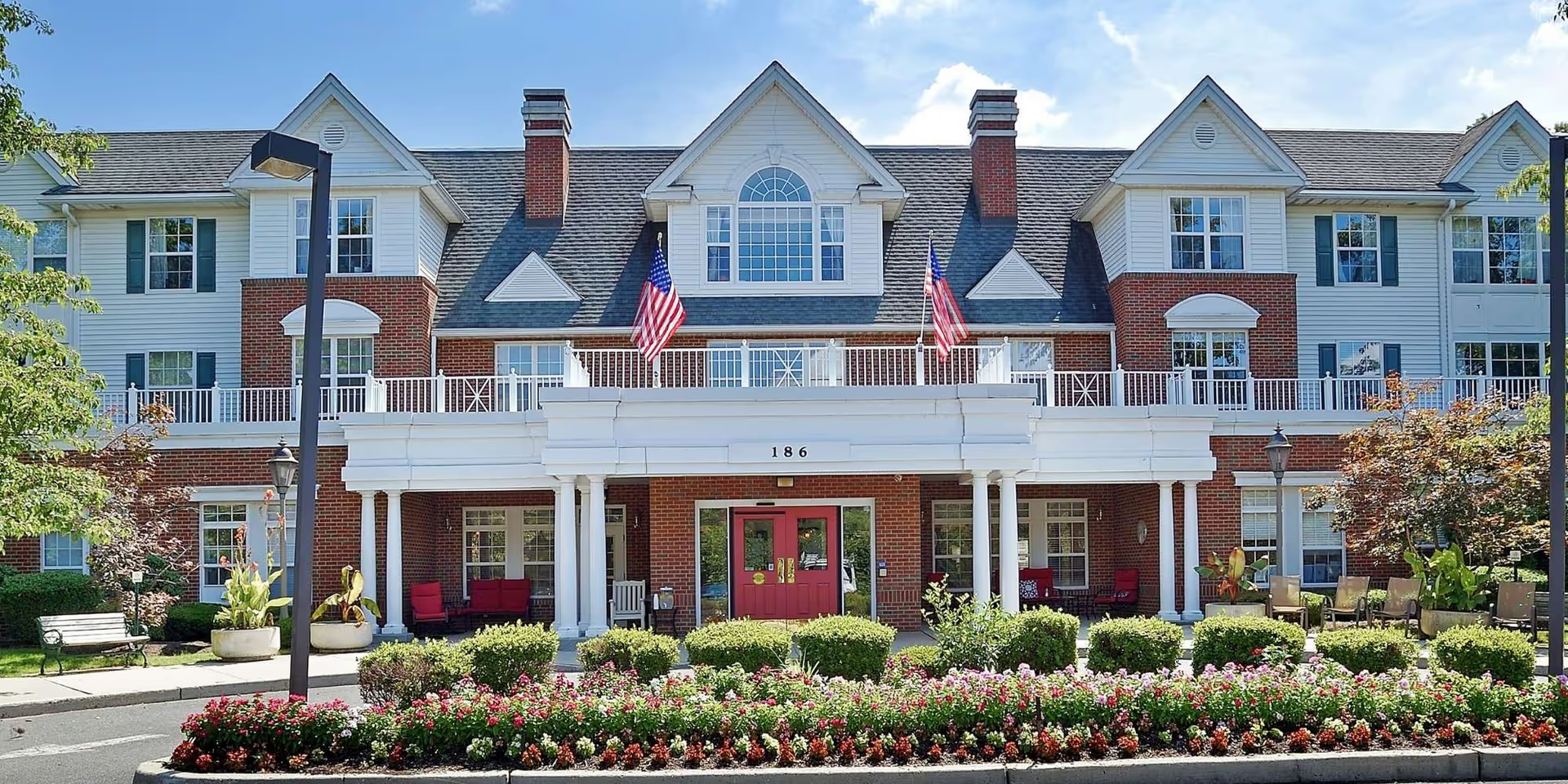
Overall impression: Van Dyk Park Place is described across reviews as a family-owned, hotel-like senior community with strong strengths in staff culture, cleanliness, and social programming. Many families highlight a warm, home-like atmosphere, proactive leadership communication (newsletters, quick callbacks), and a visible emphasis on infection control and resident safety. The facility's scale, decor, and outdoor spaces are often characterized as attractive and well-maintained.
Care and staff: Reviewers consistently praise the compassionate, attentive nature of nursing and caregiving staff, noting skilled on-site nurses, occupational and physical therapy services, and hospice support when needed. Staff are frequently described as responsive to family communication and attentive during transitions such as move-in and end-of-life care. At the same time, several comments point to operational strains: intermittent understaffing, higher patient-to-aide ratios at times, and staff turnover that can affect continuity. These operational patterns can create variability in day-to-day responsiveness and continuity for some residents.
Dining: Dining is a prominent aspect of the community experience. The dining room and bistro are repeatedly described as attractive, and many reviews praise customization and accommodating substitutions. A number of families describe the food as delicious and professionally presented. However, there is a recurring theme of inconsistent meal quality: some reviewers report bland or tough entrées and variable vegetable preparation. This creates a mixed picture—generally strong presentation and service, with occasional variability in cooking execution and resident satisfaction.
Activities and social life: Van Dyk Park Place receives strong marks for programming. The activities department is frequently singled out for creative events, theme parties, live music, Broadway-style entertainment, bus outings, exercise classes, religious services, and memory-focused activities. These offerings support social engagement and family participation. Reported limitations include reduced programming during infection-control periods and fewer evening activities than some families would prefer. Memory-care units appear to offer daily activities and outings, but reviewers note variability in clinical outcomes and transfer frequency that suggest program quality may be uneven between units or over time.
Facilities and amenities: The physical plant is described as clean, cheery, and well cared for, with spacious public rooms, seasonal decorations, private gardens, and apartments that often feature abundant daylight and quality finishes such as granite countertops. Reviews vary on apartment size—some cite large, comfortable studios while others describe smaller private rooms—so prospective residents should review specific floorplans. Some families noted limitations such as restricted outdoor access for certain memory-care residents and limited technology/Wi‑Fi availability in common areas.
Management and patterns to note: Management and ownership are generally regarded as responsive and family-oriented, with helpful admissions, billing, and leadership communication. The facility’s COVID-19 policies were viewed as stringent and protective, though they did create visitation and social limitations during outbreak periods. Operational areas for due diligence include meal-quality consistency, staffing levels and turnover, evening programming depth, technology access, coordination with external vendors (equipment and specialized services), and pricing/value alignment. There are occasional sanitation and incontinence-care response concerns noted in isolated accounts; while these are not characterized as pervasive, they suggest families should ask about staffing ratios, care contingency plans, and quality-monitoring processes during a tour or before move-in.
Bottom line: Van Dyk Park Place presents as a well-maintained, activity-rich, and family-run community with a strong emphasis on compassionate caregiving and safety. Prospective residents and families will likely appreciate the social programming, attractive dining spaces, and visible leadership communication. Those evaluating the community should probe specifics around staffing patterns (especially during off-hours), menu feedback loops, memory-care outcomes, technology access, and how the facility manages vendor coordination to ensure the fit aligns with individual care and lifestyle needs.