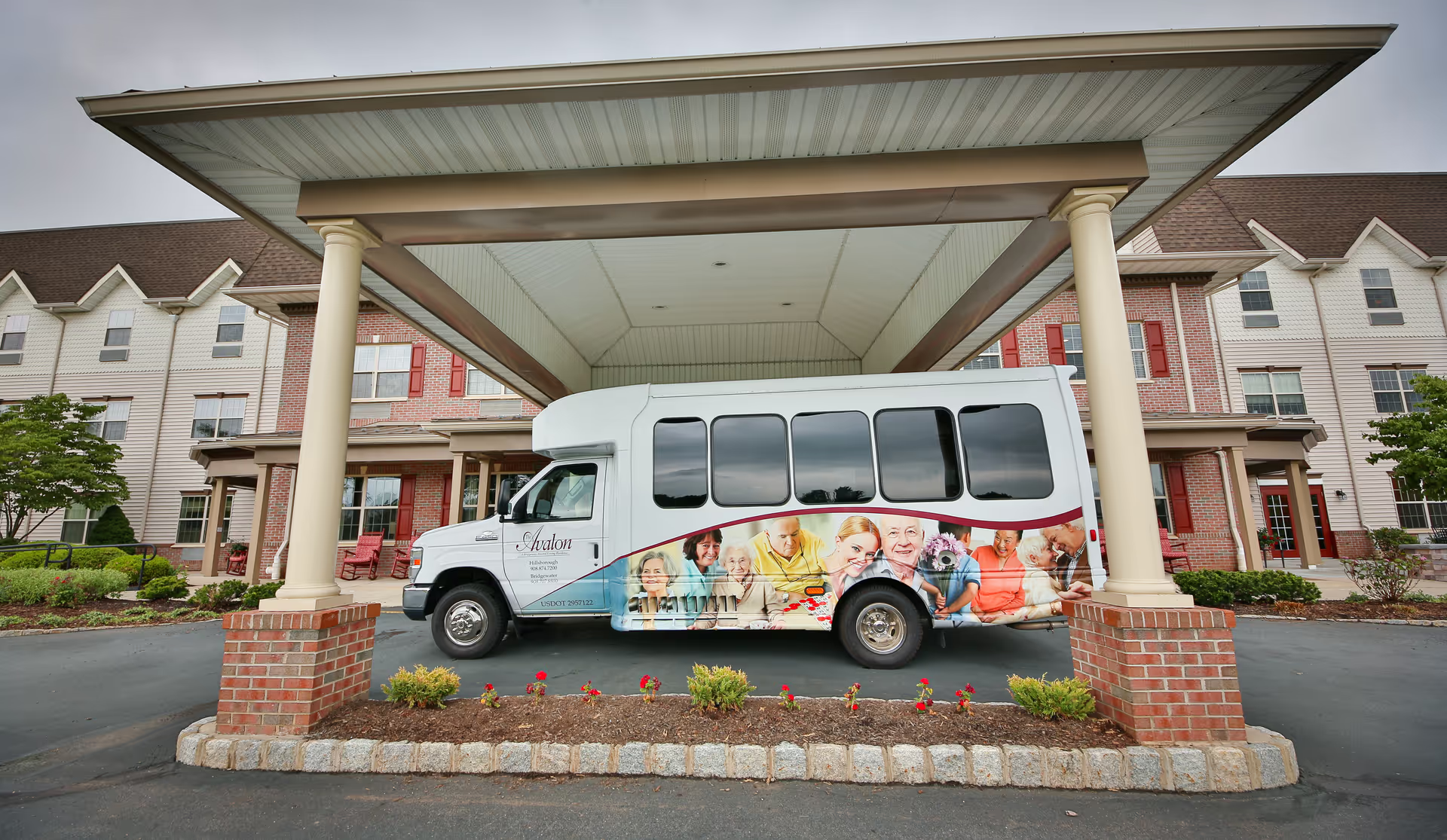
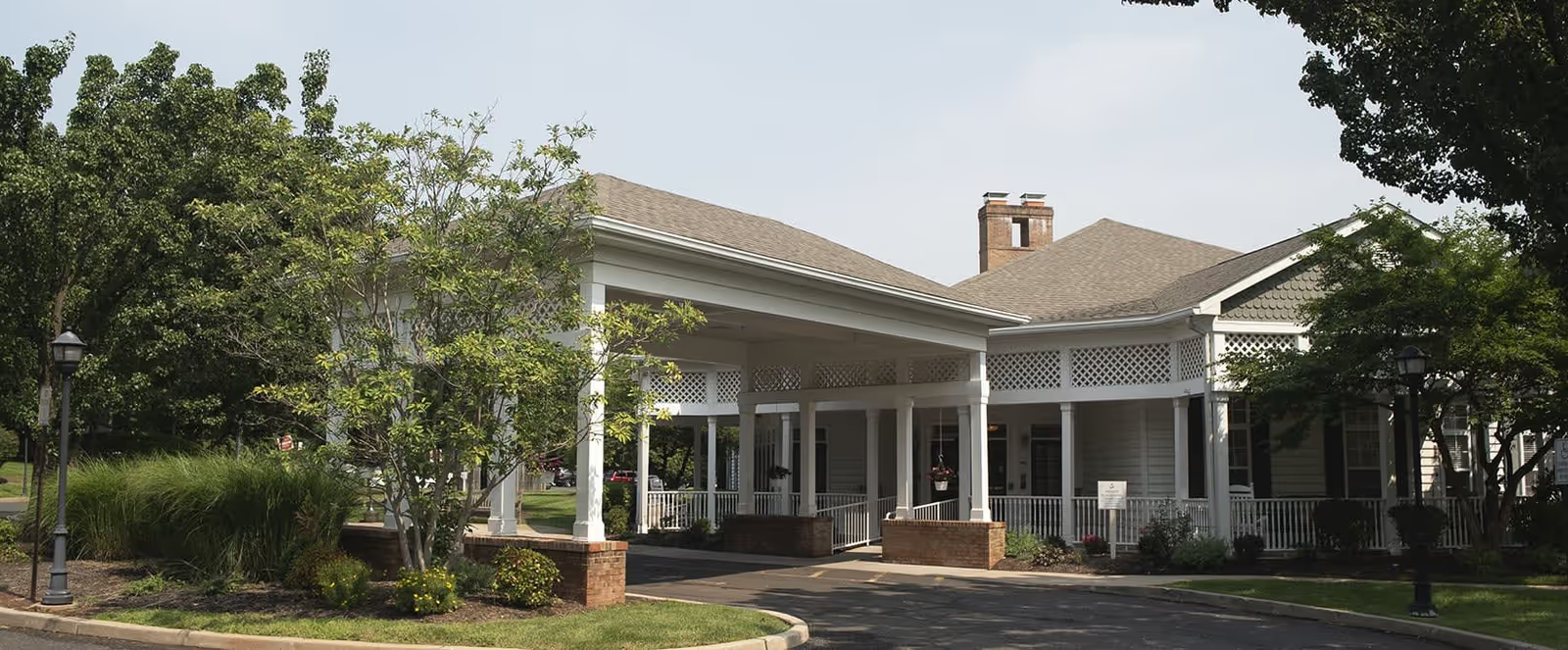
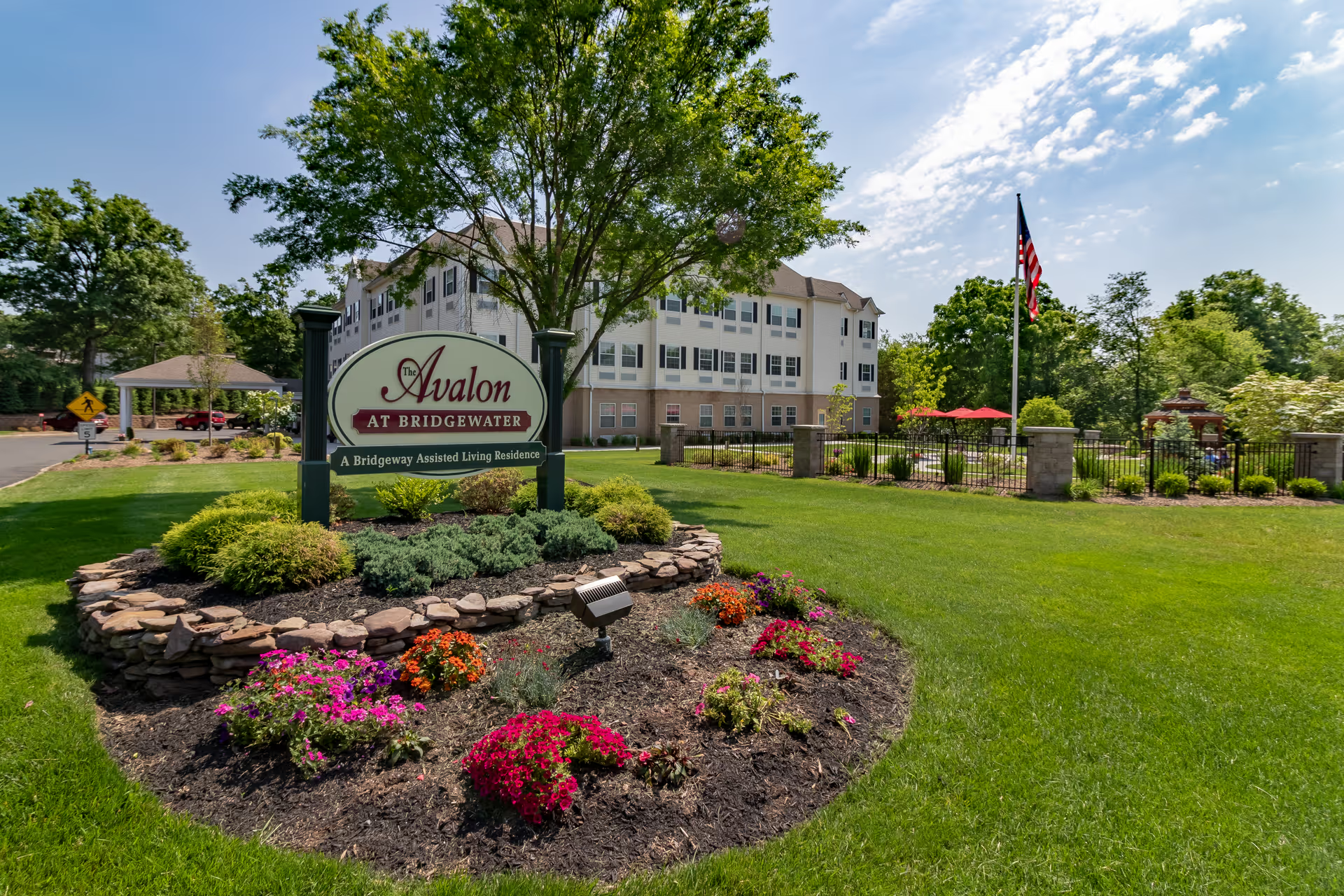
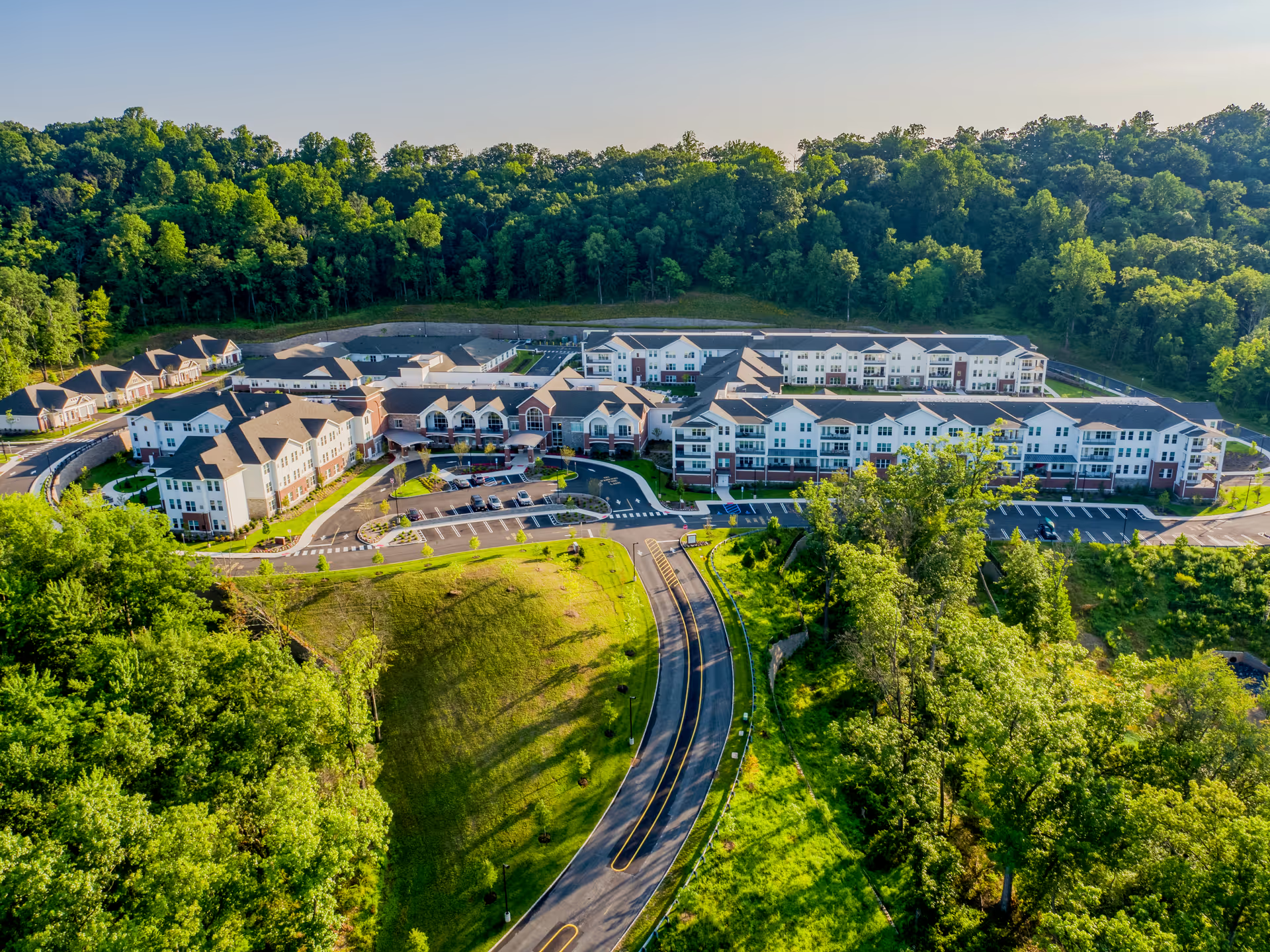
All American Assisted Living at Hillsborough receives widespread praise for its caregiving staff and facility appearance. Families and visitors consistently describe staff as compassionate, attentive, and engaged; nursing and aide teams are credited with timely clinical attention in many cases and with maintaining a welcoming, home-like environment. The community’s memory-care unit is secured and many reviewers highlight knowledgeable, patient memory-care staff. Admissions and sales teams, particularly individual tour guides and community relations staff, are frequently noted as warm and informative, easing transitions for new residents.
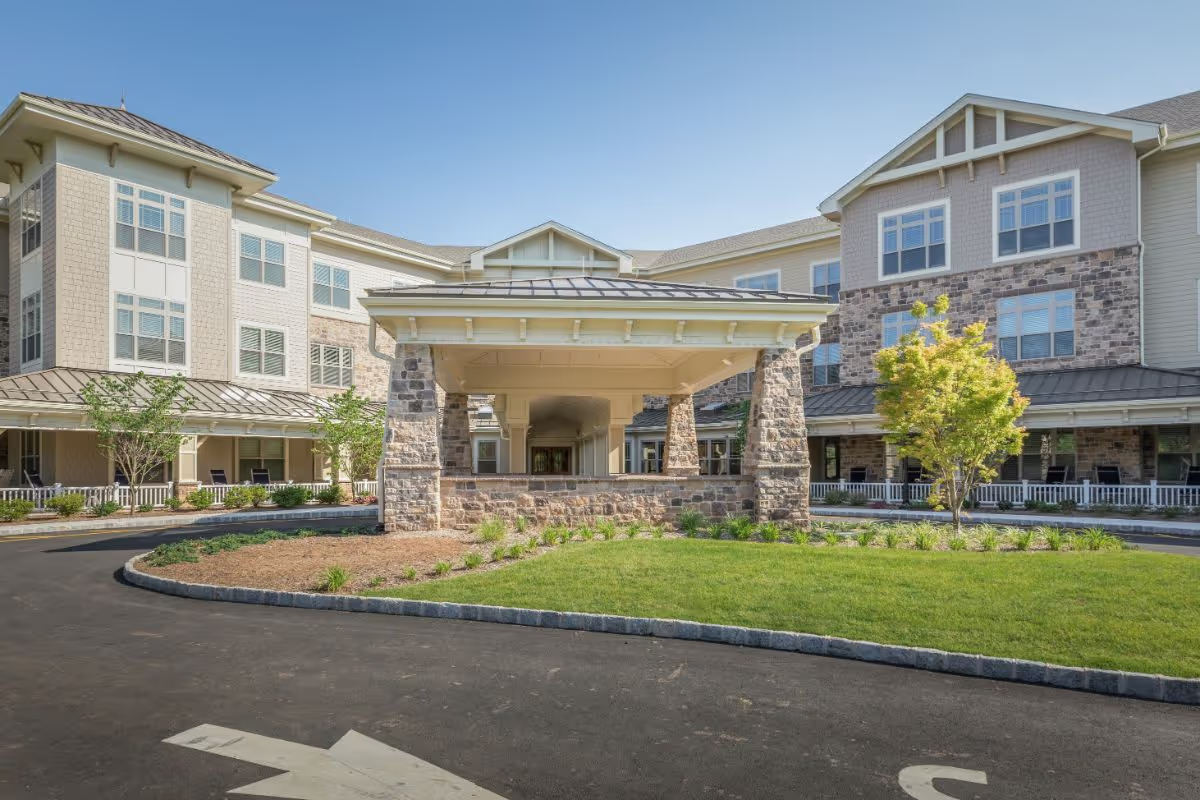
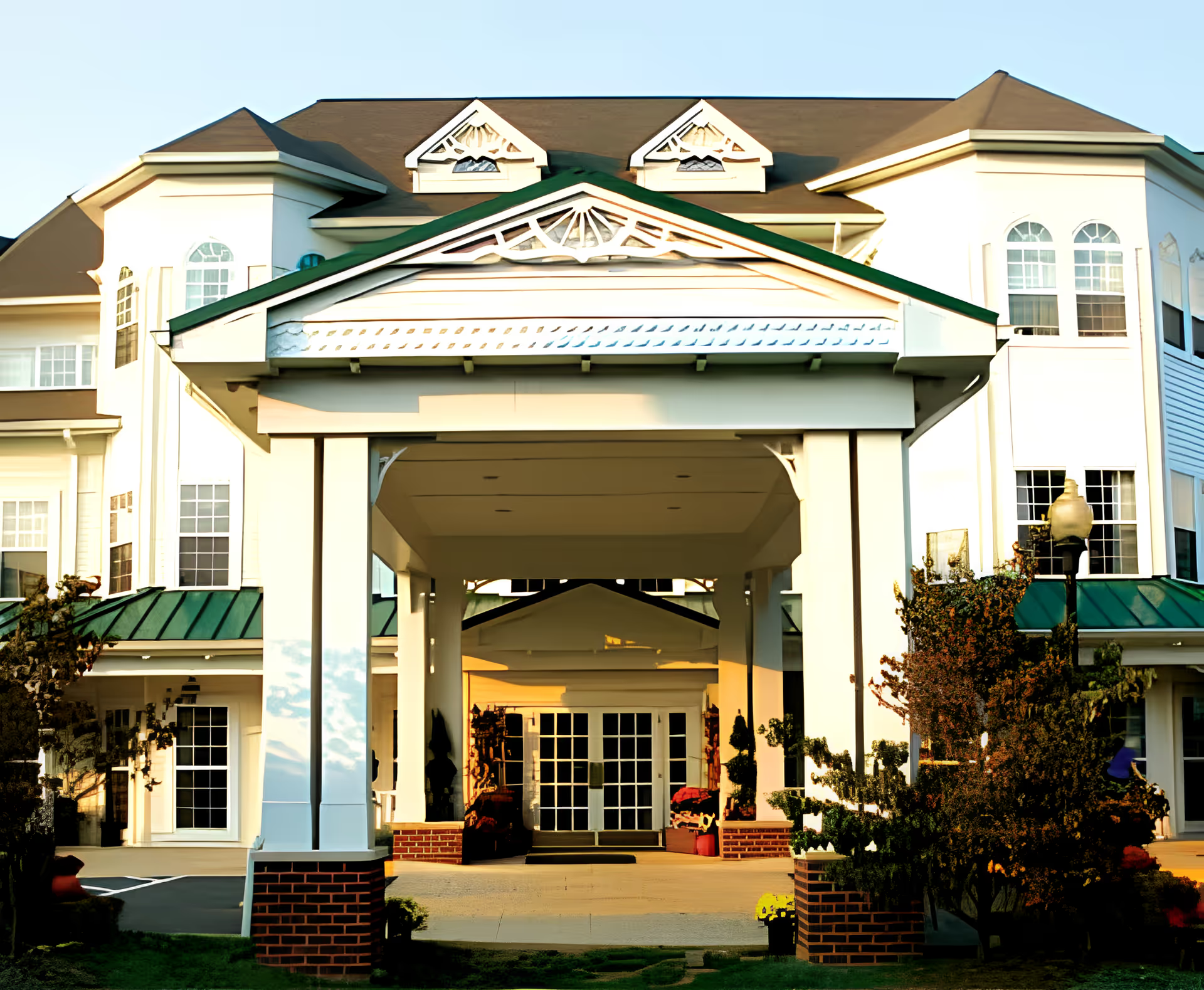
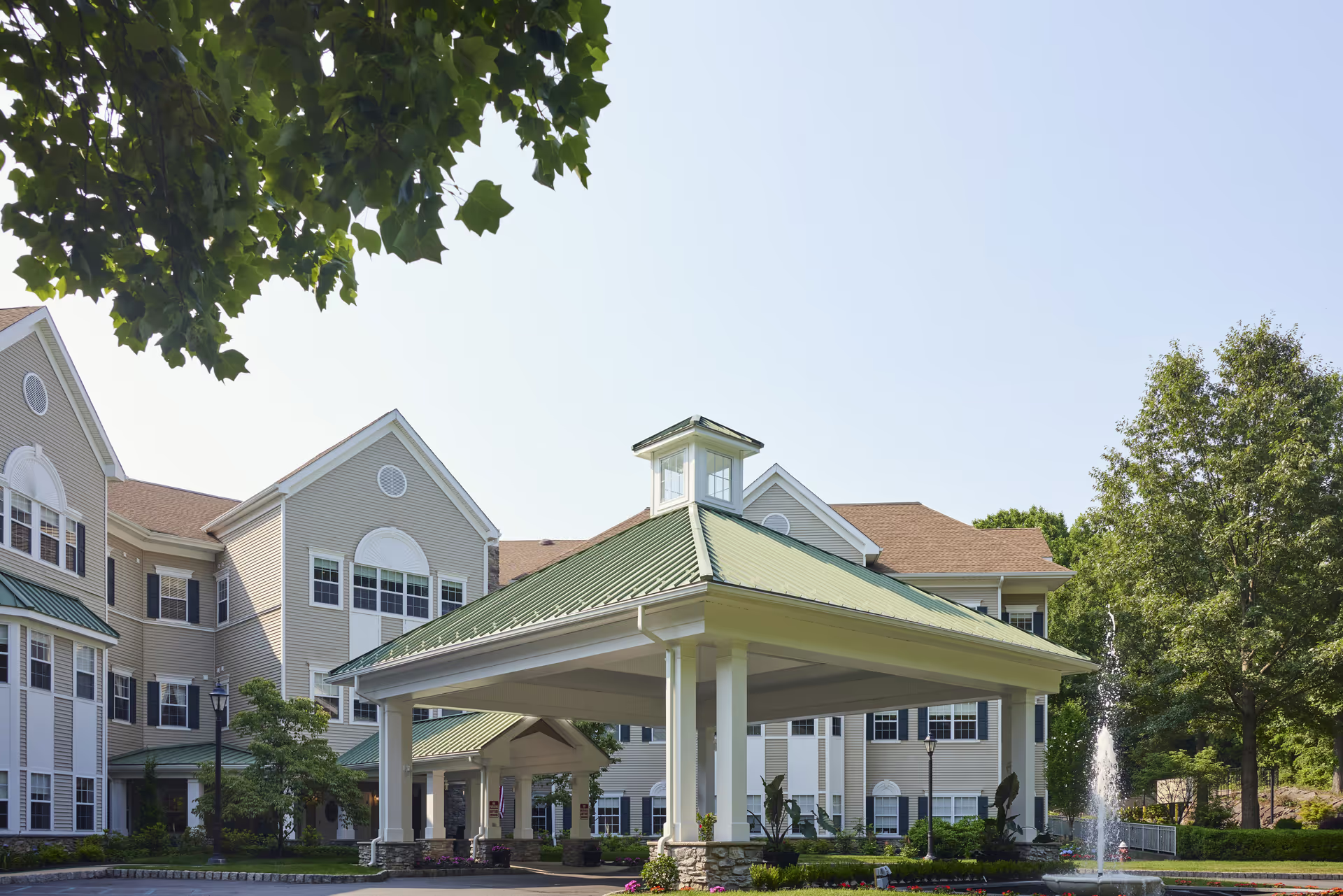
The physical plant is a clear strength: the building is described as new or recently updated, with clean, light-filled common areas, pleasant outdoor spaces, and several resident amenities such as a library, bistro, activity room, movie theater, salon, and onsite rehabilitation/therapy areas. Housekeeping and laundry services are offered regularly, and families appreciate photo/video updates, family-oriented events, and a diverse calendar that includes arts and crafts, exercise classes, games, religious services, and occasional outings.
Dining and programming are mixed. Many reviews praise an improving dining-room atmosphere and expanded food options, plus engaging activity programming (movie nights, crafts, exercise, themed events). However, others describe inconsistent meal quality, limited menu substitutions for special dietary needs, small portions, or cold food on occasion. Program delivery can also be affected by infection-control restrictions and staffing availability; while activity directors are often commended, the breadth and consistency of offerings vary by unit and time period.
Operational weaknesses center on staffing and communication. Reviewers describe variable staffing levels, turnover, and uneven responsiveness during certain shifts, which can affect timeliness of assistance and daily-care routines. Several families cite inconsistent communication around billing and rate increases, including perceived gaps in reassessment and advance written notice for price changes. Leadership turnover early in the community’s history is credited with initial operational challenges; more recent management changes have been described as improving cleanliness, activities, and communication, but continuity remains an area to monitor.
Clinical capacity and privacy are other considerations. The community supports assisted living and memory care but has limited onsite skilled-nursing resources for higher-acuity needs; families seeking two-person transfer support or extensive skilled nursing should verify capabilities. Physical layouts include smaller private rooms and shared-suite options; shared suites can offer cost savings but reduce resident privacy and storage. Maintenance and service reliability (e.g., some equipment upkeep and timely delivery of resident items) have been noted as inconsistent in isolated instances.
Overall, the facility presents as a clean, activity-rich community with a strong, caring staff and a range of amenities at a competitive price point. Prospective residents and families should weigh the community’s strengths in social programming, memory-care security, and therapeutic services against operational factors such as staffing consistency, dining reliability, privacy in room configurations, and clarity of billing and rate-change communication. A focused conversation with current management about staffing ratios, clinical capabilities, dining accommodations, and written policies on rate changes and marketing/privacy practices is recommended before finalizing placement.