Millennium Memory Care at Holmdel is described by families as a small, home-like memory care residence with a focus on individualized dementia care. Reviewers emphasize a consistent model of person-centered caregiving: staff are characterized as patient, attentive, and experienced with memory-related behaviors, and leadership is frequently described as hands-on and communicative. The facility appears to maintain a low resident census that supports an intimate environment and close staff–resident relationships, which many families say produces rapid functional improvements (for example, eating, mobility, and engagement) for residents who arrive with complex needs.
Clinical and therapeutic supports are notable features in these accounts. Reviewers mention structured programs such as swallowing-assistance and physical therapy, weekly physician visits, and an emphasis on behavioral management that favors nonpharmacologic approaches. Families report frequent updates, video check-ins, and proactive communication channels that provide reassurance. Dining and daily-life elements earn positive comment: meals and snacks are described as satisfying, the facility offers an open-kitchen feel, and activities include music and movement that promote resident participation.
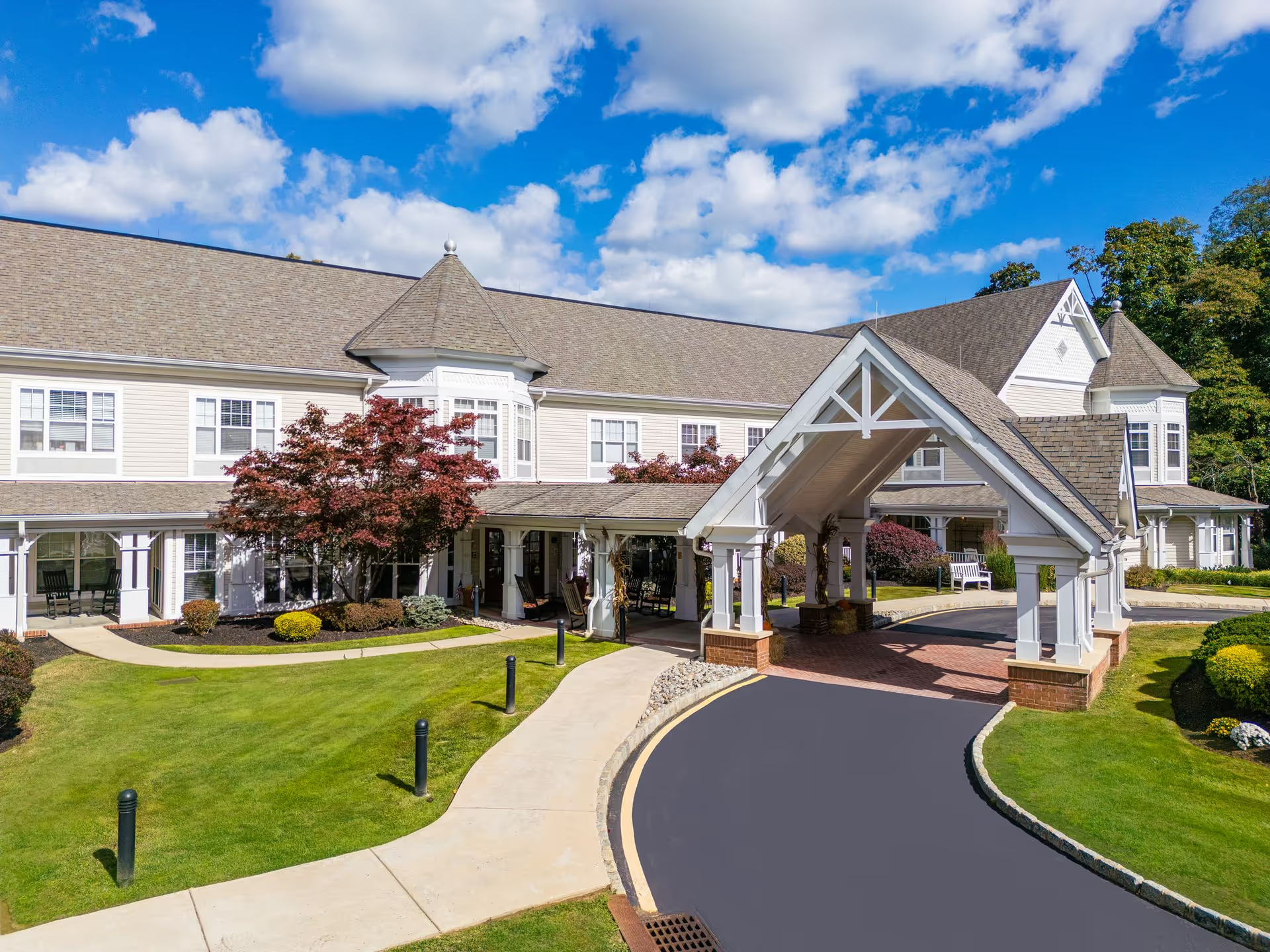
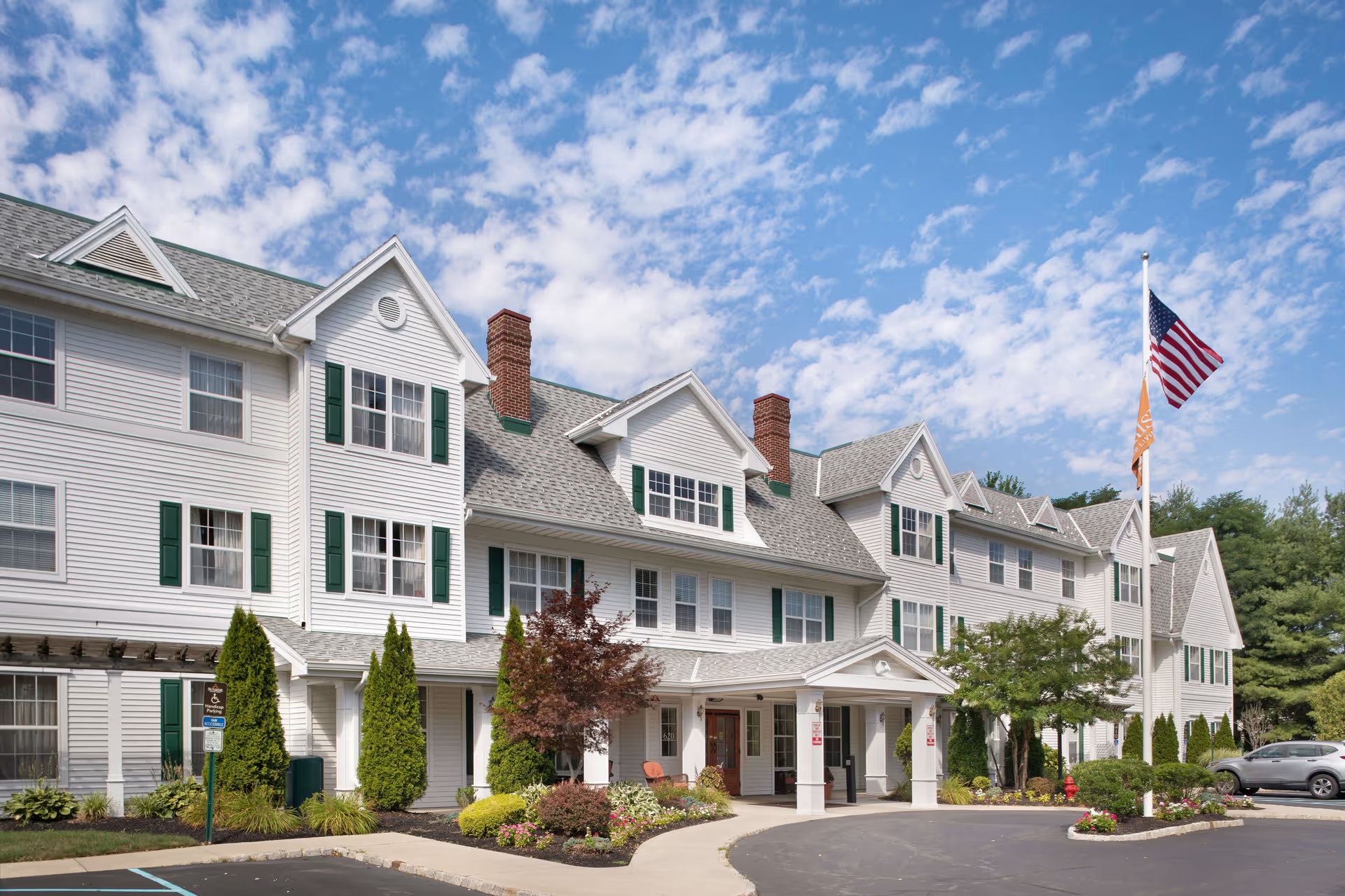
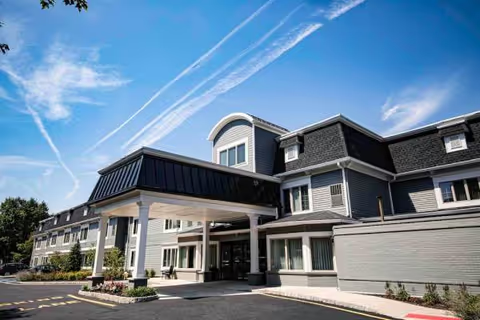
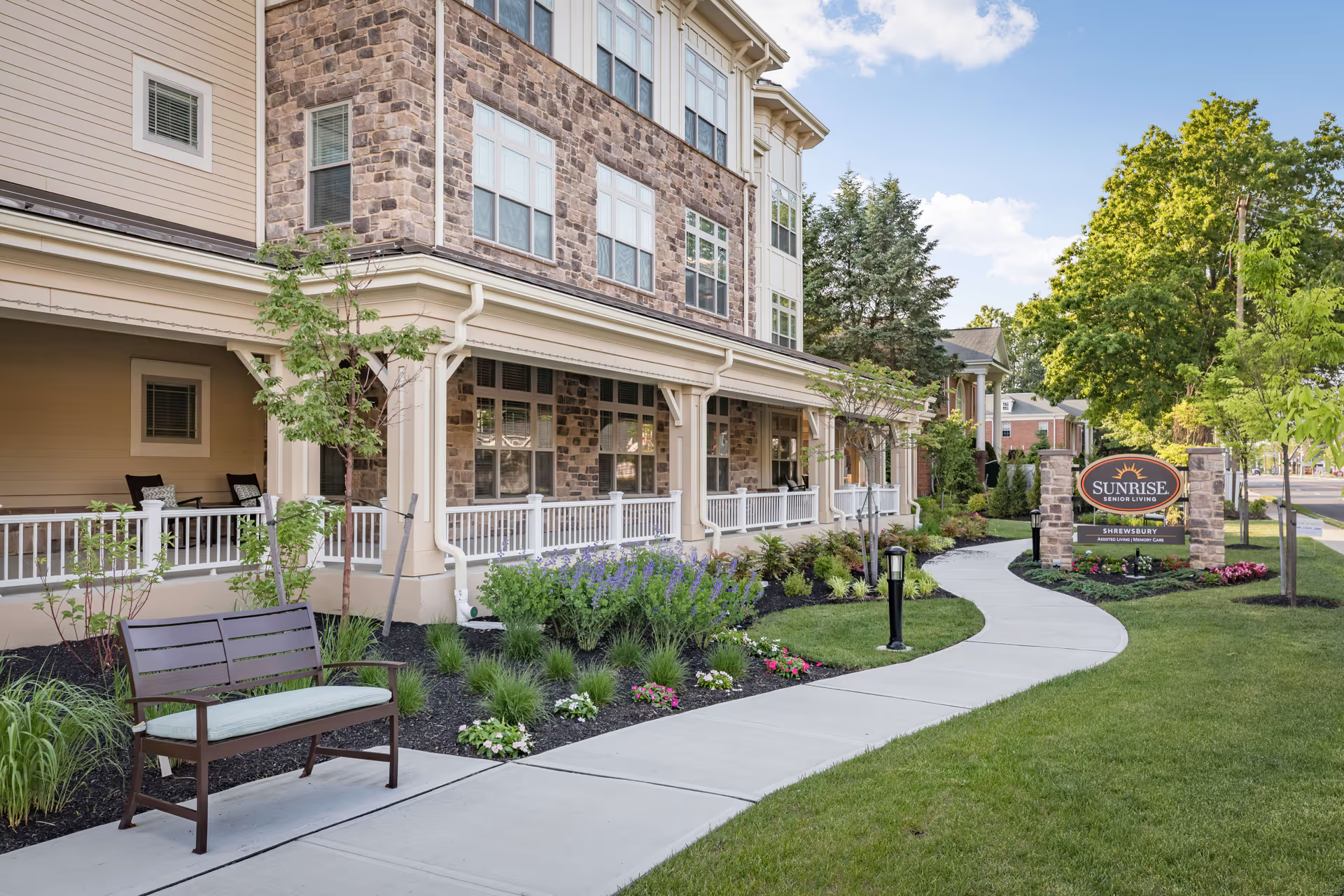
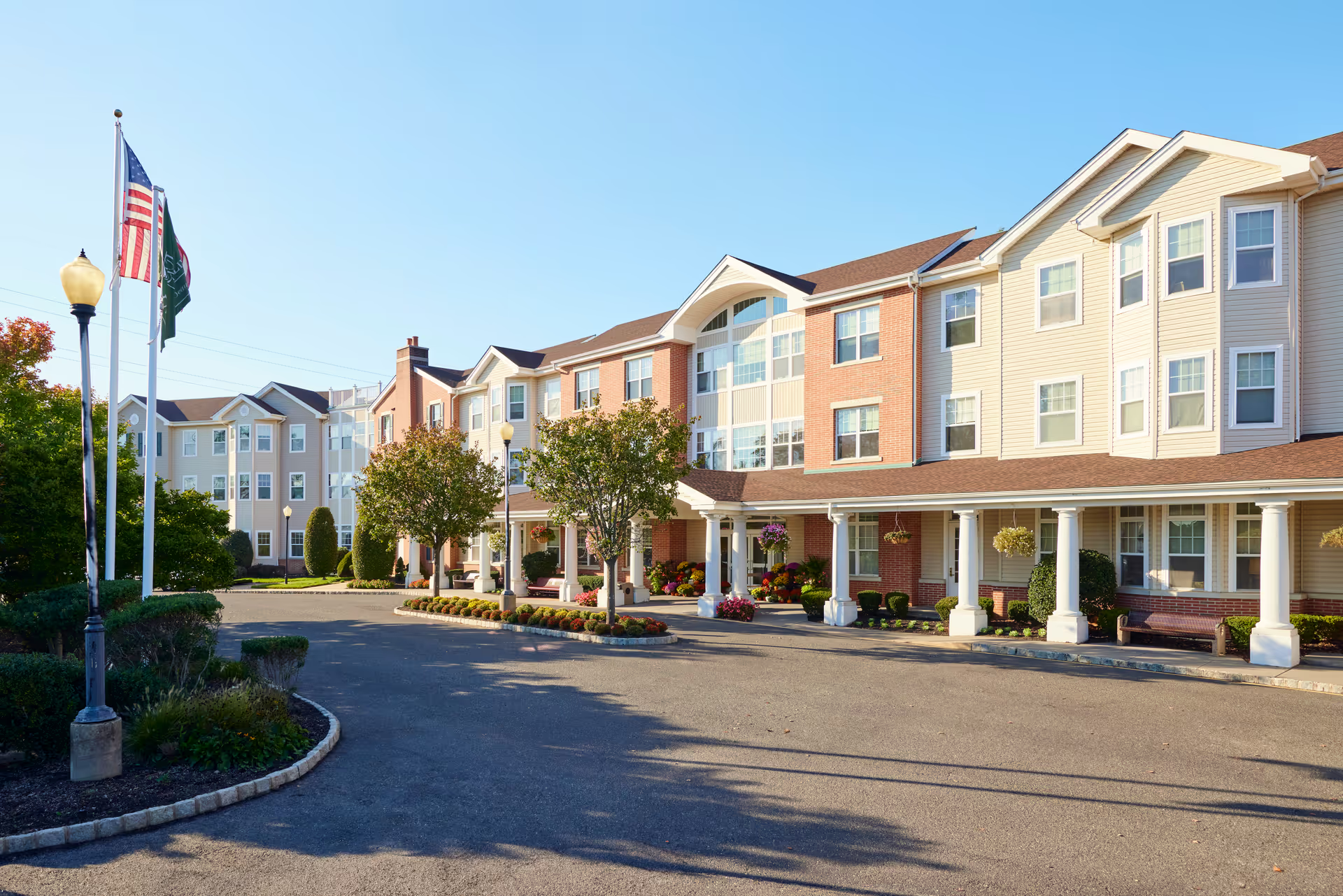
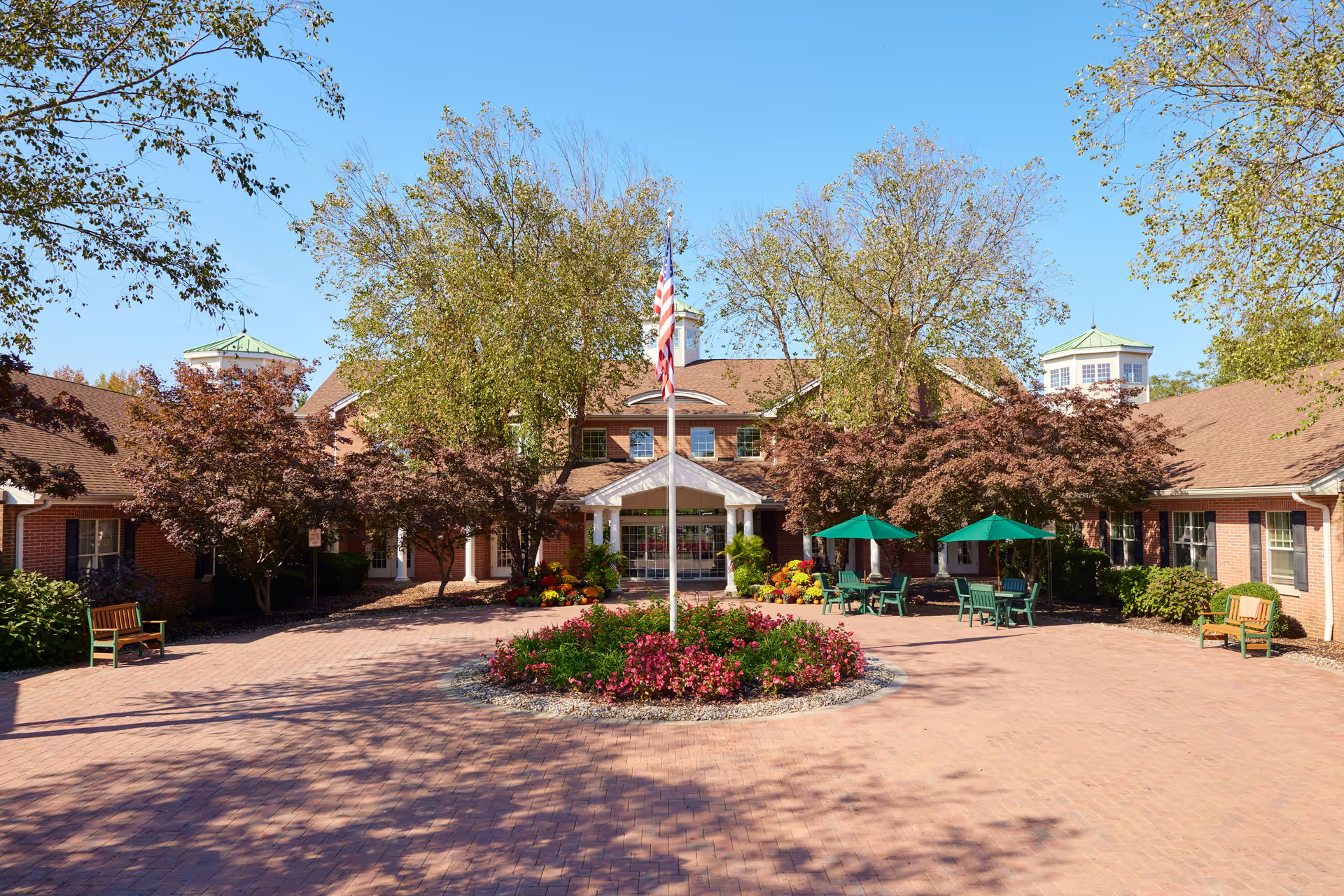
The physical setting is repeatedly praised for cleanliness, natural light, private rooms with en-suite bathrooms, and pleasant outdoor spaces such as a screened porch and surrounding nature. Collectively these attributes are associated with a stronger sense of community, resident comfort, and peace of mind for families. Long-tenured staff and continuity of caregivers are cited as contributors to stable routines and personalized attention.
Potential limitations to consider include the facility’s cost structure and operational scale. Several families note that care is comparatively expensive, and the small, home-like size that supports individualized attention may also limit bed availability. Infection-control practices — including restricted in-person visits during outbreak periods — were a challenge for some families during the pandemic; prospective families should discuss current visitation policies and technology alternatives for remote contact. Finally, while clinical oversight (weekly physician visits) and therapy programs are in place, the model reflects limited on-site clinical hours outside scheduled visits; those seeking continuous on-site medical coverage should confirm staffing patterns and after-hours arrangements.
Overall, the pattern across these summaries is of a facility that prioritizes specialized, compassionate memory care within a small, well-maintained home setting. Families report high levels of satisfaction with caregiver responsiveness, activity programming, and environmental quality; weighing those strengths against cost, capacity, and the facility’s clinical-coverage model will help prospective residents and their families assess fit.