The reviews for this facility are strongly mixed, with clear clusters of positive experiences alongside persistent operational concerns. Many families and visitors described compassionate, professional interactions with specific clinical and therapy staff, noting strong rehabilitation services, attentive nursing in some cases, and the ability to manage ventilator-dependent residents. Reported strengths also include spacious private rooms with en-suite bathrooms, a welcoming admission process, helpful social-work support, and varied daily meal options. Several accounts emphasize an accessible administration and a generally pleasant, non-depressing atmosphere during visits.
Counterbalancing these positives are recurrent patterns suggesting operational instability. Reviewers commonly raised concerns about inconsistent staffing and training, especially during night shifts, producing delays in responding to call bells and in providing timely personal care. Several accounts imply gaps in incontinence-care protocols and inconsistent assistance with mobility and equipment, which point to uneven daily-care routines. There are also sanitation and odor concerns reported on particular floors and in some common areas, along with pest-control concerns in limited locations; these indicate variability in environmental maintenance standards across the building.
Clinical-safety and care-coordination issues appear as another theme. Reviews describe problems with equipment handling and bed safety, and some note failures in incident recognition or in timely escalation to higher levels of care, resulting in emergency transfers. Families reported delays in discharge planning and coordination, as well as instances where follow-up on complaints and communication about clinical events were inadequate. Language and communication barriers were mentioned in a subset of accounts, complicating family interactions and care explanations. There are also serious, isolated allegations concerning documentation and consent processes; some reviewers expressed intent to pursue regulatory review or formal complaints.
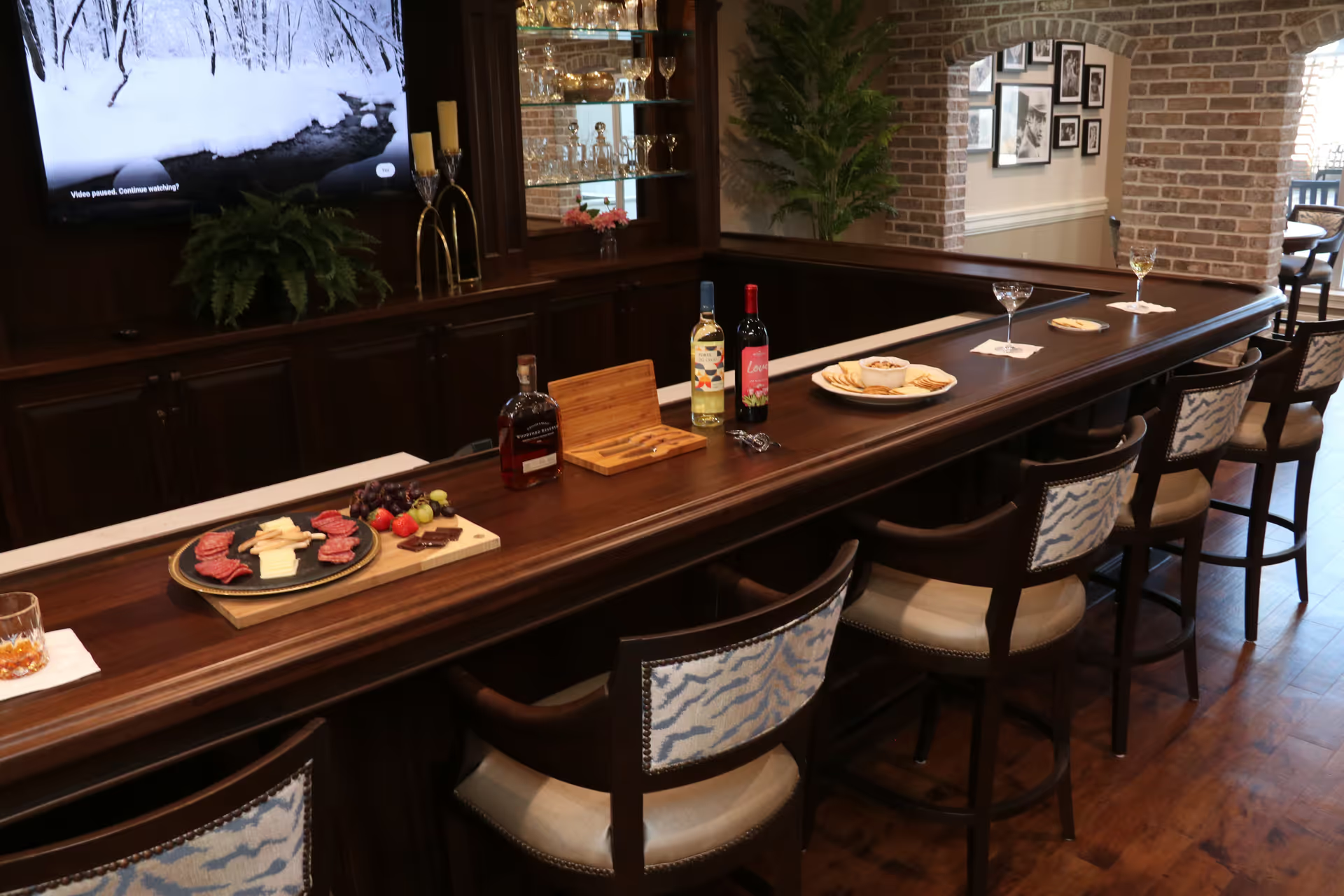
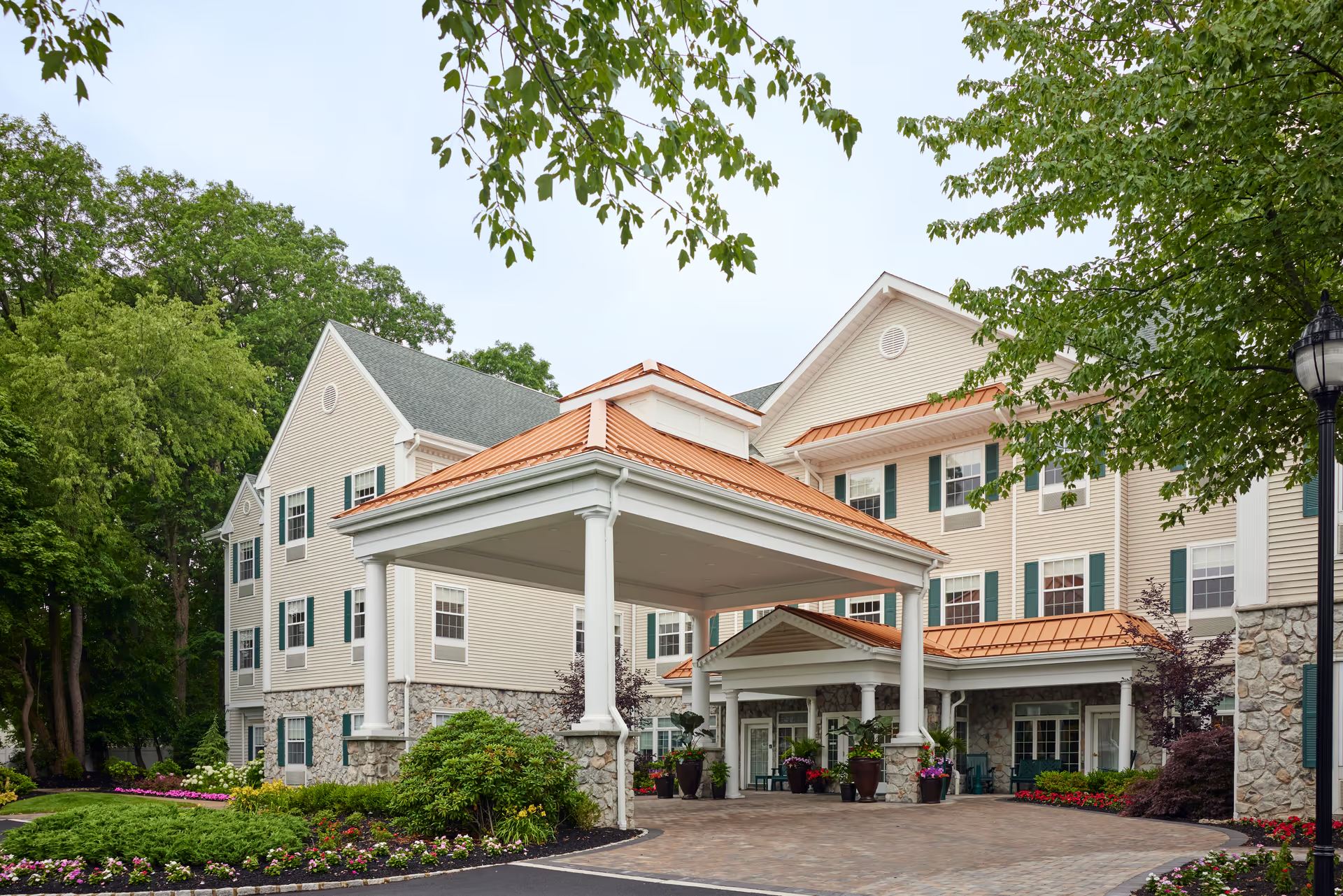
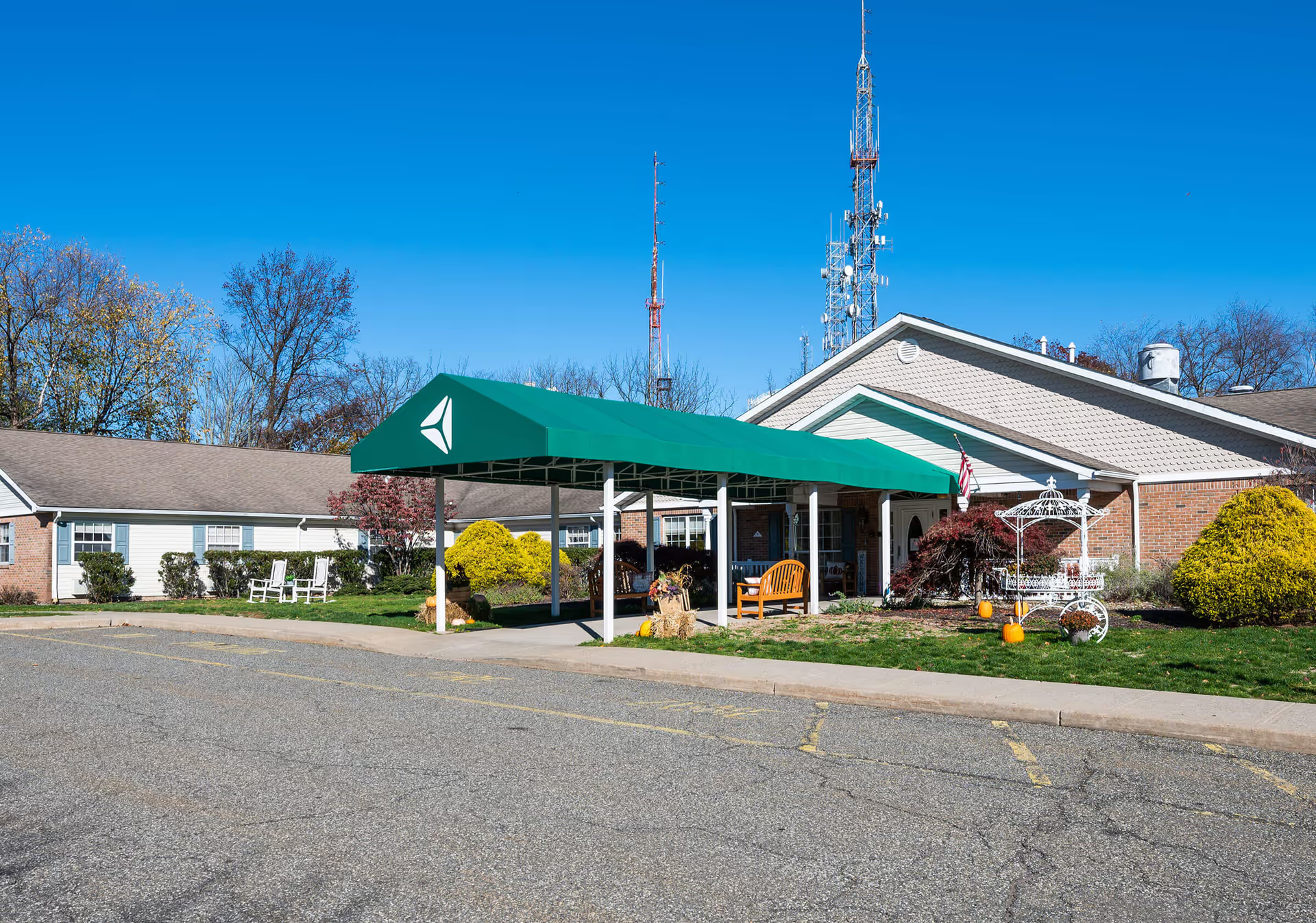
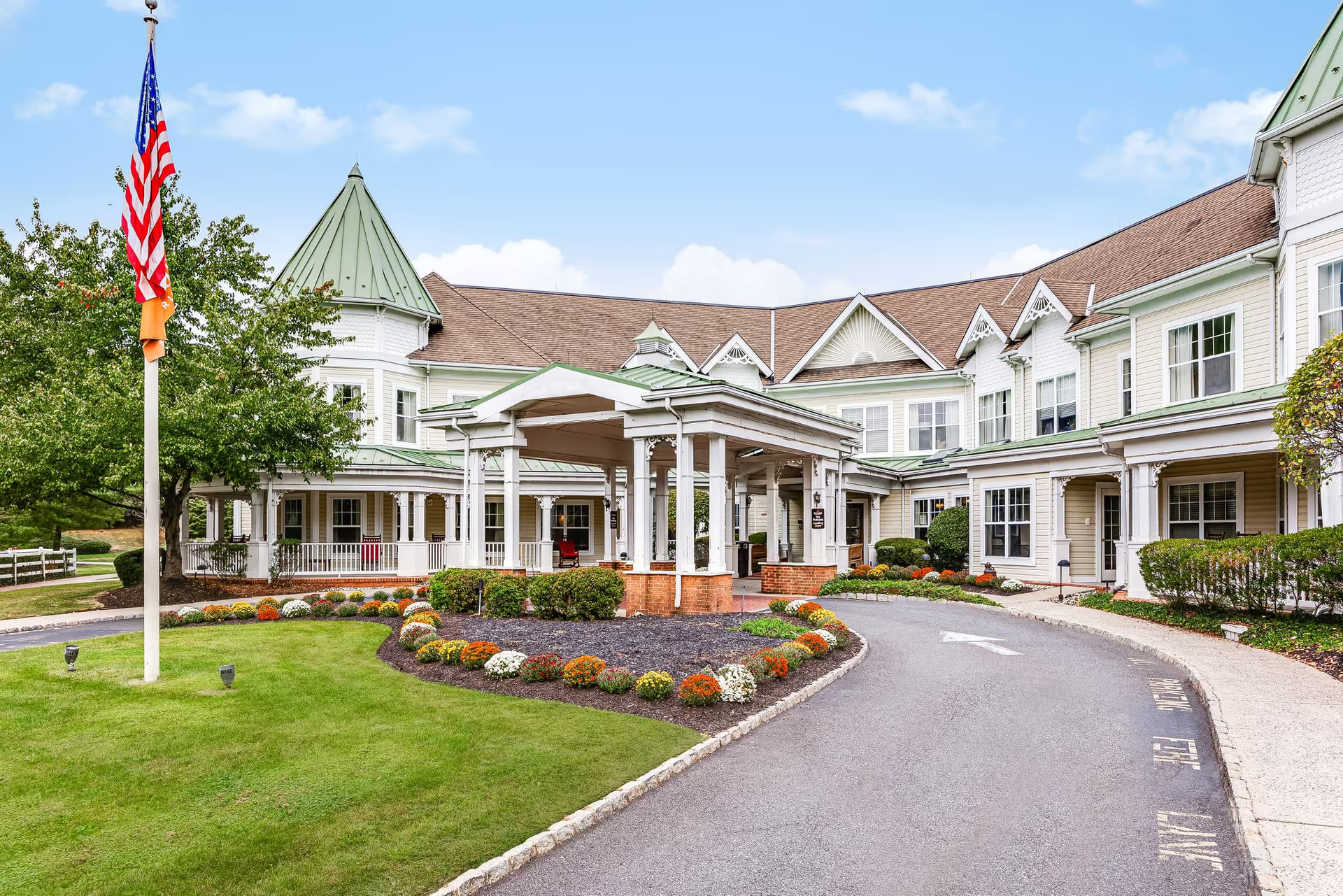
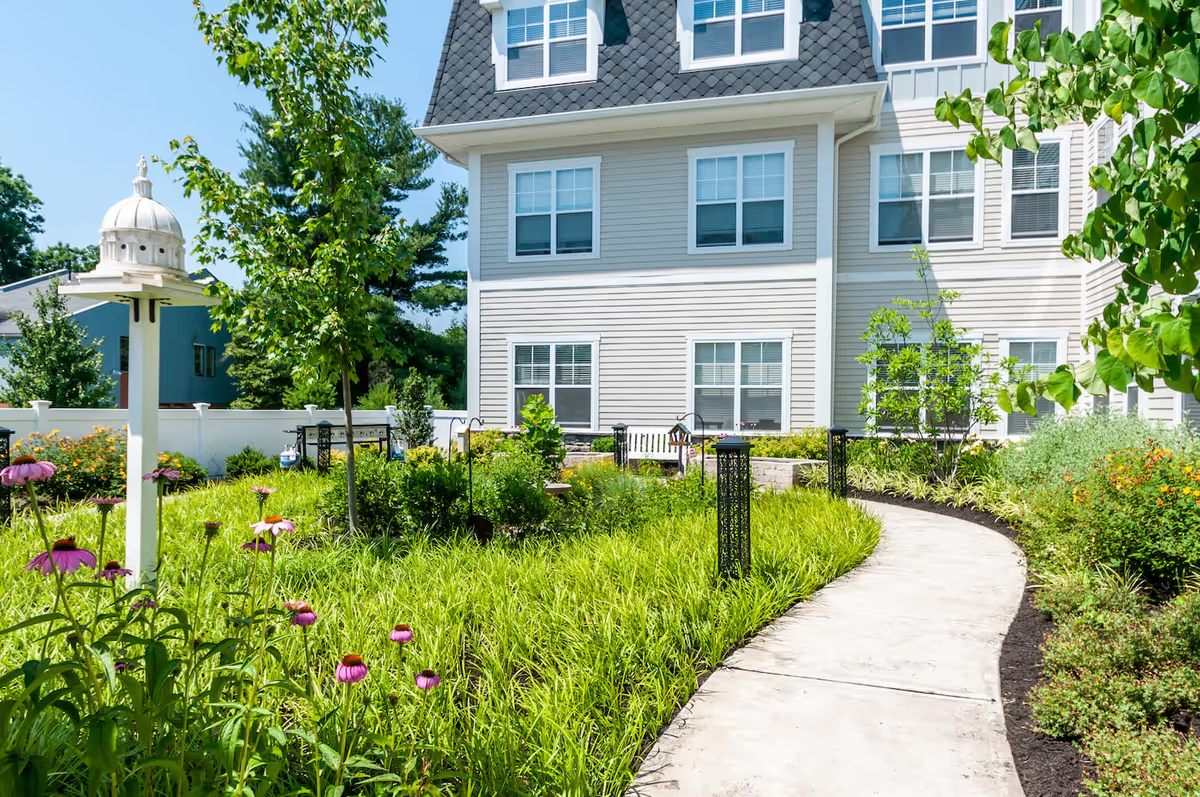
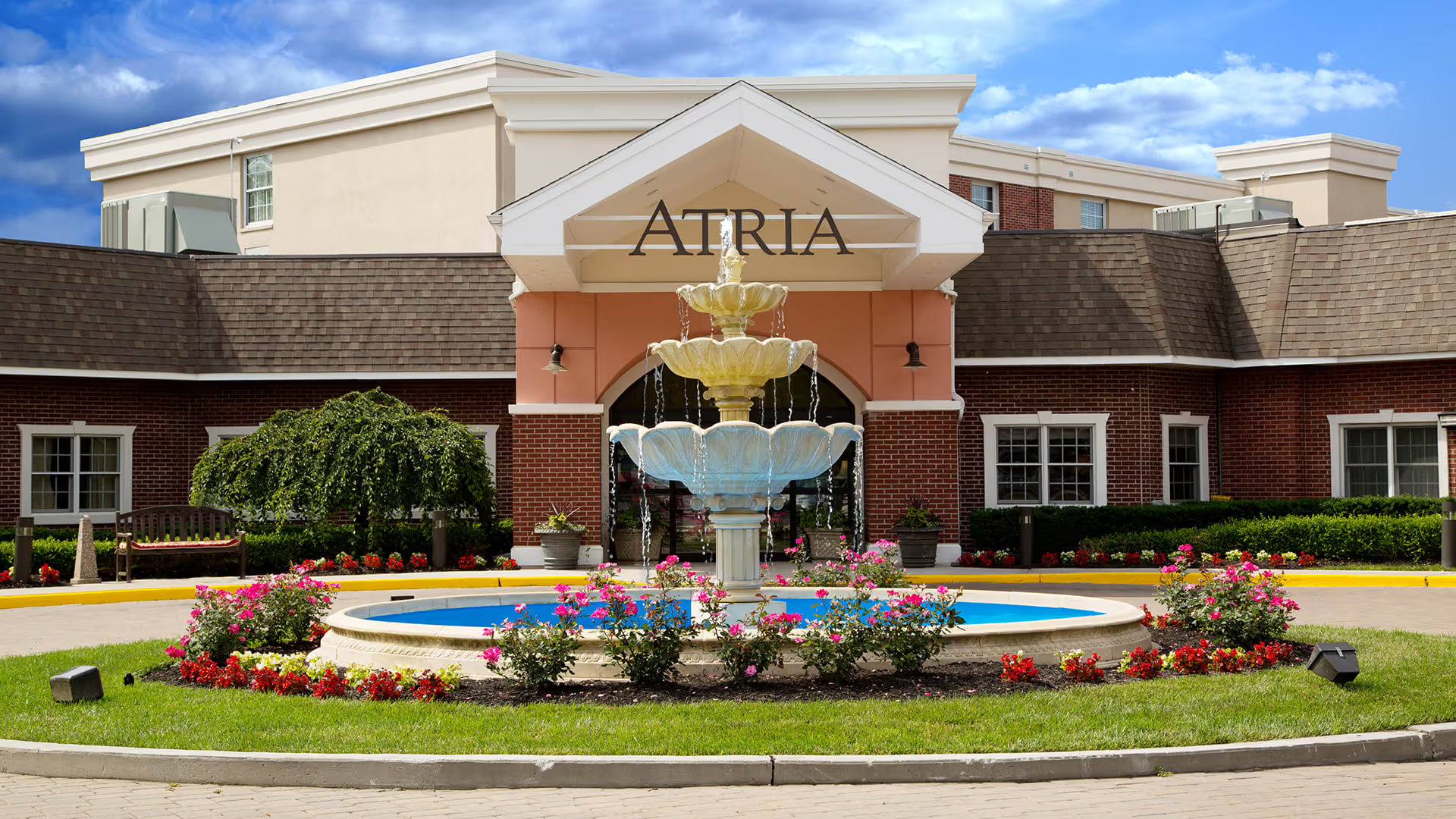
Dining and ancillary services receive variable ratings: some residents and families praised diverse, appealing meals and attentive therapy staff, while others described inconsistent food quality and interruptions in meal-service continuity. Facility upkeep is likewise inconsistent — while some described clean, well-maintained public areas and comfortable rooms, others reported peeling paint, supply shortages, and unit-level maintenance problems.
Taken together, the pattern is one of a facility capable of providing high-quality clinical and rehabilitative care in certain cases, backed by committed individual staff members and accessible administration, but with recurring systemic weaknesses. Key areas for improvement would be staffing consistency and training, overnight responsiveness, standardized personal-care and incontinence protocols, environmental maintenance and pest control, stronger clinical-safety checks for equipment and beds, clearer family communication and complaint follow-up, and review of documentation/consent processes. Prospective residents and families should weigh the positive accounts of therapy and nursing competence against the reported variability in day-to-day operations and consider an in-person tour focused on staffing patterns, emergency procedures, cleanliness on specific units, and documentation practices before placement.