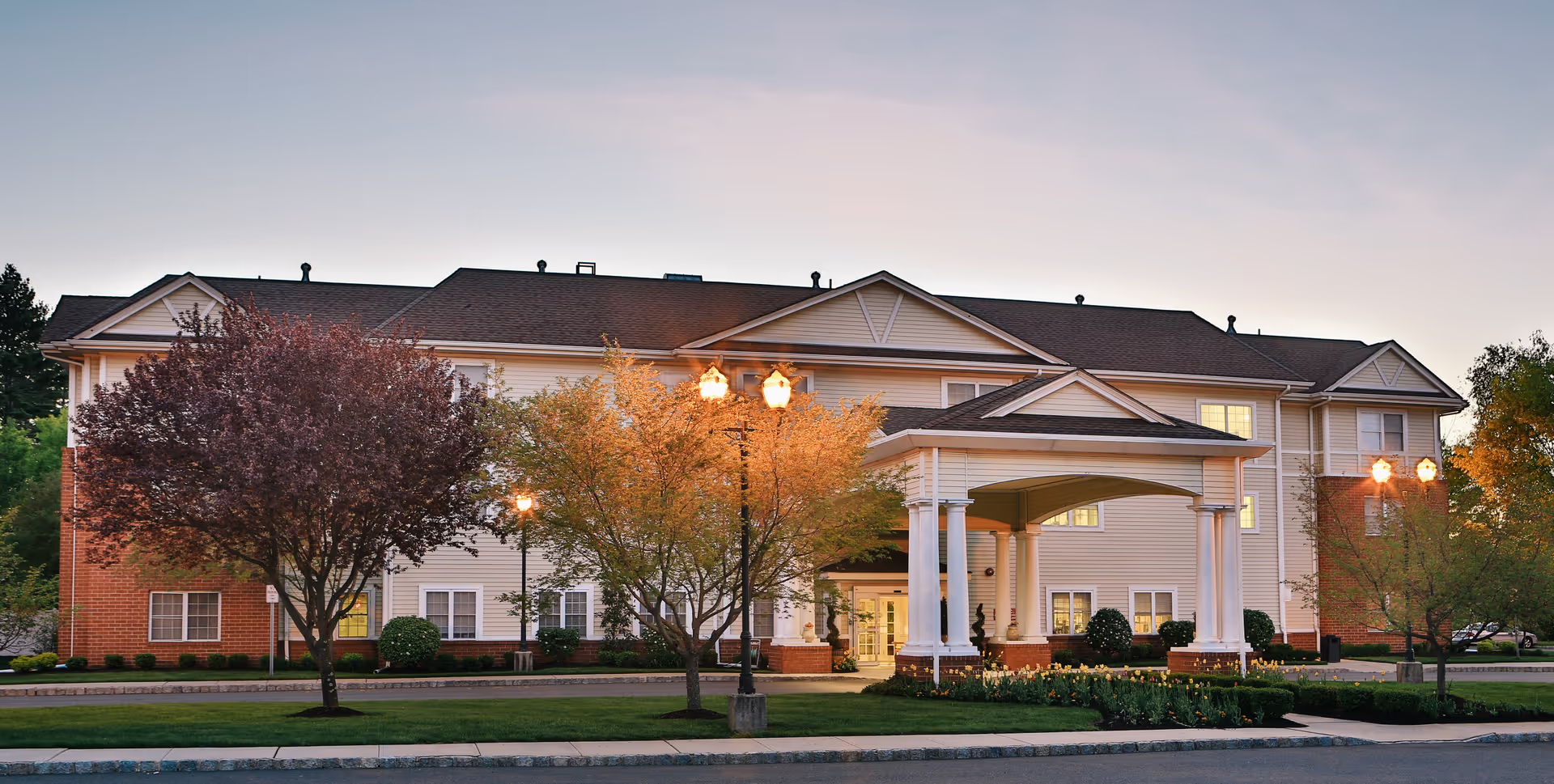
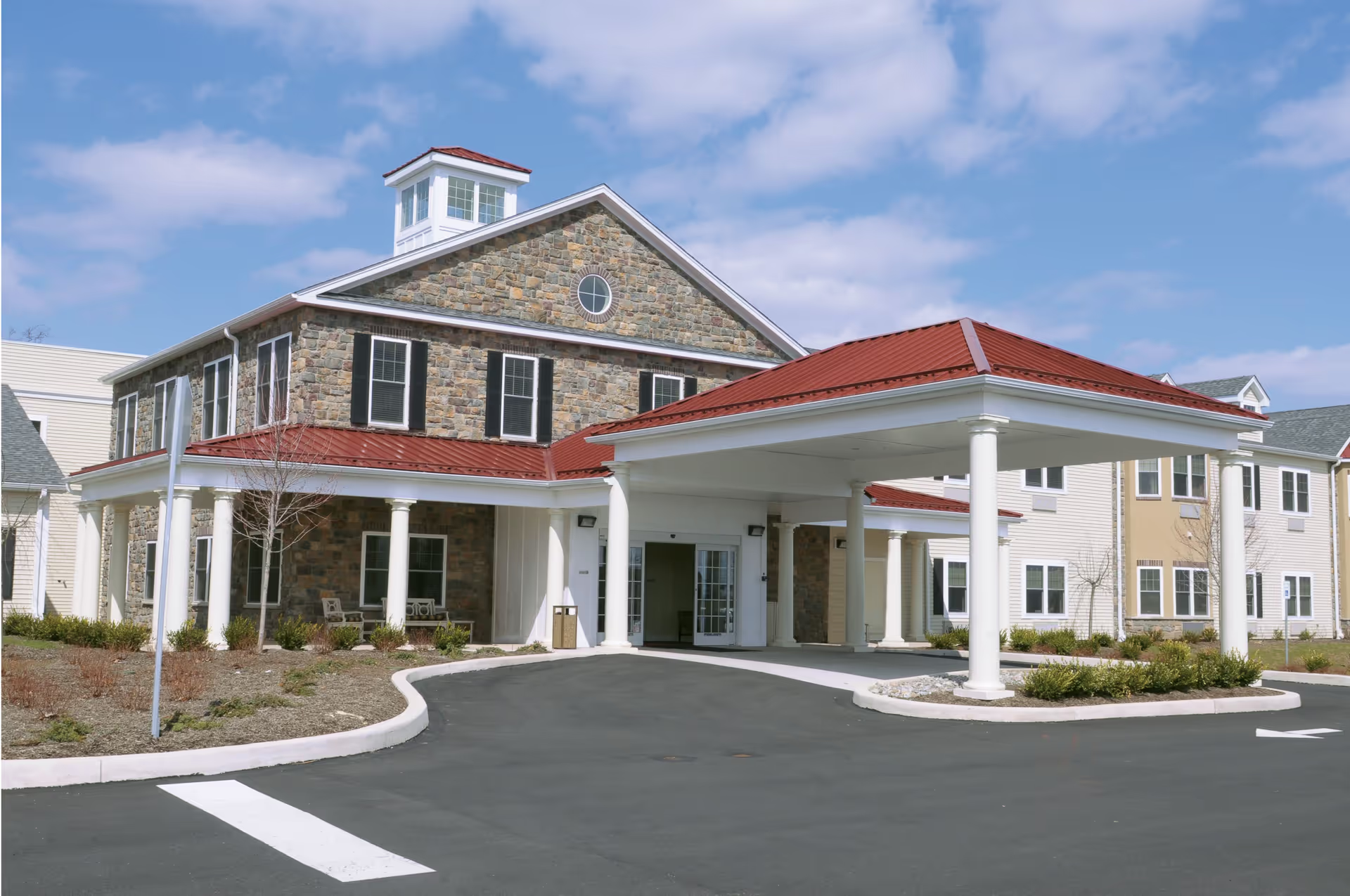
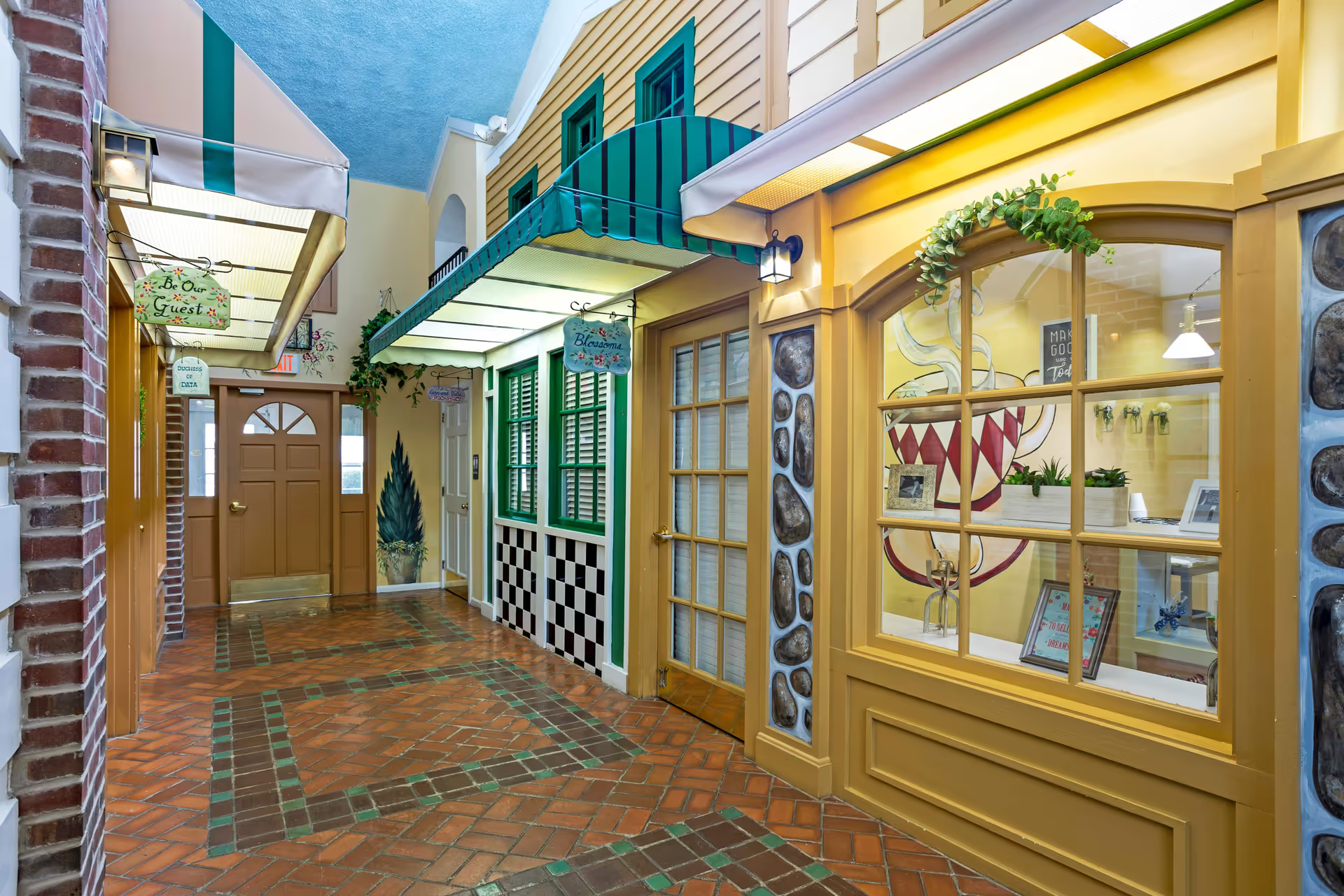
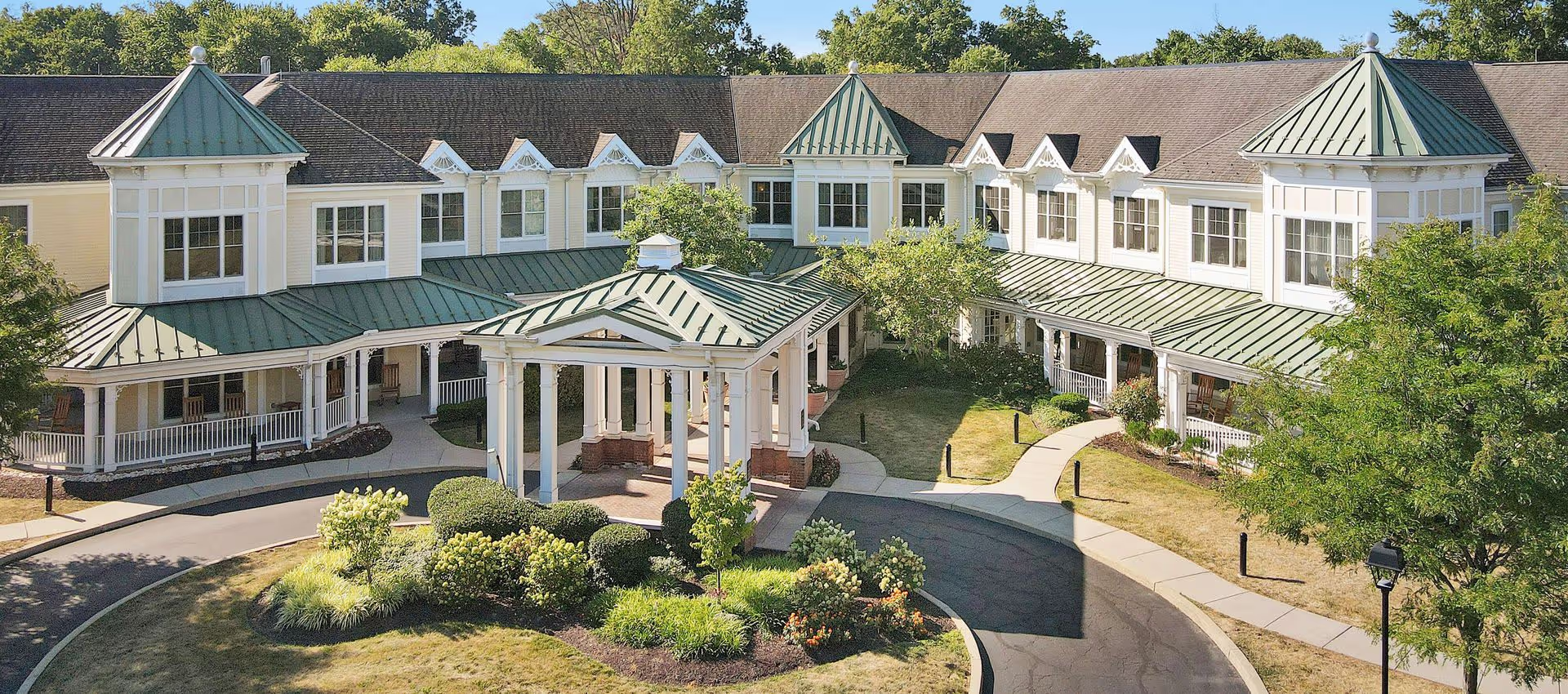
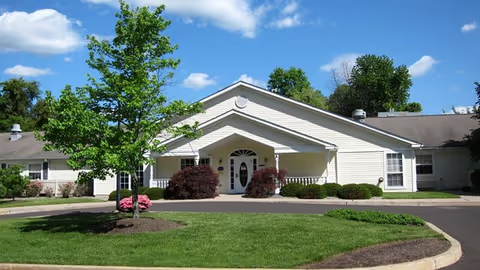
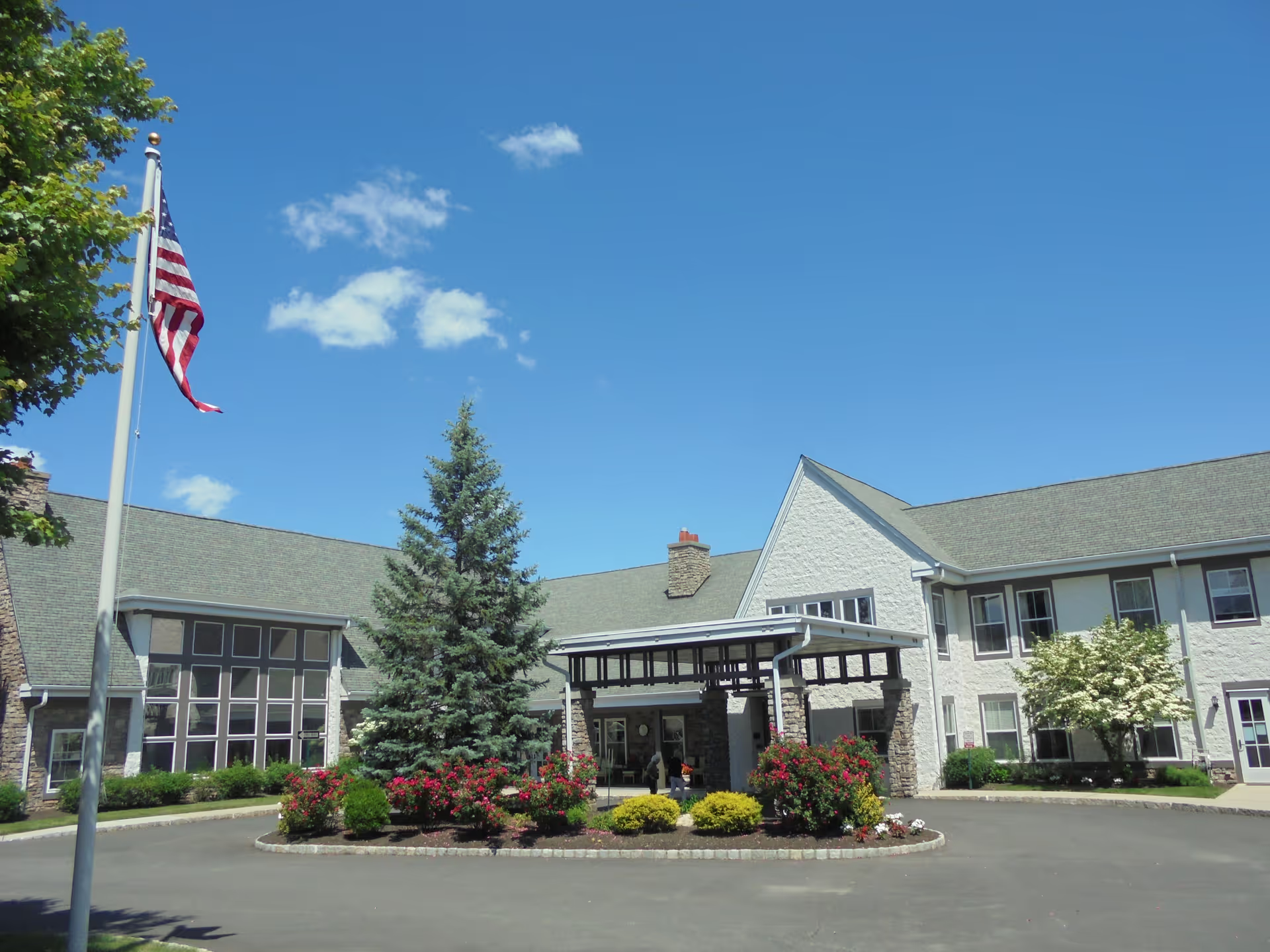
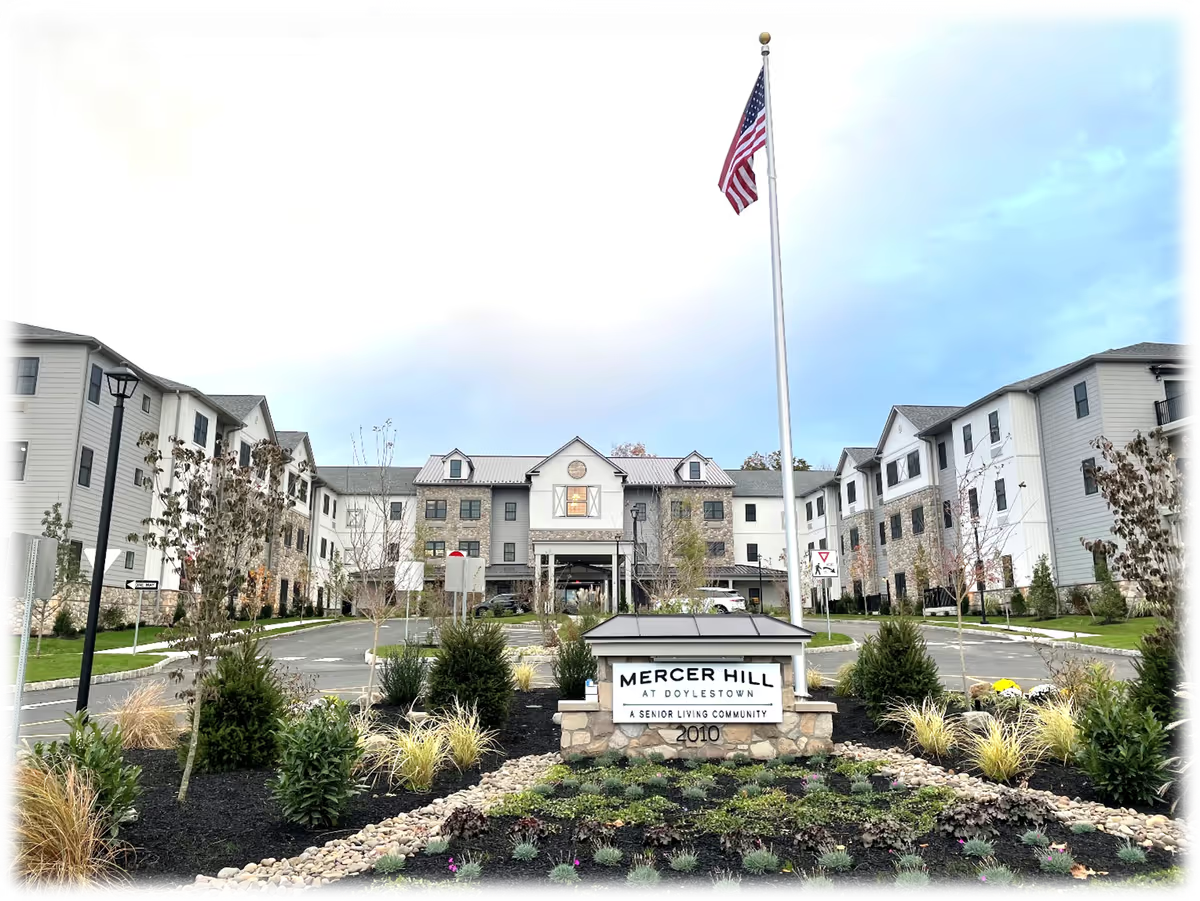
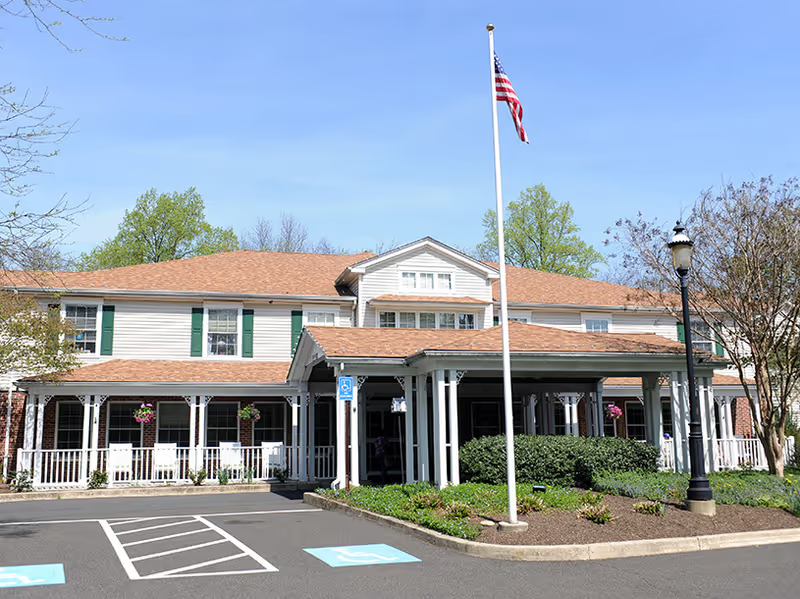
The Lambertville Estate is consistently described as a boutique, small-scale senior residence that emphasizes a home-like environment and individualized attention. Reviewers highlight the property’s scenic, well-maintained grounds, attractive common spaces, and private resident rooms with accessible bathrooms. The facility’s physical setting—including patios, decks, creek views, and light-filled gathering areas with a fireplace—contributes to a tranquil, lodge-like ambiance that many families find comforting.
Care and staffing receive repeated praise. Multiple comments emphasize attentive, caring, and geriatric-aware personnel who anticipate resident needs and offer hands-on, personalized support. Leadership and management are also noted positively; reviewers describe an engaged director and a team that fosters a family-like culture. These elements combine to create a resident-centered model in which staff–resident interactions and warm interpersonal tone are recurring strengths.
Dining and programming are frequently singled out. Meals are described as home-cooked or gourmet, with reviewers using terms that indicate high-quality culinary attention. Activity offerings are broad and social: daily games, mahjong, card groups, library time, Happy Hour, Bingo/Lunch events, field trips, and monthly social events are examples cited. The program appears oriented toward social engagement, mental stimulation, and small-group camaraderie rather than high-acuity medical rehabilitation.
Facilities and operations are characterized as immaculate and thoughtfully designed. Reviewers note careful attention to furnishings and decor, an organized layout with ample common areas, and amenities that resemble a bed-and-breakfast or boutique residence. The property’s proximity to nearby towns and a large acreage setting are mentioned as additional conveniences and lifestyle features.
Notable patterns and potential trade-offs emerge from the reviews. The small capacity is a defining feature: it supports personalized care and a close-knit community but also limits availability and may produce a relatively homogeneous social environment. The boutique, high-attention model implies a likely premium in cost and fewer on-site specialized clinical services compared with larger skilled-nursing or medical rehabilitation centers. Finally, while staffing quality is praised, the facility’s small scale can create operational sensitivity to staffing changes; continuity of services depends heavily on maintaining the current staffing model.
Overall, Lambertville Estate is presented as a high-touch, aesthetically pleasing option for seniors seeking a homelike, socially active residence with culinary focus and personalized care. Prospective residents and families should weigh the benefits of individualized attention, setting, and programming against potential limitations in availability, breadth of on-site medical specialization, and cost structure associated with a boutique operation.