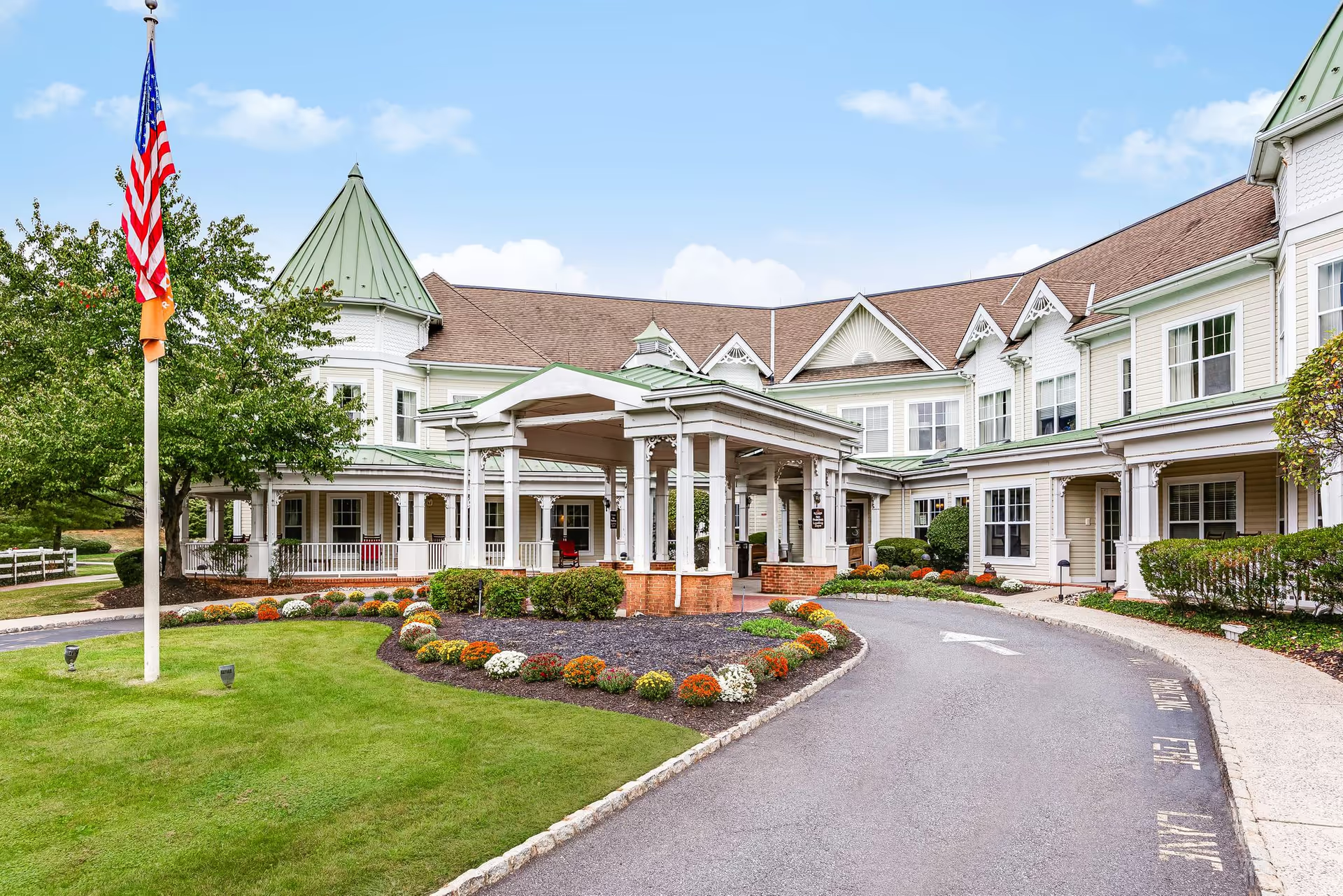
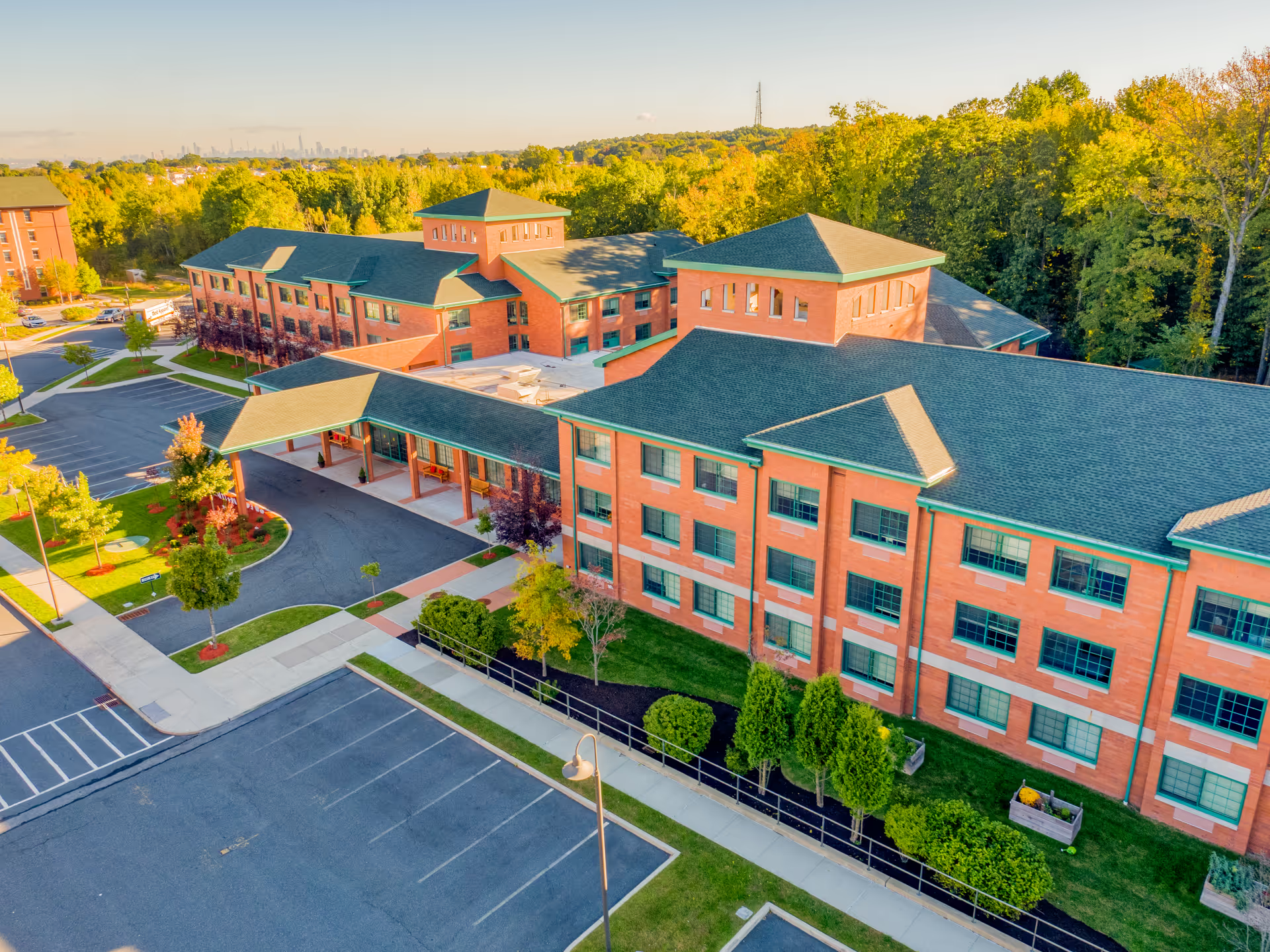
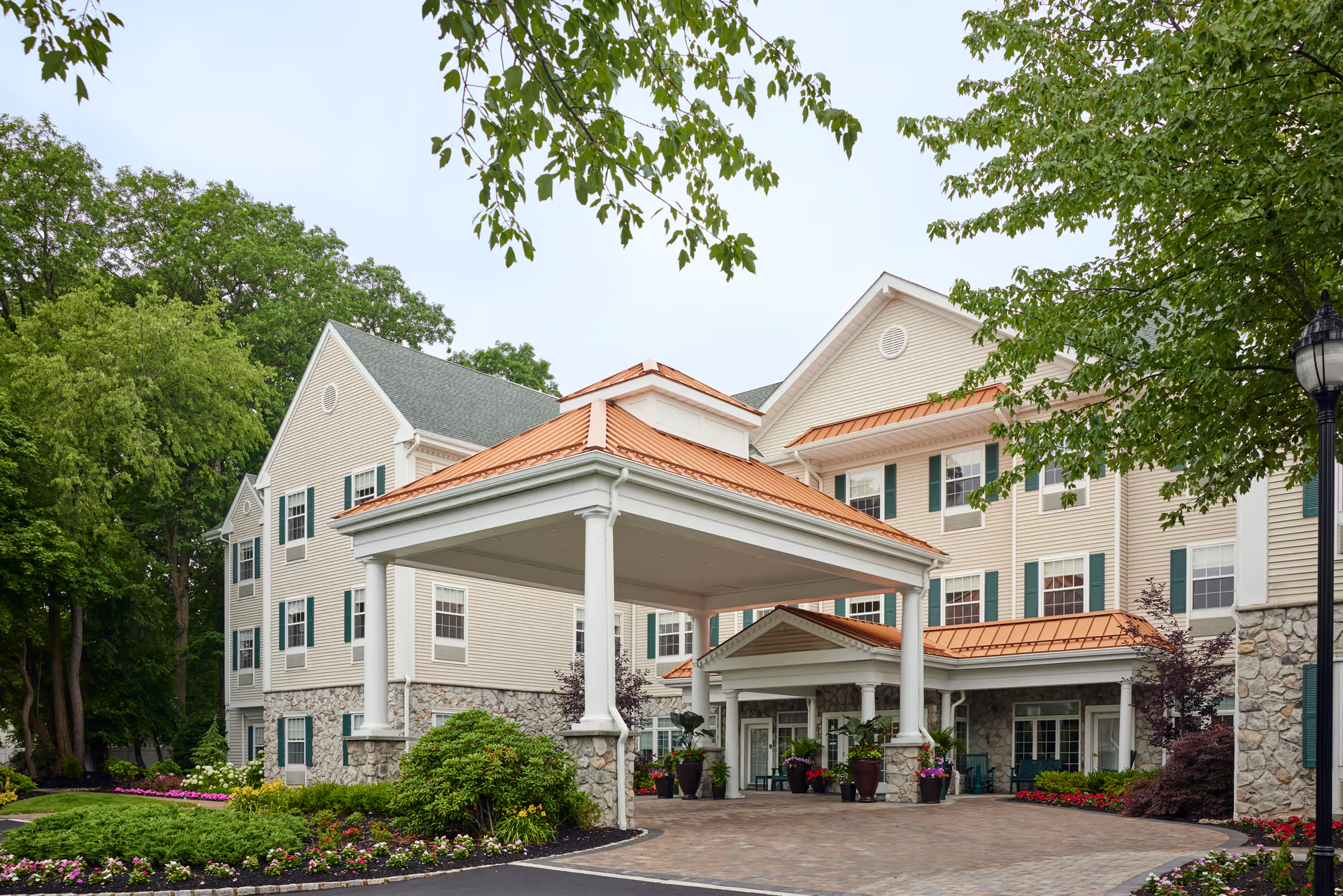
Delaire Gardens presents a mixed profile. Many families describe a positive admissions and tour experience: staff are often characterized as pleasant and helpful, managers take time to explain services and provide direct follow-up contact, and the community offers active programming, accessible outdoor spaces, and large dining/event areas. There is evidence of investment in the physical plant, including planned room and bathroom renovations and generally well-maintained common areas. Clinical capabilities such as medication administration and onsite wound care are present in the facility's service mix.
At the same time, reviews indicate notable operational weaknesses that prospective residents and families should evaluate closely. Recurring concerns center on personal-care and sanitation processes (including delays in assistance with toileting and bathing), inconsistent bathing and linen practices, and sanitation-related odor issues in some areas. Staffing levels and caregiver responsiveness are described as variable, which reviewers link to difficulties in attending promptly to resident needs. Several accounts point to clinical-safety gaps — for example, fall incidents and transfers to higher levels of care — and variability in infection and wound management despite the availability of wound-care services.
Communication, escalation, and administrative processes also emerge as recurring themes. Families report uneven family communication and instances where concerns were not escalated effectively; there are also administrative issues such as unexpected billing items. Equipment and maintenance issues (including broken medical devices and a nonfunctional call system) were described and can directly affect response times and safety. Additional operational limitations mentioned include insurance-related restrictions on therapy access and inconsistent food-service quality or difficulties with meal accessibility.
Overall, the facility shows strengths in hospitality, communal spaces, activity programming, and certain clinical services, alongside significant operational and quality-control concerns that have affected resident experience and safety for some families. Prospective residents should request current information on staffing ratios, care-escalation protocols, wound- and infection-management procedures, maintenance of call and medical equipment, laundry and bathing schedules, therapy availability under specific payor arrangements, and recent inspection or licensing history. An on-site visit during active hours and direct conversations with nursing leadership about specific incidents and corrective actions will help clarify whether the facility's strengths align with a prospective resident's care needs.