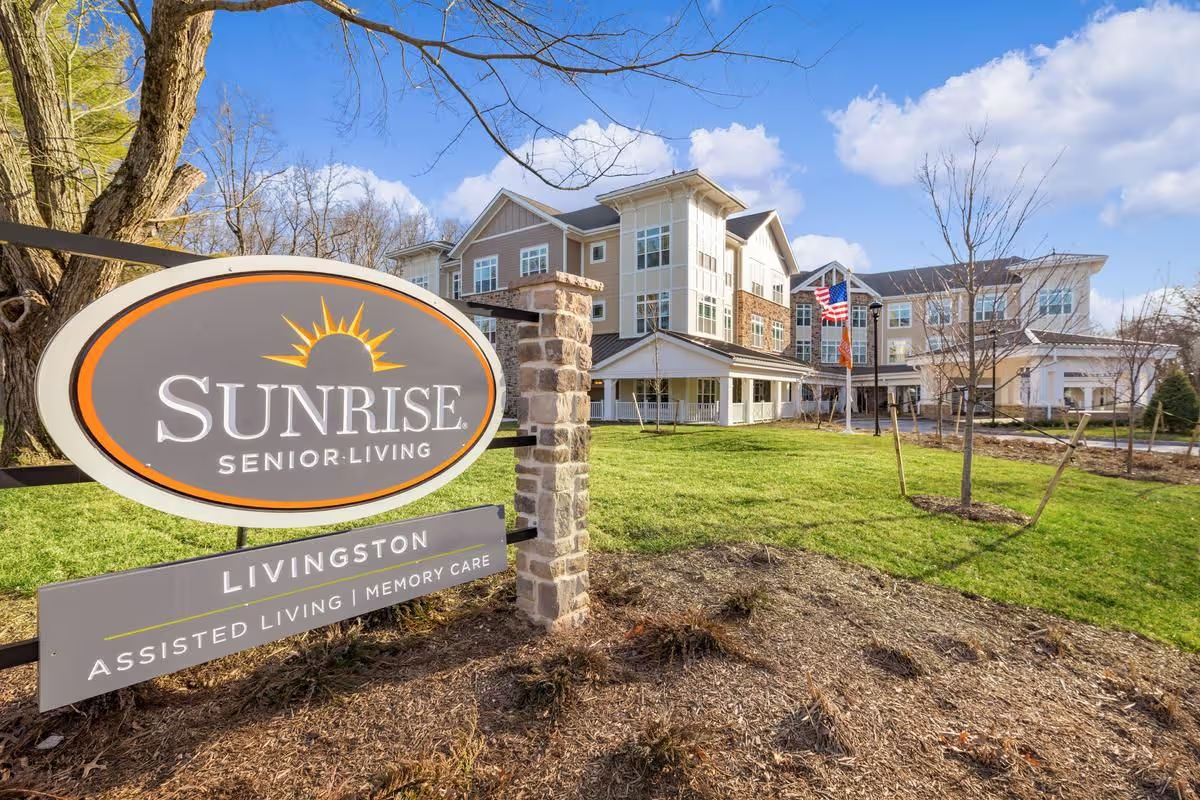
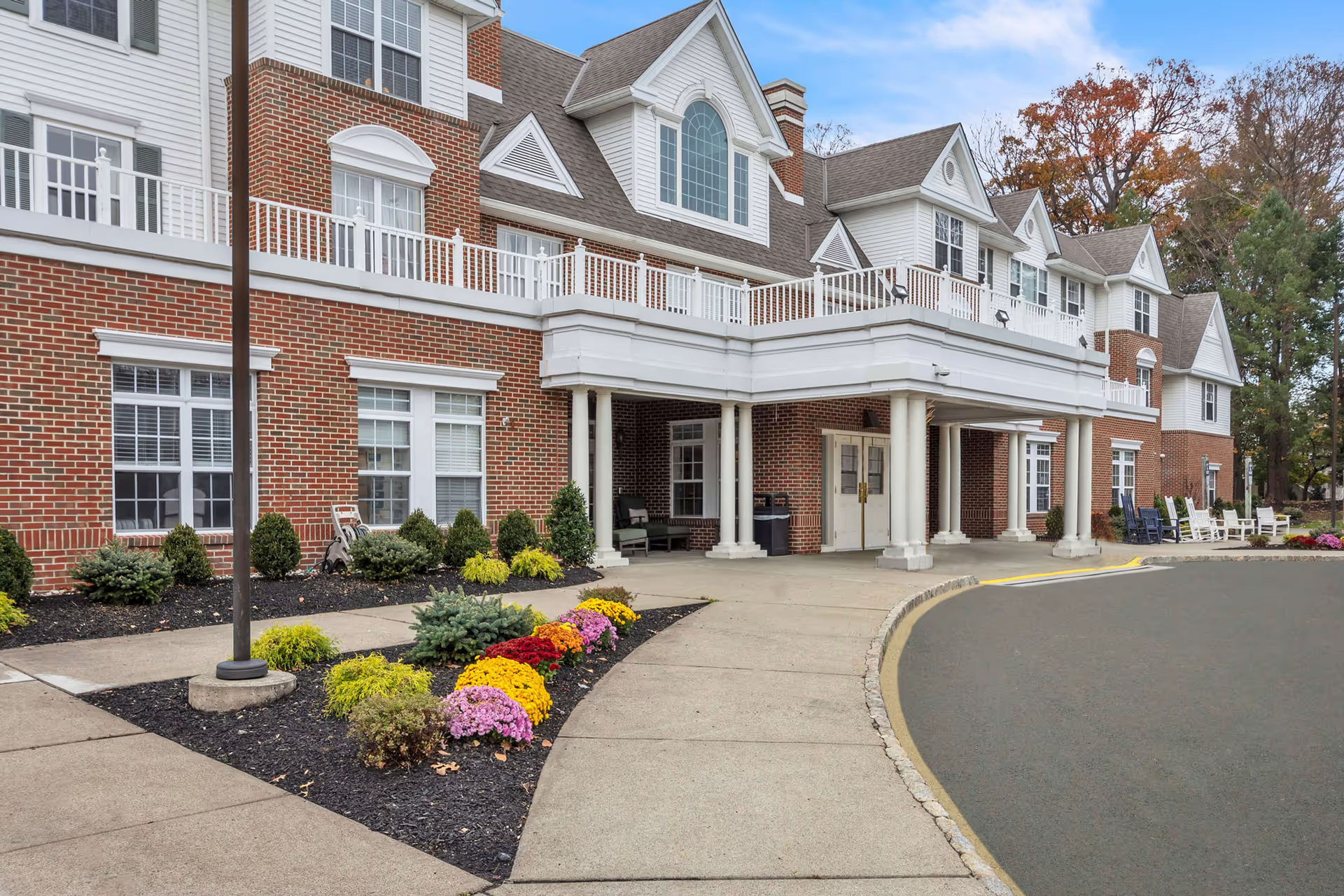
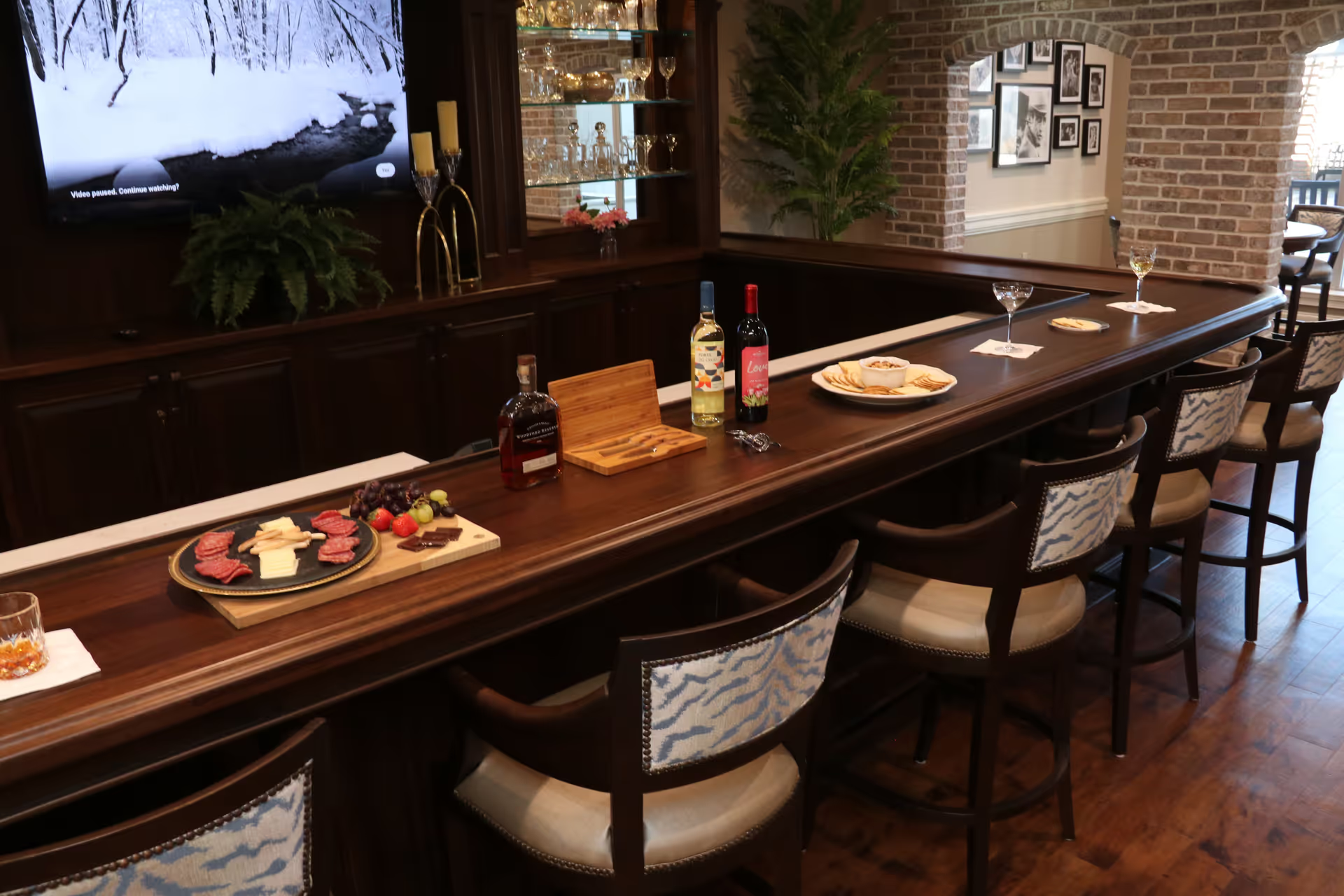
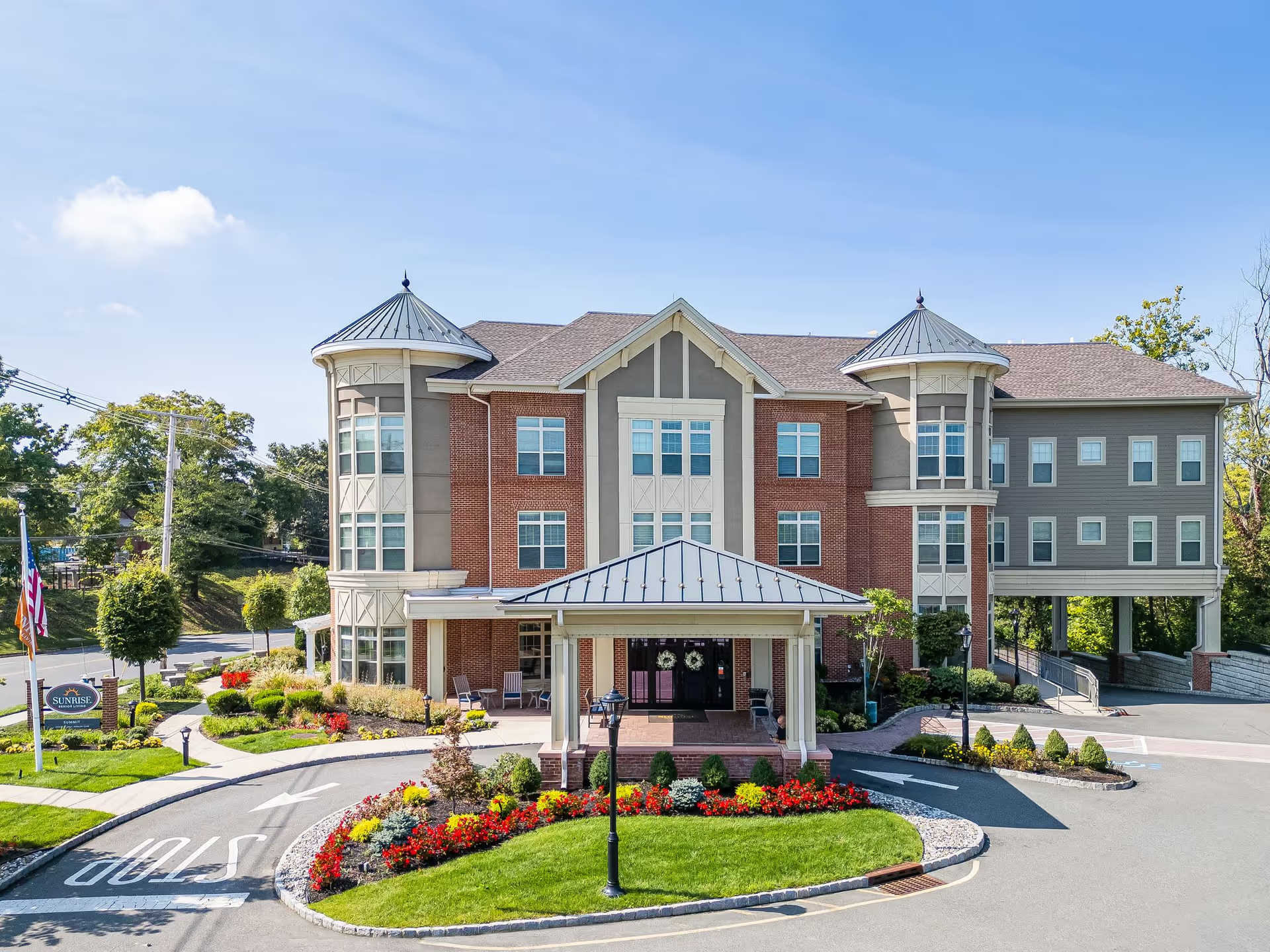
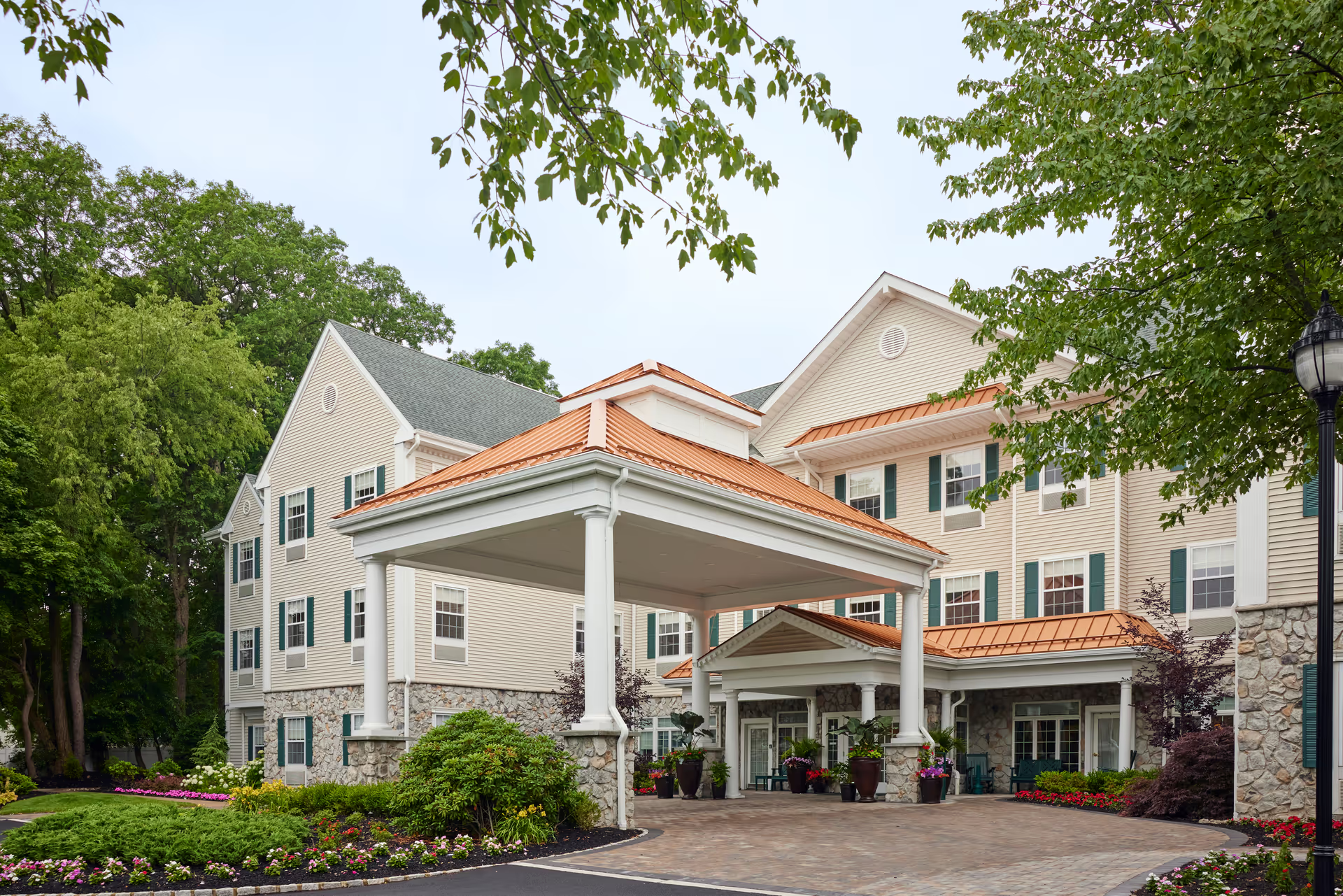
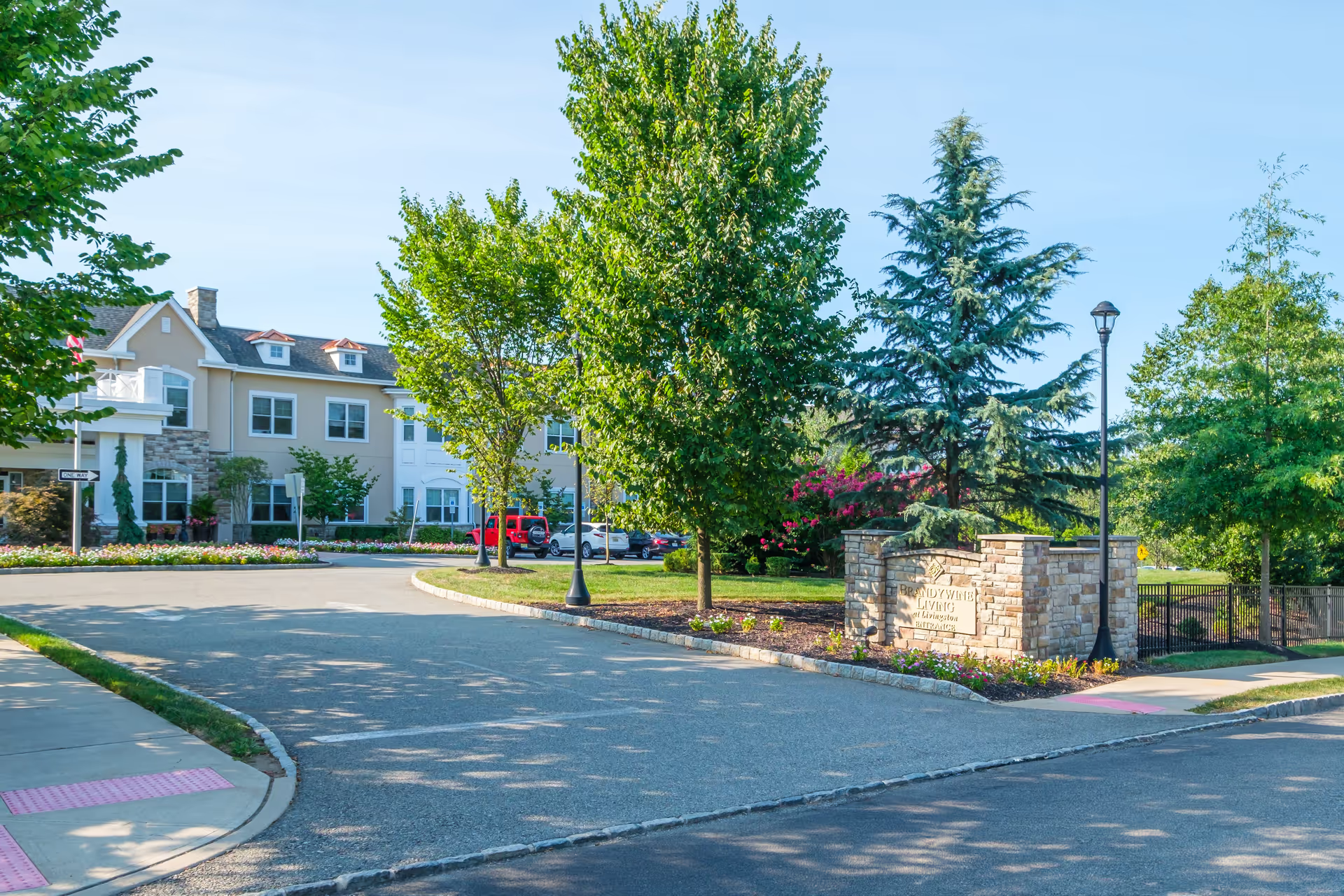
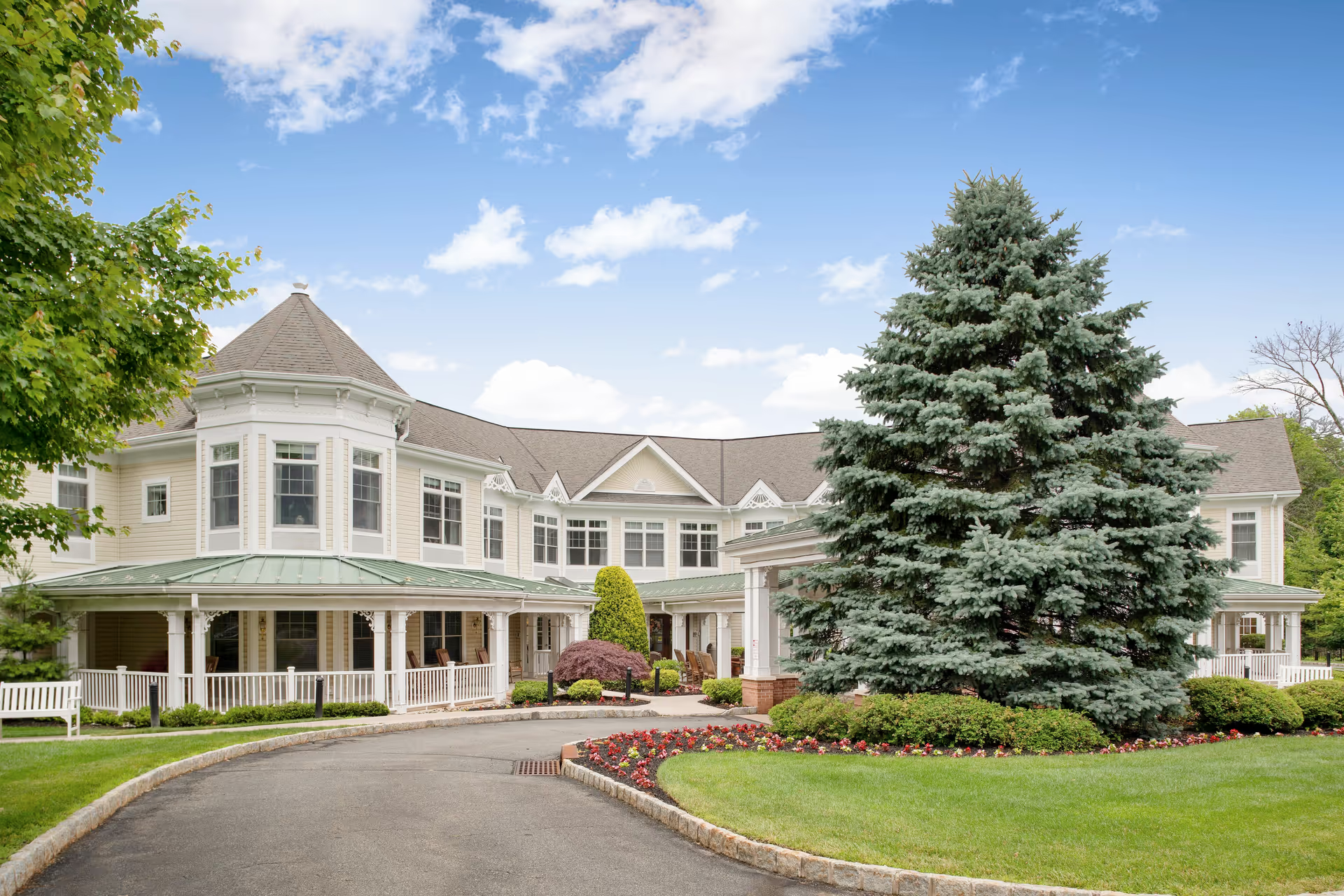
CareOne at Livingston elicits a highly polarized set of experiences. A substantial portion of feedback praises the facility’s rehabilitation capabilities: many families attribute measurable functional gains to an experienced PT/OT team, frequent therapy schedules, and collaborative therapy approaches that helped residents regain mobility. Positive accounts also highlight compassionate nursing and CNA care, attentive wound and specialty nursing resources, proactive social-work advocacy, and a personalized admissions process that some families found reassuring. The facility’s physical environment is frequently described as clean, attractive, and well maintained, and several reviewers complimented dining staff, menu personalization, and engaging activities and family-support programming.
Counterbalancing those positive reports are consistent operational concerns that recur across reviews. Staffing levels and responsiveness are the most common areas of concern: reviewers describe prolonged call-bell response times, delays in bedside assistance, and apparent shortages that affect care continuity. Night-shift performance is repeatedly cited as uneven compared with day staffing, contributing to variability in day-to-day experience. Communication with families and by phone is also inconsistent; examples include unreturned voicemails, missed follow-through on scheduled family meetings, and limited weekend physician availability. Therapy quality appears strong overall but is sometimes undermined by scheduling or handoff problems that reduce session effectiveness.
Clinical-and-safety related issues appear in several accounts and warrant attention when evaluating the facility. Reviewers raise sanitation and infection-control concerns and note lapses in timely clinical processes, including laboratory and medication administration workflows and documentation. Housekeeping and room-maintenance practices are generally praised but there are isolated descriptions of delays or inconsistencies. Dining receives both favorable and critical comments: many residents and families appreciated fresh and personalized meals, while others described temperature and consistency problems on occasion.
Management and culture impressions are mixed. Some families commend visible leadership, responsive managers, long-tenured staff, and strong teamwork; others describe slow management follow-through on complaints and variable staff conduct or tone. A small number of reviews include allegations of serious care failures, including concerns following a resident’s death; these are serious matters that should prompt direct inquiry with the provider and, if needed, regulatory authorities.
For prospective residents and families: the facility has demonstrable strengths in rehabilitation, therapy expertise, social-work support, and the physical environment, but experiences vary markedly by unit and shift. When considering placement, ask targeted questions about current staffing ratios (especially at night and on weekends), average call response times, infection-control protocols, therapy scheduling continuity, family-communication procedures, and how management tracks and resolves complaints. Visiting during different times of day, speaking with clinical leadership, and requesting recent performance or staffing metrics can help determine whether the facility’s current operational practices align with your expectations and care needs.