Overall impression: Reviews present a mixed but coherent picture of a small, country nursing/residential community with historic character. Several families praised the facility’s cleanliness, quiet setting, well-kept grounds and the personable owner and staff. At the same time, a set of operational concerns recurs: dining quality and variety, inconsistent programming, rooming arrangements, and limits on clinical capacity.
Care and staff: Staff are consistently described as friendly, professional and helpful, and ownership is characterized as pleasant and engaged. Many reviewers felt day-to-day interactions with staff were positive. However, there are clear concerns about the facility’s ability to accommodate residents with higher medical or personal-care needs. Families described situations where additional care would have been appropriate, suggesting limitations in staffing, training, or scope of services. There are also mentions of gaps in responsiveness and follow-through from management when expectations were set.
Dining: The dining experience appears uneven. Positive notes are limited, while criticisms focus on repetitive menus, limited variety, and insufficient portions for some residents. Breakfast and light midday options were described as minimal in several accounts, with dinner usually more substantial. These descriptions indicate inconsistent meal planning and portioning relative to resident needs and expectations.
Activities and programming: The facility offers organized activities such as bingo, clubhouse events and occasional day trips, and some reviewers reported engaging outings. Conversely, other accounts describe few activities and cancelled or unfulfilled trip promises. This suggests that while programming exists, its frequency and reliability are variable, which can affect resident social engagement.
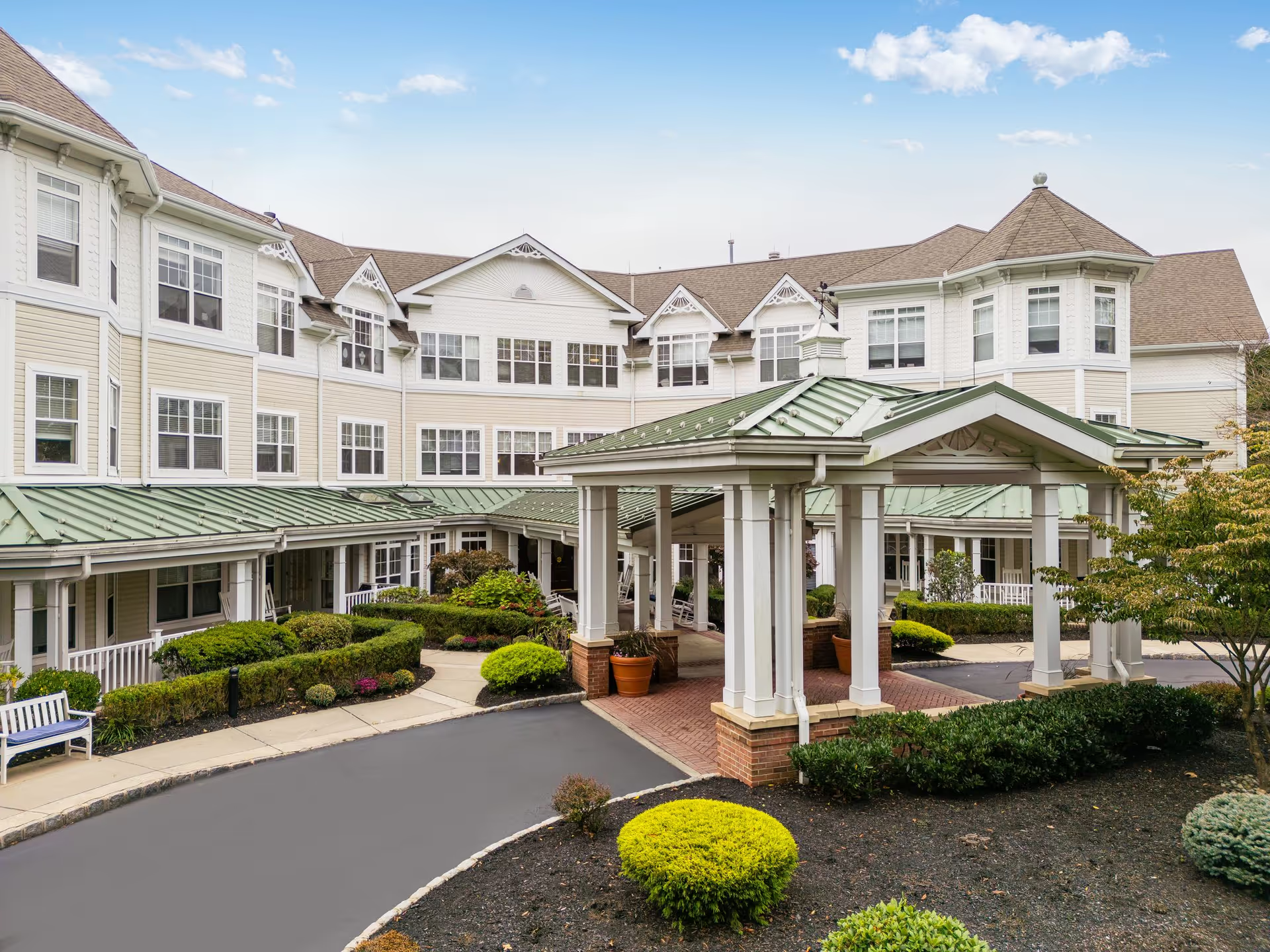
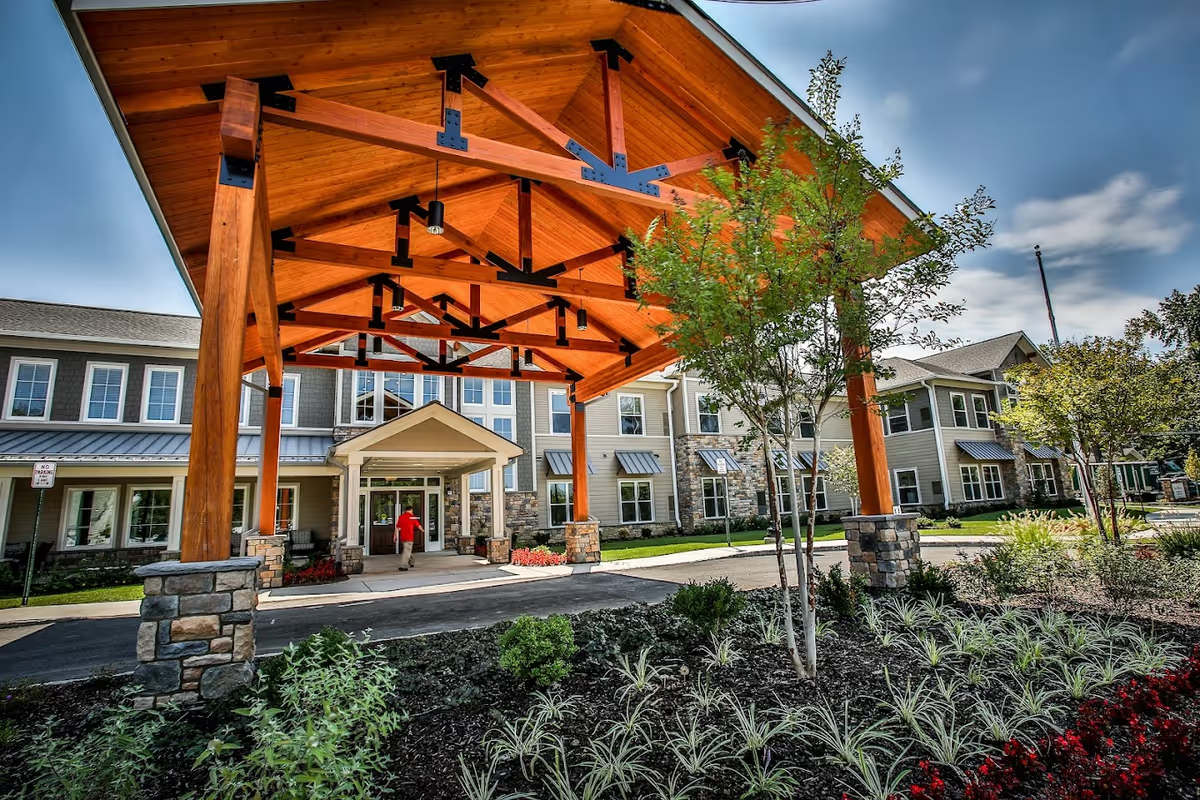
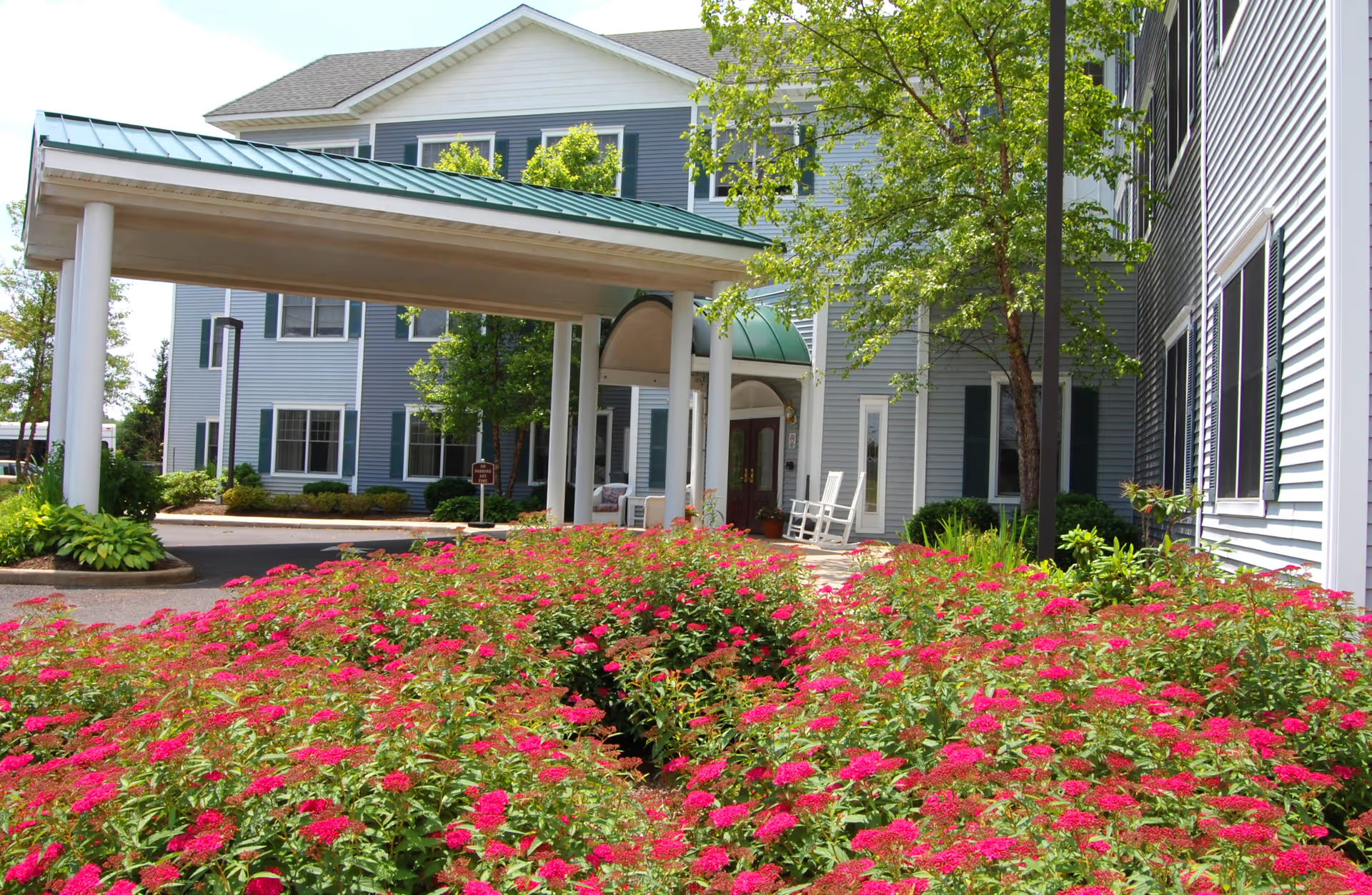
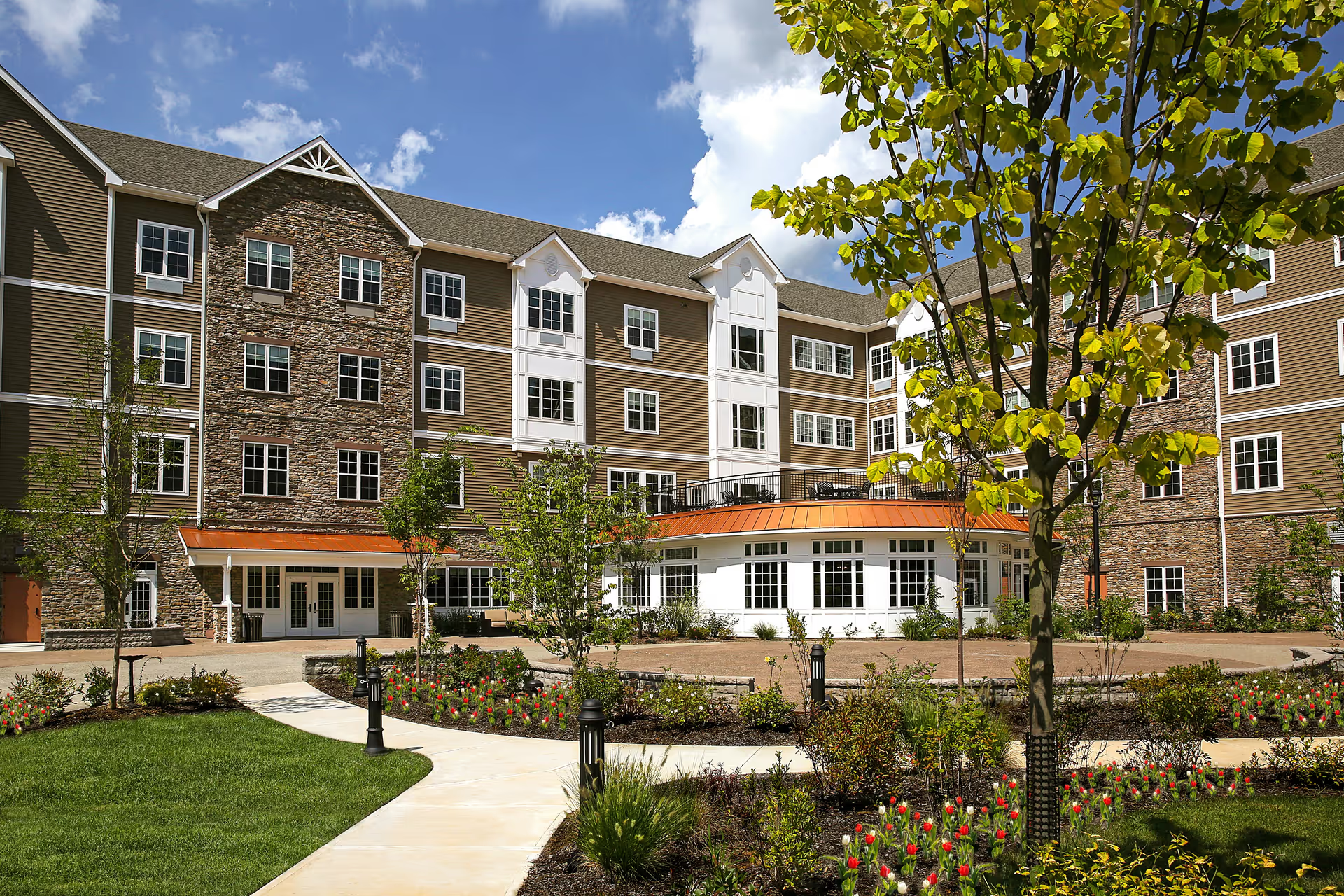
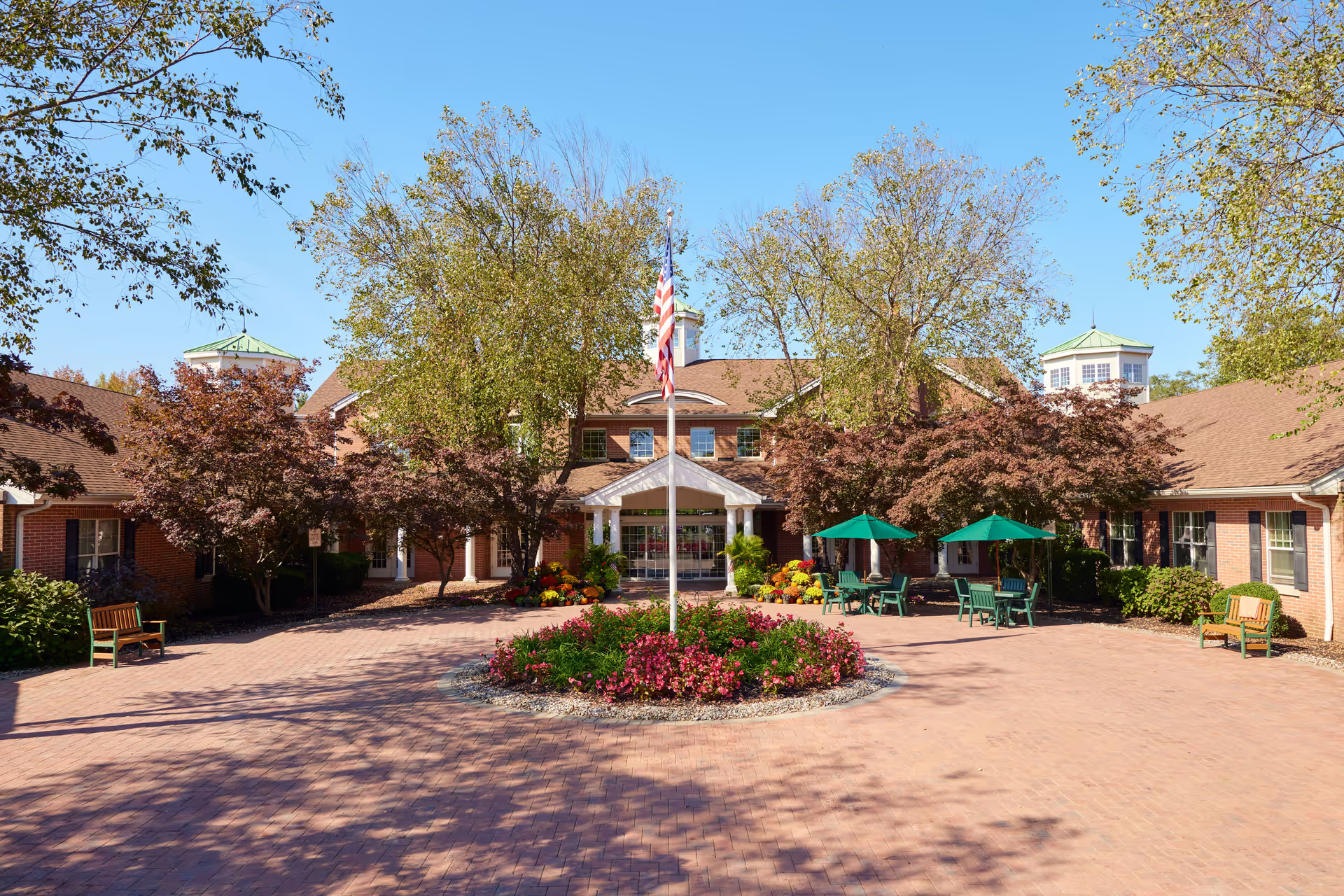
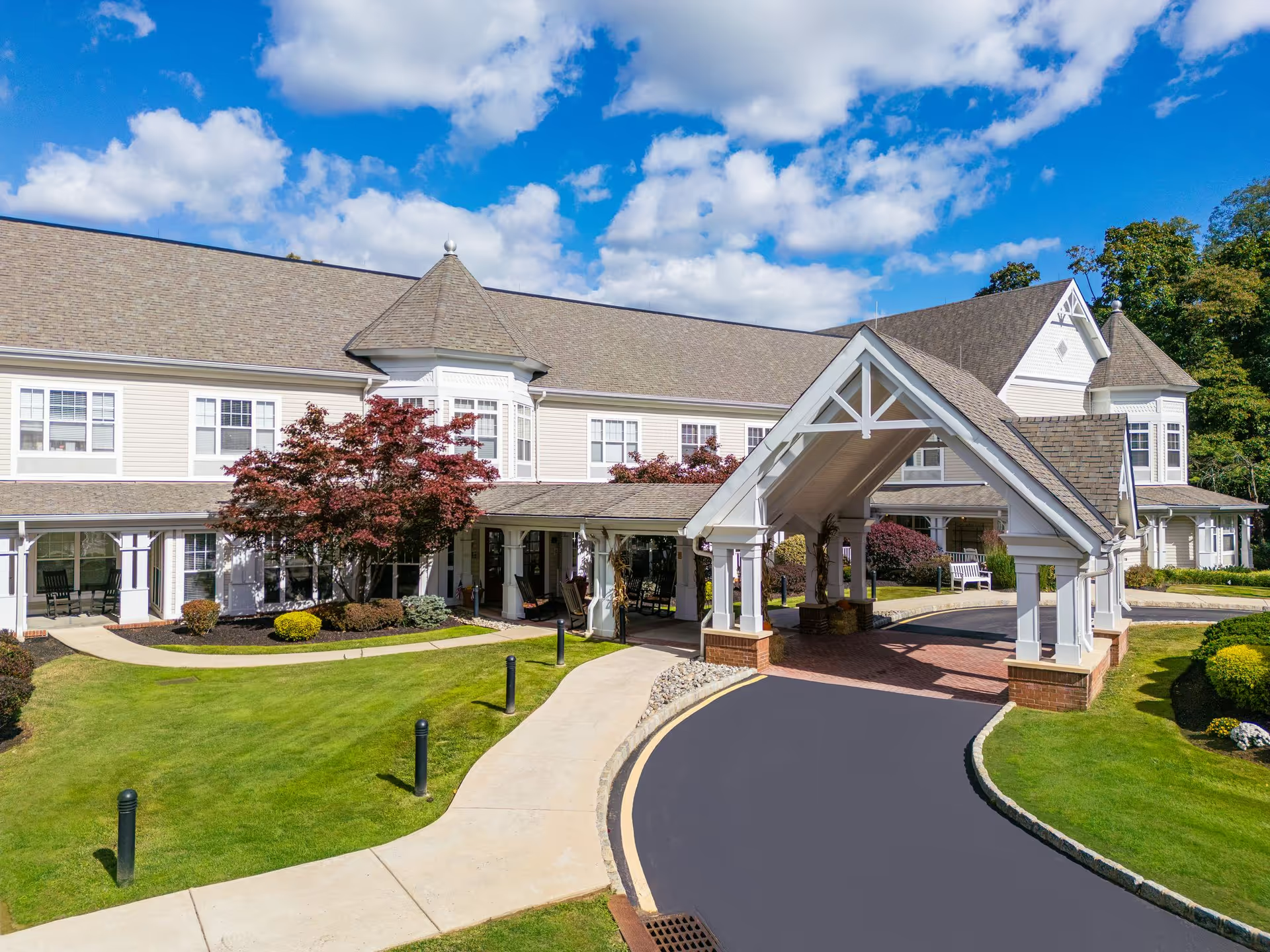
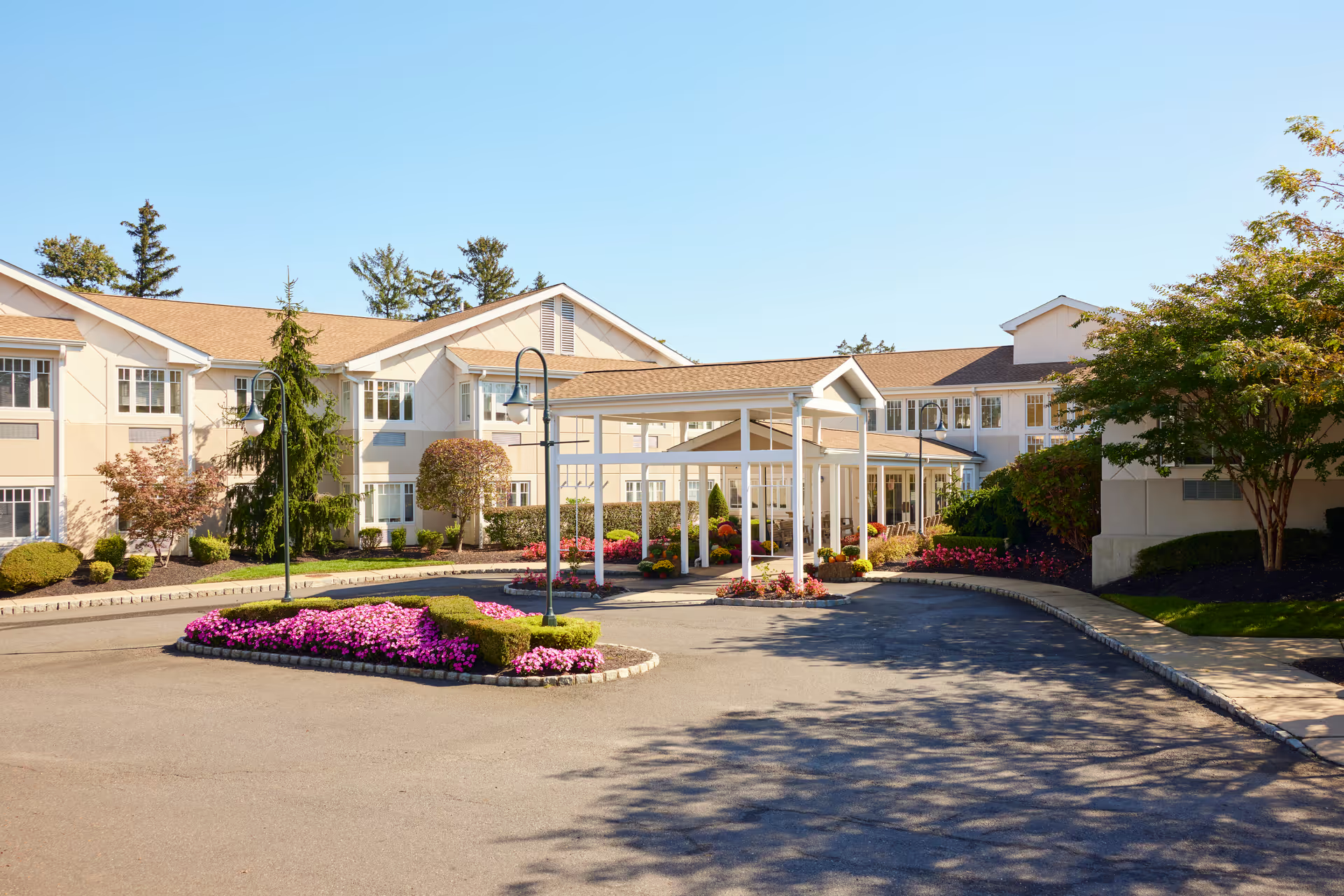
Facilities and environment: The building’s historic/Victorian character is frequently mentioned as a positive aesthetic feature, and the property is described as clean and peaceful. At the same time, the age and layout of the facility create practical constraints: shared rooms are common, and the physical plant reflects older construction, which may limit privacy and accessibility. The small resident census contributes to a tranquil atmosphere but may also reduce on-site social options and program viability. The property permits outdoor smoking in designated areas.
Management and notable patterns: Positive interpersonal attributes of staff and ownership are balanced by recurring operational issues: unmet promises around outings and services, inconsistent activity schedules, and perceived poor value relative to cost. The combination of a small census, an aging building, and limited higher-acuity capacity appears to produce variability in the resident experience—some families find the community peaceful and well cared for, while others find it insufficient for their loved one’s needs.
Guidance for prospective families: When evaluating this community, ask specifically about private-room availability and roommate placement policies; staffing levels and the facility’s ability to support higher-acuity needs; a current sample menu and typical portion sizes; a published activity calendar and guarantees for scheduled outings; transportation arrangements and frequency of trips; and contract terms related to promised services. Request a tour that allows observation of resident–staff interactions during a mealtime and an activity, and clarify refund or transfer policies if the resident’s care needs increase.