Medford Care Center elicits strongly polarized experiences: many families describe attentive, compassionate caregivers and successful rehabilitation outcomes, while others report operational shortcomings that affected care continuity. The facility's therapy teams, several nursing staff, admissions personnel, and activity leaders receive repeated praise for facilitating functional improvement, social engagement, and a welcoming atmosphere. These strengths are reflected in accounts of residents gaining weight, improving mobility, and leaving the facility with better function after rehab.
At the same time, a consistent pattern of operational weaknesses emerges. Staffing levels and consistency appear variable by shift and over time; reviewers link lower staffing with slower call responses, missed or delayed medication administration, and reduced help with feeding and grooming. There are recurring sanitation and housekeeping concerns in specific units, together with unreliable laundry and linen delivery in some stays. Several families also described delays or challenges with emergency response and hospital transfers and noted gaps in wound monitoring and medication management that contributed to significant clinical consequences for a small number of residents.
Dining and daily living services show mixed performance. Some people praised the dining environment, pleasant communal spaces, and meals that supported weight gain, while others reported missing menu items, processed/high-sodium choices, and inconsistent meal service. Activity programming and recreation staff are frequently highlighted as a positive influence on residents’ quality of life, with organized social opportunities and engaged recreation directors noted by many families.
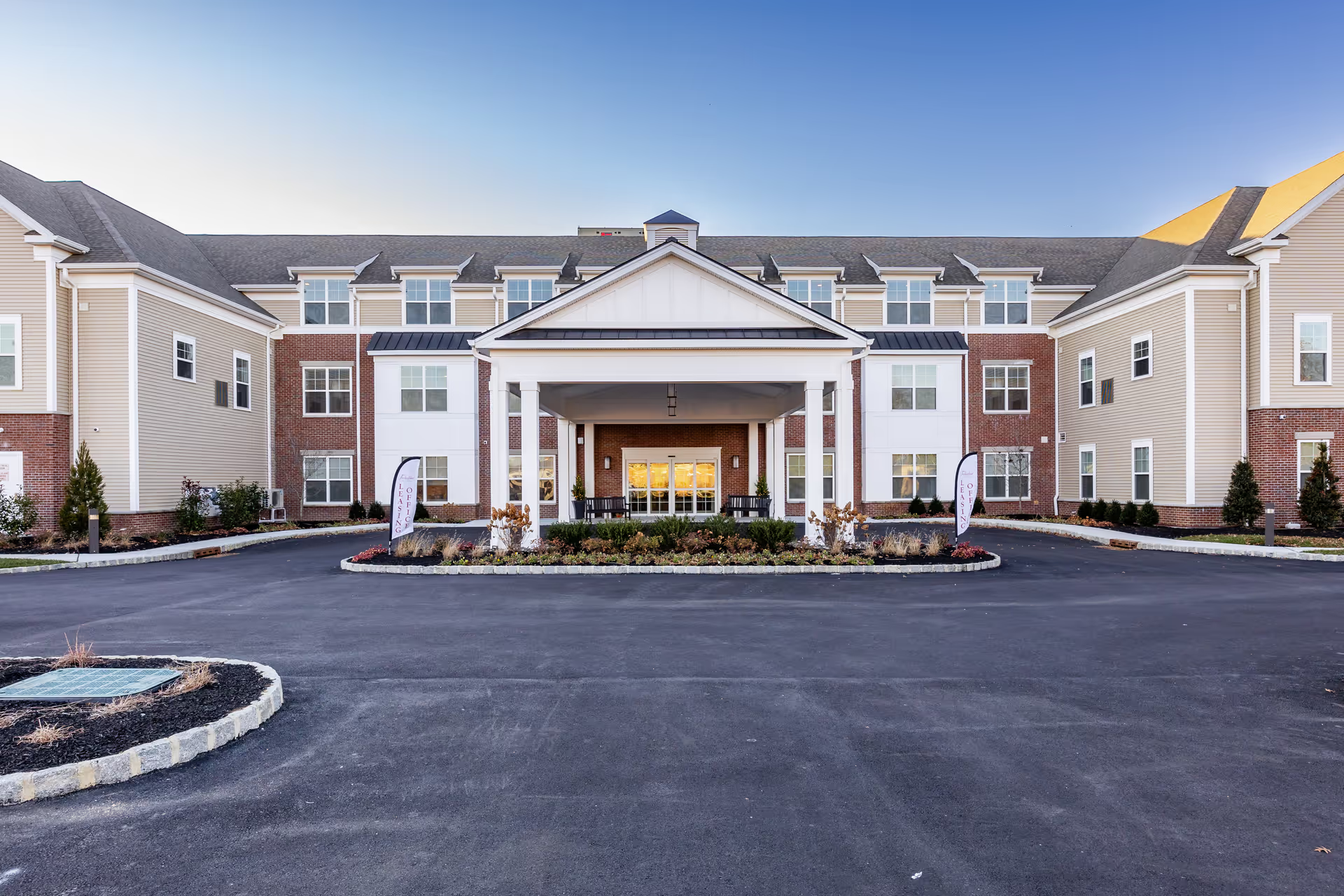
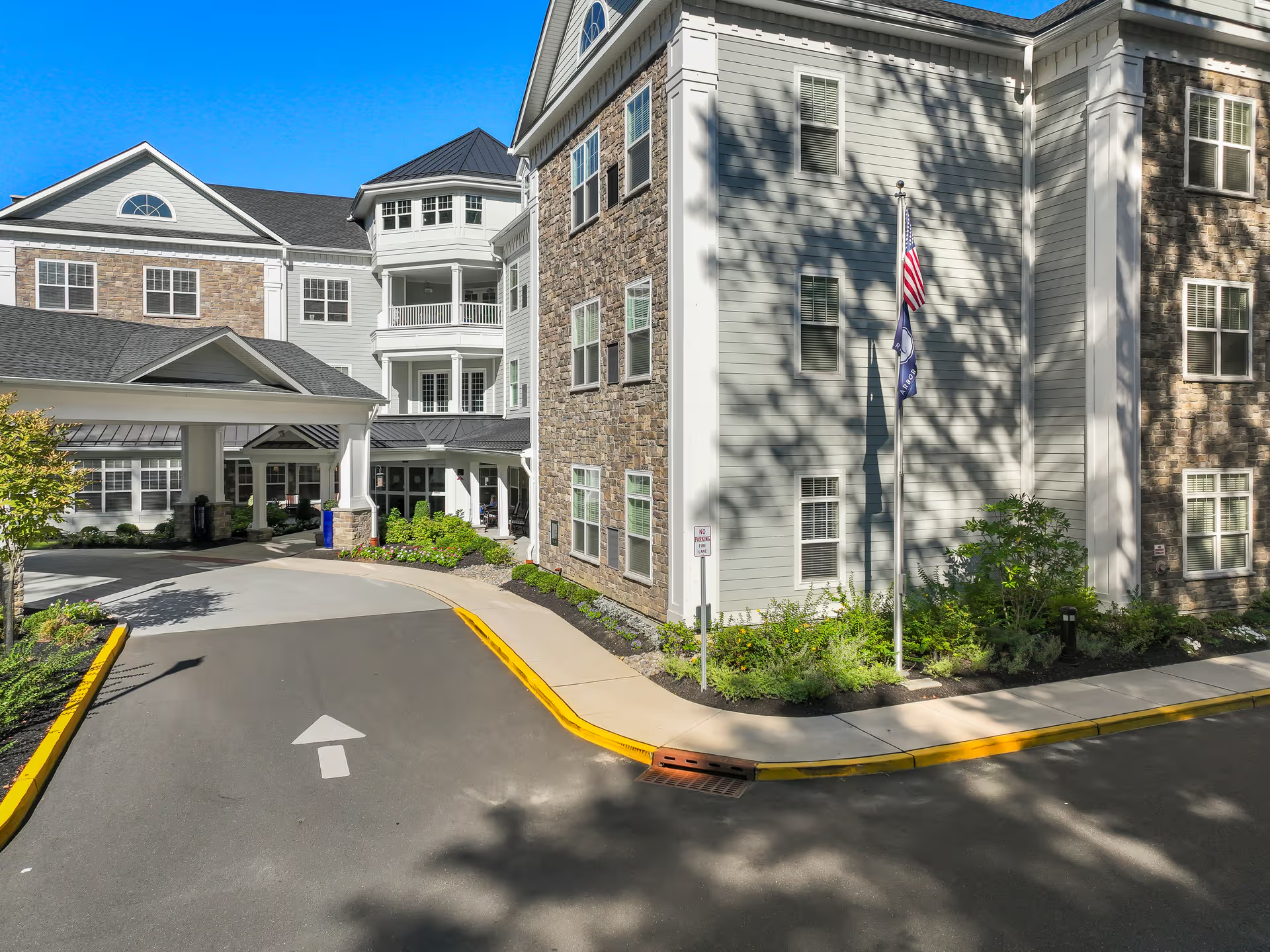
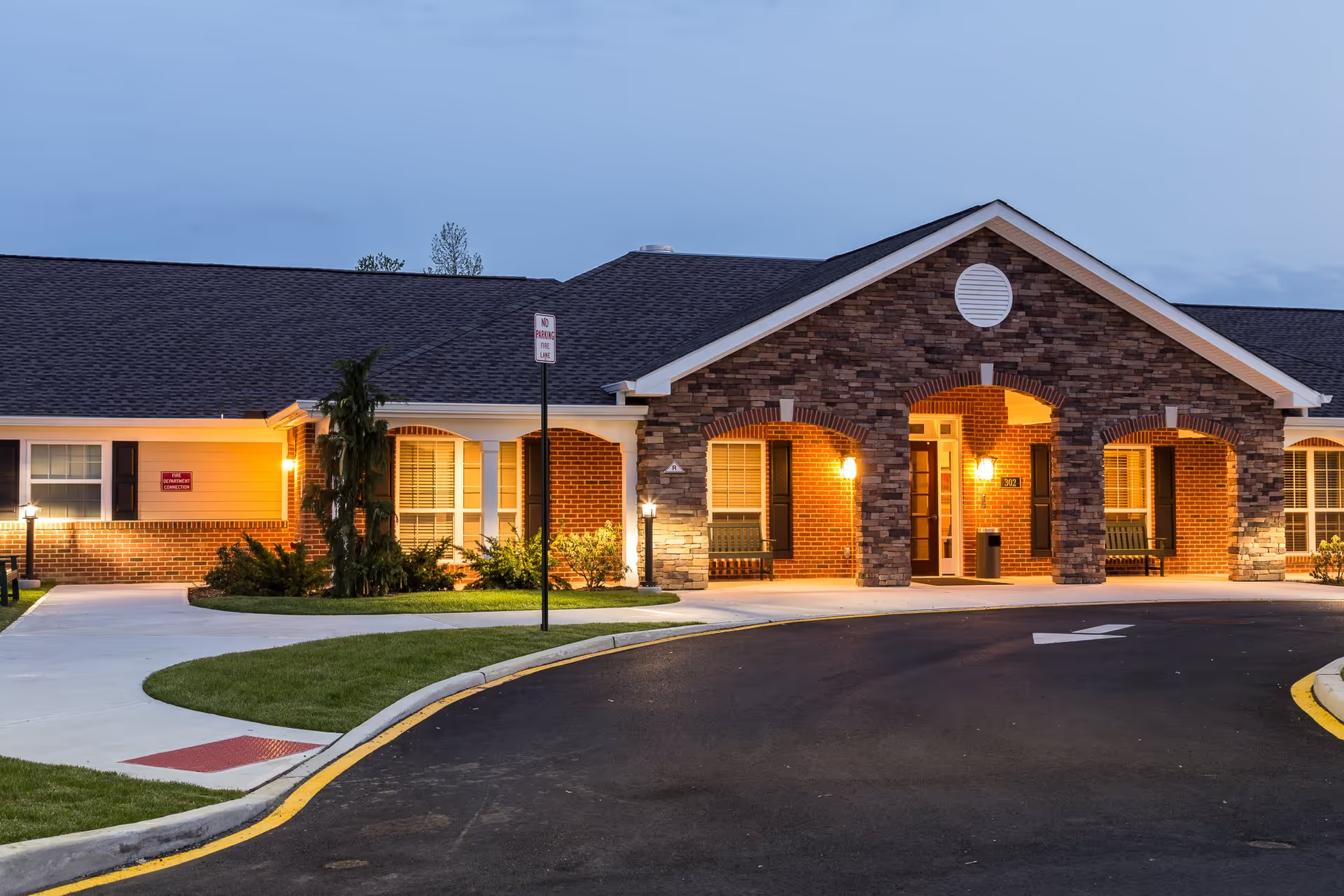
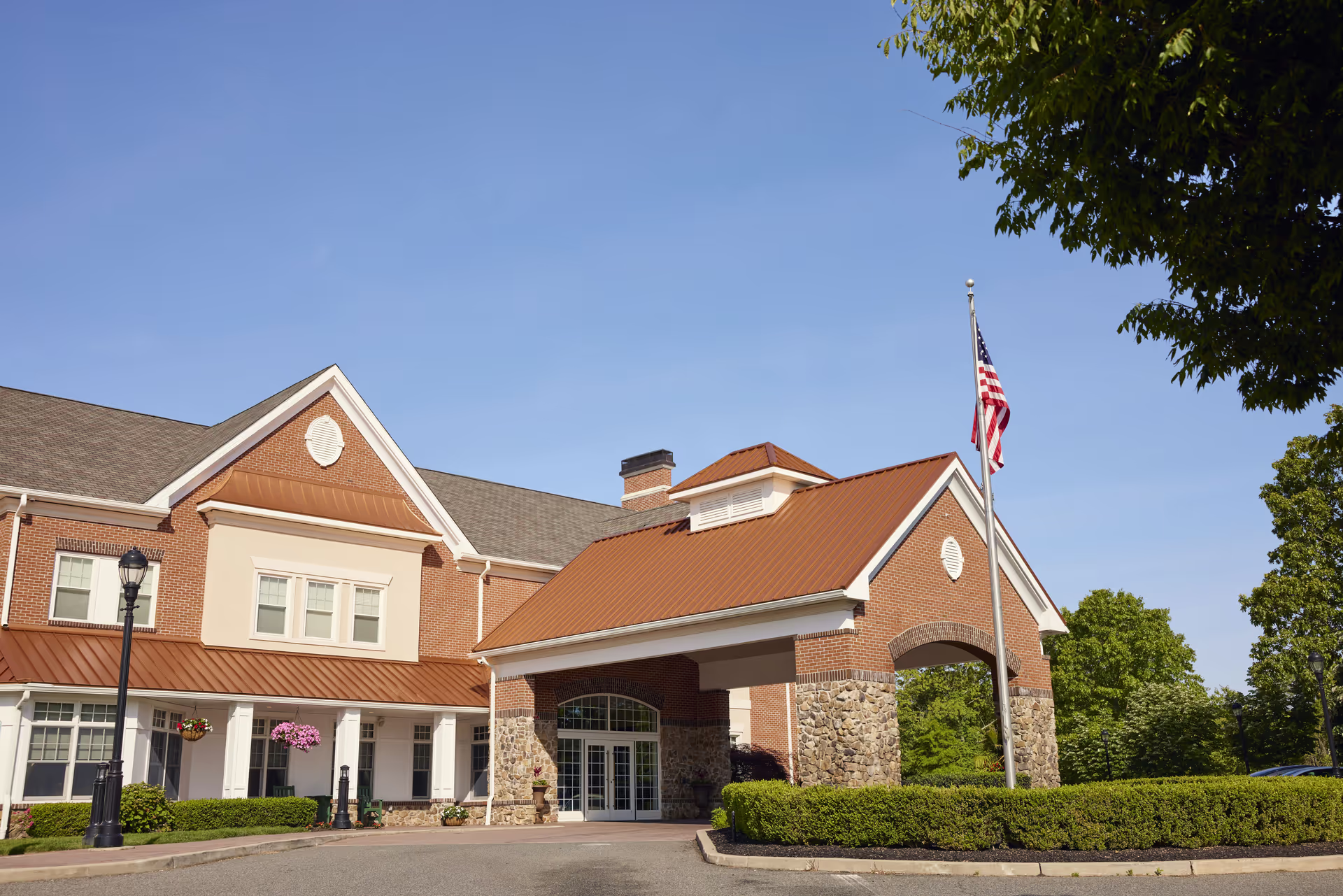
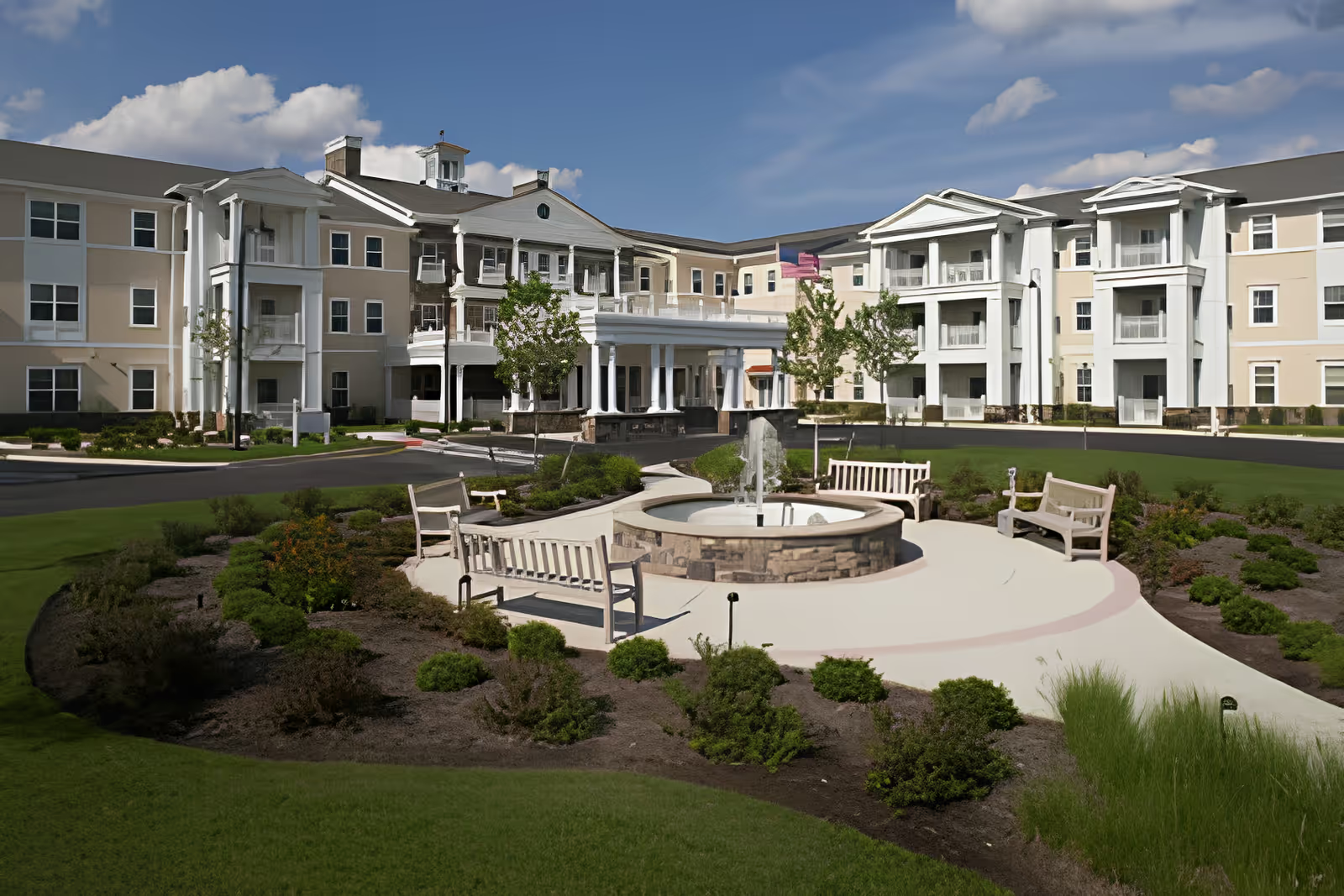
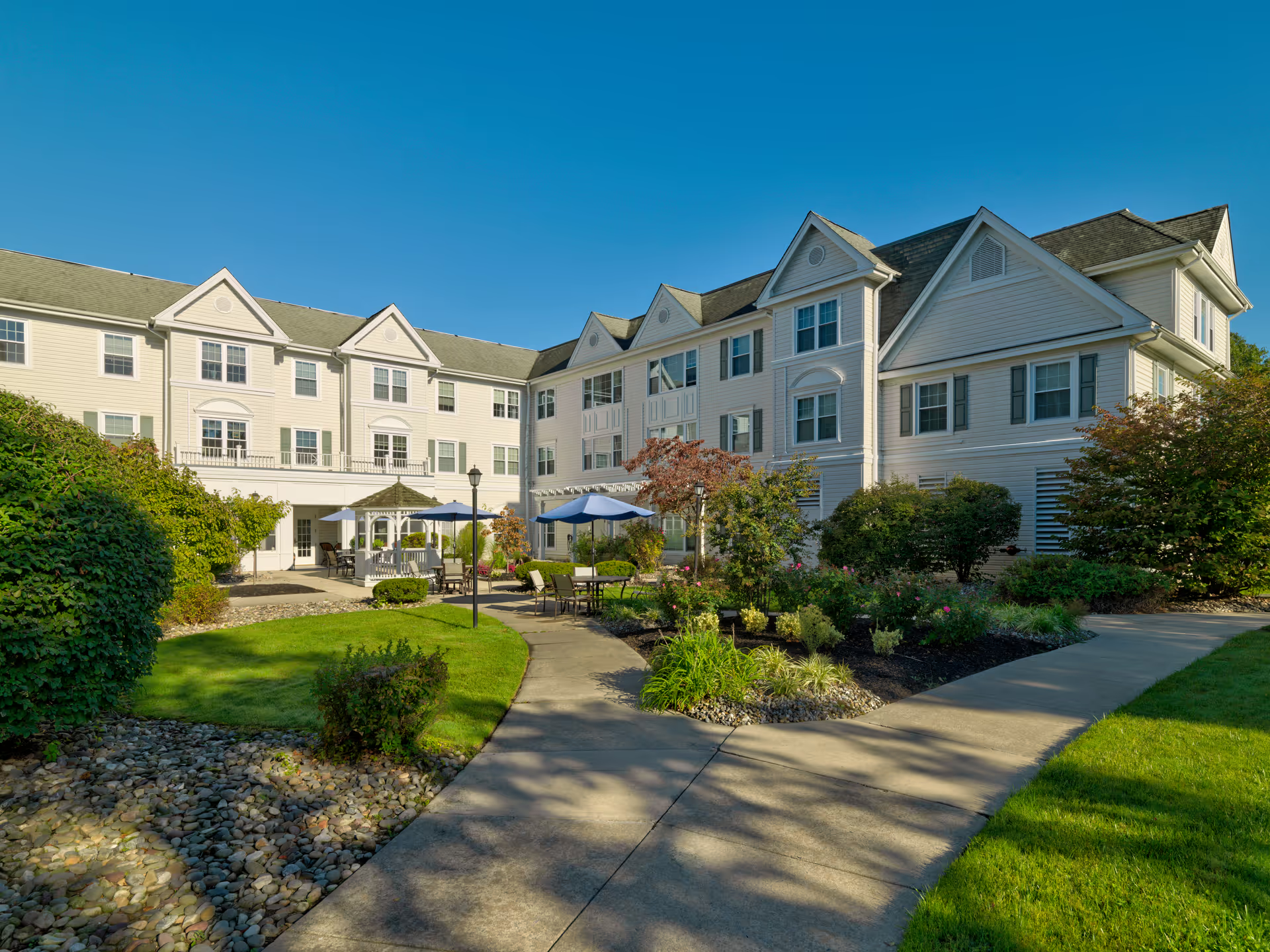
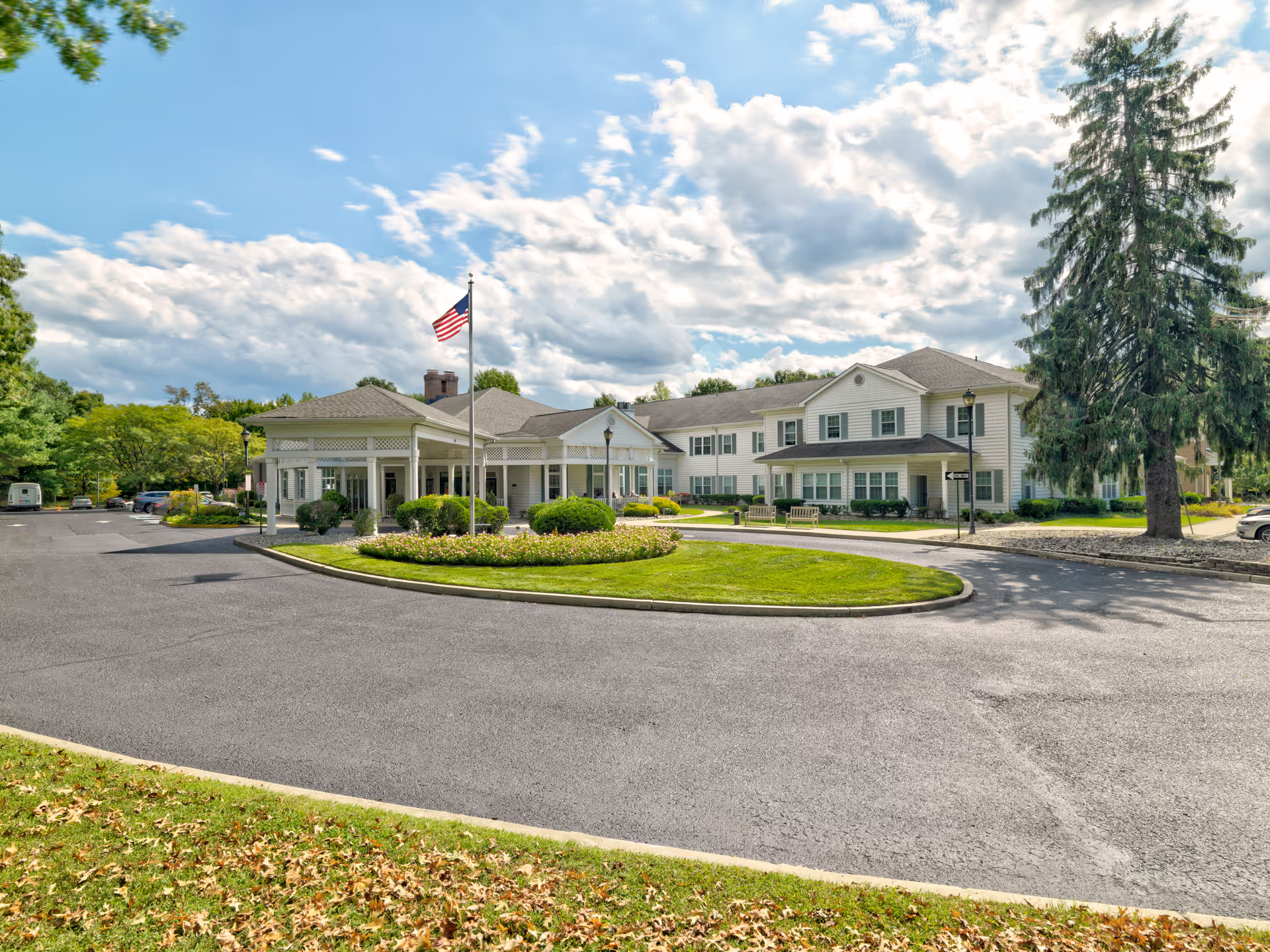
Facility condition and amenities are another area of divergence. Reviewers repeatedly describe an older, dated building and rooms that would benefit from updates; concurrently, housekeeping was praised in many stays and common areas were described as bright and comfortable. Practical infrastructure issues appear in multiple comments: limited or unreliable internet/cable and poor cell reception, a single shower for some short stays, and problems with the call-button system that contribute to variable response times.
Management and communication show mixed impressions. Admissions and several named staff members are consistently commended for being welcoming and helpful. However, other families describe unresponsive administration, inconsistent follow-through on complaints, and at least one instance of regulatory complaint filing. There are also reports of property-management problems such as misplaced clothing and belongings and billing/transportation charge disputes.
Notable patterns: quality appears to vary by unit, shift, and time period — staffing and leadership engagement correlate with better experiences. Prospective residents and families should plan an in-person visit across multiple times of day (including evenings/weekends), inquire about current staffing ratios, wound- and medication-monitoring protocols, laundry and linen processes, emergency transfer procedures, and recent regulatory or inspection history. Reviewing recent therapy outcomes and asking for references from recent residents or families can also help clarify whether the facility’s strengths (rehab, compassionate caregivers, activities) align with an individual’s priorities and risk profile.