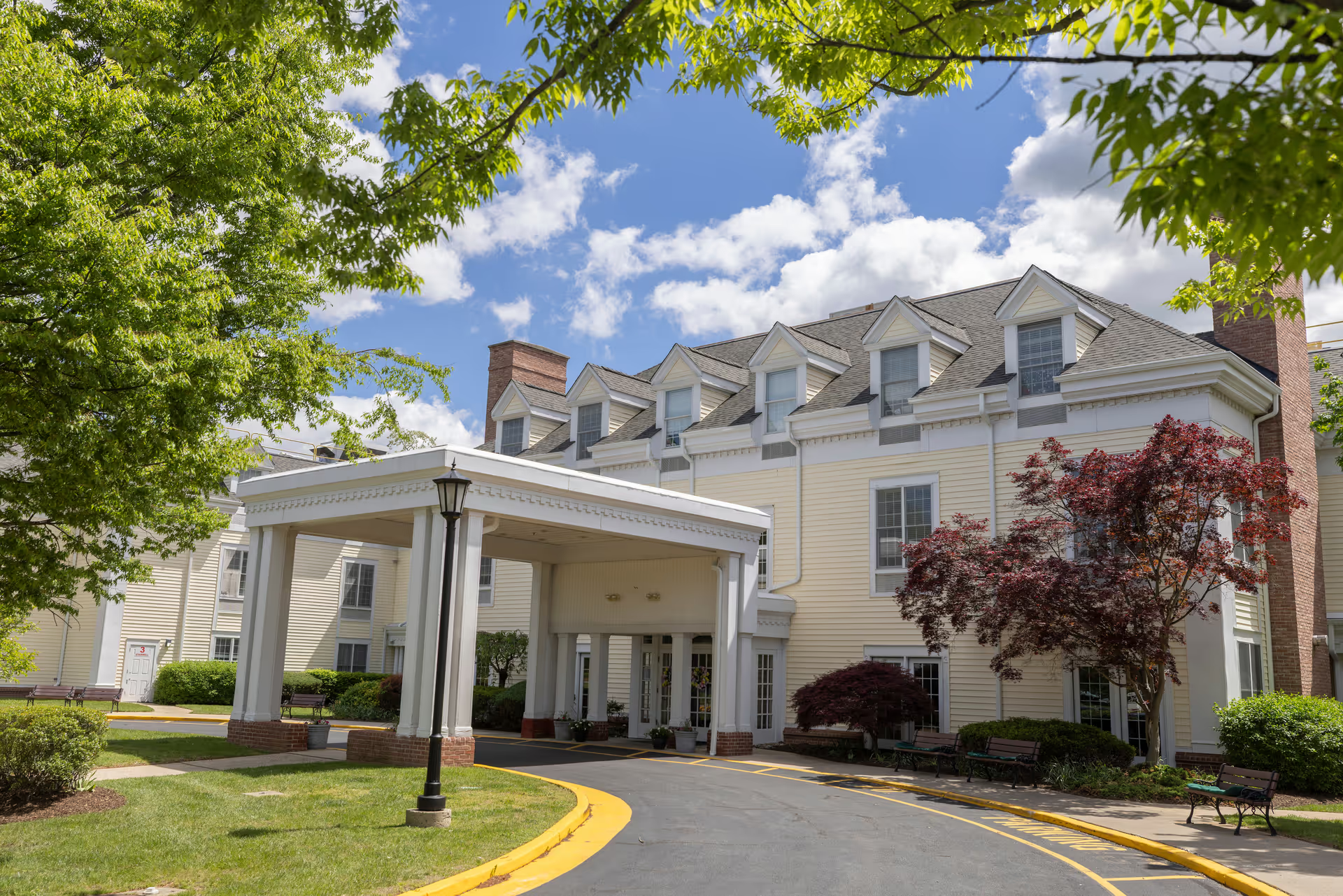
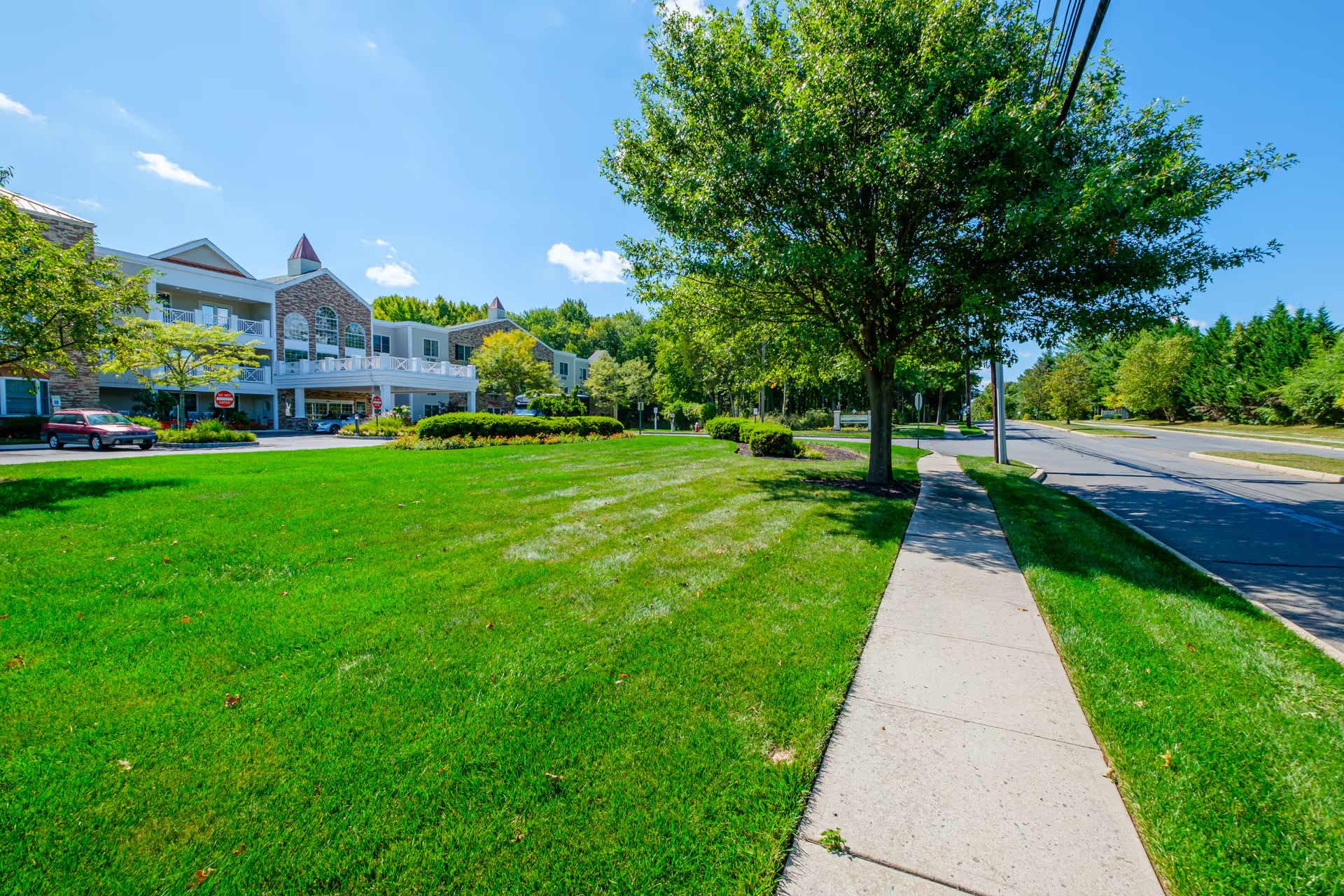
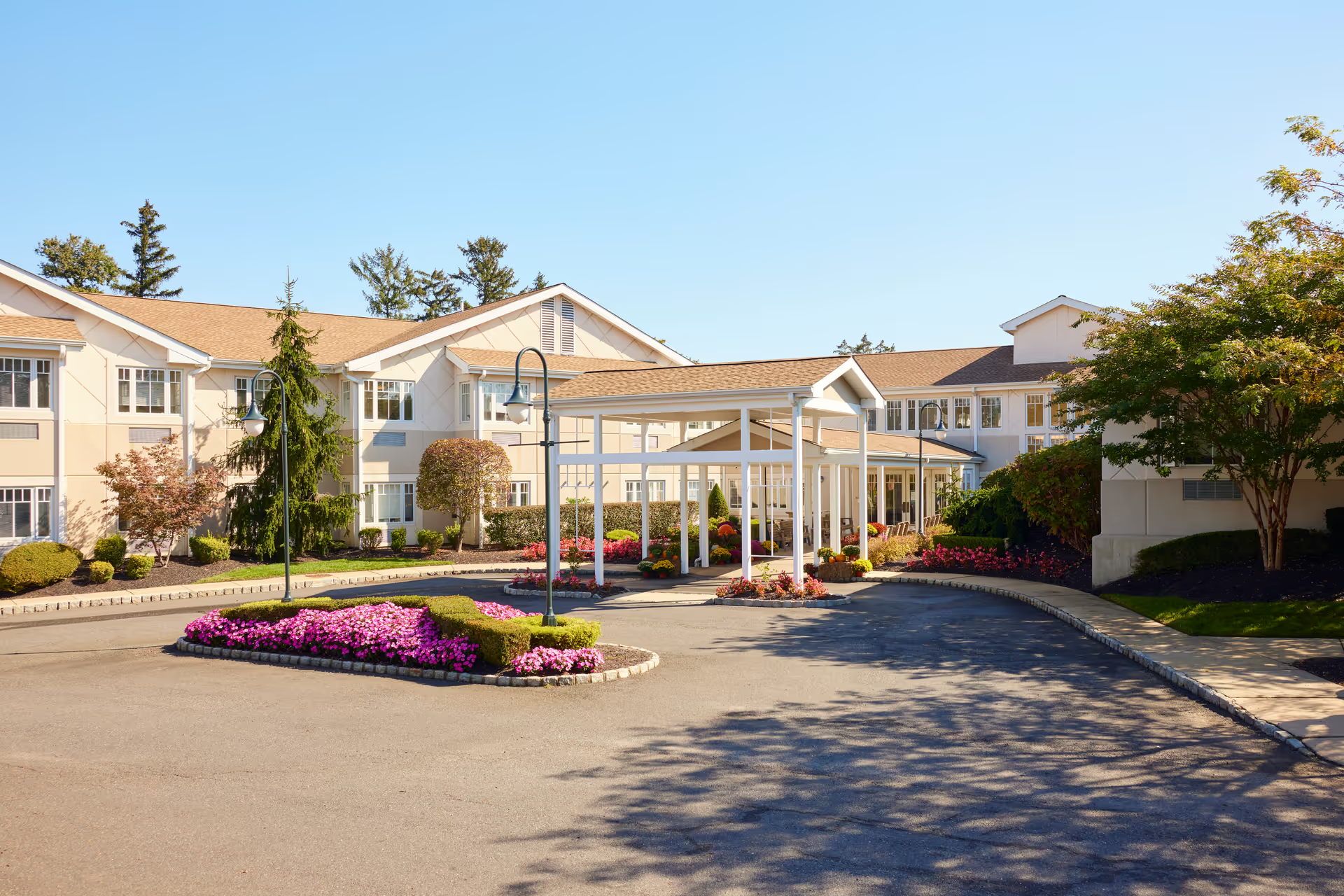
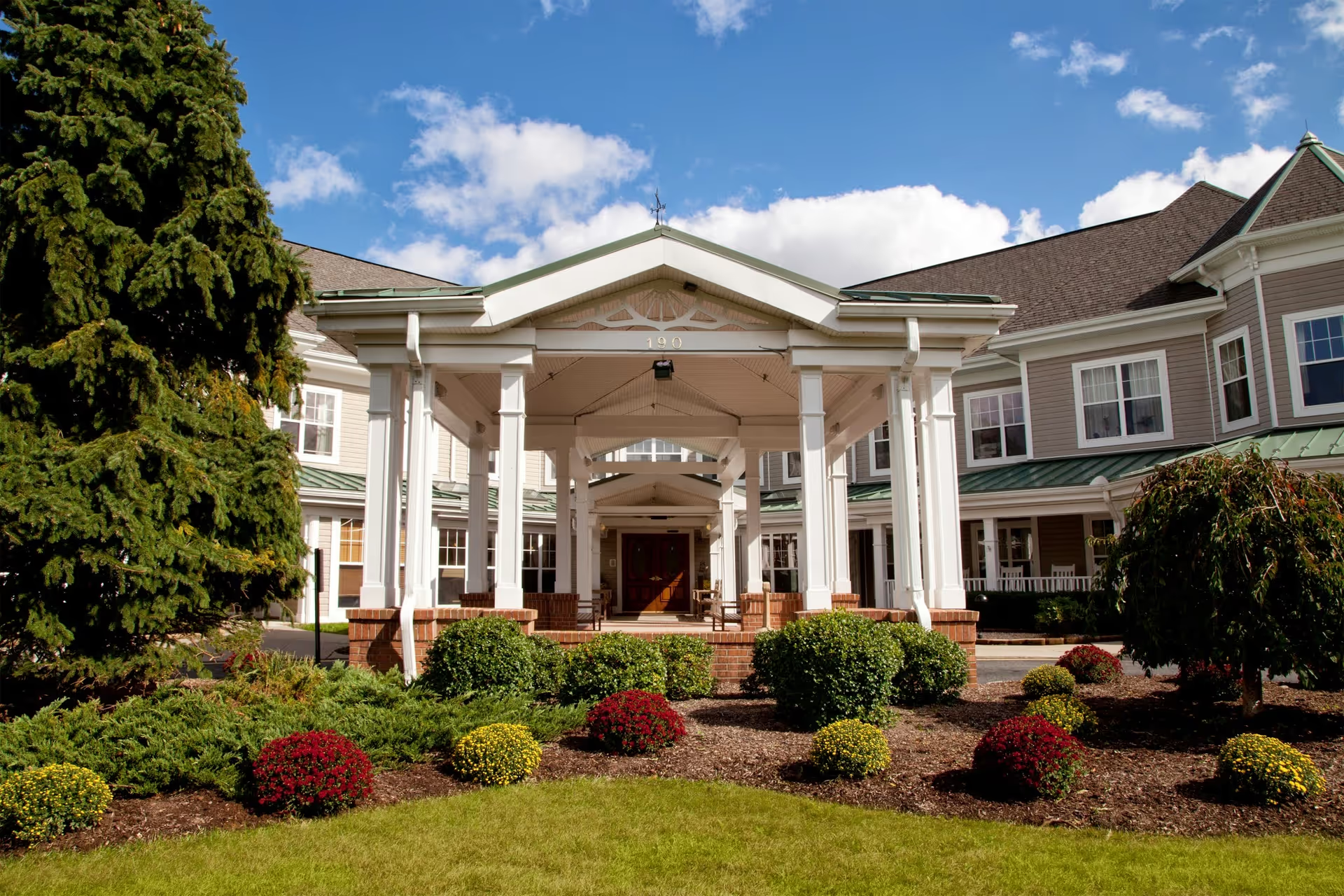
Brookdale Monroe elicits broadly mixed but actionable impressions. Many families highlight the quality of person-facing care: staff are frequently described as compassionate, attentive, and engaged; therapy and rehab programs earn particular praise for restoring mobility and supporting functional gains. The community offers a full schedule of social and recreational programming, regular outings, and a range of on-site amenities that create a resort-like atmosphere for many residents. Common areas, grounds, and larger apartments are often called clean, well-kept, and comfortable.
Care quality appears uneven across shifts and units. Several accounts describe strong, hands-on caregiving and clear family communication, while other accounts point to staff shortages, high turnover, and variable training that affect responsiveness and the consistency of interactions. Specific operational patterns noted include delays in responding to call lights, variability in the tone and dignity of aide–resident interactions, and occasional lapses in sanitation or room upkeep. The facility provides round-the-clock assistance and on-site medical access, but some families reported issues with prescription handling and clinical coordination that suggest room for tighter clinical processes.
Dining receives generally positive feedback for variety and restaurant-style presentation, and some families praise menus that include healthy options and well-portioned meals. At the same time, there is a recurring theme of inconsistent food quality and service timing, and limited options for residents who require soft or pureed diets. Memory-care dining and meal-service continuity are areas where multiple comments indicate uneven performance; kitchen staffing and meal-service pace were also connected to reports of rushed dining or removed plates before residents finished.
Activity programming and social life are clear strengths. Reviewers frequently cite an active calendar with crafts, music, outings, games, and holiday events; staff and activities directors are often praised for increasing participation and improving residents’ quality of life. Rehabilitation and therapy services are also singled out as effective and well-staffed in many cases, contributing to successful short-term recovery for some residents.
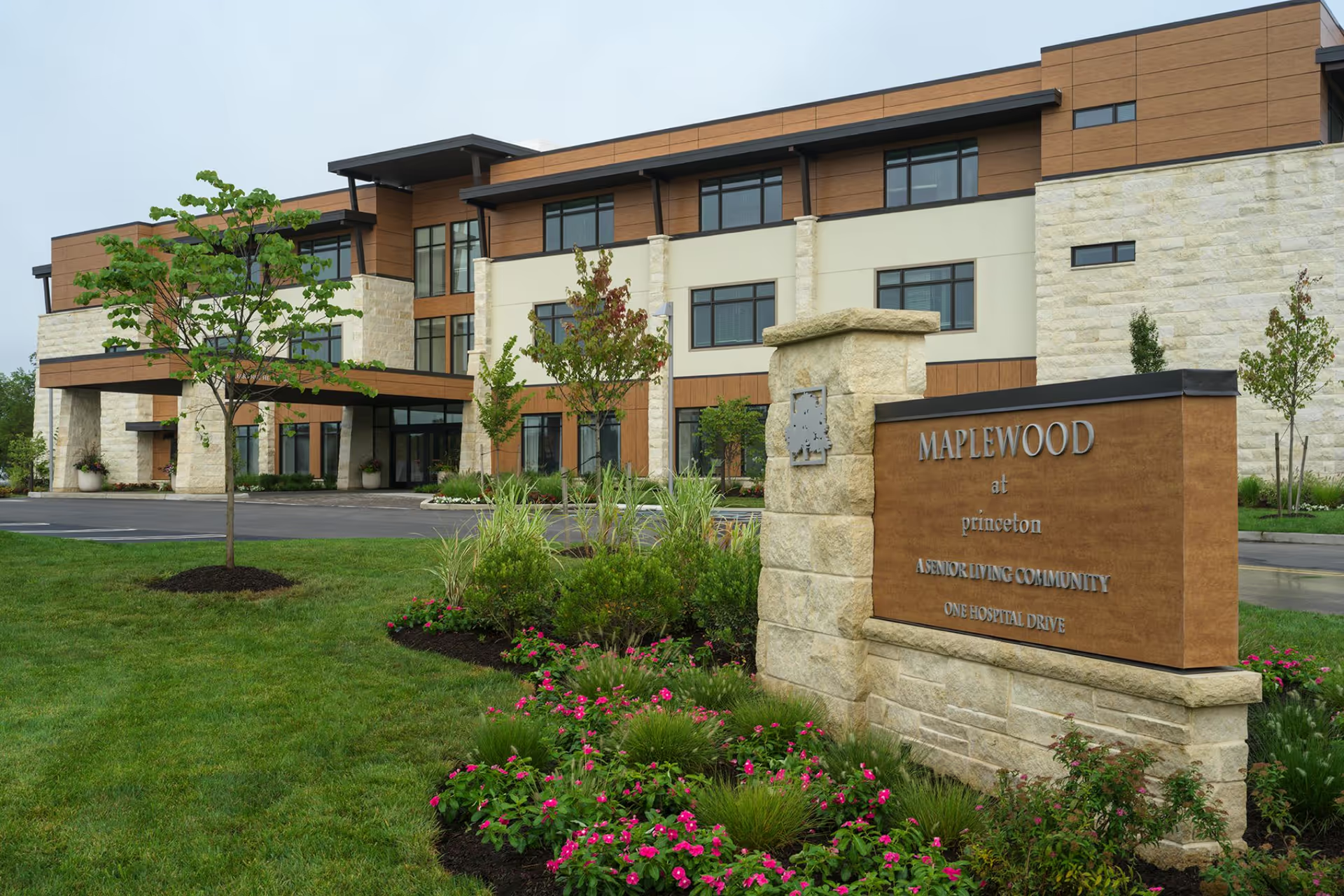
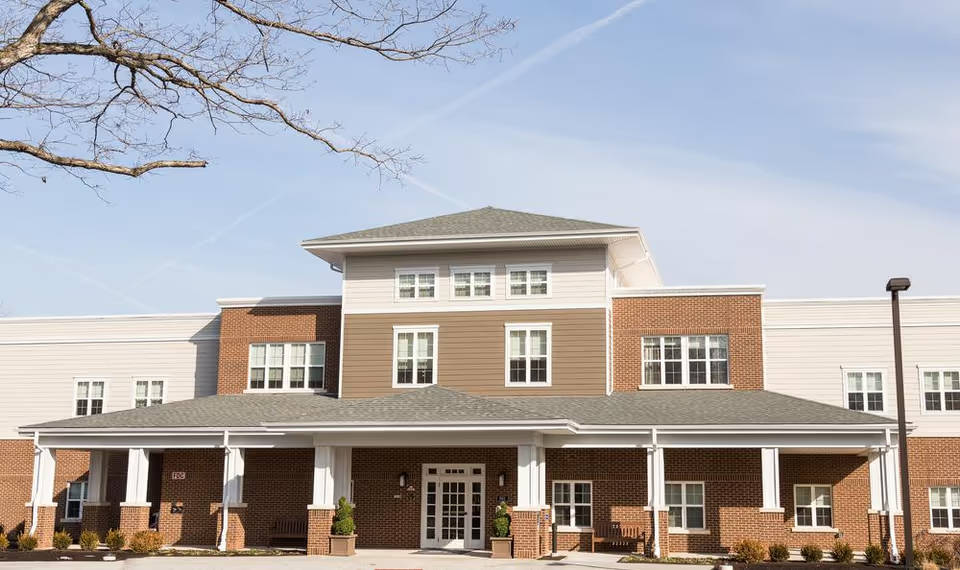
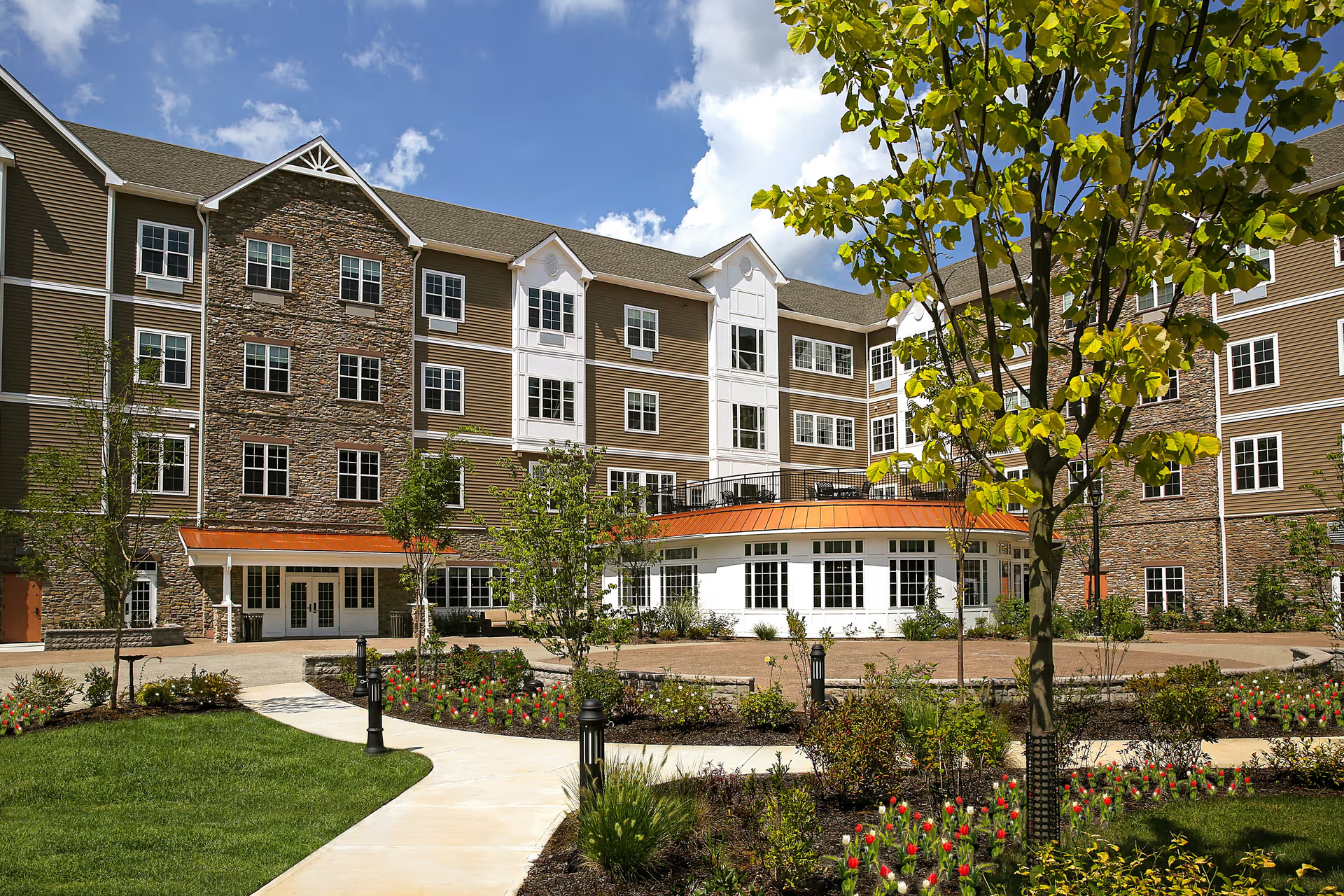
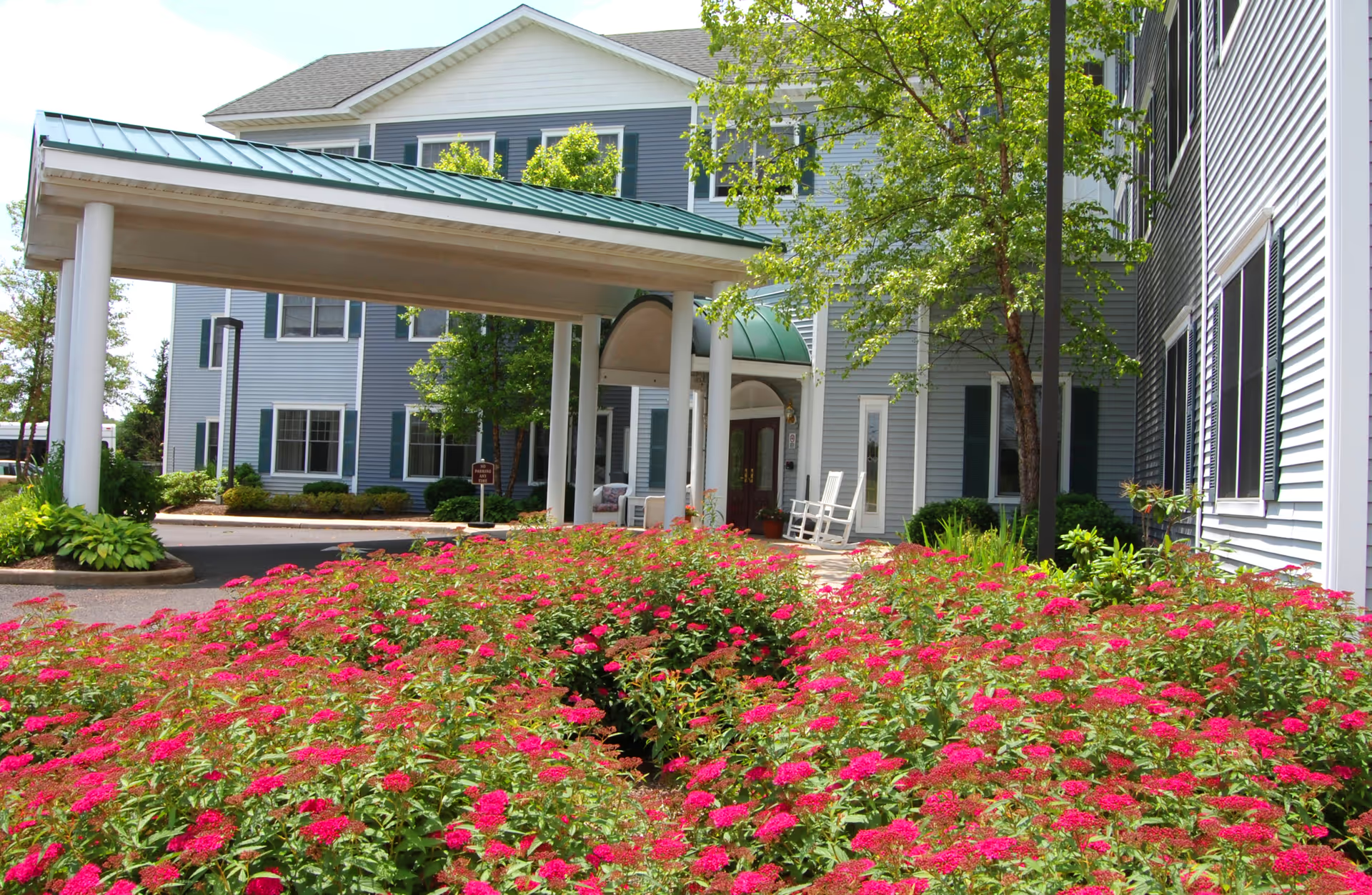
Facility and amenity quality trends toward positive: many families note attractive landscaping, accessible dining rooms, theater and salon facilities, and roomy, accessible apartments. That said, some reviewers flagged dated hallways or foyer areas, ongoing construction or renovation, and intermittent maintenance issues (including elevator access constraints in certain memory-care locations). Safety-practice concerns such as unsecured mobility equipment or trip hazards were mentioned and point to opportunities to tighten environmental and equipment-management protocols.
Management and operations show variability. Numerous families praised responsive directors, frequent communication (including remote connectivity like video and Facetime), and personal involvement by leadership during transitions or end-of-life care. Conversely, other accounts describe inconsistent follow-through on concerns, billing or extra-charge transparency issues, sudden price increases, and an aggressive sales approach during move-in. Taken together, the pattern suggests a community with many operational strengths but also persistent reliability gaps—especially tied to staffing levels, training consistency, dining continuity, and certain safety/cleanliness practices. Prospective residents and families should weigh the strong programmatic offerings and available amenities against these operational inconsistencies, and consider asking targeted questions about staffing ratios, memory-care dining options, clinical coordination, recent quality-improvement actions, and billing practices during tours and follow-up conversations.