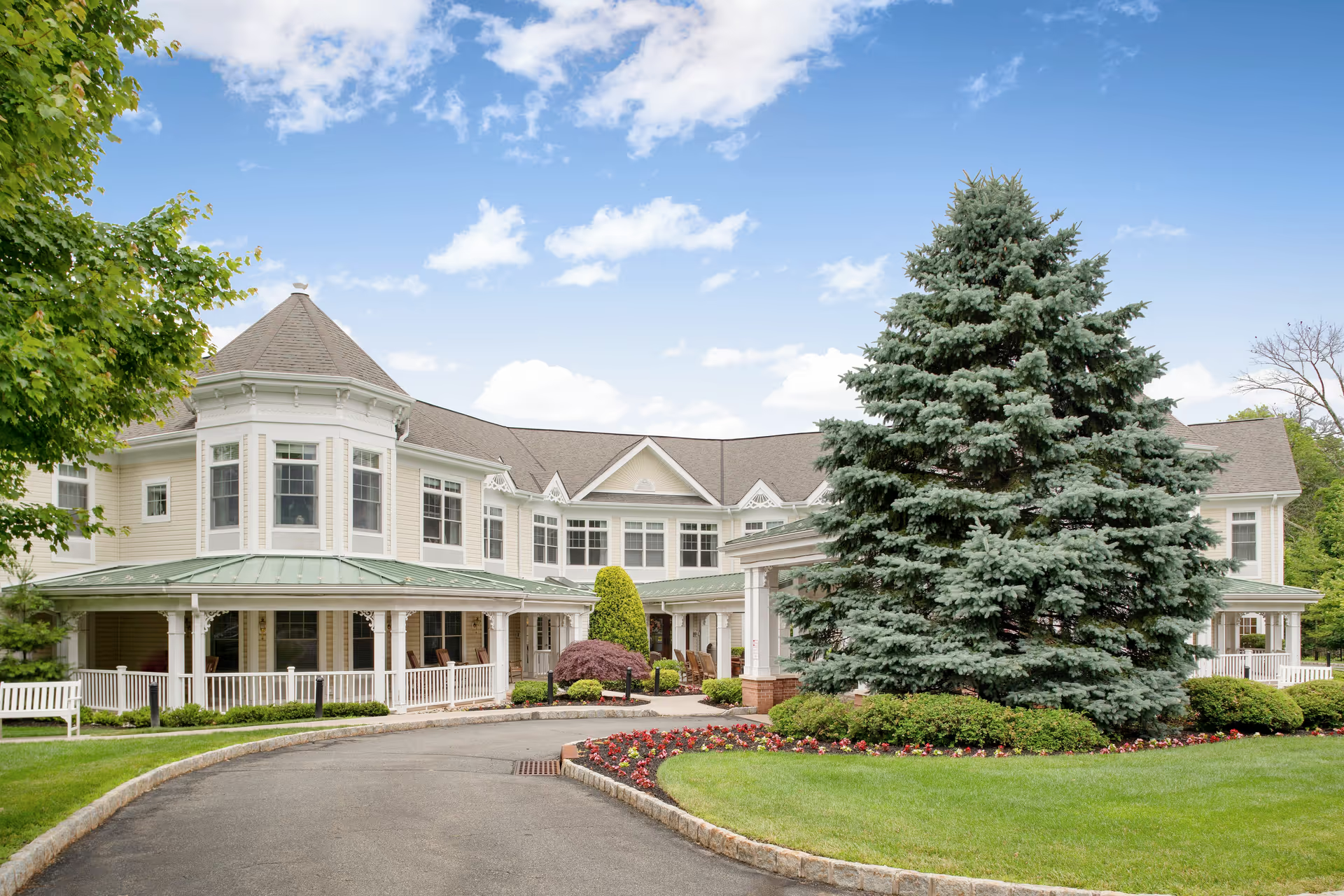
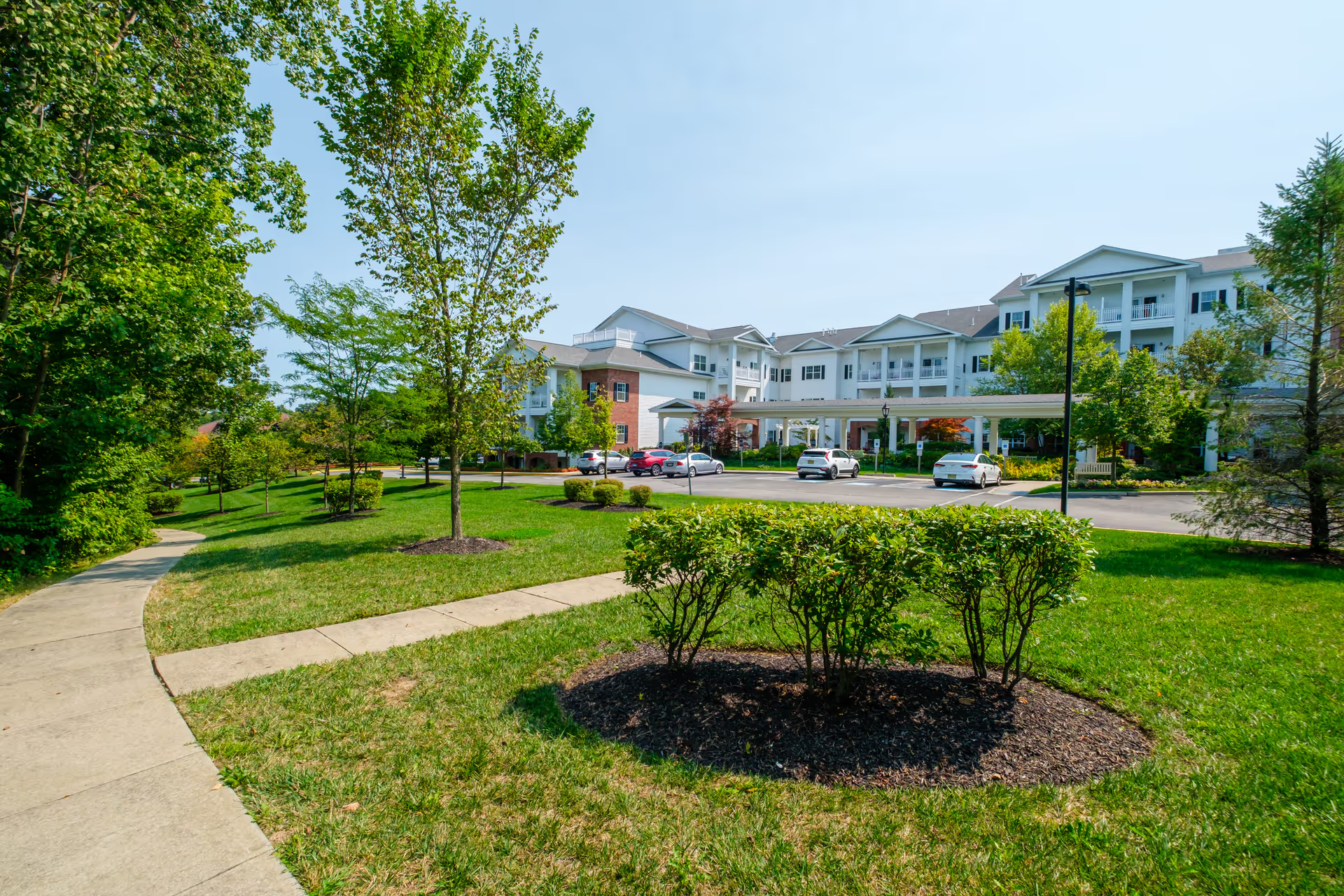
Arbor Terrace Morris Plains is consistently described as a clean, bright, and well-appointed assisted-living and memory-care community with a strong emphasis on interpersonal care. The prevailing impression is that staff are compassionate, attentive, and personally invested in residents’ well-being; many comments highlight staff knowing residents by name, offering warm reception at the front desk, and providing individualized move-in support. Families and professional contacts frequently note a family-like atmosphere, accessible leadership, and a wide slate of social, recreational, and wellness programming that contributes to resident engagement.
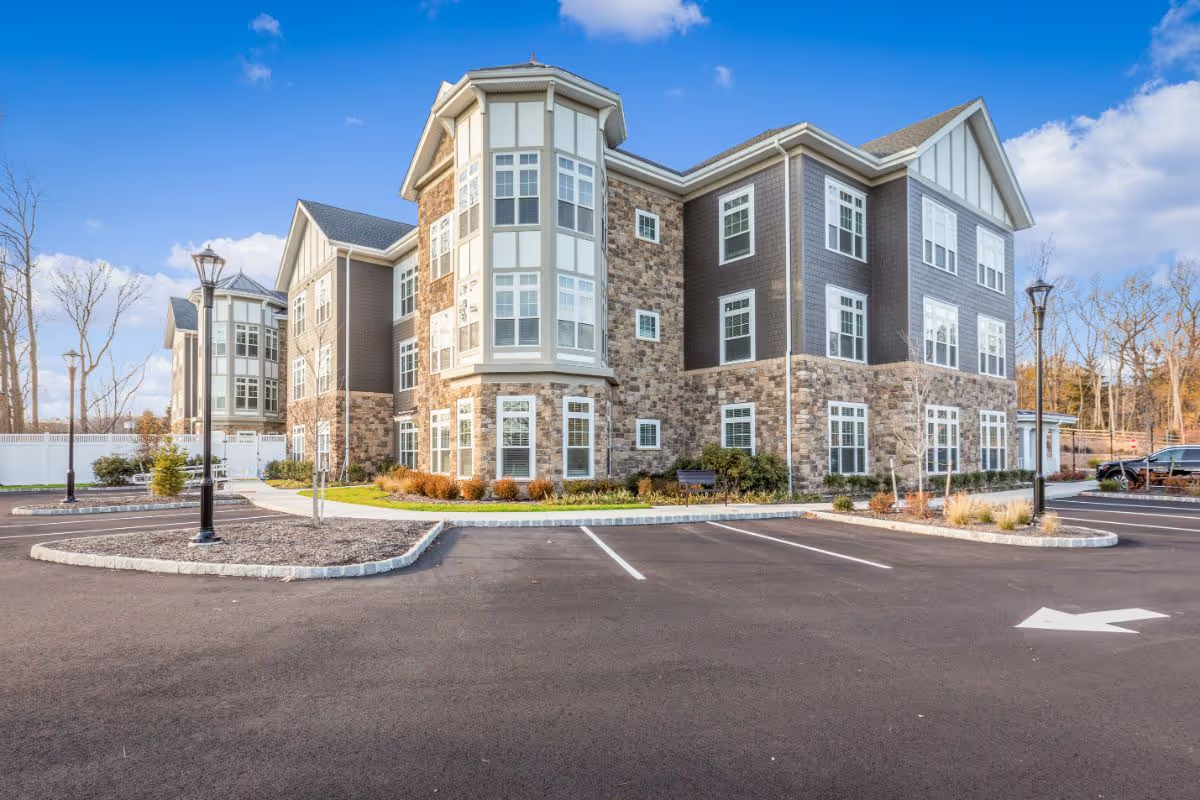
Clinical and day-to-day care are generally characterized positively: reviewers cite attentive nursing and caregiving teams, 24-hour staffing, and a particularly well-regarded memory-care neighborhood. Admissions and transition processes are often described as smooth and supportive, with specific staff members referenced for their helpfulness during move-in. Housekeeping and maintenance are repeatedly praised, and the facility’s physical environment — newer construction, abundant natural light, attractive common areas, and usable outdoor spaces — is a consistent strength that supports resident comfort and social activity.
Dining and activity offerings form a mixed area. The community runs an active calendar of events, outings, entertainment, and resident councils; transportation for appointments and offsite trips is noted as a valuable service. Meal service is frequently described as high quality on many menus, but there are recurring comments about inconsistent food quality, limited menu variety, and logistical limits such as assigned seating or staggered dinner times in parts of the building. Several families also observed that staffing levels during mealtimes can be insufficient to provide full assistance for residents who need help.
A set of operational concerns appears across reviews and should be considered by prospective residents and families. These include inconsistencies in medication-administration practices and clinical documentation, intermittent issues with laundry and personal-item turnaround, and occasional lapses in staff responsiveness or communication. Affordability is another recurring theme: the community is positioned at a higher price point, some ancillary costs are billed out of pocket, and there are no Medicaid bed options — factors that may limit long-term financial fit for some families. There are also mentions of workplace-culture or staff-retention pressures and isolated but serious family-raised incidents (for example, questions about clinical handling or unexplained resident injuries) that families recommended verifying directly with the provider and through state oversight resources.
In summary, Arbor Terrace Morris Plains presents many operational strengths — notably a humane, engaged staff, comprehensive programming, strong memory-care services, and an attractive physical environment — alongside several manageable but meaningful operational weaknesses such as dining variability, staffing patterns at peak times, medication-administration consistency, and affordability constraints. Prospective residents and their families would benefit from an in-person visit focused on clinical procedures (medication administration and documentation), staffing ratios during meals and activities, laundry and personal-care workflows, and a clear conversation about pricing, ancillary charges, and available payment options before making a placement decision.