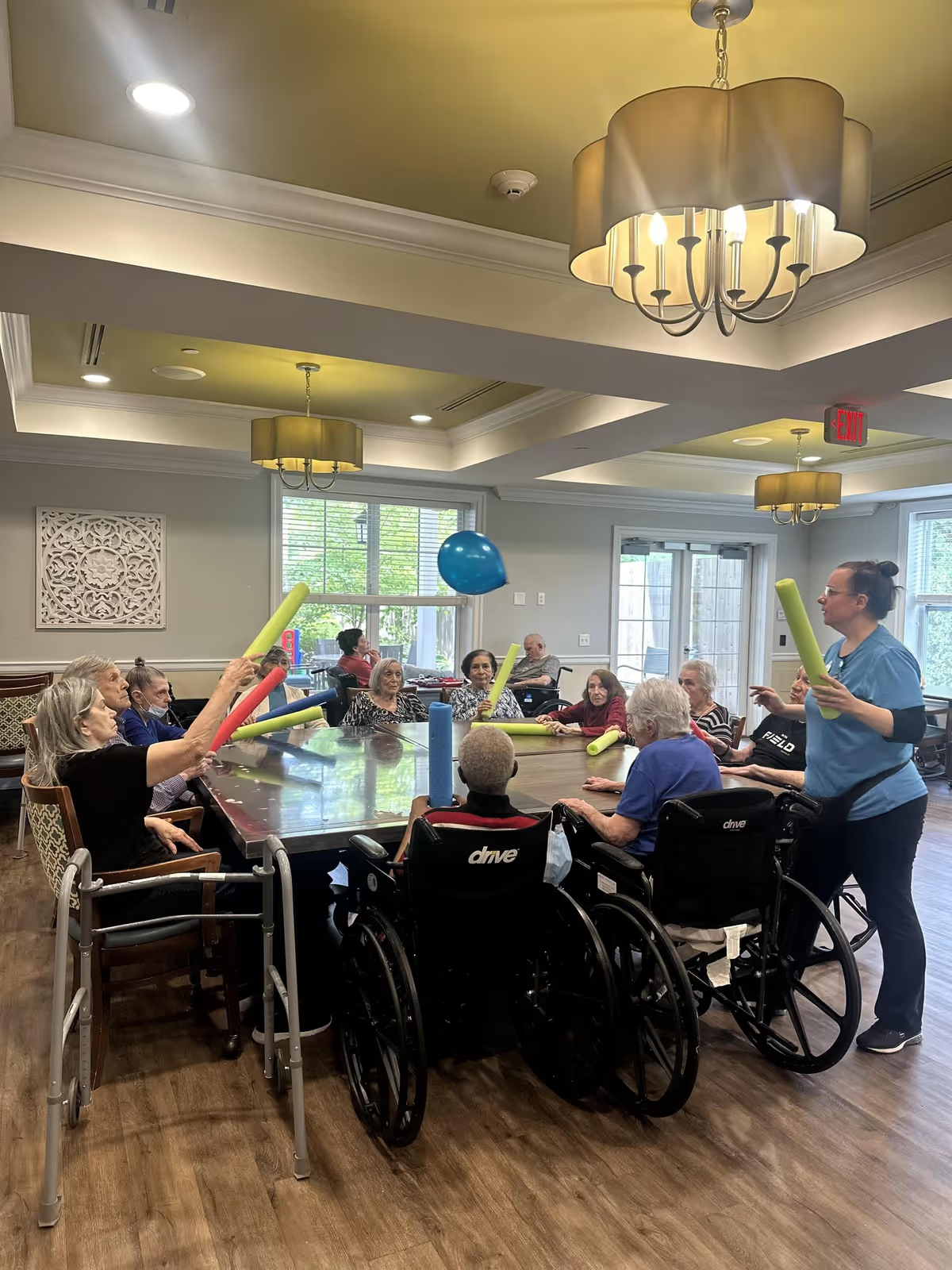
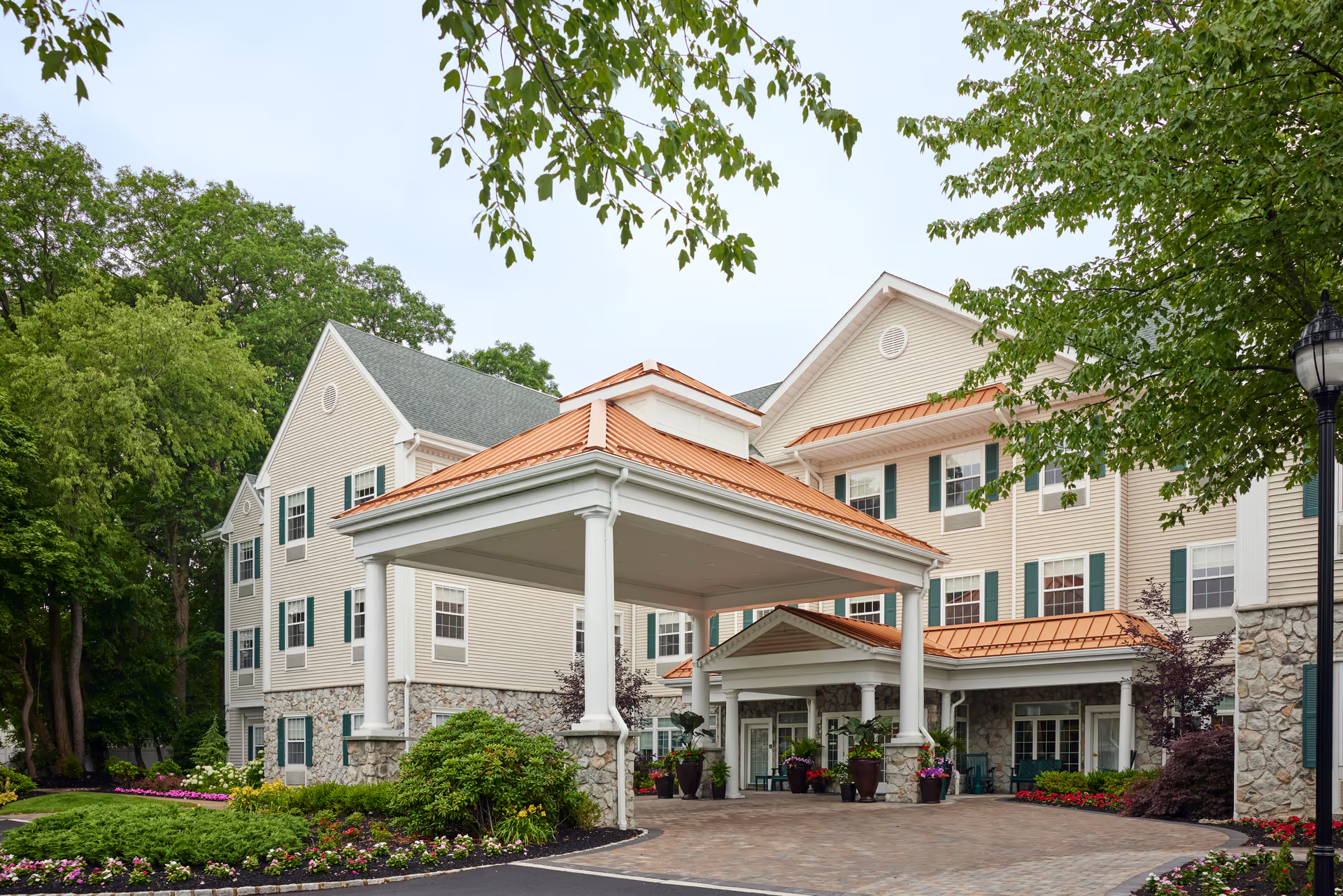
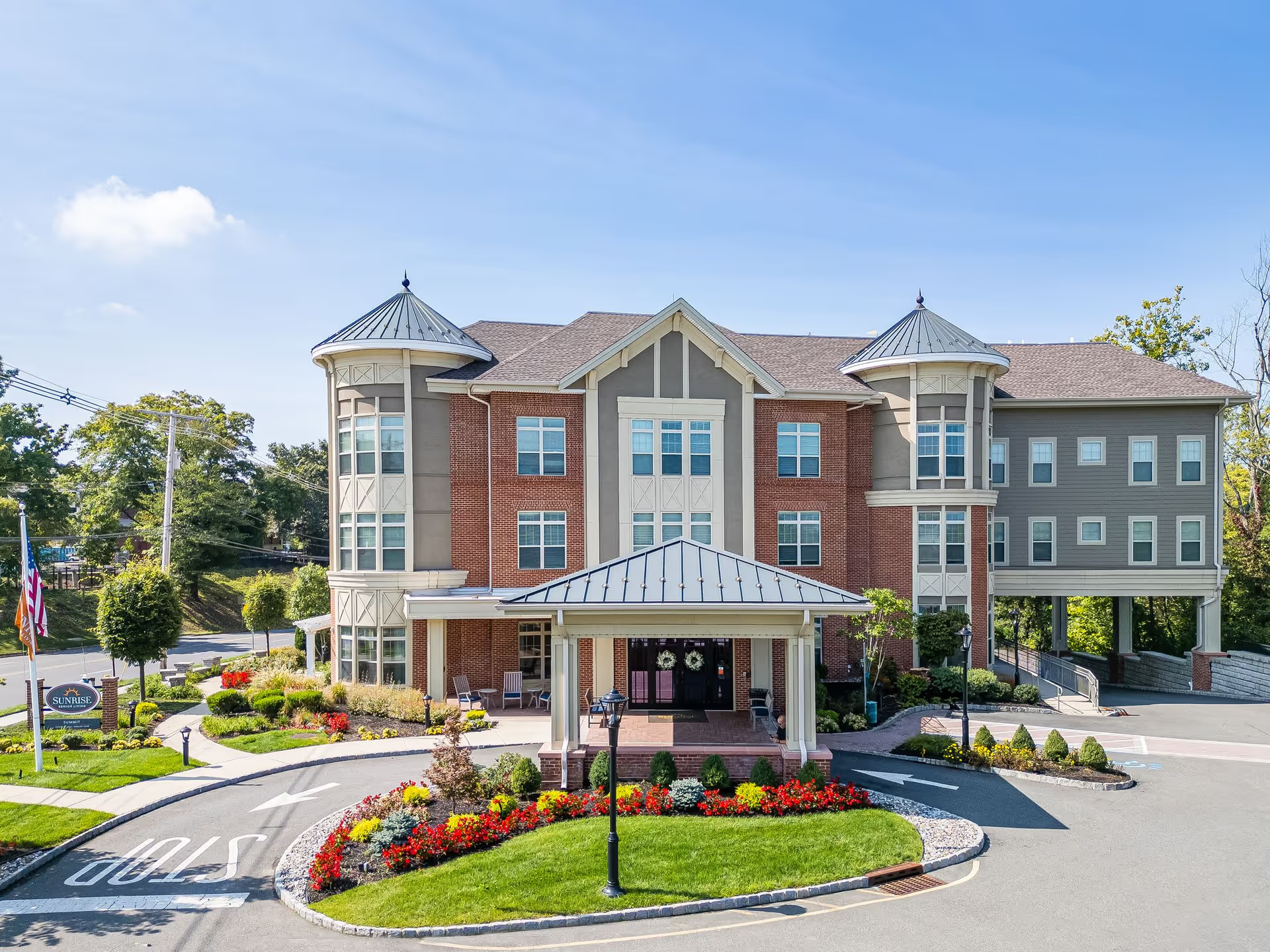
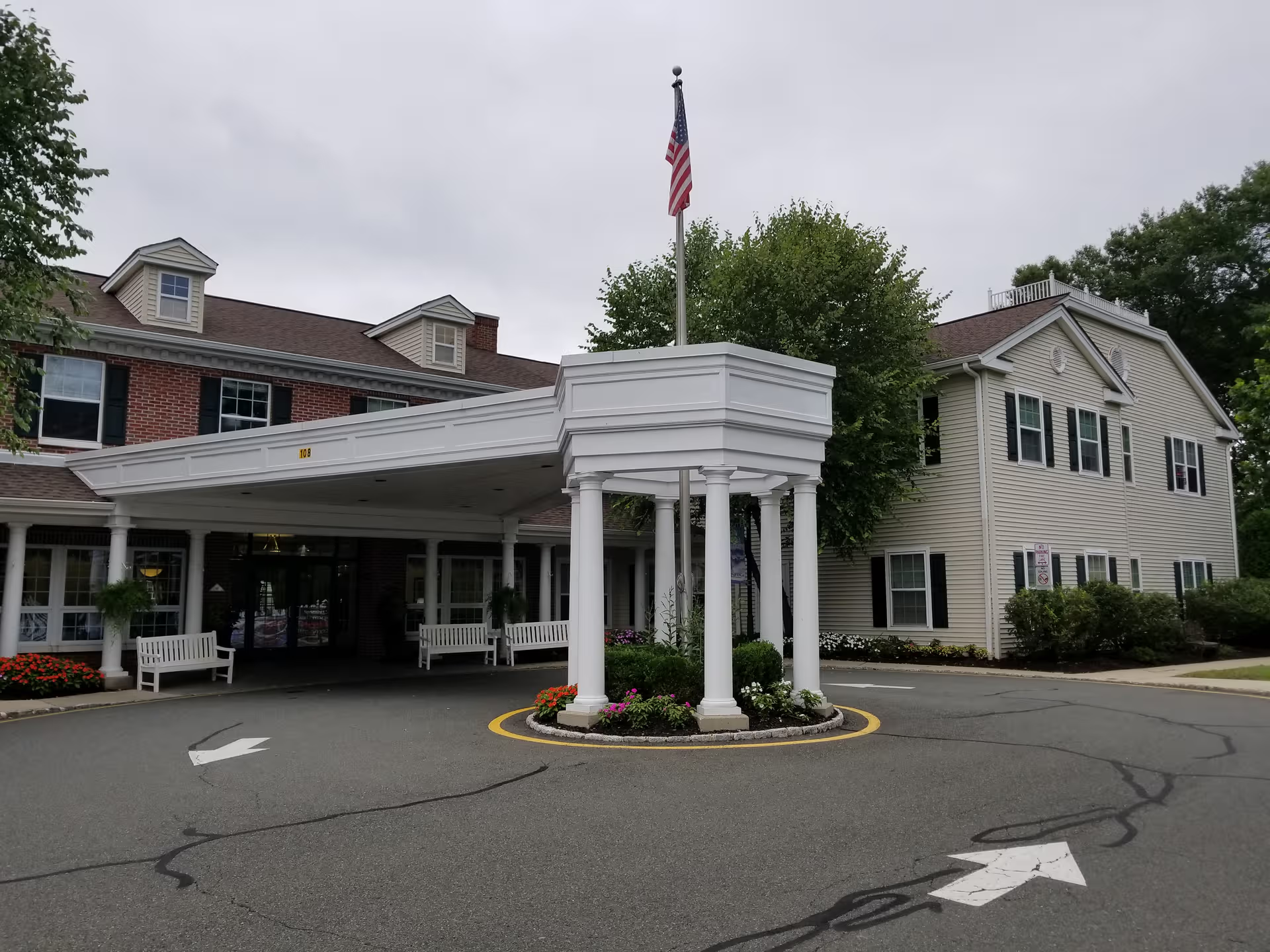
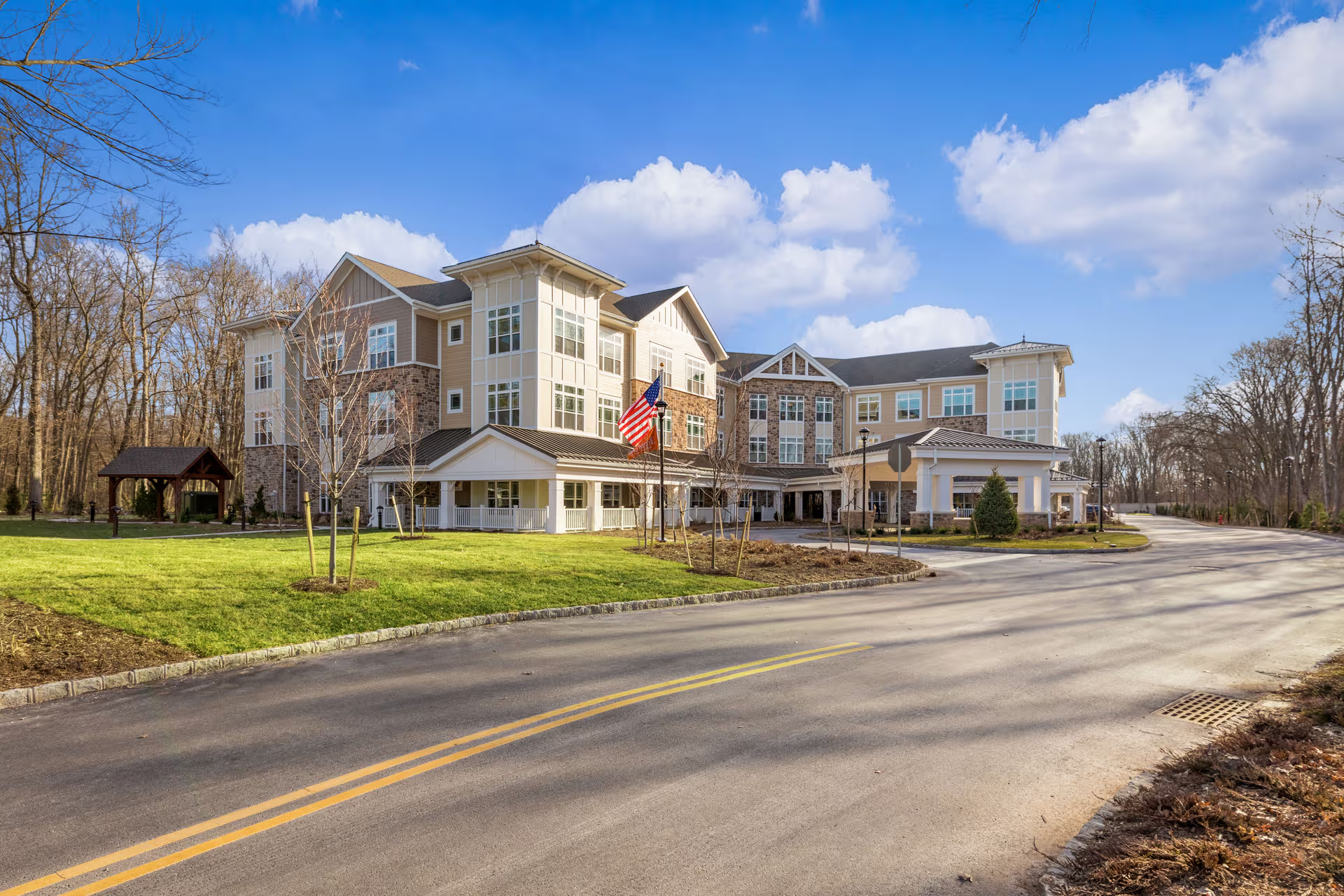
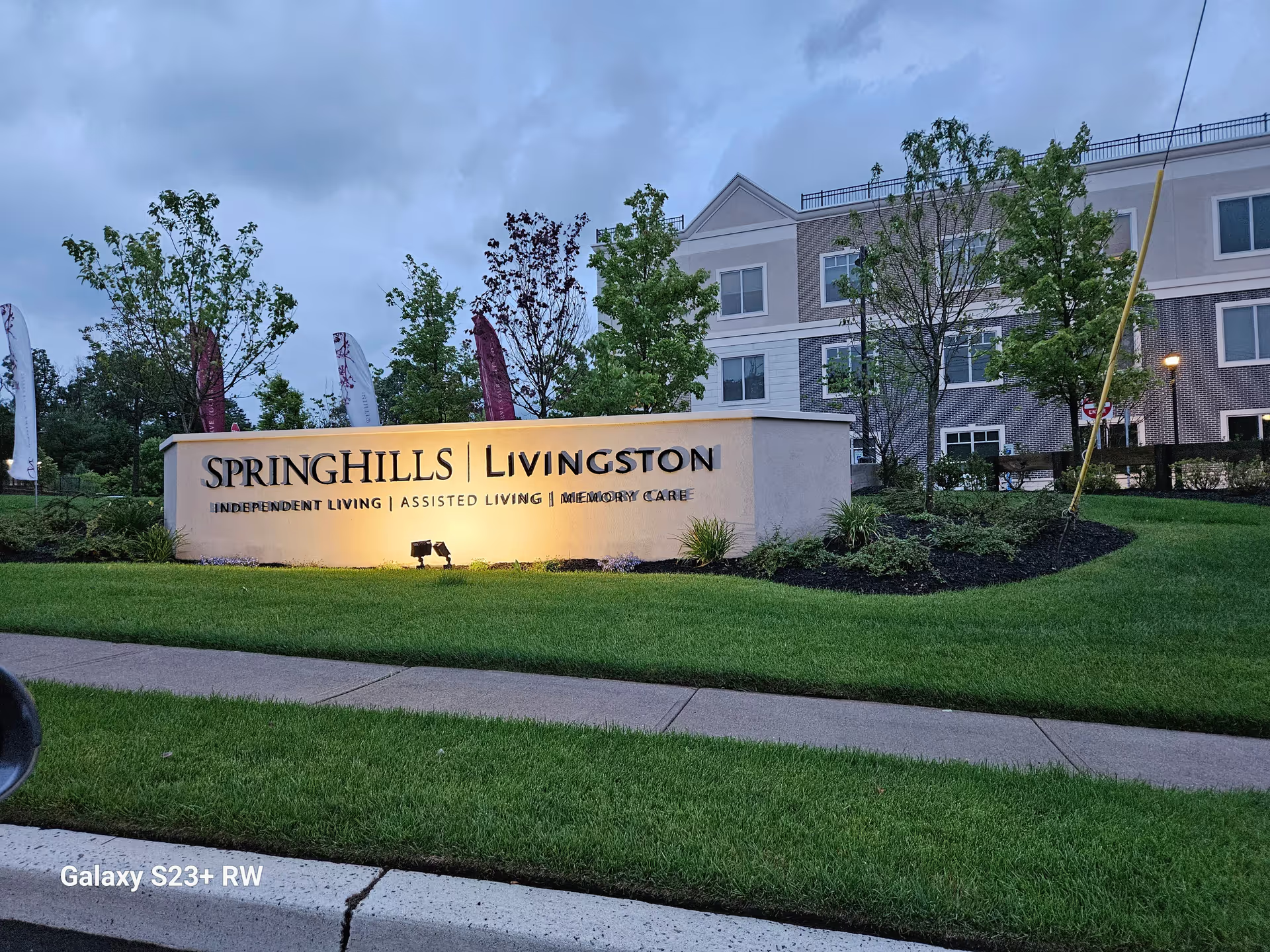
Brighton Gardens of Mountainside elicits consistently strong commentary about its physical environment, community programming, and many members of the caregiving team. Multiple reviewers describe clean, hotel‑style common areas and attractive outdoor spaces, regular social hours, live entertainment, outings to local stores and malls, and a broad range of activities (crafts, music, knitting, games, therapy‑animal visits). Families frequently praise specific staff members, long‑tenured employees, and the front‑desk/concierge team for being welcoming and personable. Onsite services such as rehabilitation, podiatry visits, manicures, and in‑house social/psychological support are highlighted as meaningful conveniences that support resident wellbeing.
Care quality impressions are mixed. Several families report attentive, compassionate care and good clinical responsiveness from nursing or care managers; examples include effective diabetic management, strong rehab outcomes, and rapid response to health issues. However, other reviews describe operational weaknesses in clinical processes — notably lapses in medication administration, missing supplies, and coordination errors that in some cases prompted additional medical visits. There are also concerns about inconsistent personal‑care routines such as bathing frequency and toileting prompting. Taken together, the pattern suggests variability in clinical reliability across shifts or units rather than uniformly poor care.
Staffing and supervision present a similar split. Many reviewers commend individual caregivers for warmth and dedication and describe a family‑like atmosphere. At the same time, recurring operational themes include inconsistent staffing levels (especially on weekends), long waits in dining or for assistance, and staff who appear multitasked or slow to respond. In the memory‑care neighborhood specifically, families appreciate the secure, structured setting, yet note deficits in activity scheduling visibility and direct supervision: residents may need prompting to join programs, be unaware of activity locations/times, or exhibit wandering and property‑safeguarding concerns. These items point to opportunities to strengthen scheduling communication and in‑unit supervision practices.
Dining and housekeeping receive mixed feedback. Many reviews praise cleanliness and attractive dining spaces, but meal quality and consistency are uneven in reviewers’ accounts — comments include limited flavor or variety, incorrect orders, and slow service during busy periods. Maintenance and move‑in readiness also surface as operational pain points for some families: delays completing repairs, unit readiness issues, and communication lapses during transitions. Privacy and room size limitations are recurring practical concerns when residents share accommodations or when smaller unit options are used for memory care.
Management and communication are another recurring pattern: while some families describe responsive care managers and helpful admissions staff, others cite miscommunication between nursing, management, and families, unclear billing or extra‑fee practices, and sales interactions that set expectations which later felt unmet. There are at least one or two serious supply‑control claims (for example, about diabetic strip handling) that families should investigate directly; these reviews raise questions about clinical supply protocols and documentation practices.
Bottom line: Brighton Gardens of Mountainside offers a well‑appointed, activity‑rich environment with many staff who are experienced, caring, and highly regarded. Prospective residents and families should weigh the strong elements — environment, programming, and several exemplary staff — against operational variability in staffing consistency, medication/supply controls, dining service, and move‑in/maintenance processes. Visiting in person during different times of day, asking for specific details on medication and supply controls, reviewing memory‑care activity schedules and supervision ratios, and clarifying move‑in and billing procedures will help families assess fit and manage expectations.