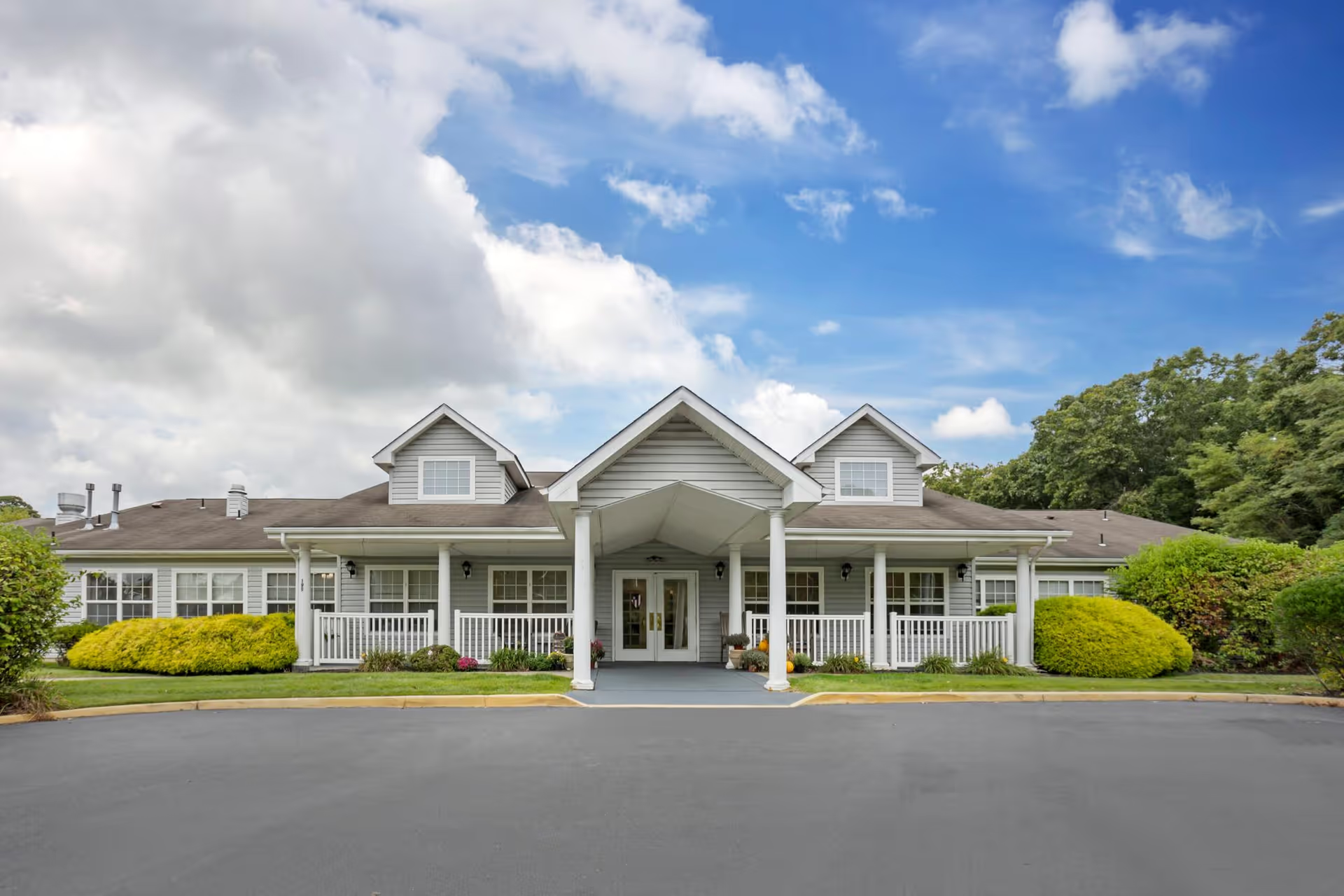
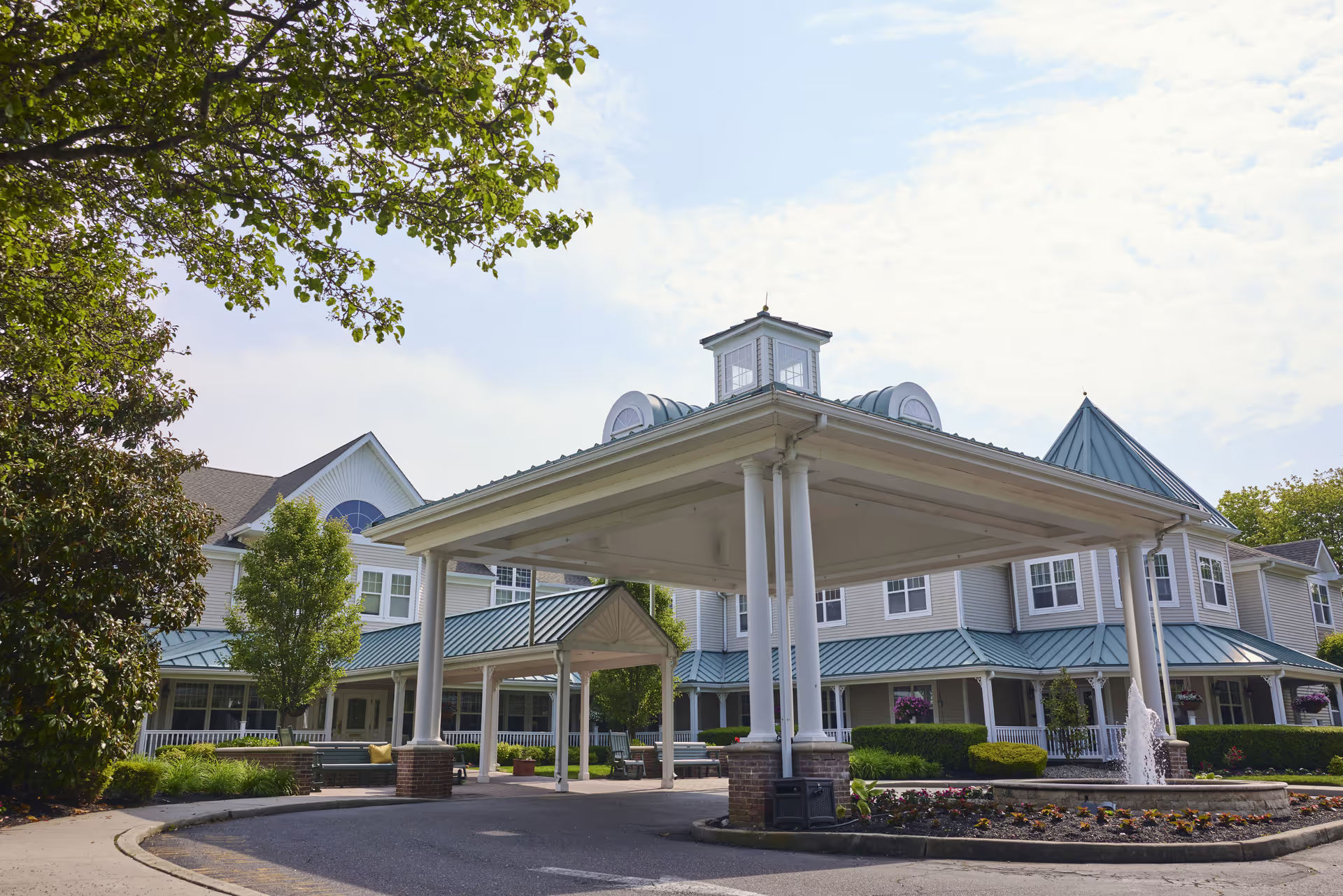
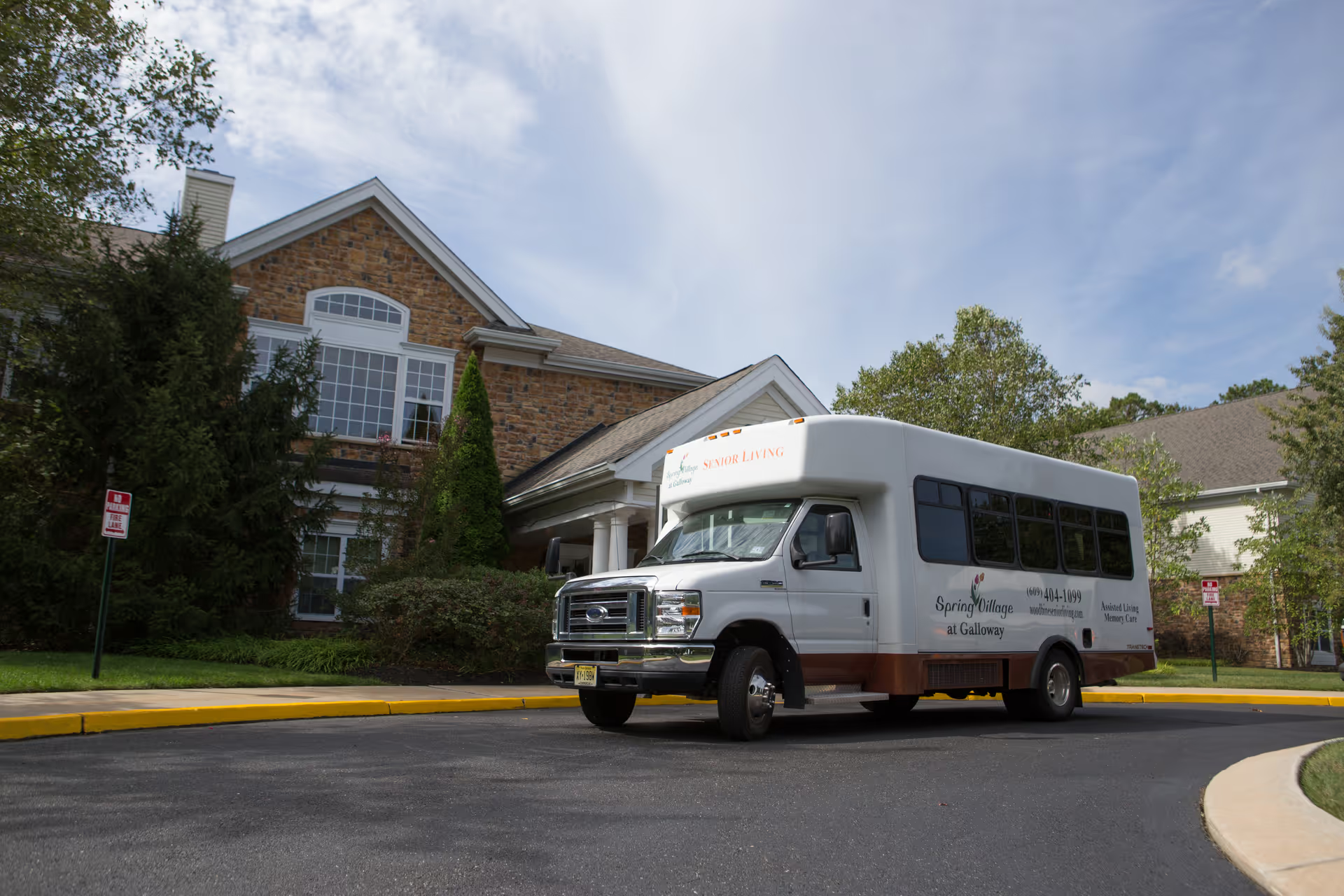
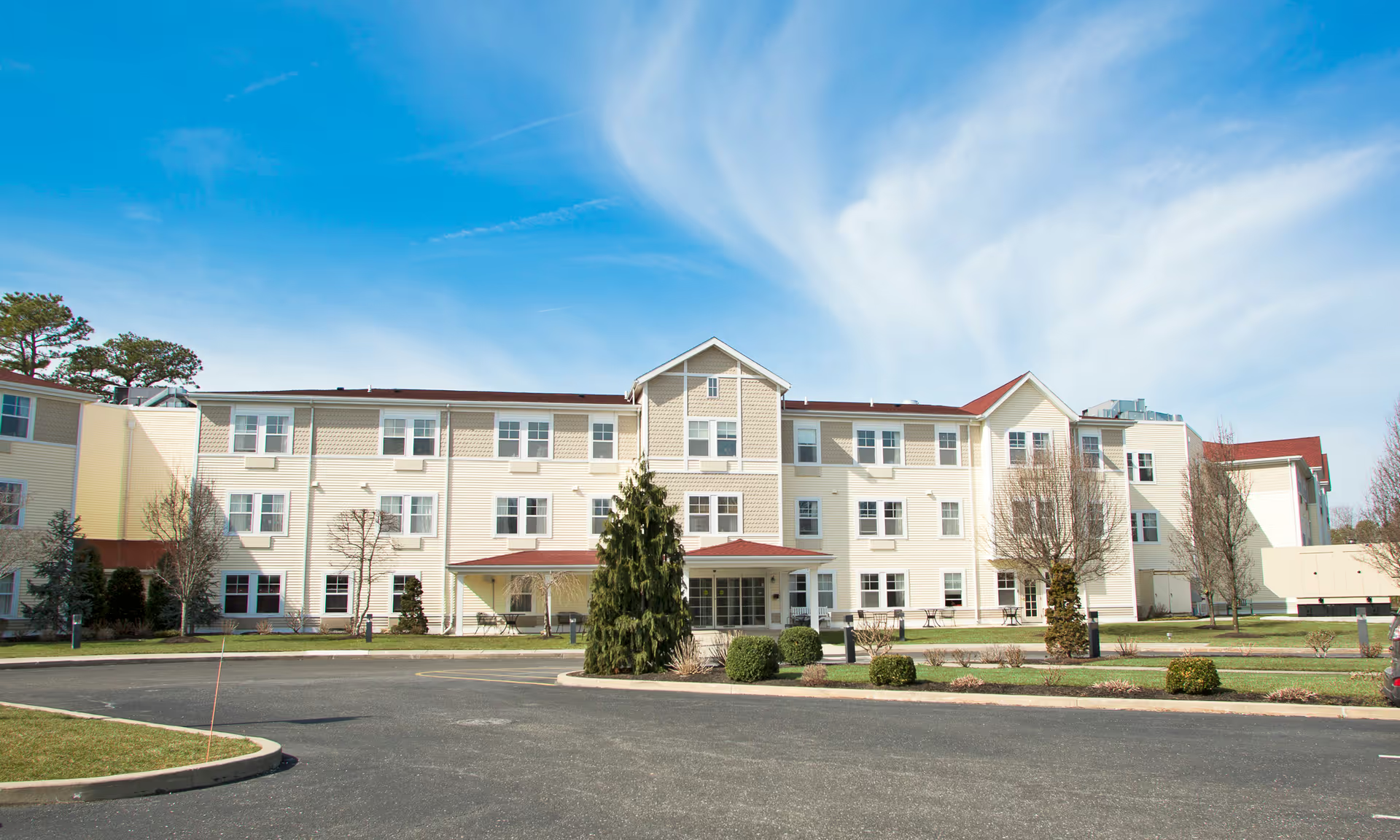
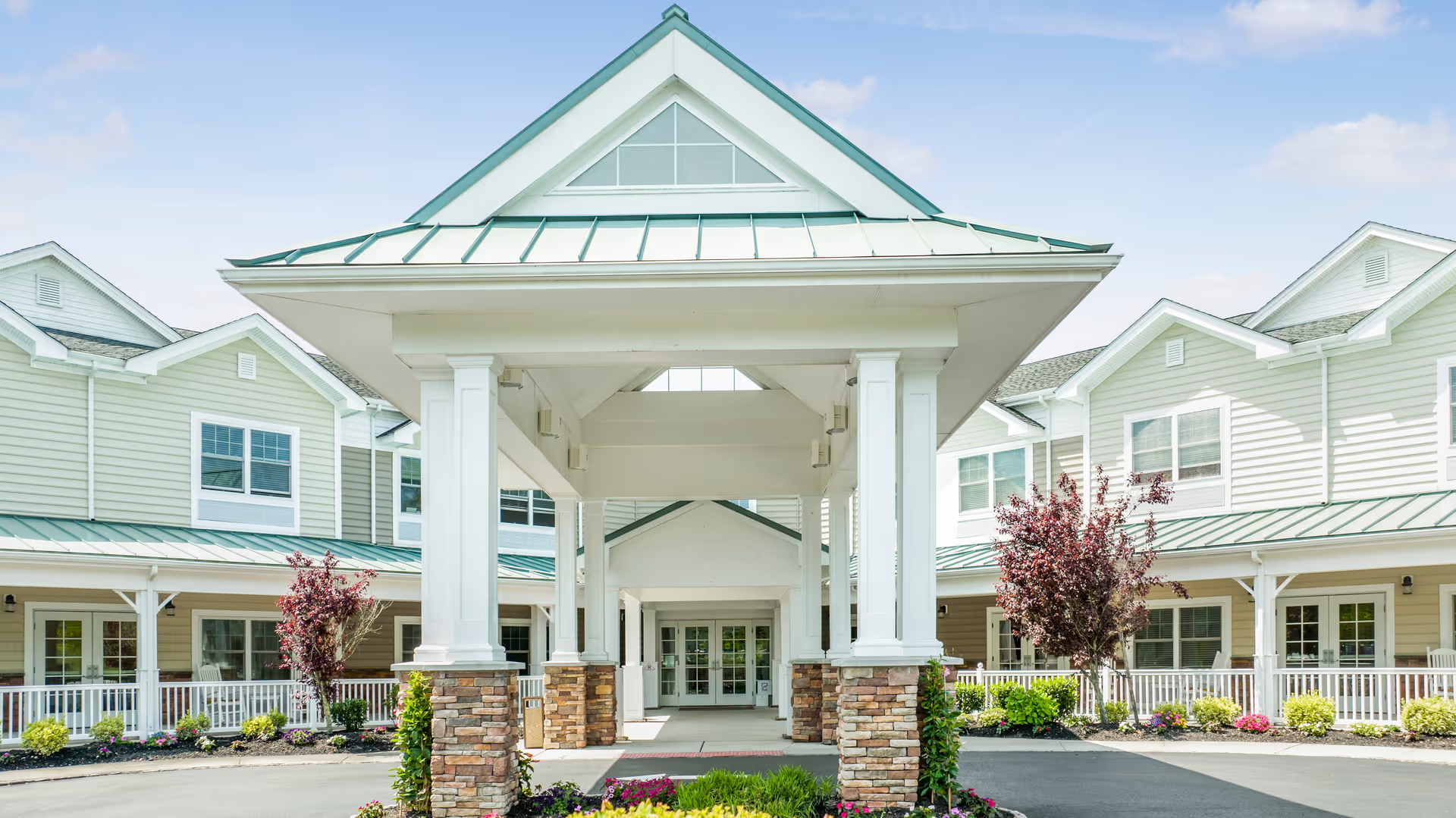
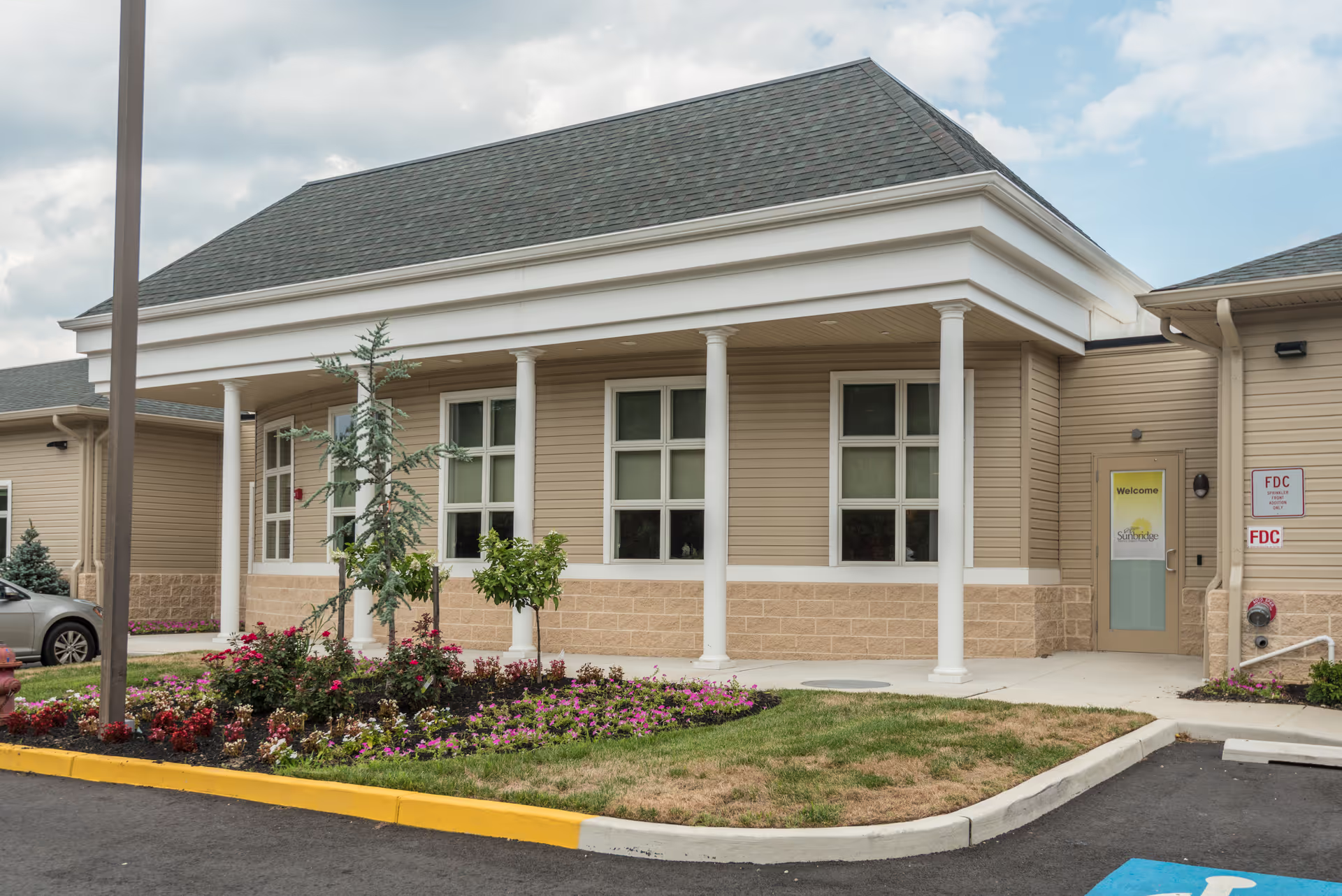
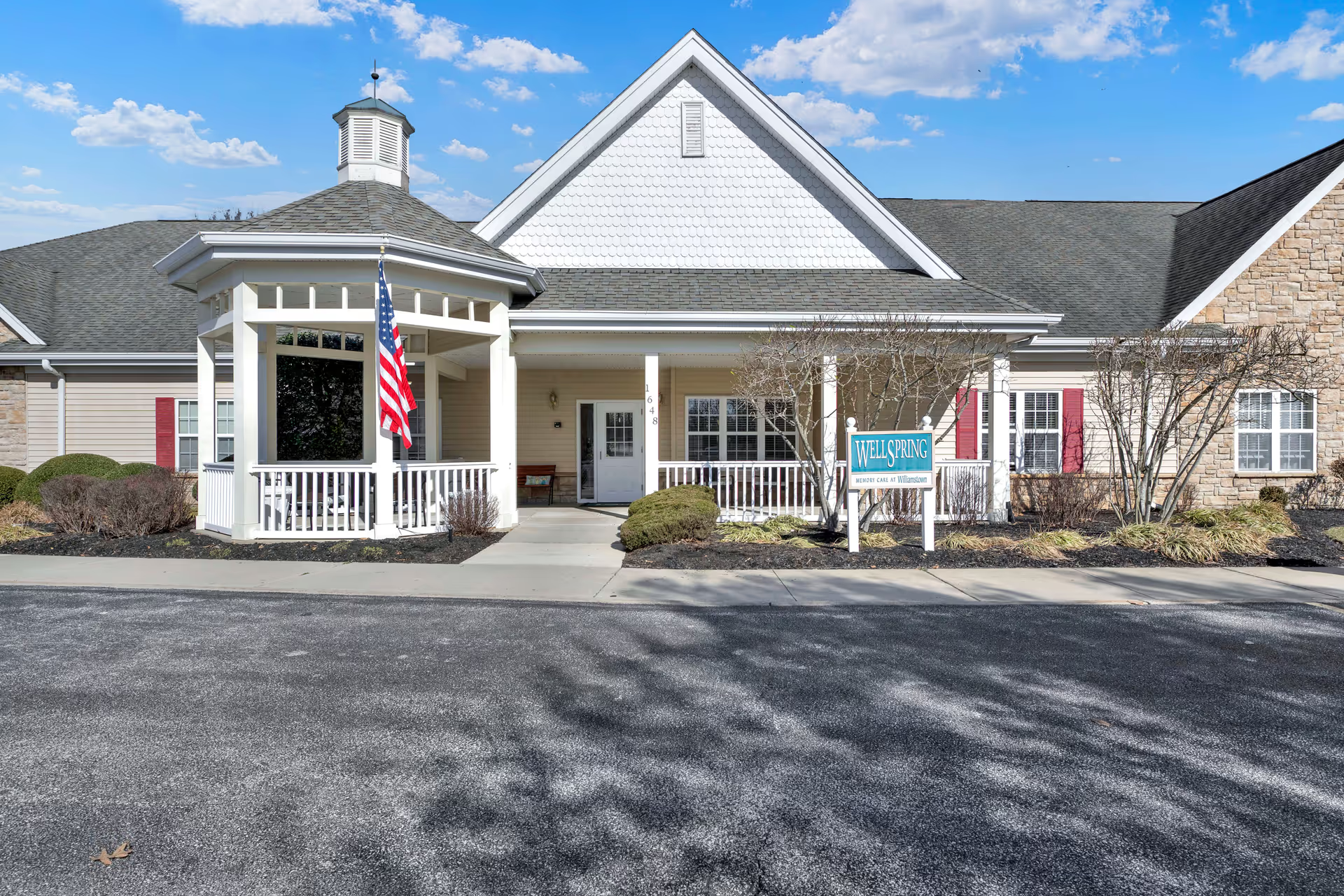
United Methodist Communities at the Shores presents as a modern, well-appointed senior community with many features families value: apartment-style units (including one-bedroom/kitchenette options), bright communal spaces, an on-site therapy and rehabilitation program, a secured memory-care wing, and a broad activities calendar that includes group games, music, outings, and special events. Dining is frequently described as sit-down service with attentive servers and varied menus; additional amenities cited include a cafe, gift shop, library with internet access, transportation vans, and chaplain services. Many reviewers credited individual staff members and teams—nurses, CNAs, dining staff and admissions personnel—with compassionate, resident-focused interactions that created a family-like atmosphere and continuity of care in some departments.
At the same time, reviews show clear variability in operational experience. Positive clinical and hospitality impressions coexist with recurring concerns about staffing and responsiveness: reviewers described delays in personal care, inconsistent caregiver knowledge across shifts, and instances where staff duties shifted due to coverage gaps. These operational weaknesses were linked to perceived lapses in clinical assessment and medication oversight in a subset of accounts. The practical implication is that day-to-day care quality appears to depend on staffing levels and which unit or shift is involved.
Housekeeping and facility maintenance receive mostly favorable comments for cleanliness and upkeep in many areas, but there are intermittent sanitation and odor concerns reported in specific common areas or during certain periods. Security and asset-safety issues were raised as a notable concern by some families, leading to suggestions for improved controls around residents’ valuables and on-site monitoring. Financial practices also surfaced as a theme: reviewers frequently describe the community as expensive, note post-admission fee increases, and express perceptions that management places emphasis on marketing and revenue—issues that affect trust for some prospective residents and families.
Management and communication present a mixed picture. Several accounts praise engaged executive leadership and supportive administration that facilitate hospice transitions, rehabilitation, and family celebrations. Conversely, other accounts characterize management as defensive, inconsistent in accountability, or slow to communicate during clinical events. That variability in leadership perception tends to amplify the underlying operational issues (staffing, clinical follow-up, security) when families experience them.
Practical guidance for prospective residents and families: the community offers a strong programmatic and physical foundation—amenities, activities, and in-house clinical resources—that many residents find highly supportive. Given the pattern of variability, an in-person visit is important: observe staffing levels at different times, ask for details about staffing ratios and clinical oversight, review housekeeping and sanitation protocols, confirm policies on fee increases and asset protection, and tour the specific unit/wing you would occupy (memory care vs. assisted living vs. independent living) to assess consistency of care and environment. These steps will help align expectations with the community’s strengths and the operational challenges raised in multiple accounts.