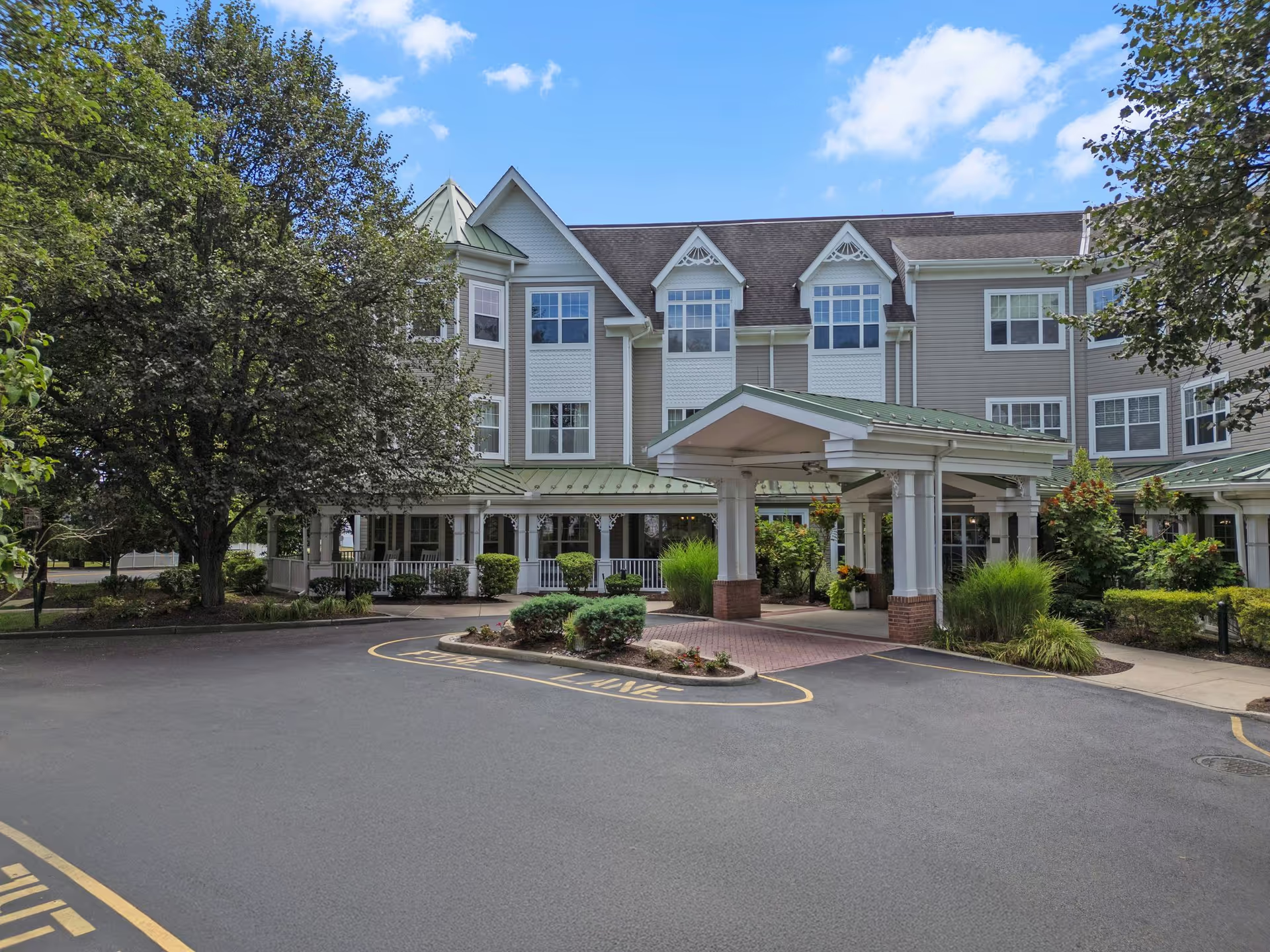
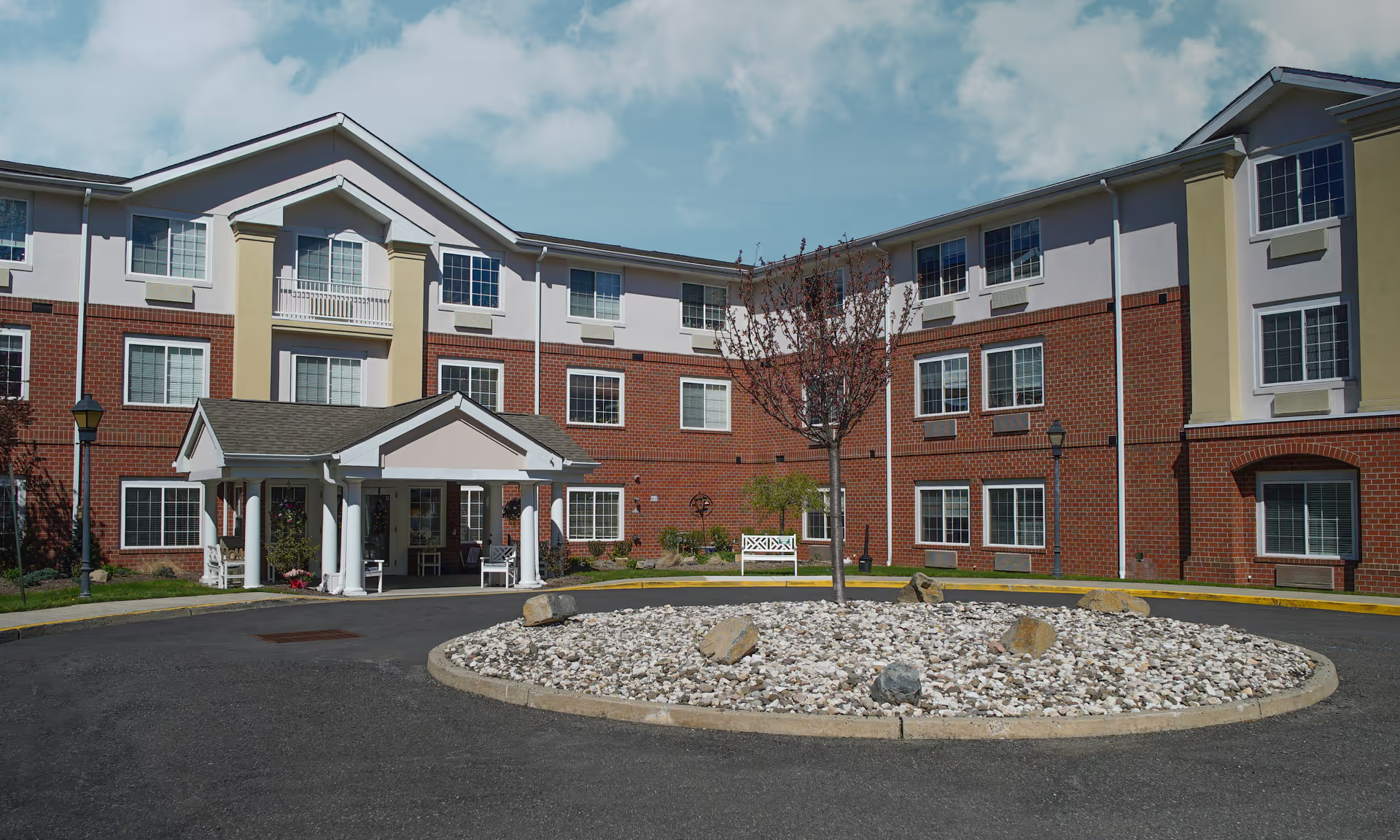
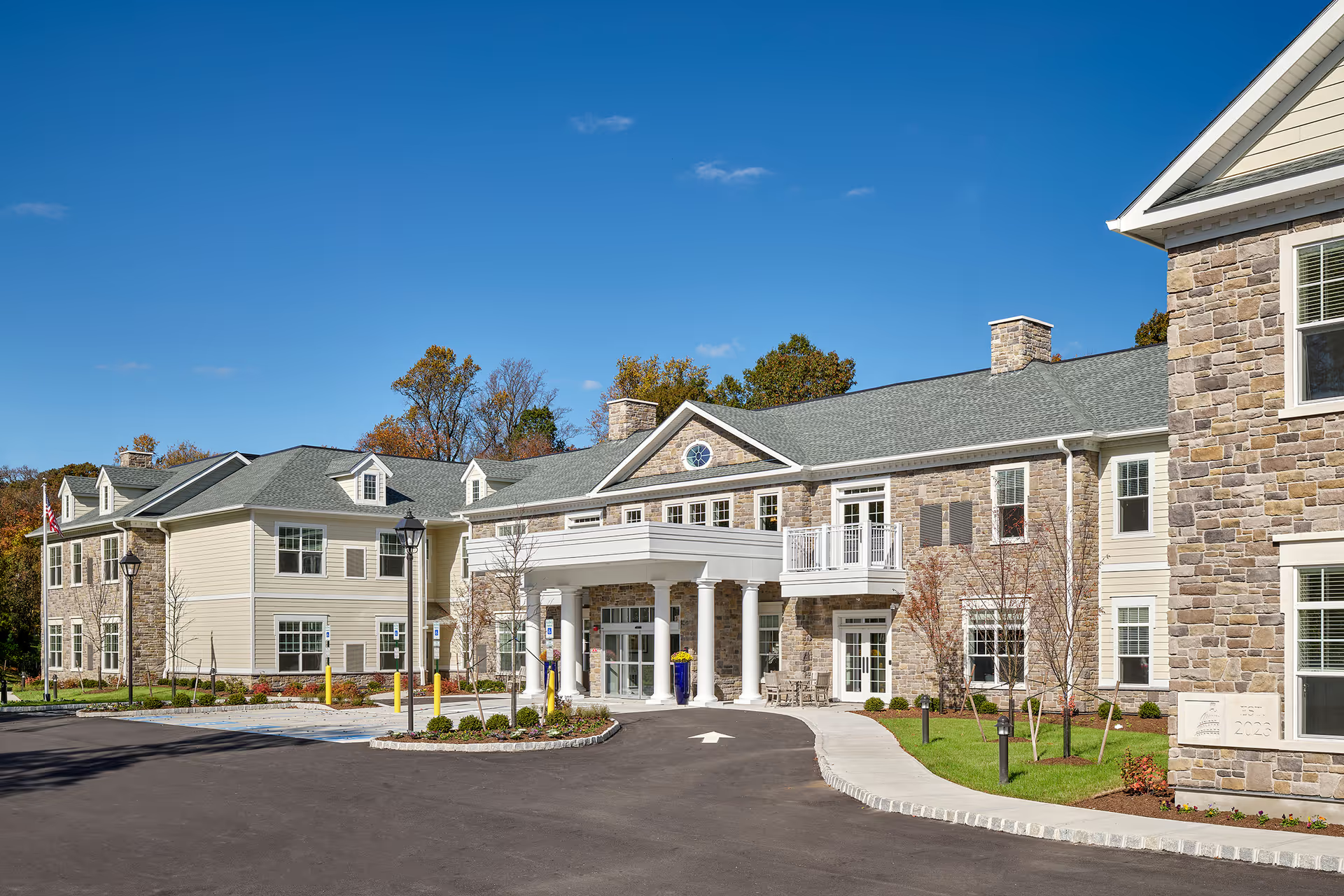
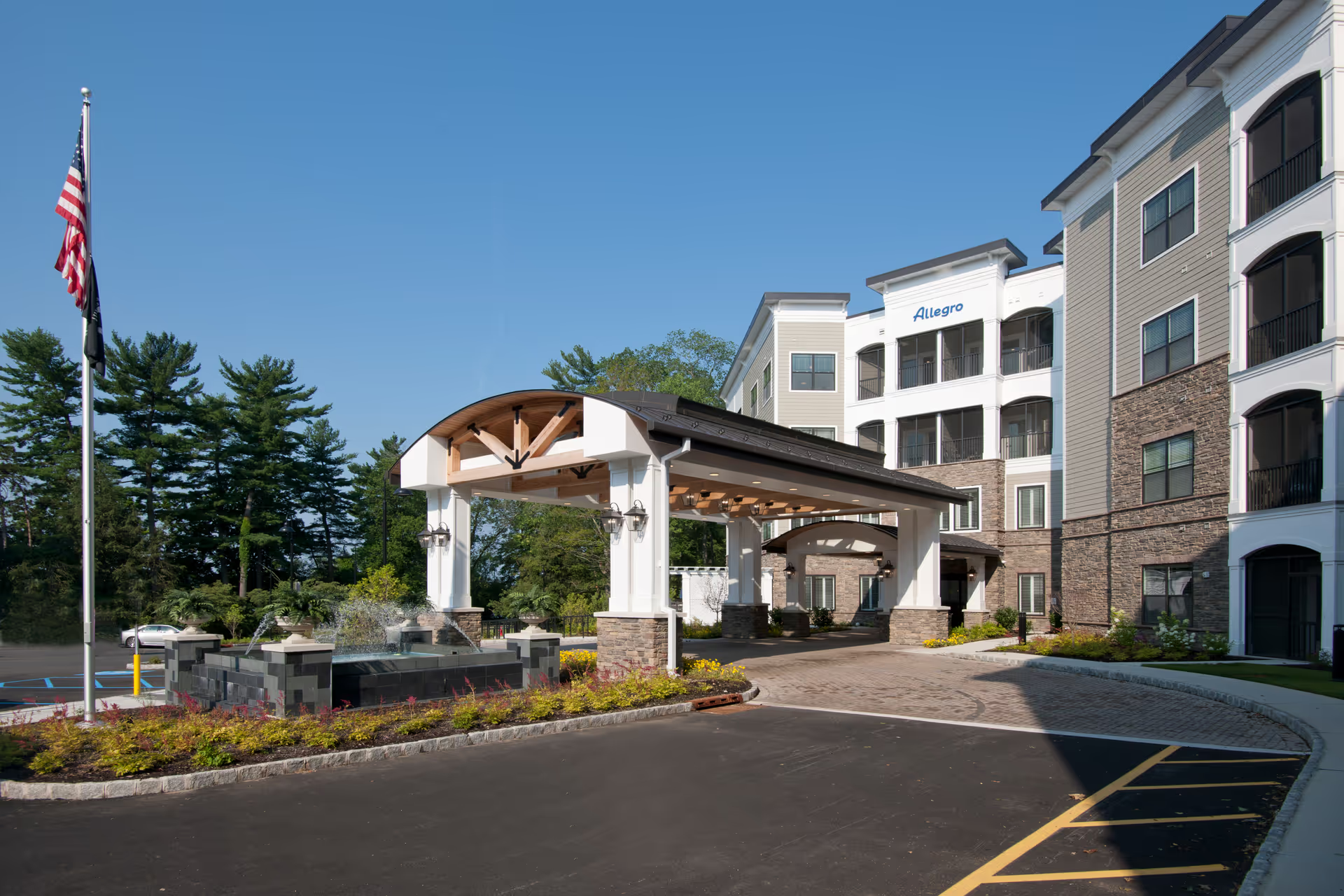
Overall assessment Brightview Paramus elicits predominantly positive impressions centered on staff engagement, facility condition, and social programming. The property is consistently described as clean, well maintained, and aesthetically appealing, with landscaped grounds and accessible outdoor paths. Residents and families frequently highlight a warm front-desk welcome, attentive caregivers, and a lively community atmosphere that supports social connection.
Care and clinical services Clinical and therapy services are notable strengths. Reviewers mention on-site nurses, therapy staff who go beyond expectations, thorough plans of care, and coordination with outside providers such as hospice when needed. Many families express trust that their loved ones are clinically well supervised and supported. However, there are recurrent operational concerns around staffing consistency—particularly during weekends and overnight shifts—which can affect responsiveness and the regularity of personal-care tasks such as bathing and dressing. In addition, the facility appears to have limited capacity for managing advanced memory-care behaviors; families with residents who have escalating behavioral or advanced dementia needs should evaluate appropriateness carefully.
Staff, management, and communication Staff demeanor and professionalism are frequent positives: caregivers, dining servers, housekeeping, maintenance, and administrative staff are often described as kind, attentive, and involved in residents' lives. Management is characterized as sincere and engaged in many accounts, and move-ins are reported to be smooth in numerous cases. At the same time, there are recurring themes of communication and coordination gaps—examples include delays activating services (phone/cable), inconsistent family communication, and occasional negative interactions at reception. Administrative processes also show occasional inaccuracies, including billing and medication-account discrepancies, suggesting the need for stronger consistency controls.
Dining and nutrition Dining is a mixed area. Dinner service is often praised—some describe restaurant-quality meals and flexible accommodations for special diets—while breakfast and other meal periods receive more criticism. Concerns include menu repetition, reliance on processed items, meals served at suboptimal temperatures, and limited menu variety including requests for more cultural options. Buffet-style setups can pose accessibility challenges for residents who use walkers or rollators. Families should assess meal times, menu sampling, and accommodations for mobility or diet needs during a tour.
Activities and community life Programming is generally robust and varied, with daily offerings such as music, exercise, bridge, happy hour, outings, and social meals. Many residents report improved mood and social engagement after moving in. A few accounts indicate perceived limitations in activity variety or availability at certain times; overall, however, activities are a clear strength and contribute strongly to the community feel.
Facilities, move-in, and logistics The physical environment receives consistent praise: clean apartments, attractive common areas, modern design, and effective grounds maintenance. Move-in experiences vary—many describe helpful assistance and thoughtful welcome gestures, while others experienced operational lapses such as delayed service activation or a lack of welcome coordination. Maintenance responsiveness is frequently cited as a positive, but families should confirm move-in checklists and service activation timelines in writing.
Value and suitability Brightview Paramus projects a resort-like, hotel-quality atmosphere that many residents and families find appealing. Pricing is at the higher end of the market and some families express concern about perceived value relative to occasional service inconsistencies. The community suits people seeking active, social independent or assisted living with on-site clinical supports; it may be less appropriate for individuals with advanced dementia or behavioral-care needs that require specialized memory-care infrastructure.
Bottom line The dominant pattern is of a professionally run, attractive community with strong interpersonal care, robust programming, and well-kept facilities. Prospective residents and families should prioritize an in-person visit that assesses meal periods, weekend staffing, memory-care capabilities if relevant, move-in logistics, and specific administrative practices such as billing and communication protocols to ensure alignment with individual needs and expectations.