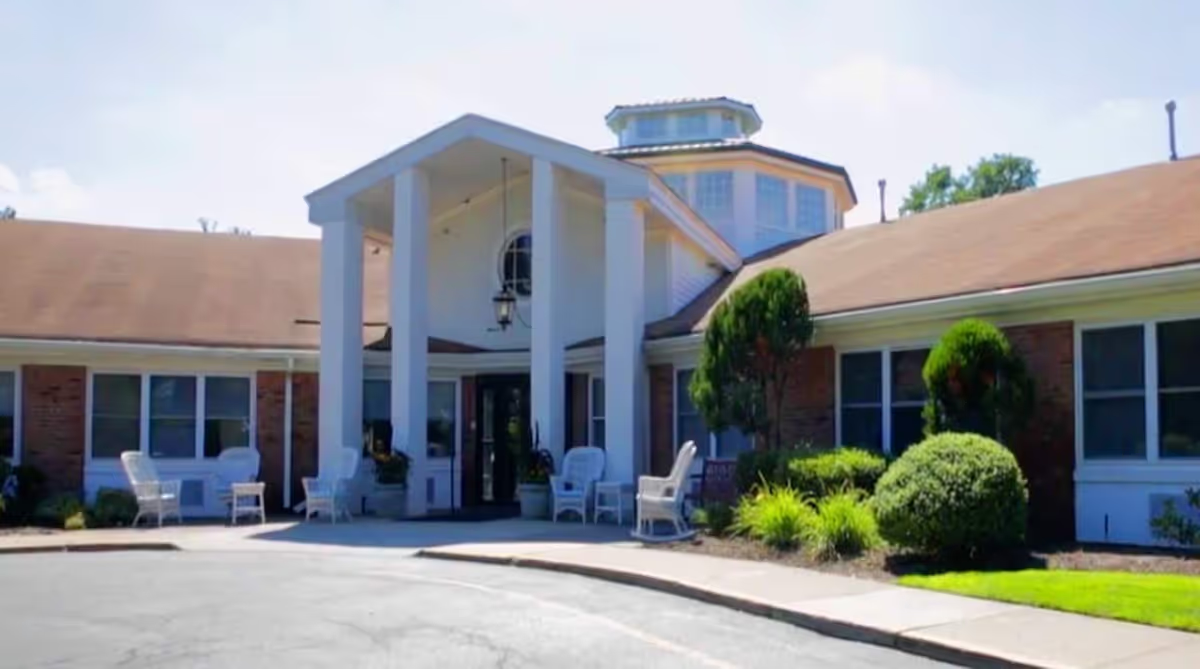
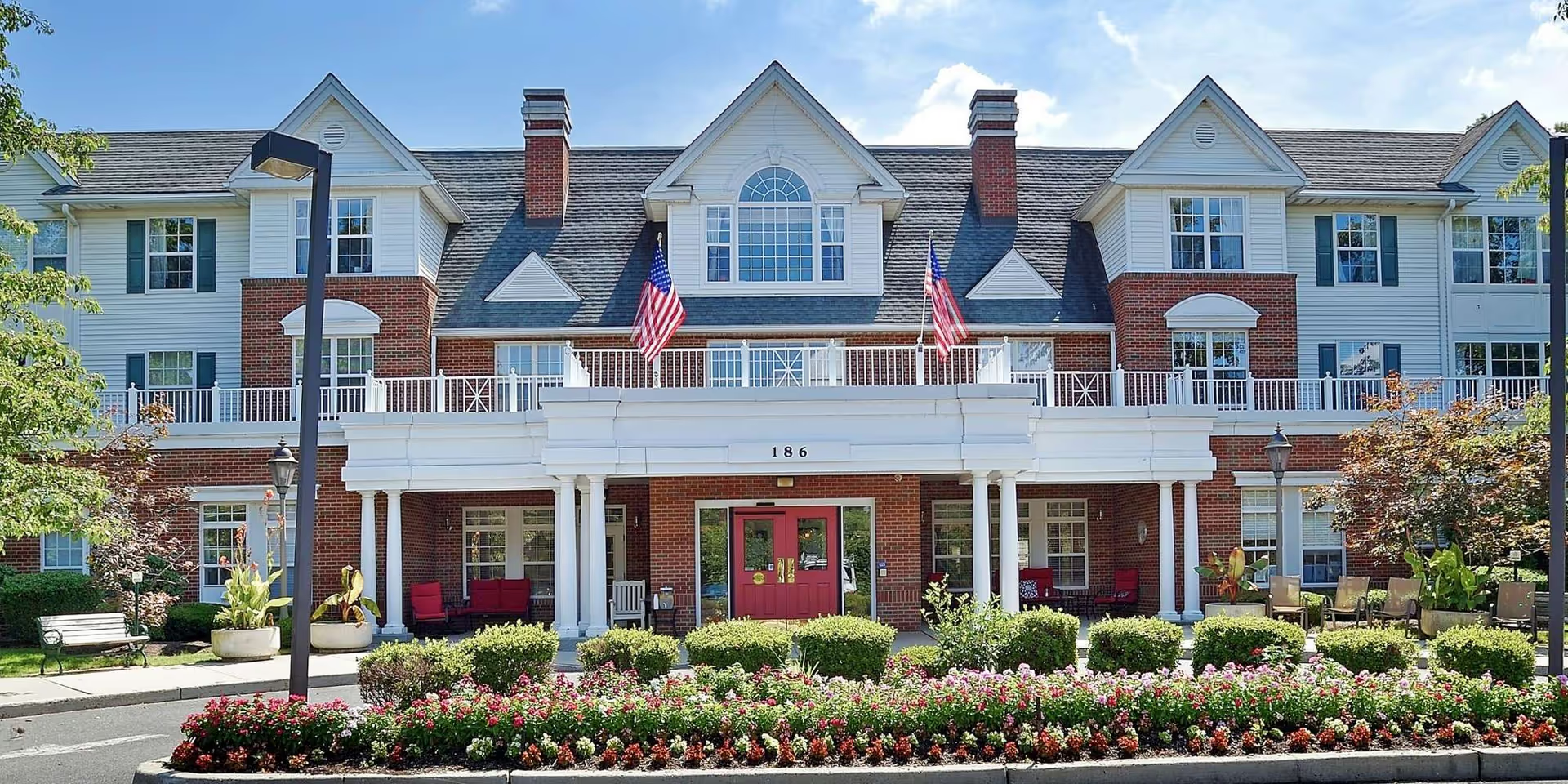
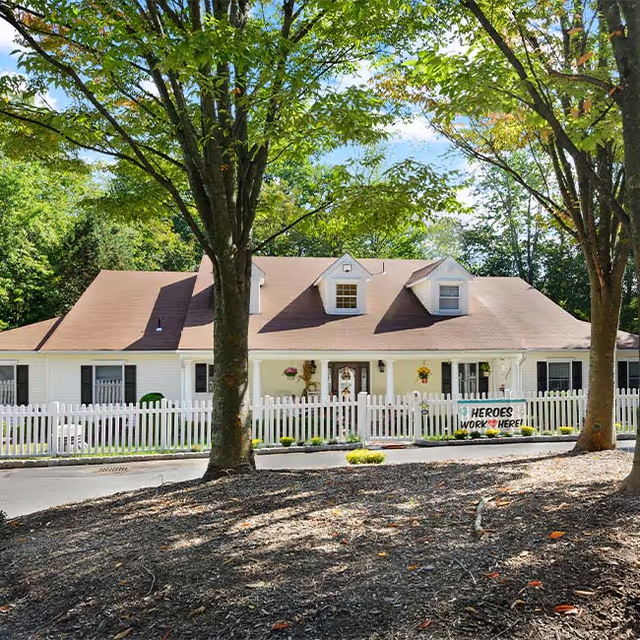
Overall impression: Sunrise of Paramus is described repeatedly as a warm, home-like community with an intimate, Victorian-style atmosphere and apartment-style units. Families frequently praise hands-on leadership, compassionate caregiving staff, thorough admissions support, and visible efforts at medical advocacy including on-site therapy and hospice engagement. Cleanliness, responsive maintenance, pet friendliness, sunny common areas and porch spaces, and a chef-led dining program are recurring positive features that contribute to a residential, noninstitutional feel.
Care quality and staffing: Many accounts highlight high levels of personal attention, consistent aides in some units, and a memory-care unit that, for some residents, produces noticeable clinical and functional improvements. Leadership figures and care managers are often described as empathetic and proactive in hospital advocacy and family communication. At the same time, reviewers indicate unevenness in day-to-day staffing quality and relatively high staff turnover; this variability appears to drive differences in individual experiences. There are also noted operational gaps in clinical coverage and emergency response procedures that have generated serious family concerns in isolated incidents, suggesting a need for clearer on-site clinical-safety protocols and follow-up communication pathways.
Dining and activities: The dining program and food services receive mixed but generally positive comments; a chef-led approach and a number of favorable meal reports are balanced by intermittent criticisms of meal timing, consistency, and occasional slow bistro service. The community offers a broad activities calendar—movies, live entertainment, arts and crafts, and social events—and is frequently praised for engagement and variety. Reviewers identified a recurrent limitation: programming and activity formats are not always well adapted for residents with sensory impairments (particularly vision), and some common/activity spaces are described as small or crowded, which can restrict larger or more active programming.
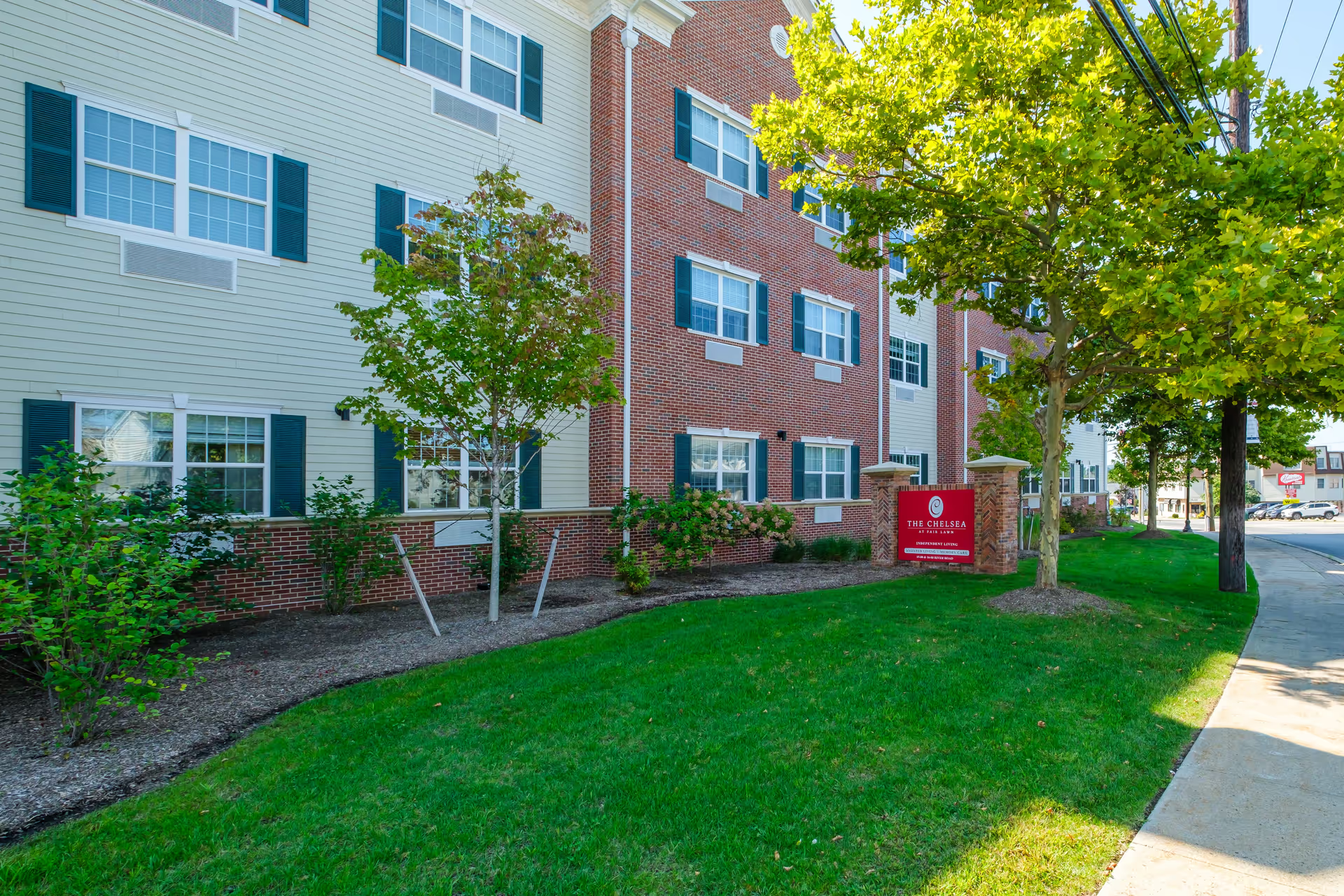
Facilities and amenities: The campus is consistently described as clean, well-maintained, and attractively appointed, with apartment-like layouts, kitchenettes in some units, accessible balconies/porches, and a pet-friendly environment that some families find energizing. However, reviewers point to limited outdoor walking space and compact dining/common areas as constraints for residents who need more expansive grounds or unobstructed walking paths. Laundry handling and occasional housekeeping lapses were cited as operational issues in a minority of accounts.
Management, pricing, and policies: Admissions and placement assistance (including Medicaid help) are commonly noted as strengths, and many families appreciate the individualized move-in support. Pricing is frequently described as above local alternatives; several families explicitly cite affordability concerns and extra charges for ancillary services. Some reviewers perceived pressured sales approaches or unexpected ancillary fees, and a few described lapses in management communication or responsiveness. Memory-care suitability appears inconsistent across cases—while some residents thrive, other families felt the unit did not meet their loved one’s specific needs, indicating that placement assessment and ongoing tailoring may require reinforcement.
Bottom line: Sunrise of Paramus presents a strongly residential, well-appointed option with clear strengths in compassionate caregiving, leadership advocacy, cleanliness, and engaging programming. Prospective residents and families should weigh those strengths against higher pricing, potential variability in staff consistency, limited outdoor/common space, and the need to confirm clinical coverage and fee transparency. Families considering Sunrise would benefit from detailed pre-admission discussions about nursing coverage and emergency protocols, verification of ancillary-fee structures, and direct observation of activities and dining during peak service times to ensure fit with the prospective resident’s clinical and social needs.