Reviews for Lopatcong Center describe a facility with clear strengths in clinical rehabilitation and many individual staff members, alongside persistent operational challenges. Strengths most often cited include compassionate nursing and aide care, an effective physical/occupational therapy program that produces good short-term rehab outcomes, efficient admissions/intake procedures, and proactive COVID-19 communication that kept families informed. Multiple accounts praise front-desk service, initial clinical assessments, and staff who go beyond basic duties to support residents and families.
Care quality is mixed. Numerous reviewers highlight dedicated, long-term caregivers and nurses who provide attentive, hands-on care; others note variability in professionalism across shifts. Staffing levels and turnover — particularly on weekends and during off shifts — are a recurring concern and are linked to delays in attending to basic needs, slow responses to call lights, and inconsistent assistance with daily care. Several accounts reference gaps in clinical incident handling, medication and discharge coordination, and monitoring of skin integrity and weight, indicating uneven execution of clinical protocols.
Dining and activities receive lukewarm feedback. Meal quality and menu variety are described as average to poor by some families, with requests for more customization and consistency. Activity programming has positive mentions where staff are actively engaging residents, but other reports suggest a sparse, hospital-like atmosphere with limited resident engagement for long-term stays.
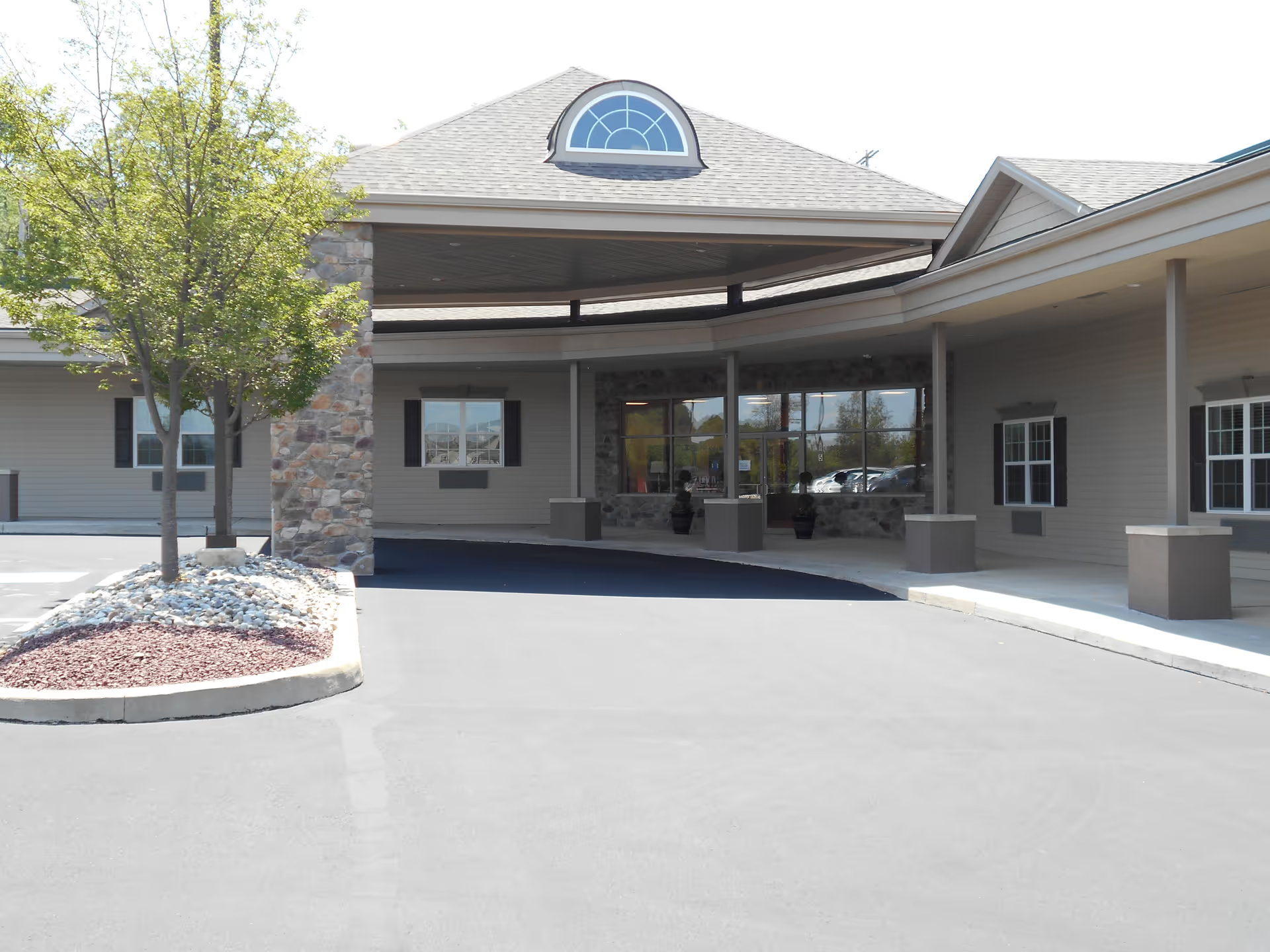
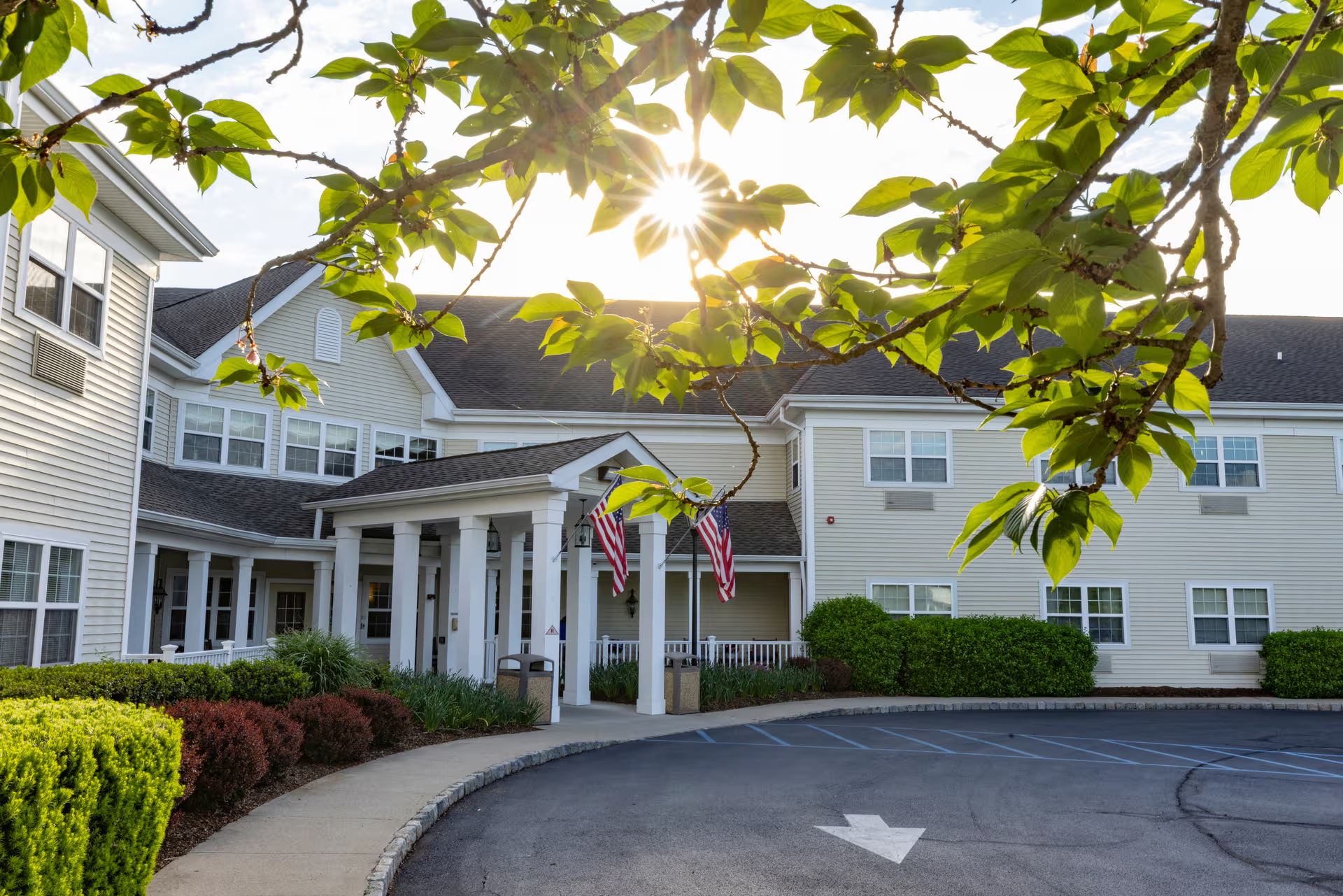
Facility condition and cleanliness show a clear divide: some areas and units are described as clean and well-maintained, while other parts are noted for sanitation and odor concerns, pest-control issues, and deferred maintenance (including room repairs and worn linens). These environmental inconsistencies, along with security access observations, contribute to uneven resident experiences and raise questions about building-wide maintenance practices.
Management and communication also vary. There are examples of responsive administrators who resolve billing or quality issues and provide reimbursements, and of informative family outreach and Zoom updates. Conversely, other families report unreachable staff, inconsistent or conflicting information between nursing and administration, and billing or personal-item concerns that have not been satisfactorily resolved. Allegations of missing personal items and billing irregularities appear in the feedback and would merit investigation.
Overall pattern: the center may provide strong short-term rehabilitation and has many individual staff members who deliver excellent care. However, its operational weaknesses — inconsistent staffing, uneven cleanliness and maintenance, variable communication, and concerns about basic care timeliness — create risk for families considering long-term placement. Prospective residents and families should weigh the facility’s rehabilitative strengths against these systemic issues, ask specific questions about current staffing ratios and weekend coverage, inspect unit cleanliness and maintenance, and clarify policies on personal items, billing, and incident reporting before deciding.