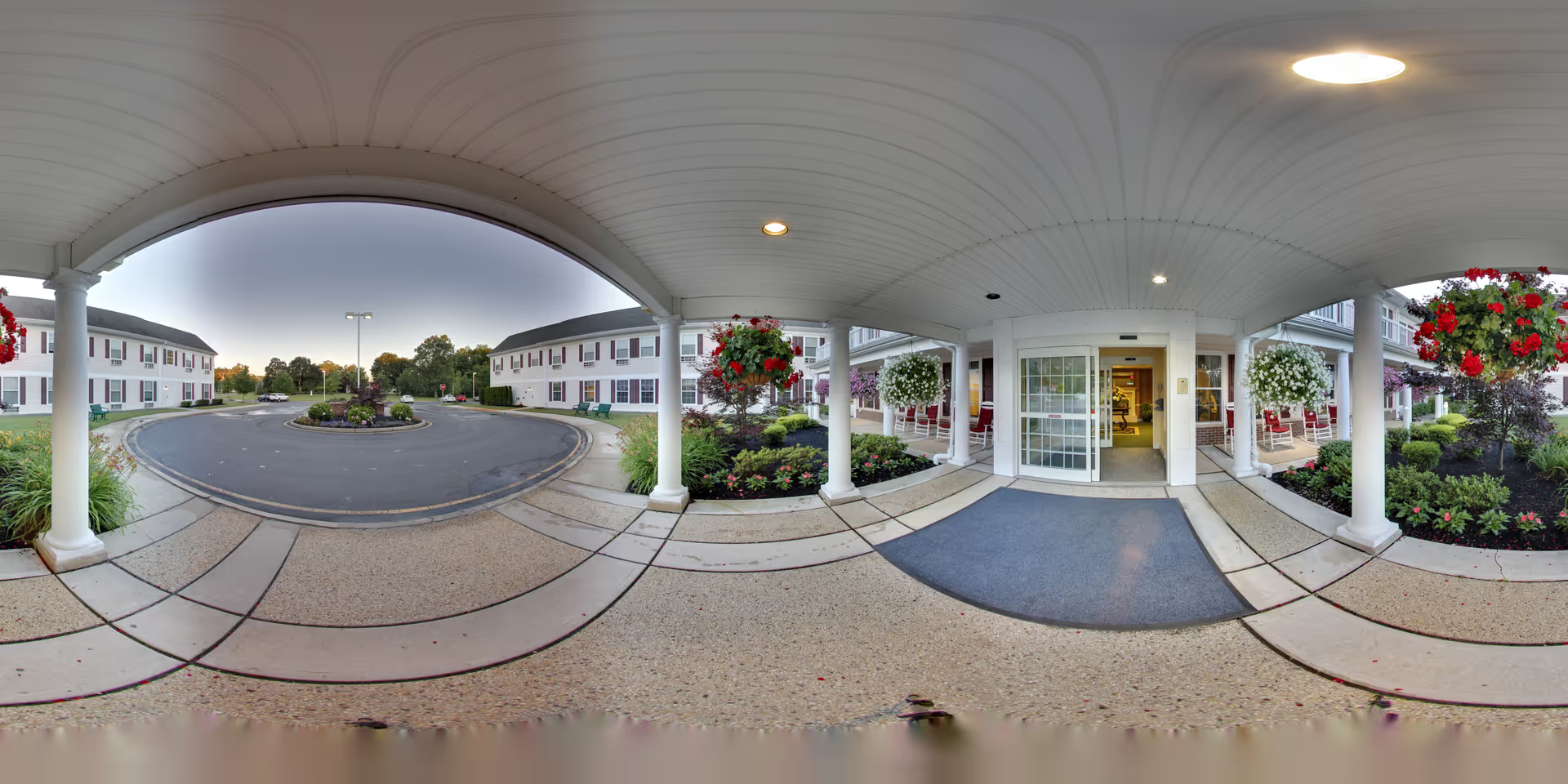
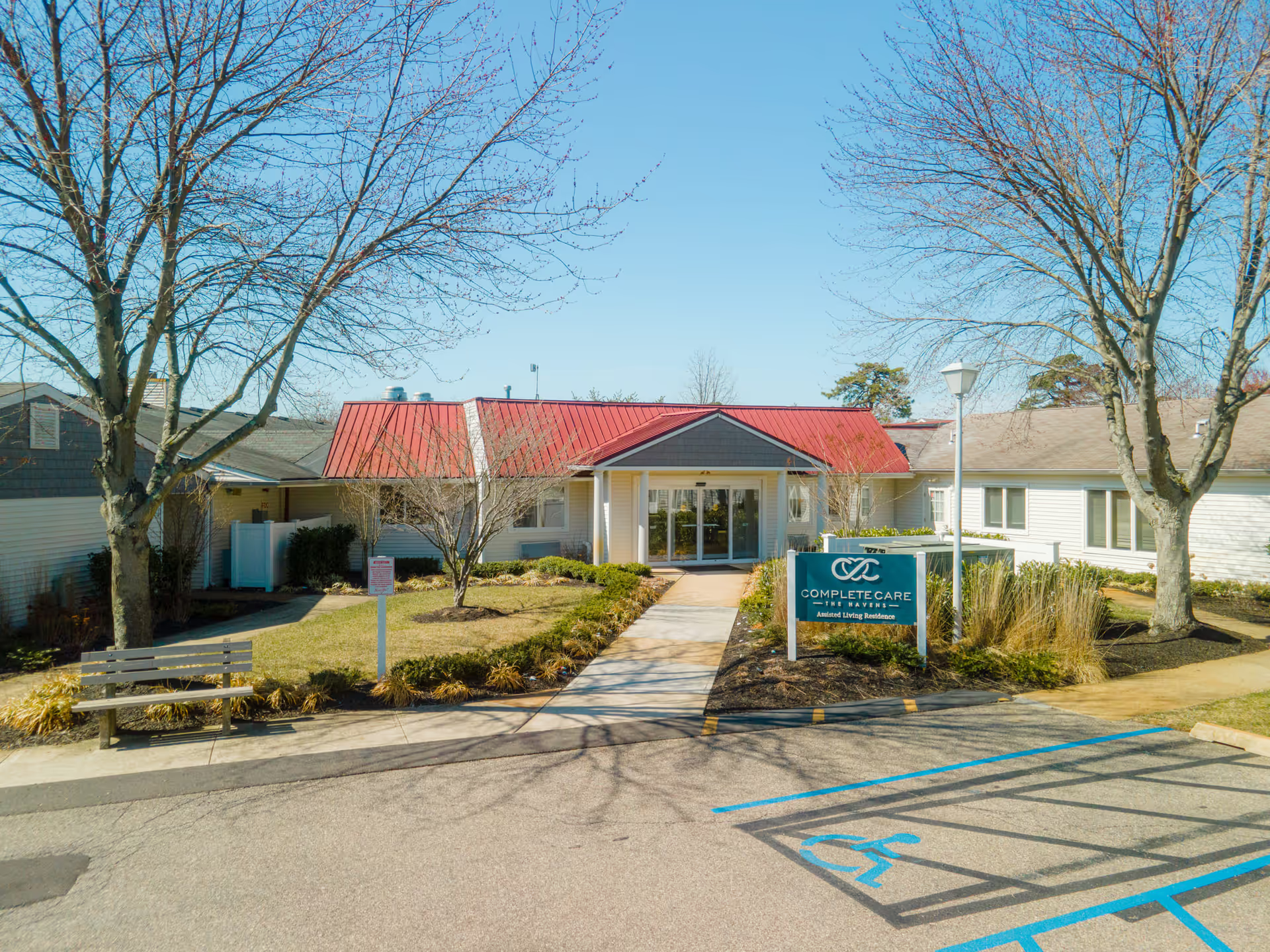
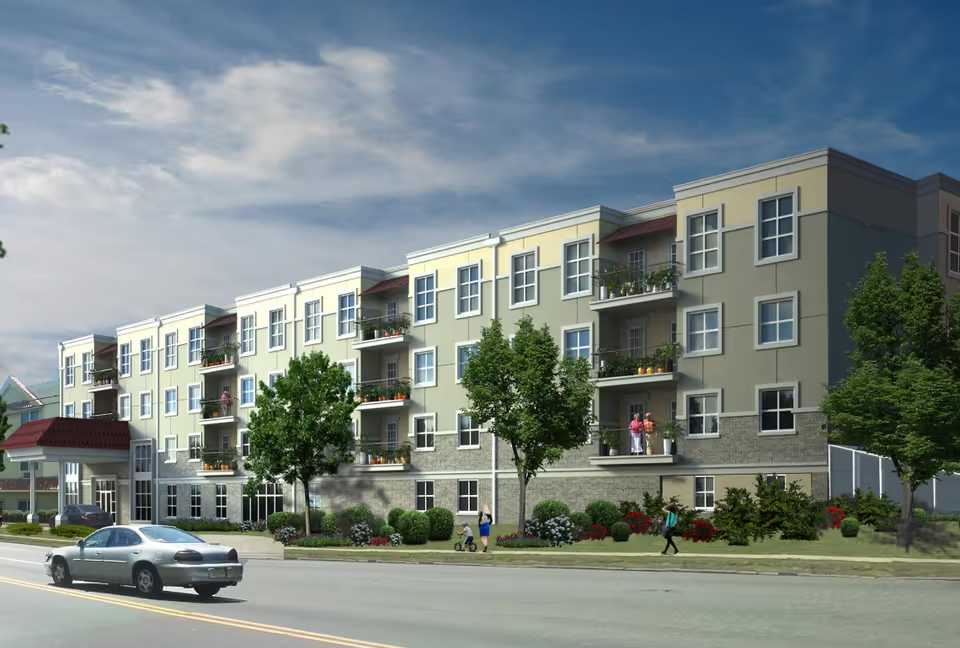
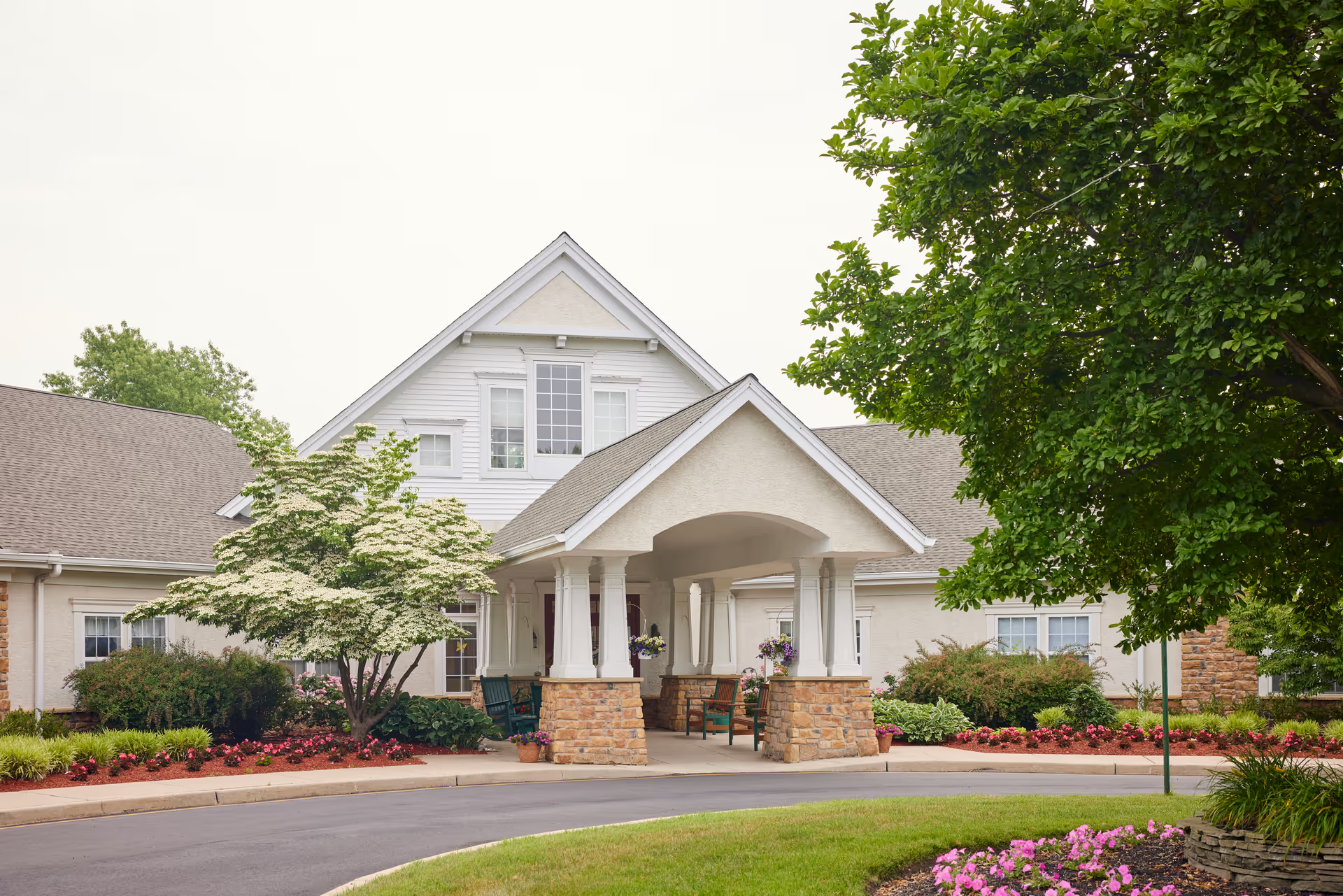
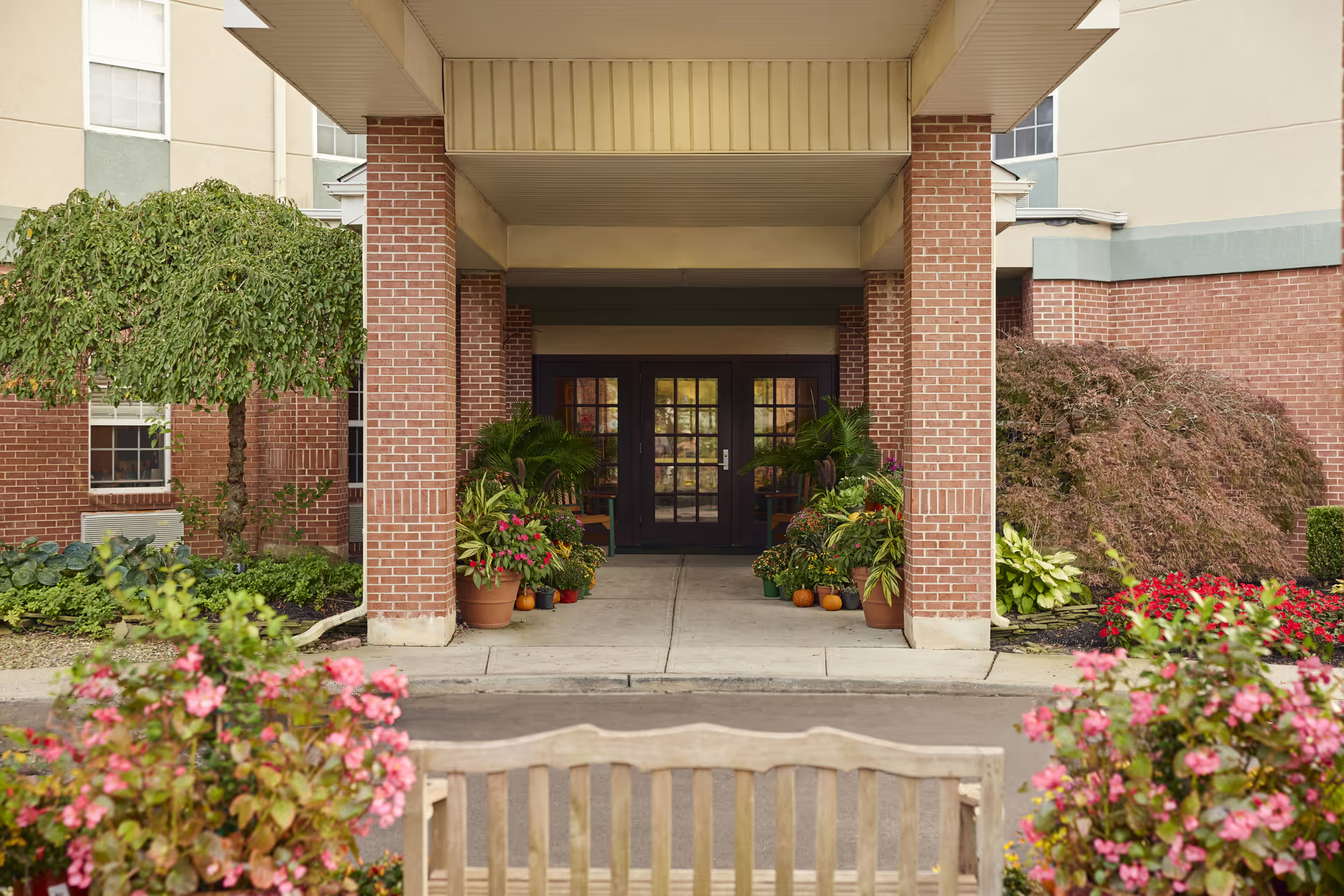
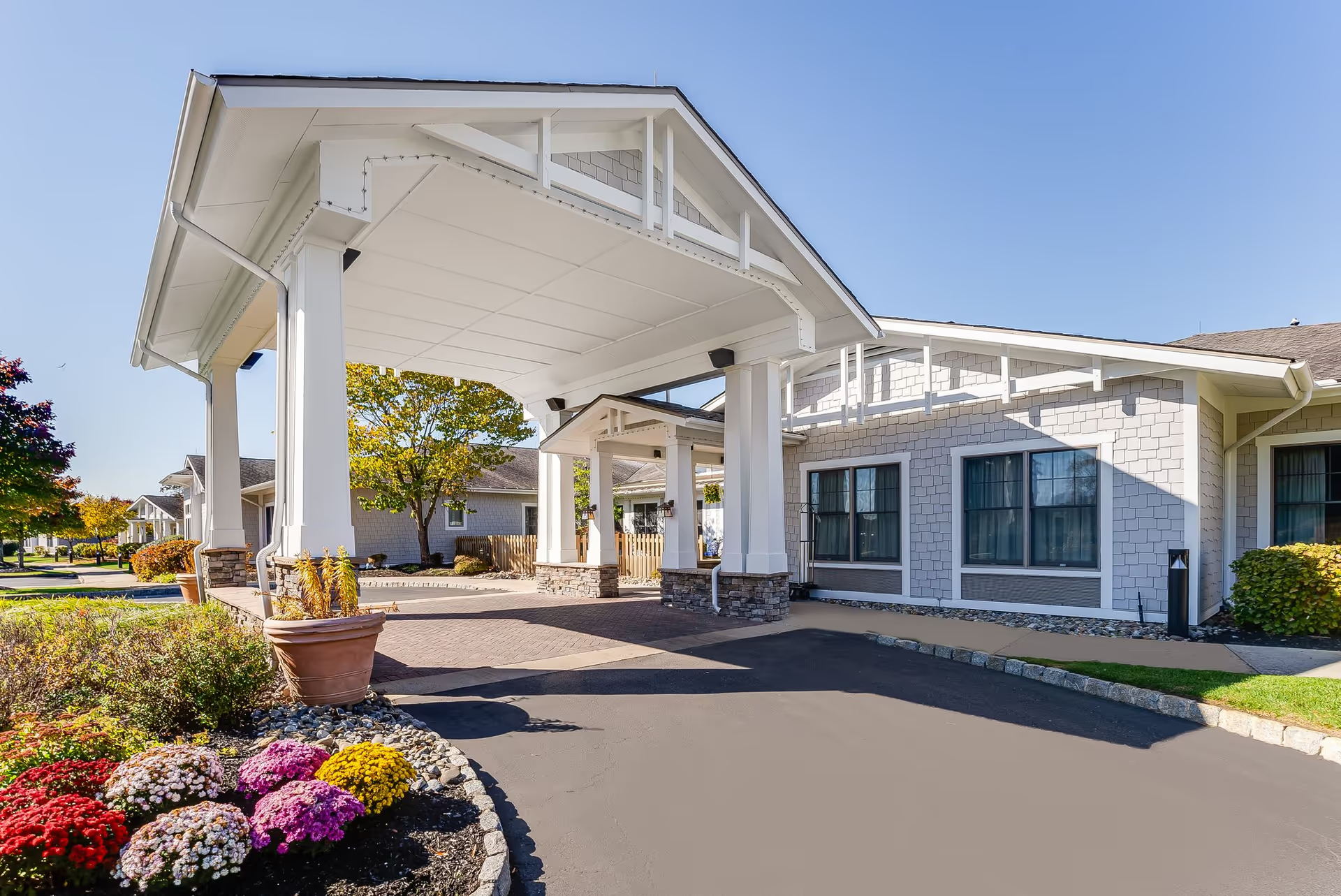
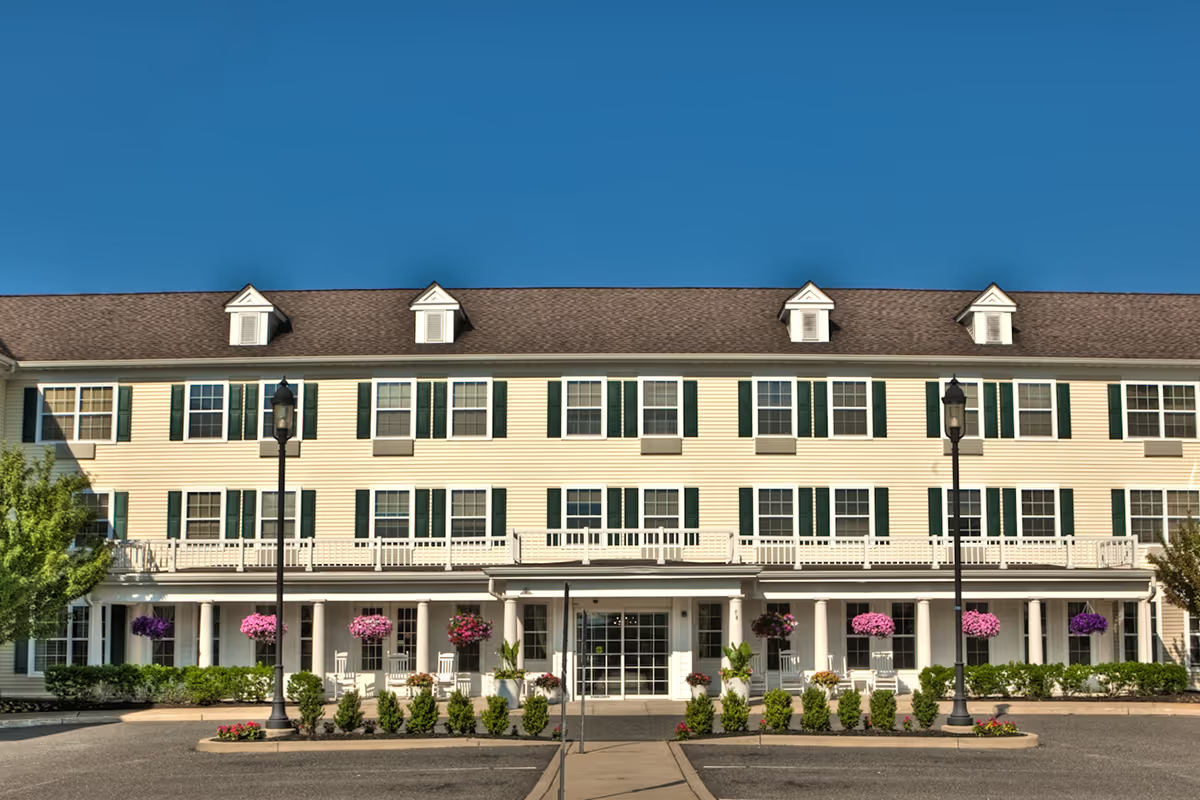
Alcoeur Gardens at Toms River presents as a small, home-like memory-care residence that several families describe as warm, clean, and well maintained. The facility's low census and domestic scale contribute to a family-style atmosphere: reviewers consistently note an inviting common area, seasonal decorations, landscaped grounds with a porch/deck, and a front-porch feel. Cleanliness and attention to room and bathroom upkeep are recurring positives, and the facility’s small size is repeatedly linked to individualized attention and close staff–resident relationships.
Care quality and staffing are central strengths in most accounts. Caregivers are frequently characterized as compassionate, attentive, and familiar with residents’ preferences; families highlight 24/7 attention, personal engagement, and active communication (including FaceTime and shared photos during restricted visitation). At the same time, reviewers describe variability in operational reliability: some families praise strong staffing and oversight, while a smaller subset raises concerns about inconsistent staffing levels and uneven management responsiveness. These patterns suggest generally good day-to-day caregiving with occasional variability in administrative follow-through.
Dining and activities receive consistently favorable commentary. The facility uses a planned rotating menu with fresh, varied options, and many families praise the quality and presentation of meals. Activities are social and inclusive—parties, singing, arts and crafts, and outdoor time are common—and staff encourage participation. That social orientation is a strength for residents who enjoy group programming but may feel intrusive for residents preferring quieter routines; reviewers mention noise in some rooms and a social pressure to participate.
Facility suitability and clinical scope should be assessed against prospective residents’ needs. Several families indicate the home is best suited for residents with mild-to-moderate memory-care needs rather than those requiring high levels of physical assistance or advanced behavioral management. Reviewers cite limited capacity for heavier ADL assistance, small bedroom sizes that may be cramped for larger or taller residents, and constrained restroom or outdoor access in parts of the building. A few families also noted concerns about handling aggressive dementia-related behaviors and about dietary accommodations for therapeutic regimens (for example, diabetic meal management), indicating that clinical protocols for complex needs may be less robust than the facility’s strengths in social and personal care.
Management and communication patterns are mixed. The facility received praise for clear pandemic-era communication and family outreach, but some families reported unreturned calls, scheduling delays, and concerns about owner transparency or professionalism. These administrative issues do not negate the strong caregiving reported by many families, but they do suggest that prospective residents and families should confirm specific operational details—staffing levels, behavior-management protocols, dietary/medication procedures, and written communication policies—during a tour.
In sum, Alcoeur Gardens appears to be a well-kept, small memory-care home with a strong emphasis on personalized attention, social programming, and a home-like environment. It tends to be a good match for residents who value close personal relationships, social engagement, and a non-institutional setting. Families considering placement should evaluate clinical capability and administrative responsiveness relative to higher-dependency needs and ask targeted questions about behavior management, therapeutic-diet handling, and contingency staffing to determine fit.