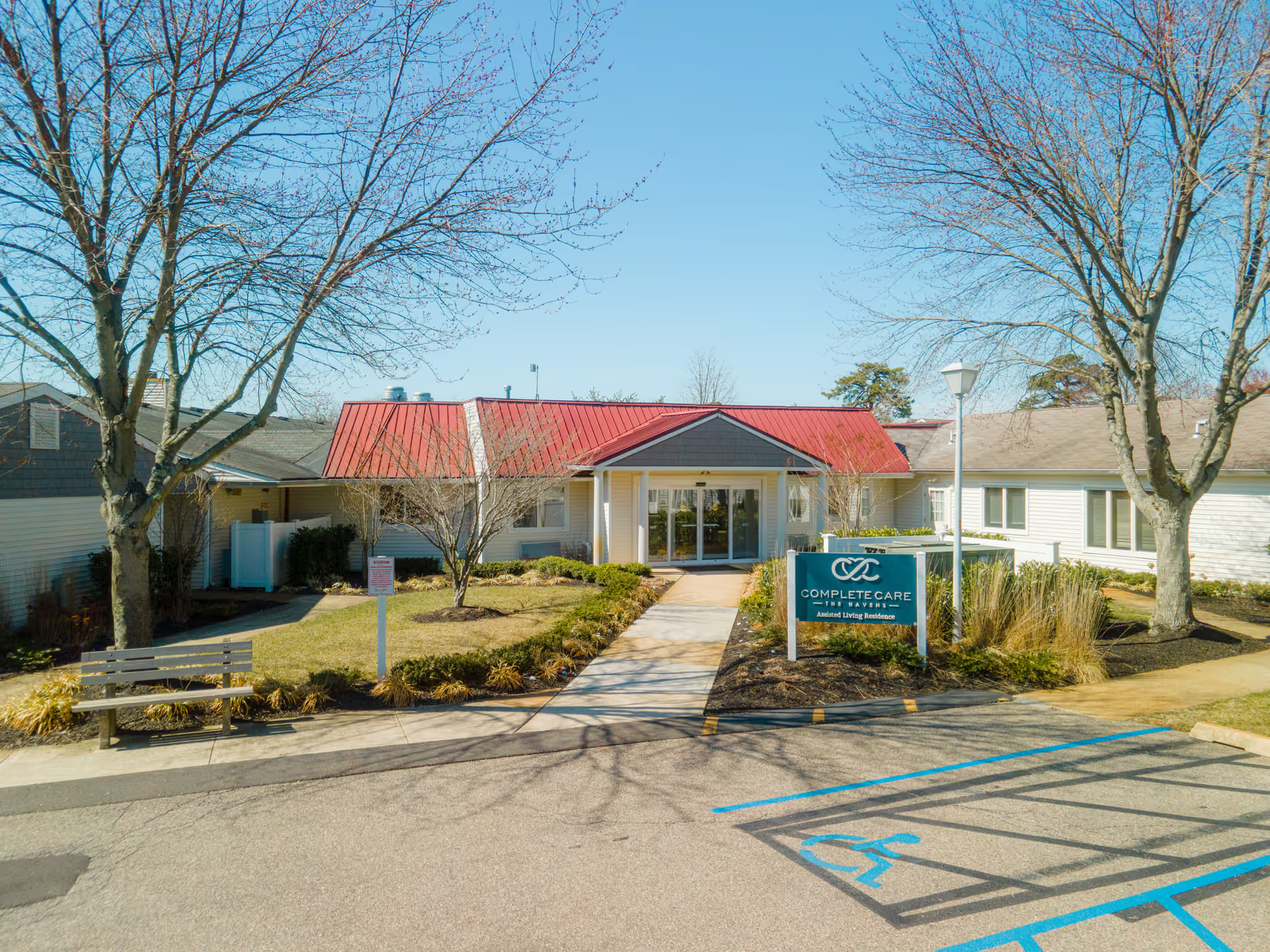
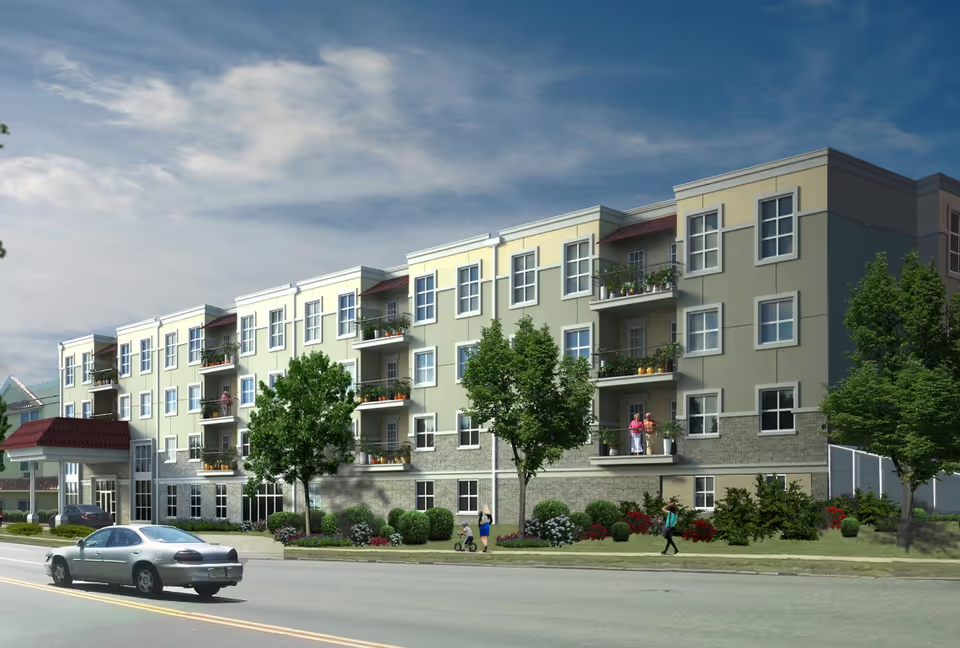
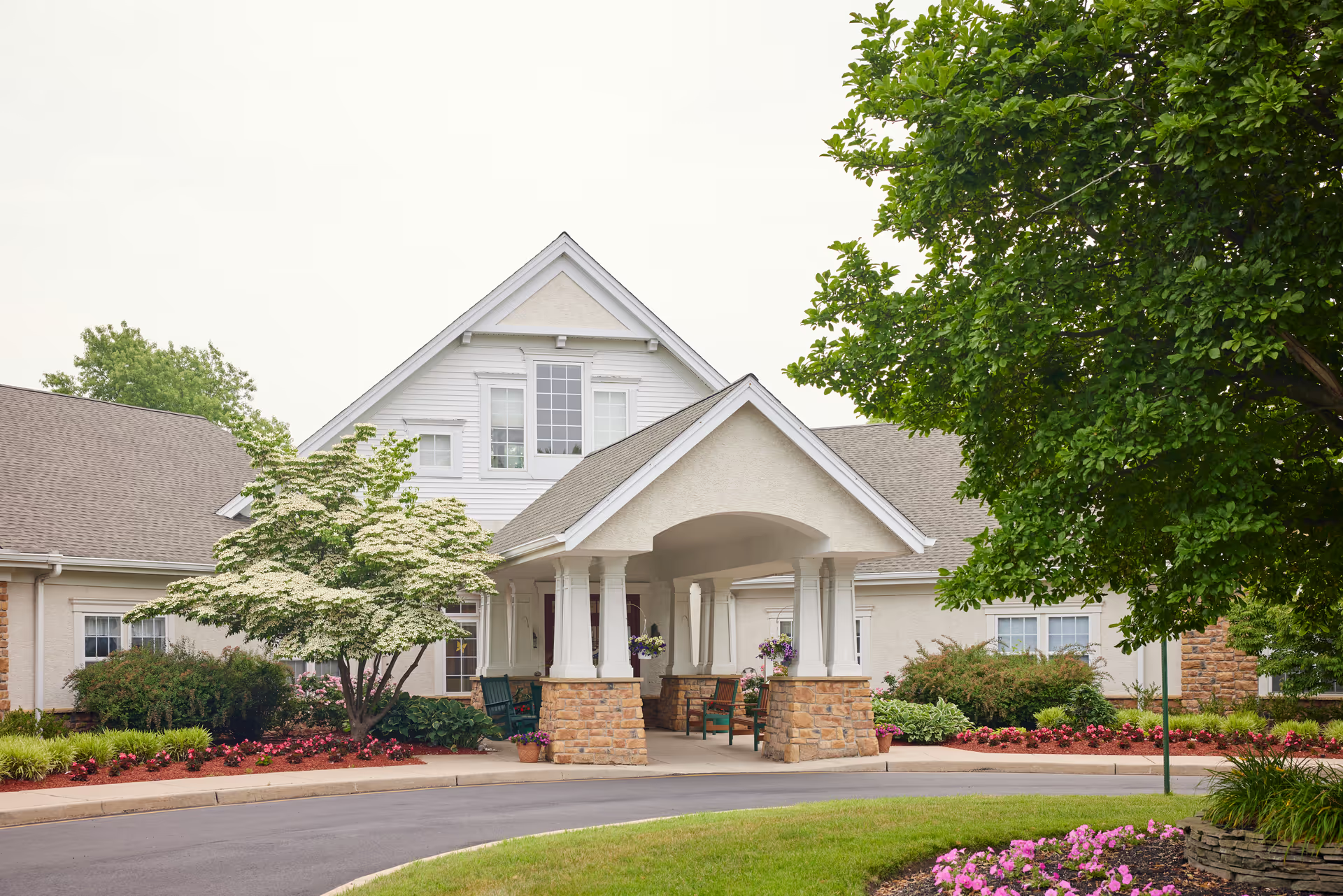
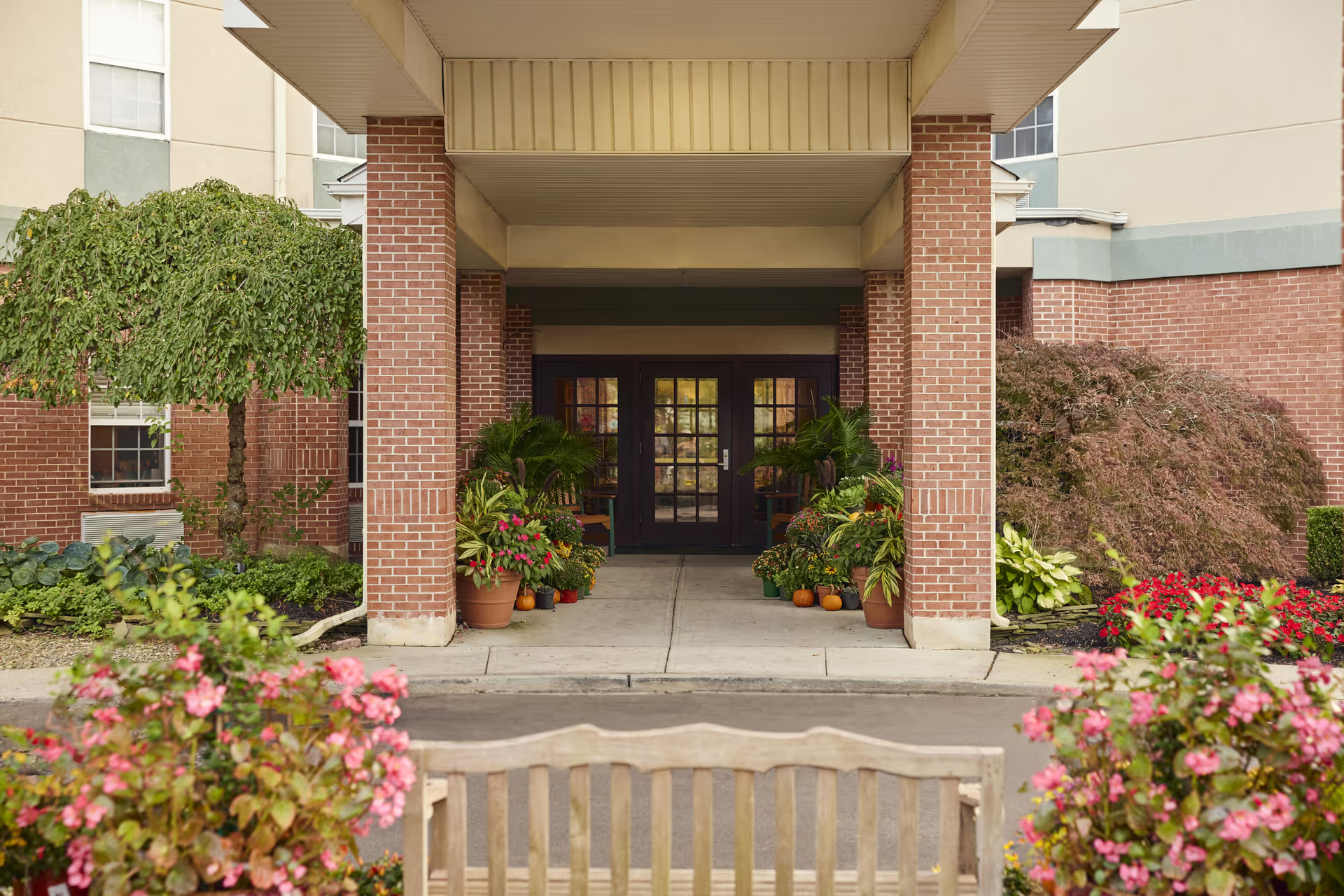
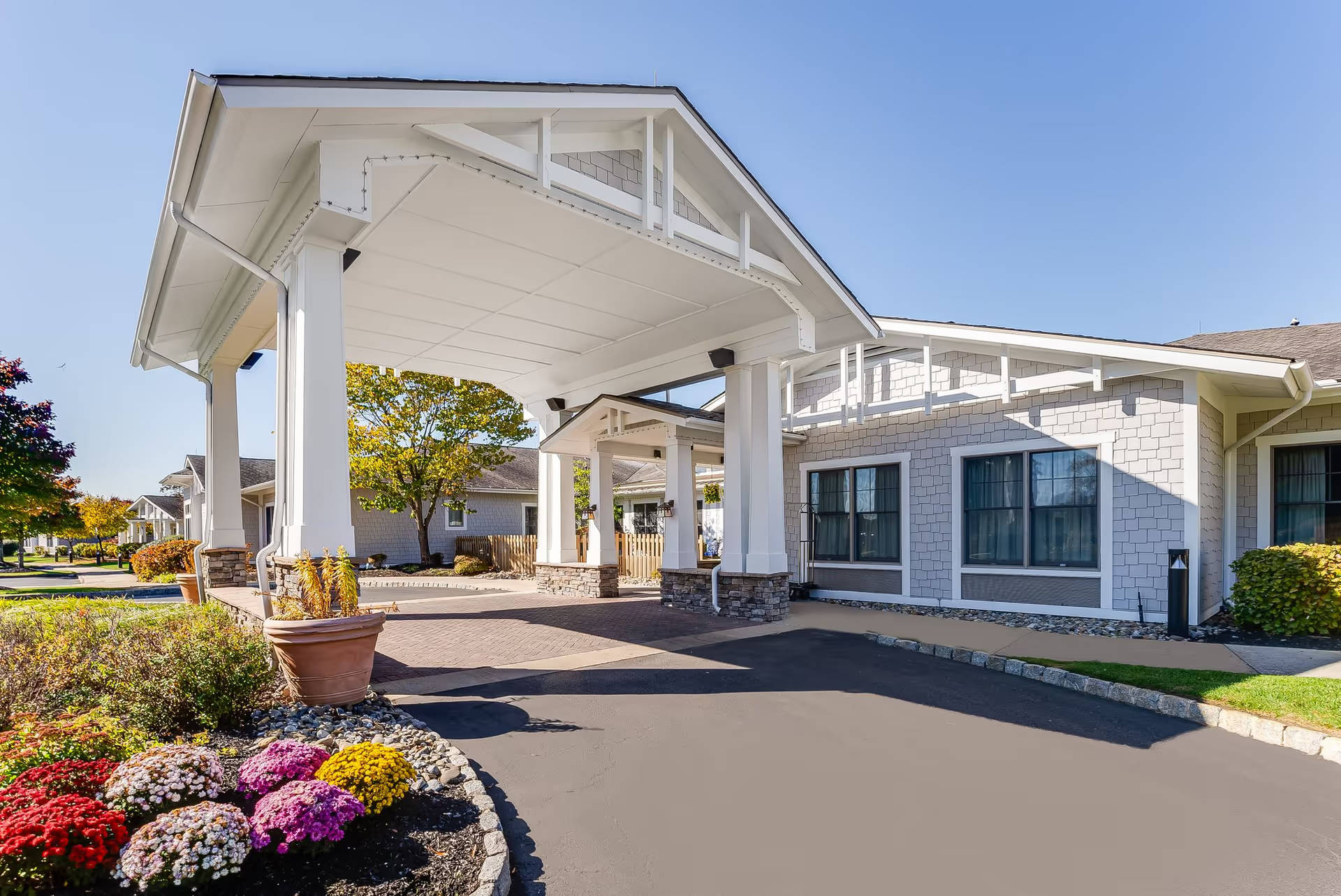
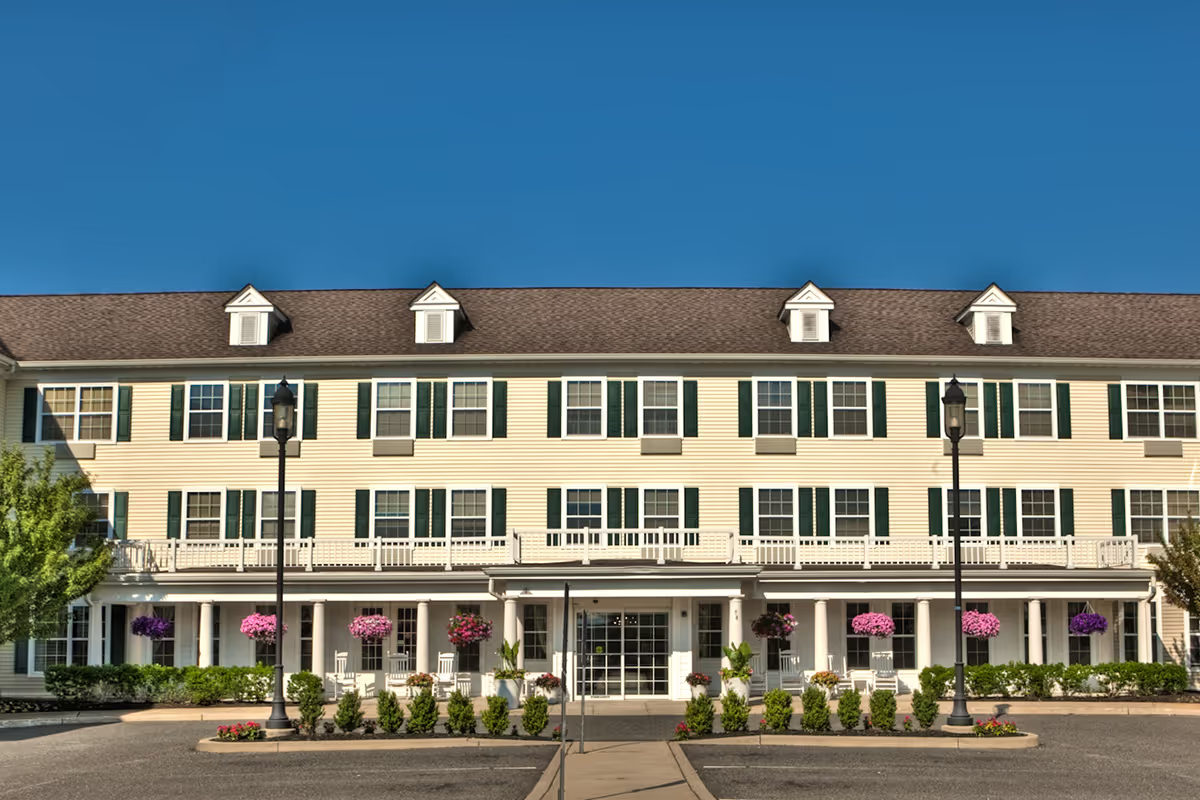
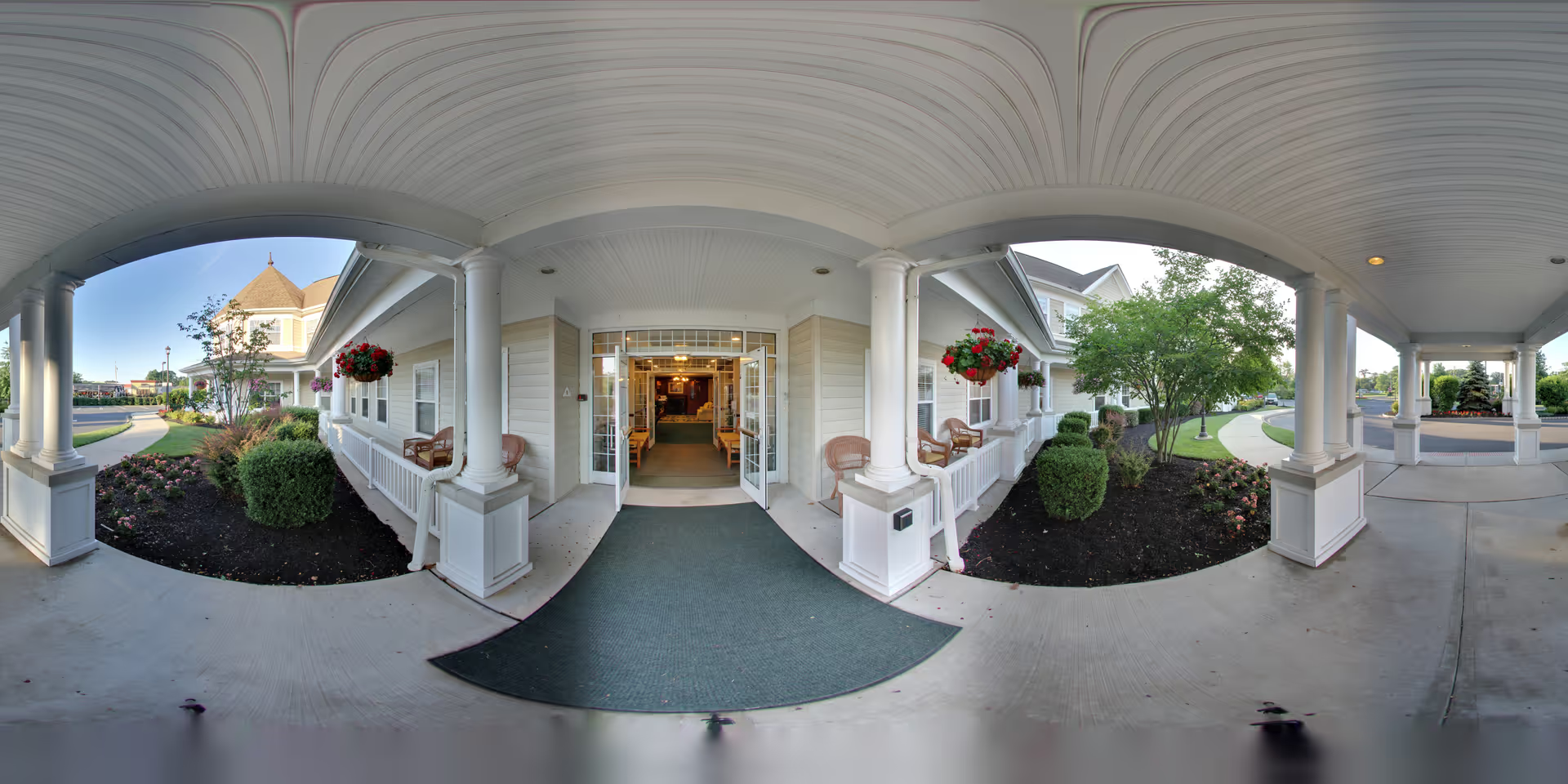
Overall impression: Families and residents frequently describe Brandywine Toms River as a clean, well-appointed community with a strong direct-care culture. The facility’s physical environment — private apartments, hotel-like common areas, a landscaped courtyard, salon, chapel and library — is consistently praised, and many reviewers emphasize feelings of safety, improved quality of life, and relief after a move-in.
Care and clinical services: Direct care and nursing staff receive the most consistent positive feedback. Multiple accounts highlight compassionate, attentive nurses and aides who know residents by name, provide personalized assistance (bathing, dressing, medication support), and facilitate smooth transitions into memory care. The community offers 24/7 nursing coverage, in-house therapy and rehabilitation services, and a structured memory-care program (Reflections) tailored for dementia needs. At the same time, reviewers raise operational concerns that affect care continuity: staff turnover and what families describe as aide workload pressures, along with limited overnight clinical depth (noted as LPN-only overnight coverage), which can constrain response capacity during busy periods.
Staff and management: The front-line team and many long-tenured employees are repeatedly identified as the facility’s chief strength; families often use family-like language to describe the relationships between staff and residents. However, there is a contrasting pattern regarding leadership and administration. Several families describe recent management changes, perceived disengagement by newer executive leadership, and decisions interpreted as revenue-focused (rent increases, questions about raises). These issues correlate with concerns about staff morale, continuity, and responsiveness to family requests. Operational gaps such as disorganized event coordination or slower managerial follow-through are raised alongside these themes.
Dining and activities: Dining is generally seen as a strength — reviewers note varied menus, special entrée options, and an overall positive dining experience. A number of families say their loved ones enjoy the food and the private-dining options. That said, some comments indicate variability in portioning or occasional quality differences, and a few found menu items bland. Activity programming is another frequently cited benefit: arts and crafts, music, religious services, group exercise, live entertainment, animal visits, and frequent outings are commonly mentioned and credited with improving residents’ engagement. Conversely, a subset of families reports that daily activities can sometimes be repetitive or less engaging than advertised, indicating program consistency may vary by day or staff availability.
Safety, transitions, and family communication: Many reviewers emphasize effective move-in support, helpful admission staff, and proactive family communication (regular updates, outreach from nurses and care managers). Memory-care transitions are described as seamless by several families. The community’s safety measures and attentive staffing give many family members reassurance. Nevertheless, some serious concerns are present in the feedback, including allegations of theft and medication-management errors; these are raised less frequently than praise but are significant and warrant direct inquiry by prospective families.
Notable patterns for prospective families: The strongest, consistent theme is the positive, compassionate culture among direct-care staff and the high marks for facility cleanliness and amenities. Prospective residents and families looking for robust social programming, dining variety, and a secure memory-care option will find many strengths. At the same time, evaluate leadership stability, staffing ratios (particularly aide coverage and overnight clinical depth), and policy clarity around aging-in-place and Medicaid transitions. Ask for specifics about current staff tenure, weekend and overnight clinical coverage, recent management changes, and how the community addresses alleged operational incidents (including medication and property-safeguarding procedures) to form a complete, up-to-date picture.