Overall impression: Reviews present a strongly mixed but coherent picture. Many families emphasize that frontline caregivers are warm, attentive and proactive; these strengths are linked to a family-like culture, good dementia and hospice support, and frequent communication with families. At the same time, operational inconsistencies — particularly around dining, facility maintenance, clinical staffing and management responsiveness — recur across accounts and create variability in the resident experience.
Care and staff: Care quality is frequently described as a major asset. Caregivers are characterized as compassionate, communicative and observant of residents’ needs; families cite timely updates, regular meetings and staff who promote social connections. There is also noted on-site medical oversight and continuity for many residents, and specialized dementia and hospice services that several families found reassuring. However, reviewers also describe uneven clinical coverage (notably limited overnight registered-nurse presence) and unclear boundaries in clinical decision-making, which raises questions about staffing consistency and oversight during certain shifts.
Dining and food service: Dining is a clear area of divergence. Multiple reviews praise good meals and a positive dining environment, but a substantive number raise concerns about food quality, late or sparse service, and the conduct of kitchen leadership. There are also practical complaints about meal-related out-of-pocket charges and confusion around meal schedules. Prospective families should ask specific questions about meal hours, special-diet accommodations, and any extra costs.
Activities and social life: Social programming and recreational offerings are frequently cited as strengths — staff-led activities, opportunities to form friendships, and a lively community atmosphere are common positives. That said, activity availability appears to vary by unit and shift; some residents experienced limited or low-engagement programming. For residents who prioritize robust programming, an on-site observation of activities and a unit-specific activity schedule will be informative.
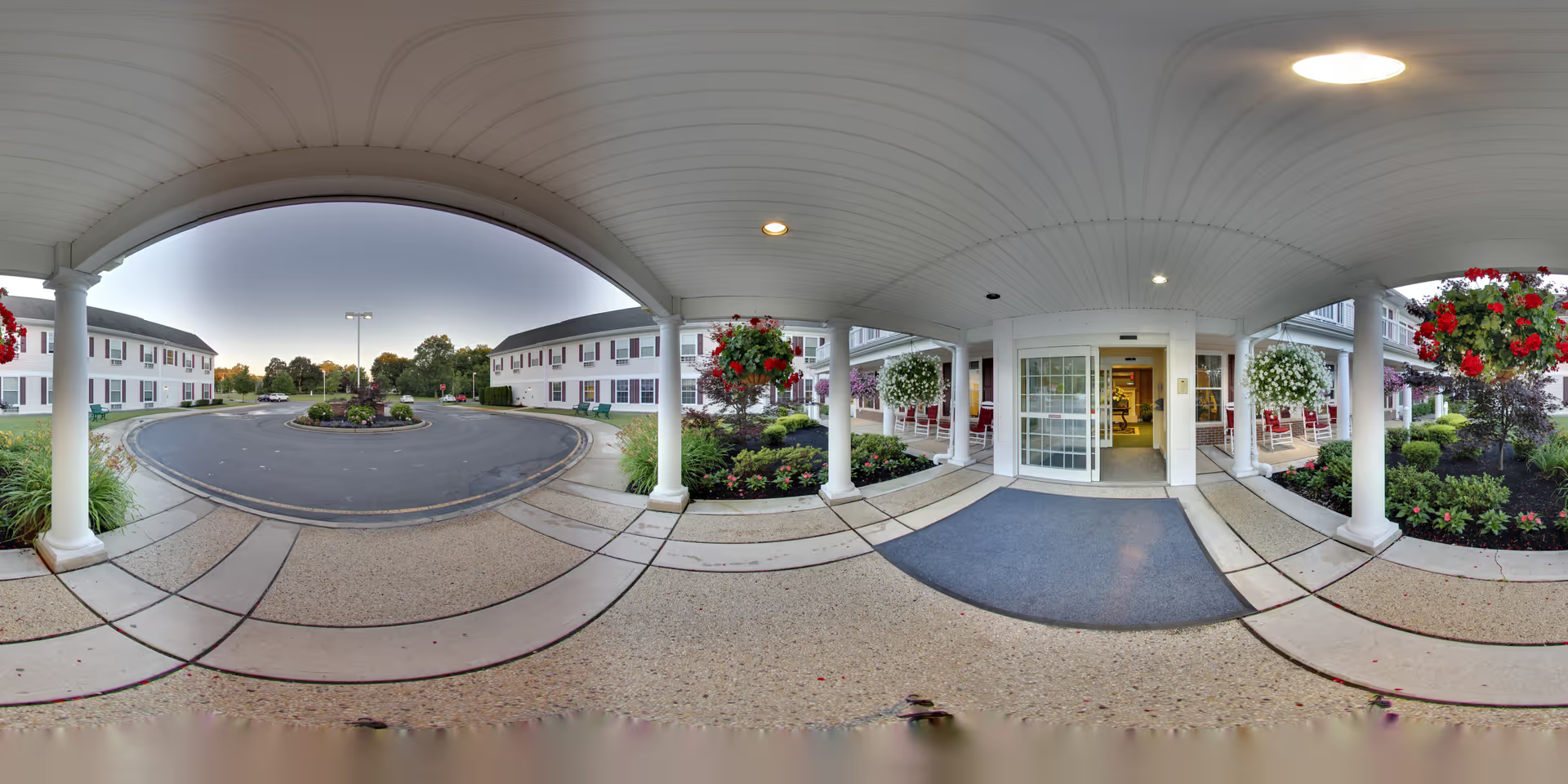
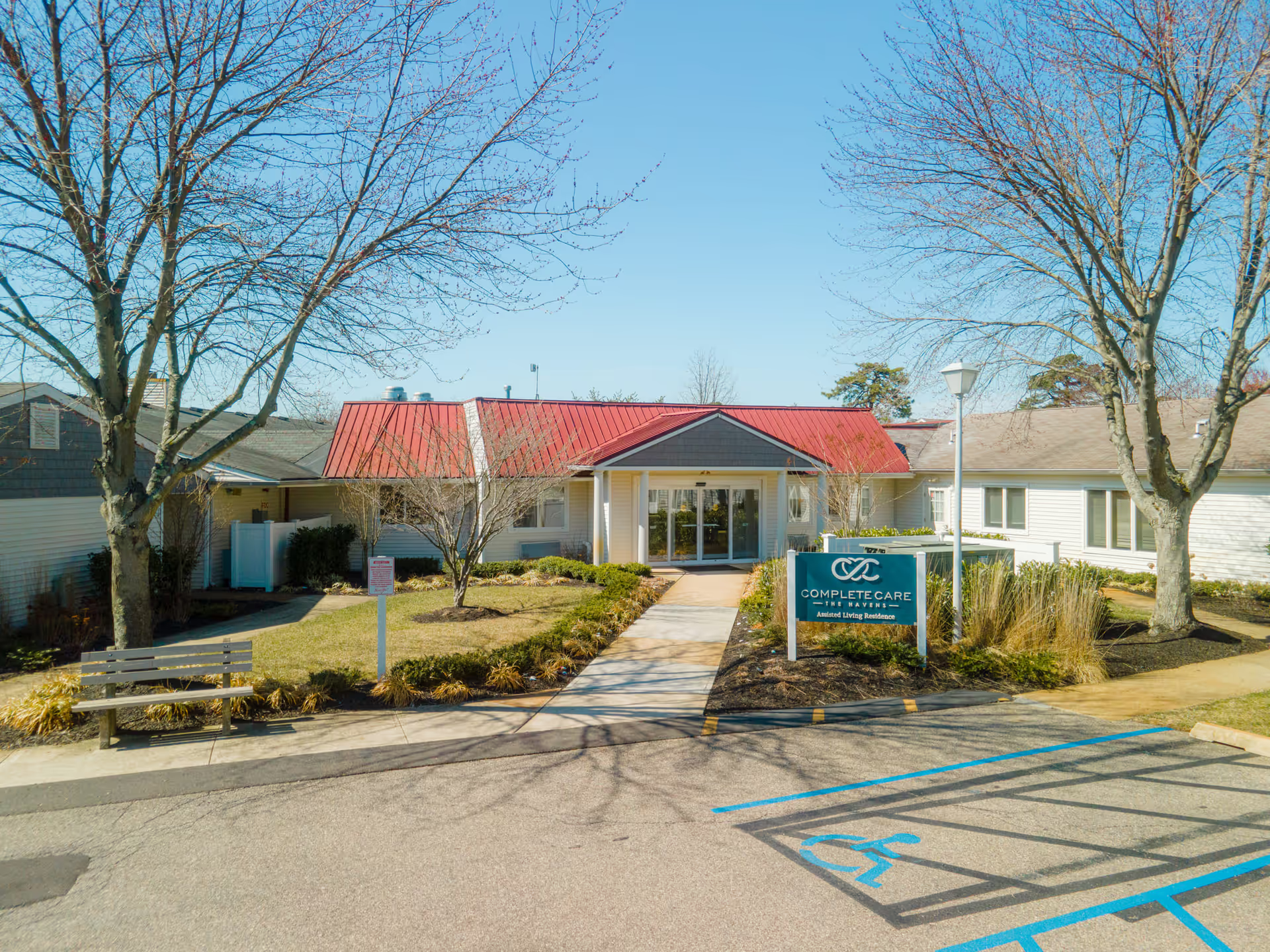
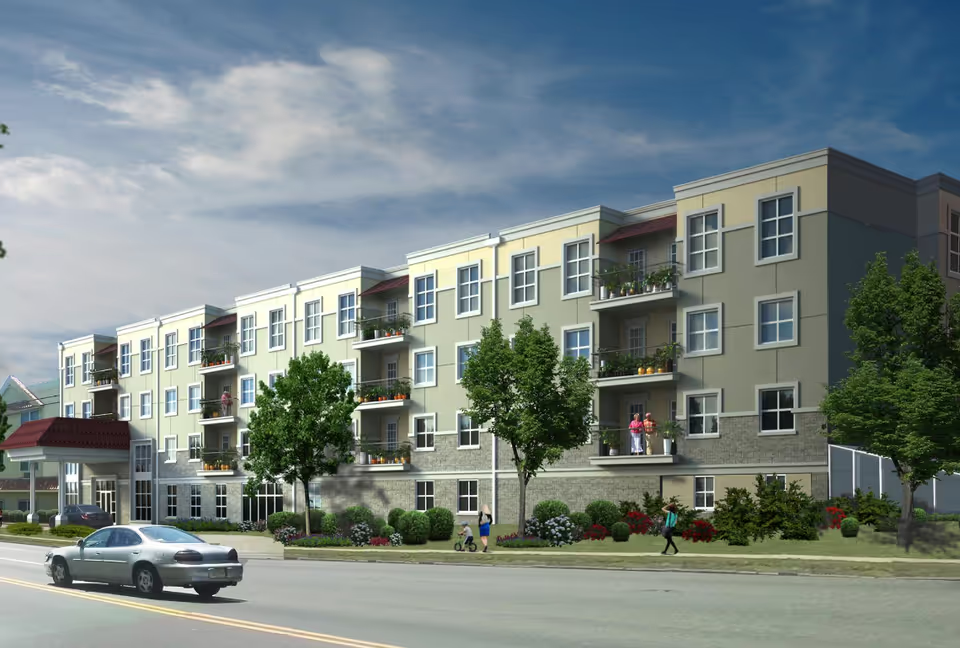
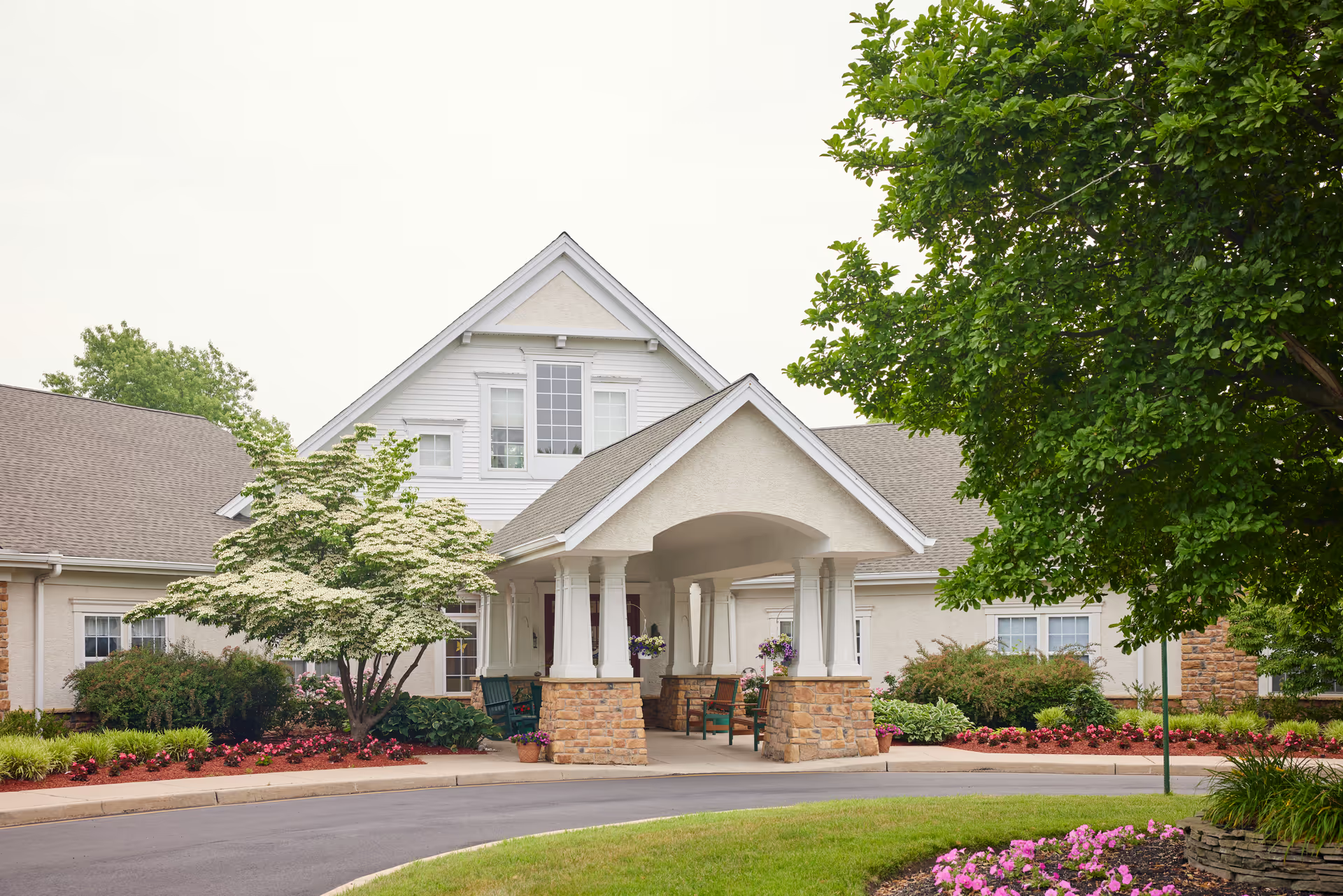
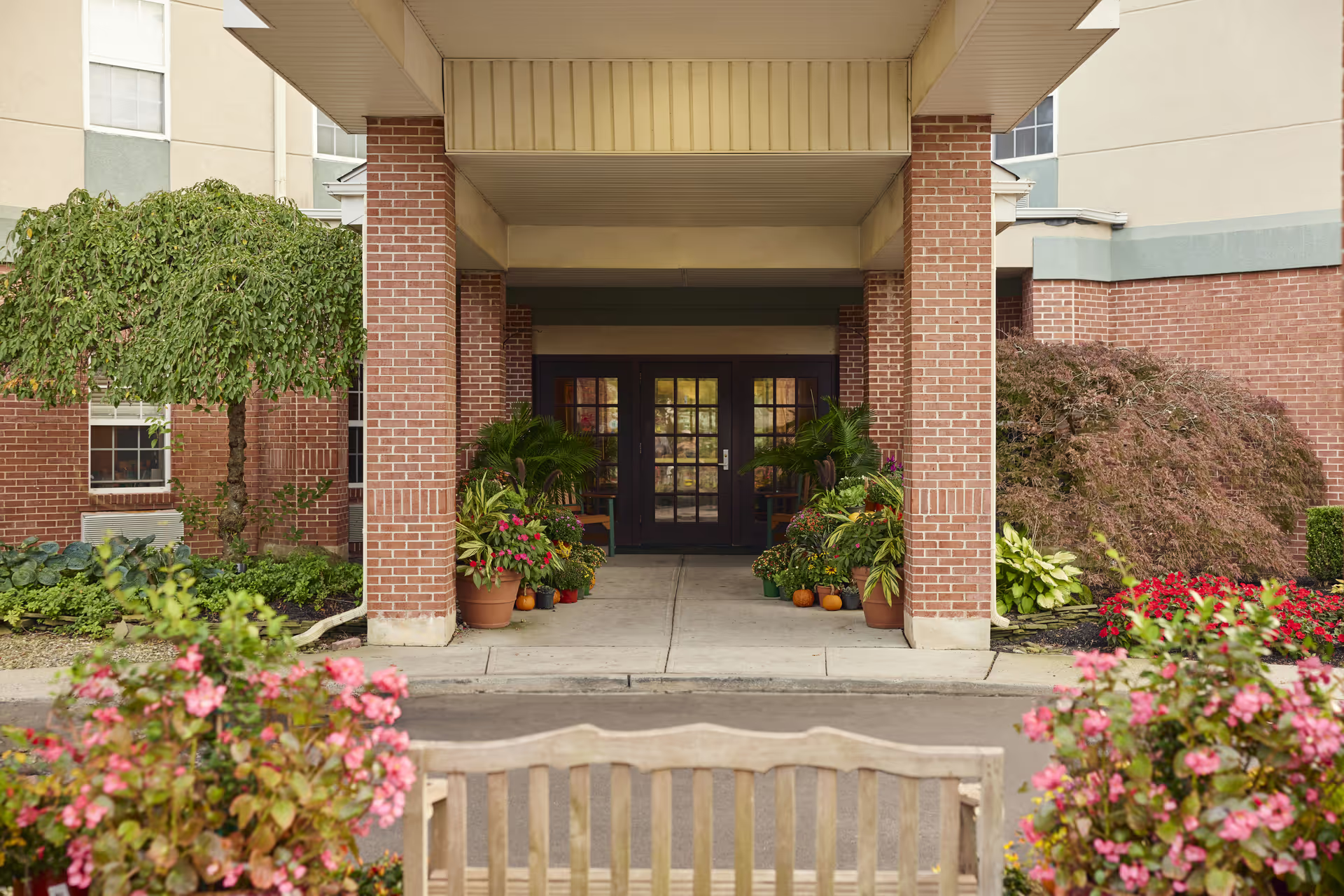
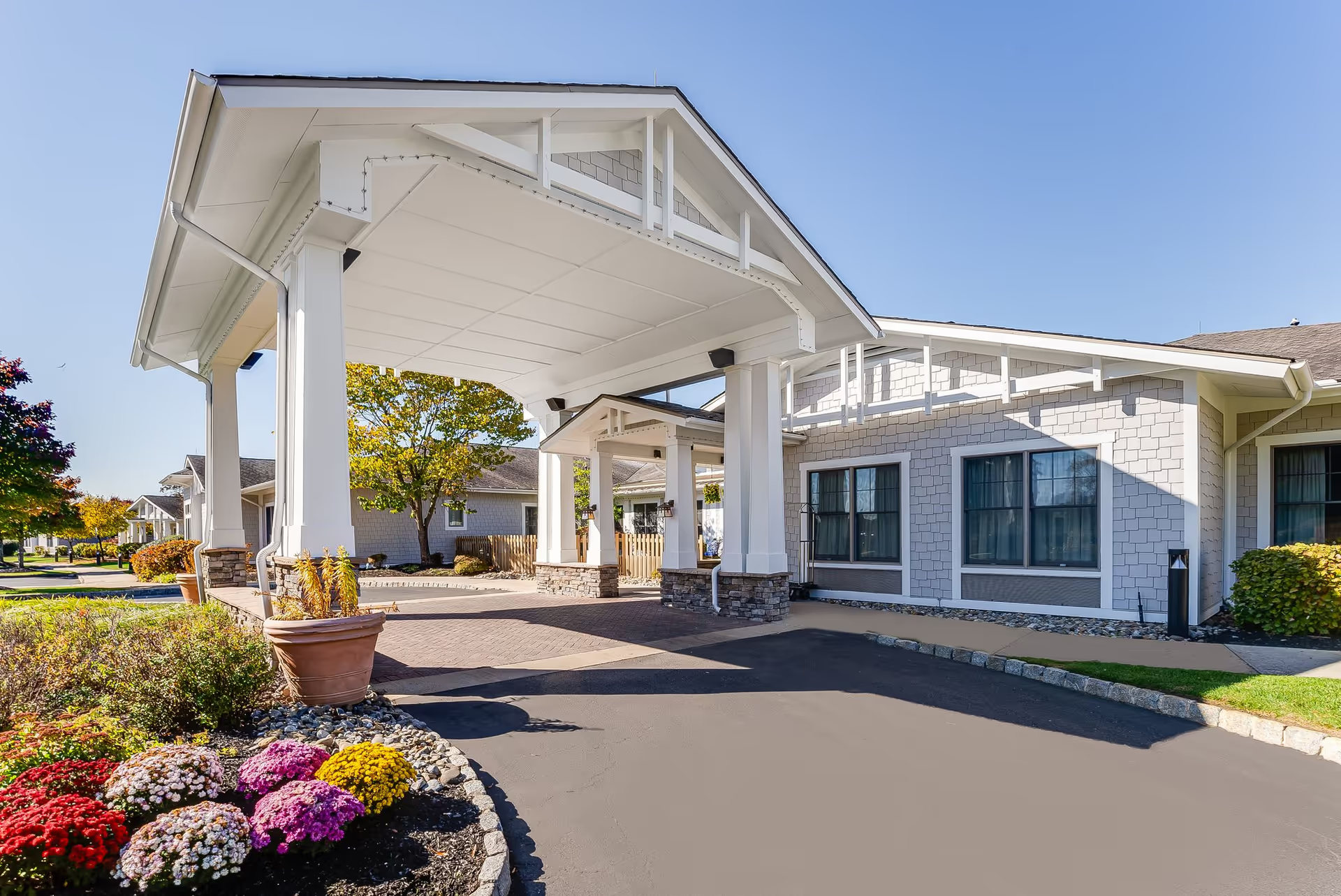
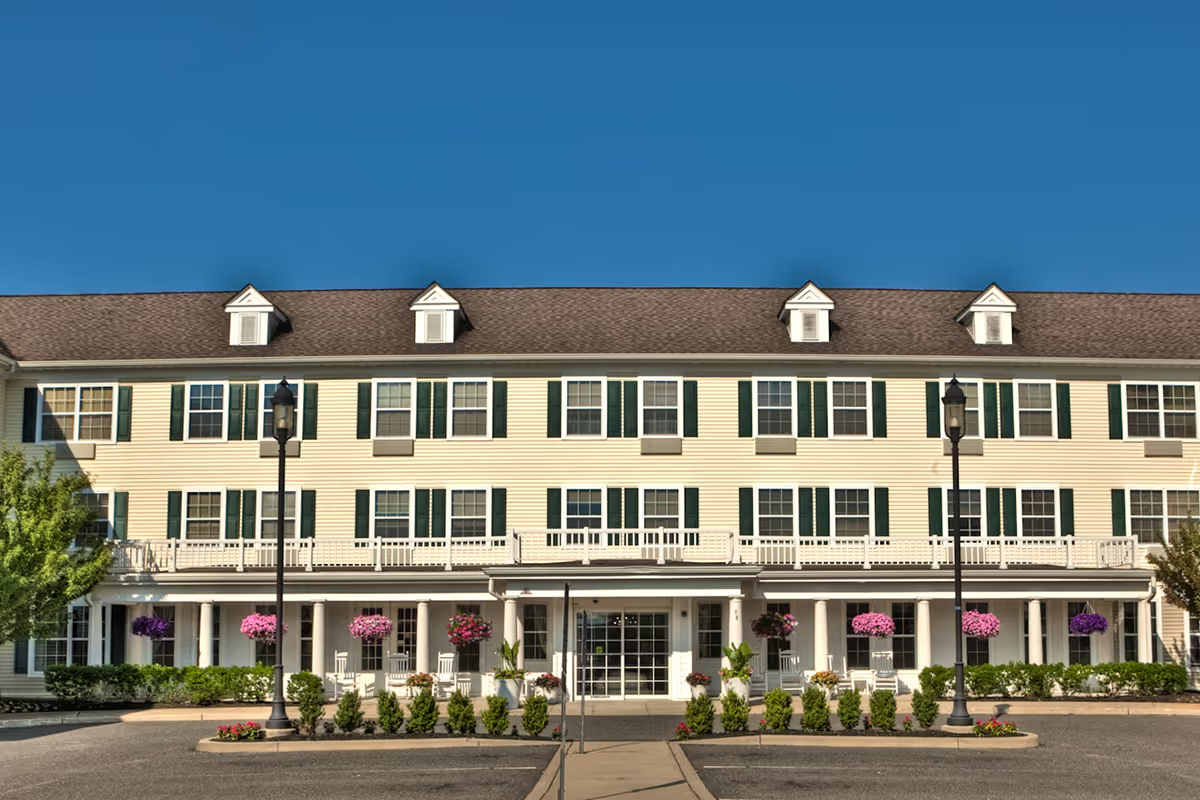
Facilities and environment: Parts of the community have been renovated and present an upscale, well-kept appearance; common areas are often described as clean and attractive. Conversely, several reviewers identified maintenance and environmental concerns such as moisture/mold issues, odor concerns, darker interior units with limited natural light, and variability in room size and layout (including smaller shared Medicaid rooms). These differences suggest that unit-level inspection is important during a visit.
Management, communication and finance: There are recurring comments about variable management responsiveness — examples include admissions communication problems, unreturned calls, and perceived slow responses to maintenance or conduct issues. Financial transparency is another area of concern: reviewers describe extra meal charges and, in at least one account, serious allegations about mishandled resident funds. Families should request clear written information about billing practices, resident-account safeguards, and escalation pathways for complaints.
Notable patterns and recommendations: The strongest, consistent strength is the quality of direct caregiving and the community’s social atmosphere. The principal operational weaknesses center on meal service, maintenance/cleanliness consistency, clinical staffing coverage, and management communication/financial transparency. Prospective residents and families should tour the specific unit under consideration, observe a mealtime and an activity, ask about overnight nursing coverage, request documentation of maintenance and pest/mold remediation practices, and get a written breakdown of fees and protections for resident funds. These targeted inquiries will help determine whether the facility’s strong caregiving culture aligns with the practical operational needs of a particular resident.