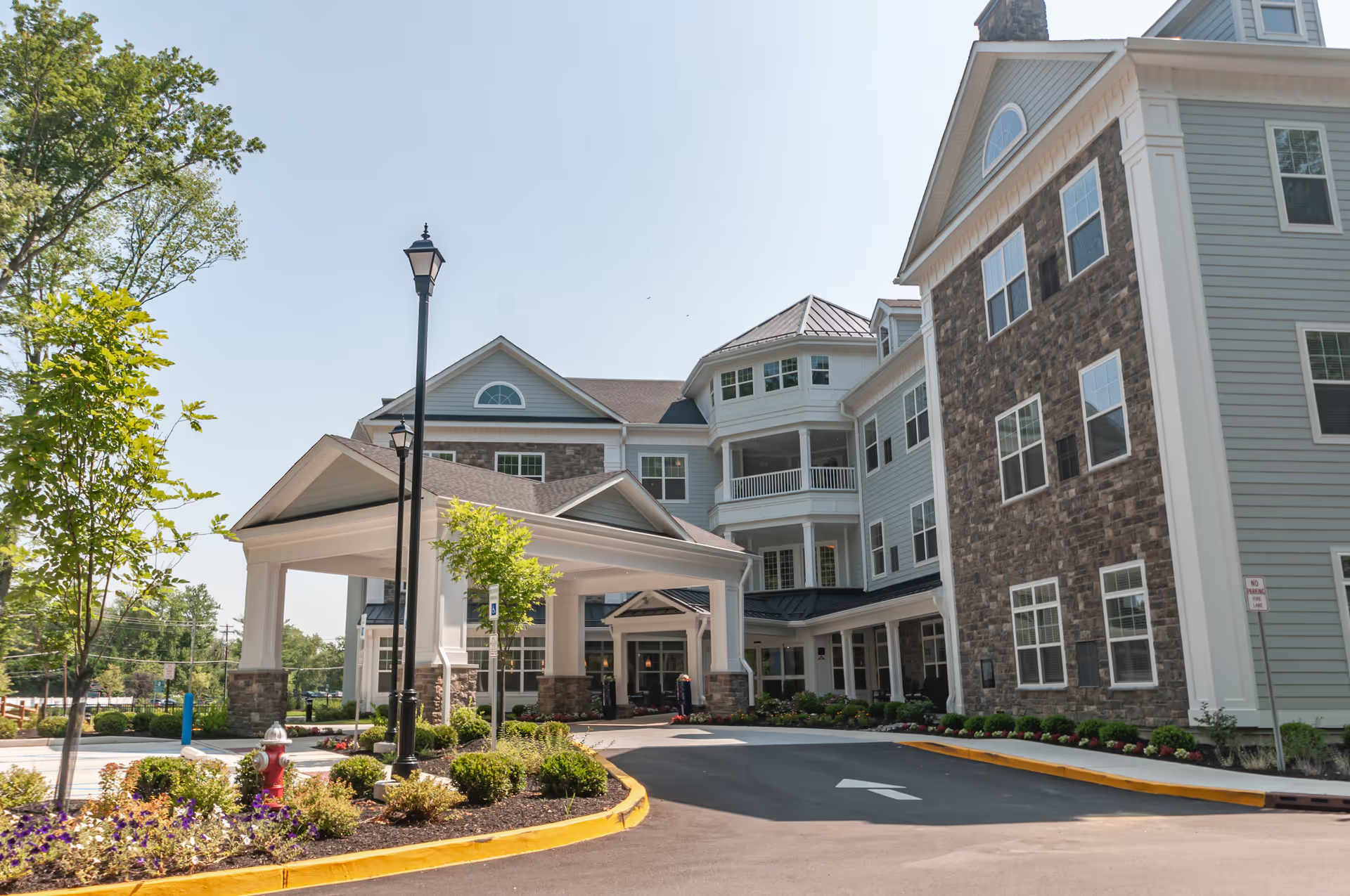
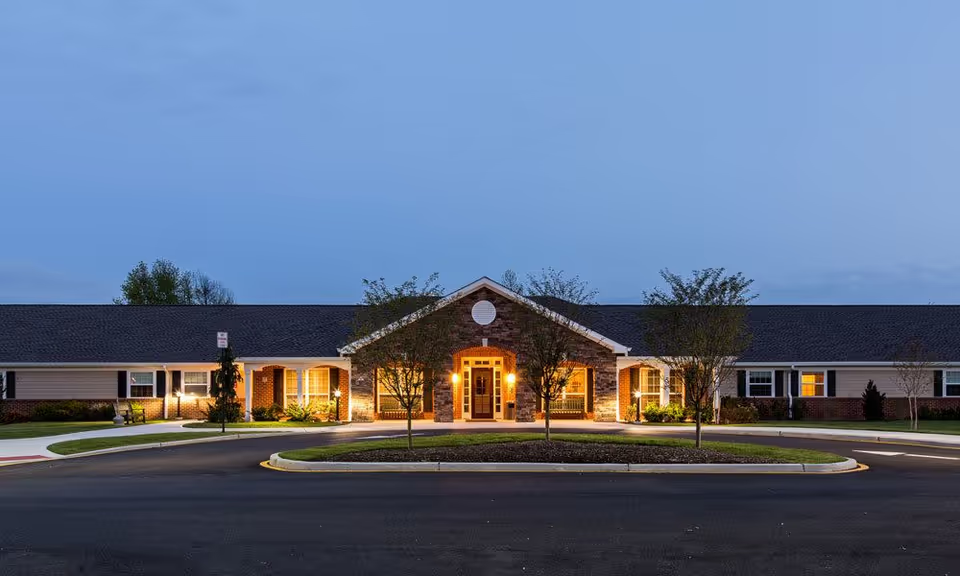
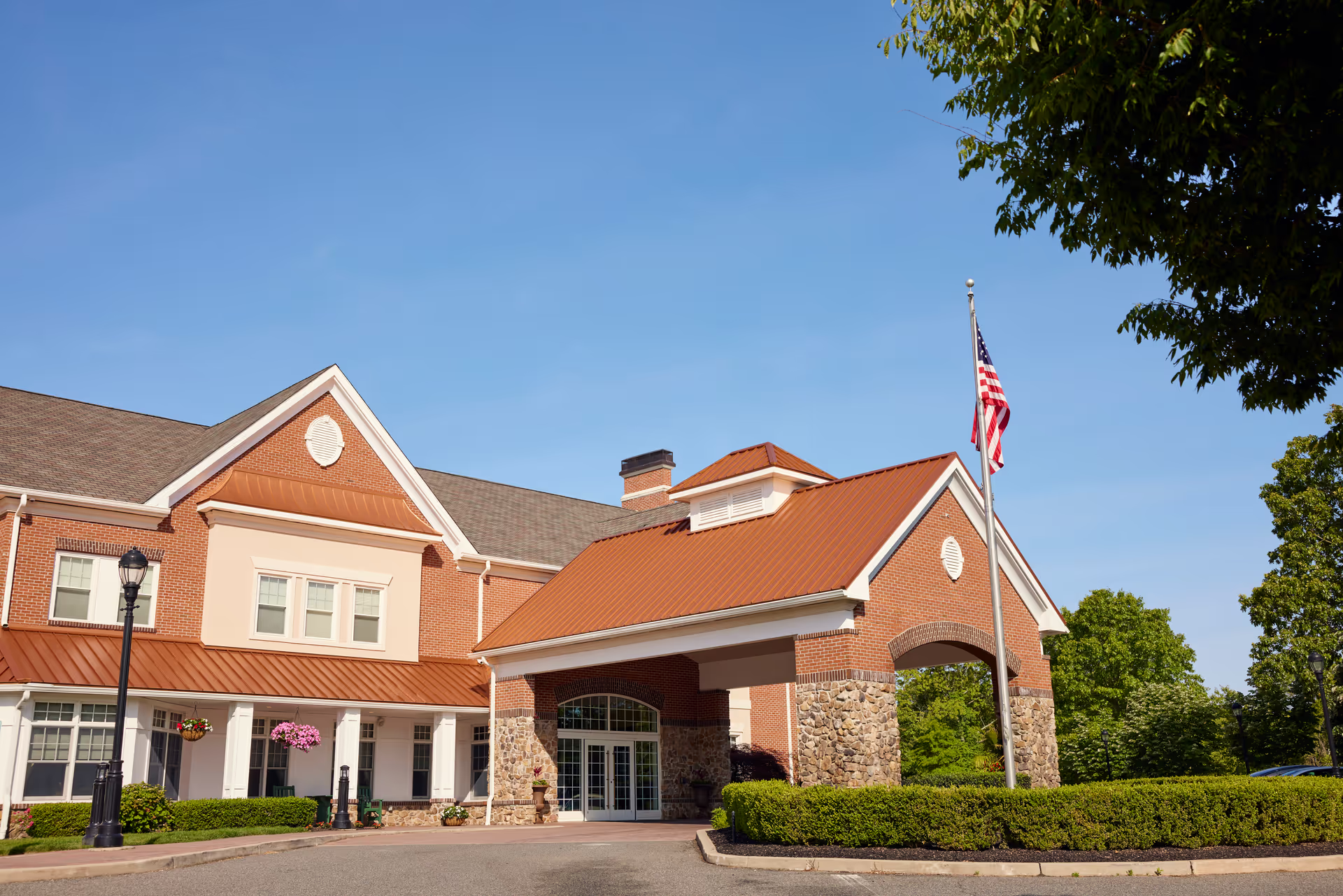
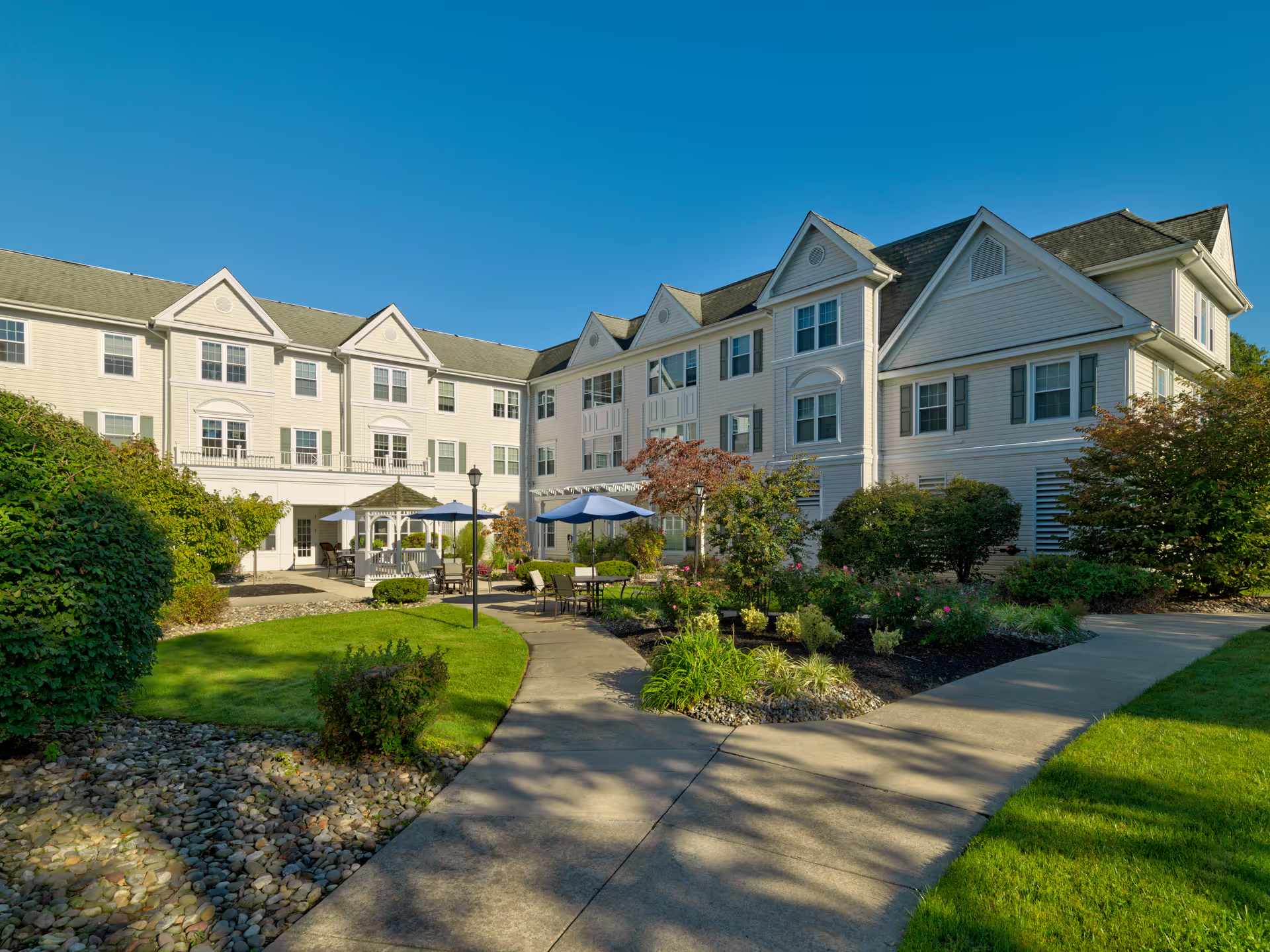
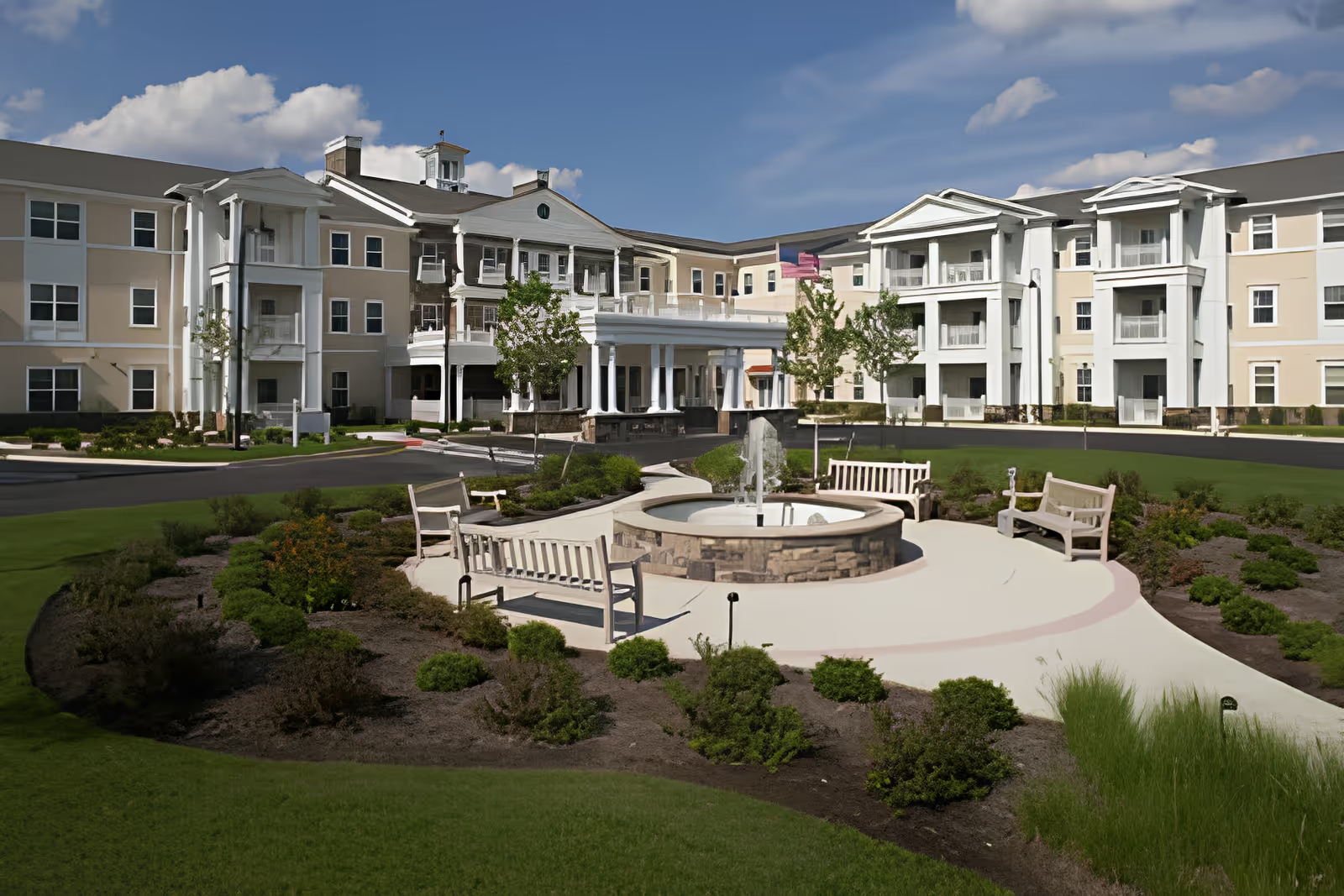
Brookdale Evesham elicits strongly mixed but consistent themes across family and resident accounts. Positive commentary centers on staff engagement, social programming, and the community environment: many describe warm, attentive caregivers, an active calendar (bingo, painting, exercise classes, trips such as casinos and boat rides), restaurant-style dining options, on-site PT and fitness resources, and a variety of apartment sizes that accommodate independent and assisted living needs. Residents and families frequently praise housekeeping and laundry inclusion, attractive common areas and courtyards, organized transportation for errands and outings, and admissions staff who facilitate transitions.
At the same time, a recurrent pattern of operational weaknesses appears in numerous accounts. Staffing level and responsiveness emerge as primary concerns: families report slow answers to call bells and alert systems, reduced coverage on weekends and nights, and delays in assistance for bathing and transfers. These staffing gaps correlate with other issues such as inconsistent meal delivery (temperature and timing problems), variable housekeeping and room maintenance (carpet tears, delayed repairs), and occasional lapses in medication timing and administration processes.
Clinical-capability limitations are another important pattern. While physical therapy and some nursing staff receive praise, the facility lacks robust on-site skilled-nursing and memory-care capacity according to several families, and some describe misalignment between advertised services and the care actually available. This has led to concerns about the facility’s ability to manage progressive clinical needs, and to a small number of families seeking transfers when needs increased. Training variability and language barriers among some aides and nurses are also noted as contributing factors to uneven care quality.
Dining is a polarizing area: many residents describe high-quality, restaurant-style meals and flexible dining arrangements, but others describe bland, overcooked, or lukewarm meals and logistical delays that reduce meal satisfaction. Several families described interest in opting out of dining services if pricing or food quality do not match expectations, which connects to broader concerns about pricing transparency. Multiple reviews cite confusing fee structures, extra charges for items or services expected to be included, and unclear final-cost communication during move-in.
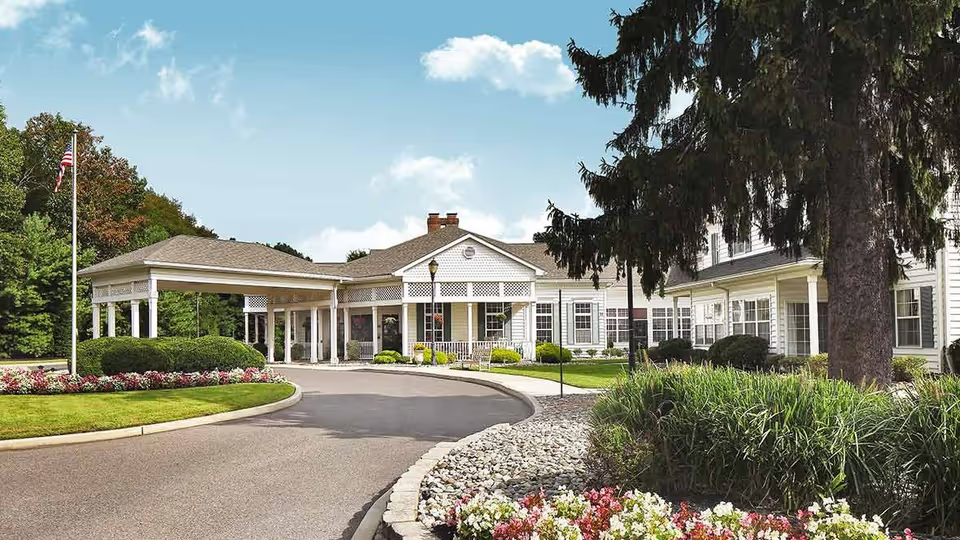
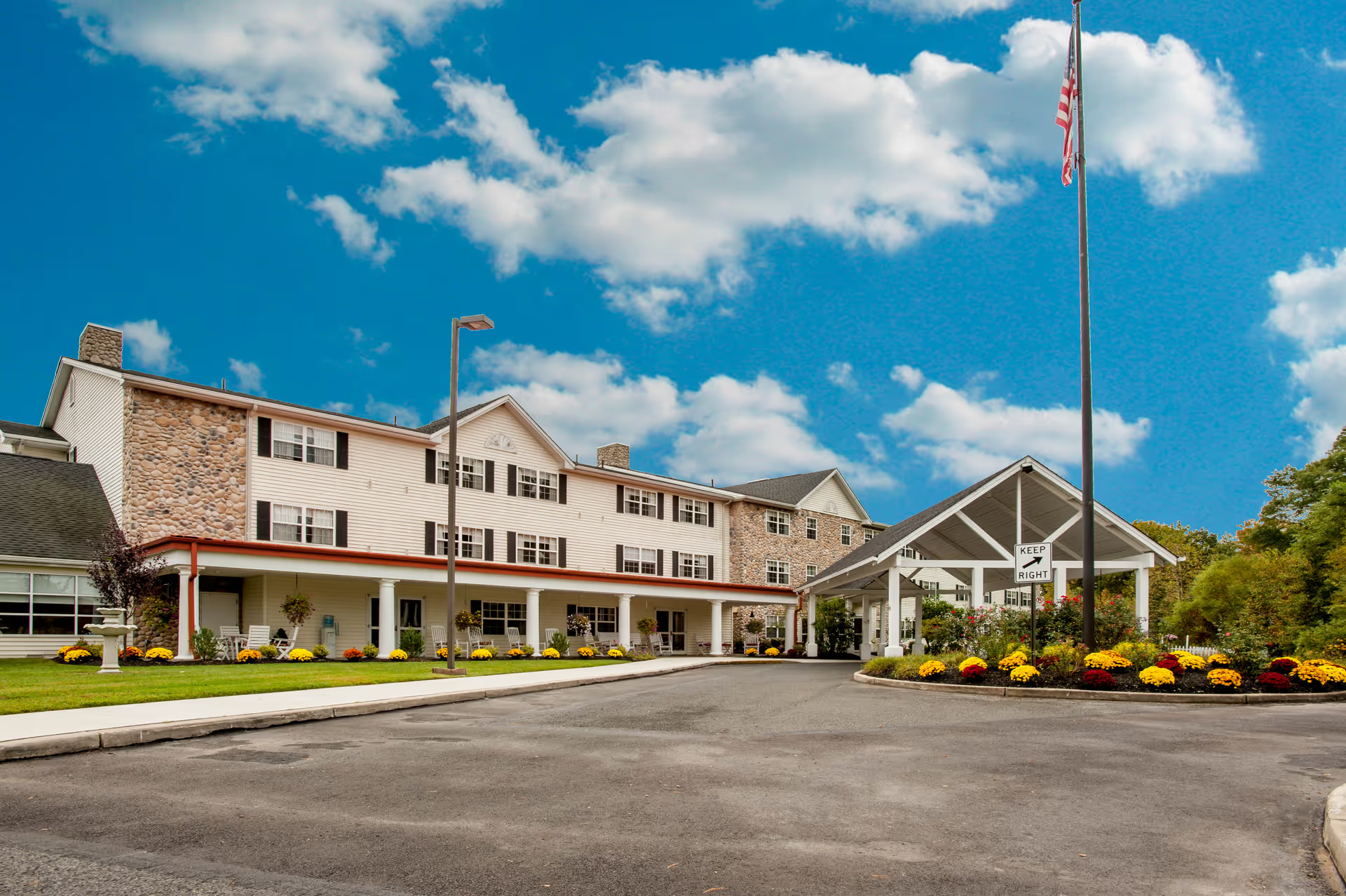
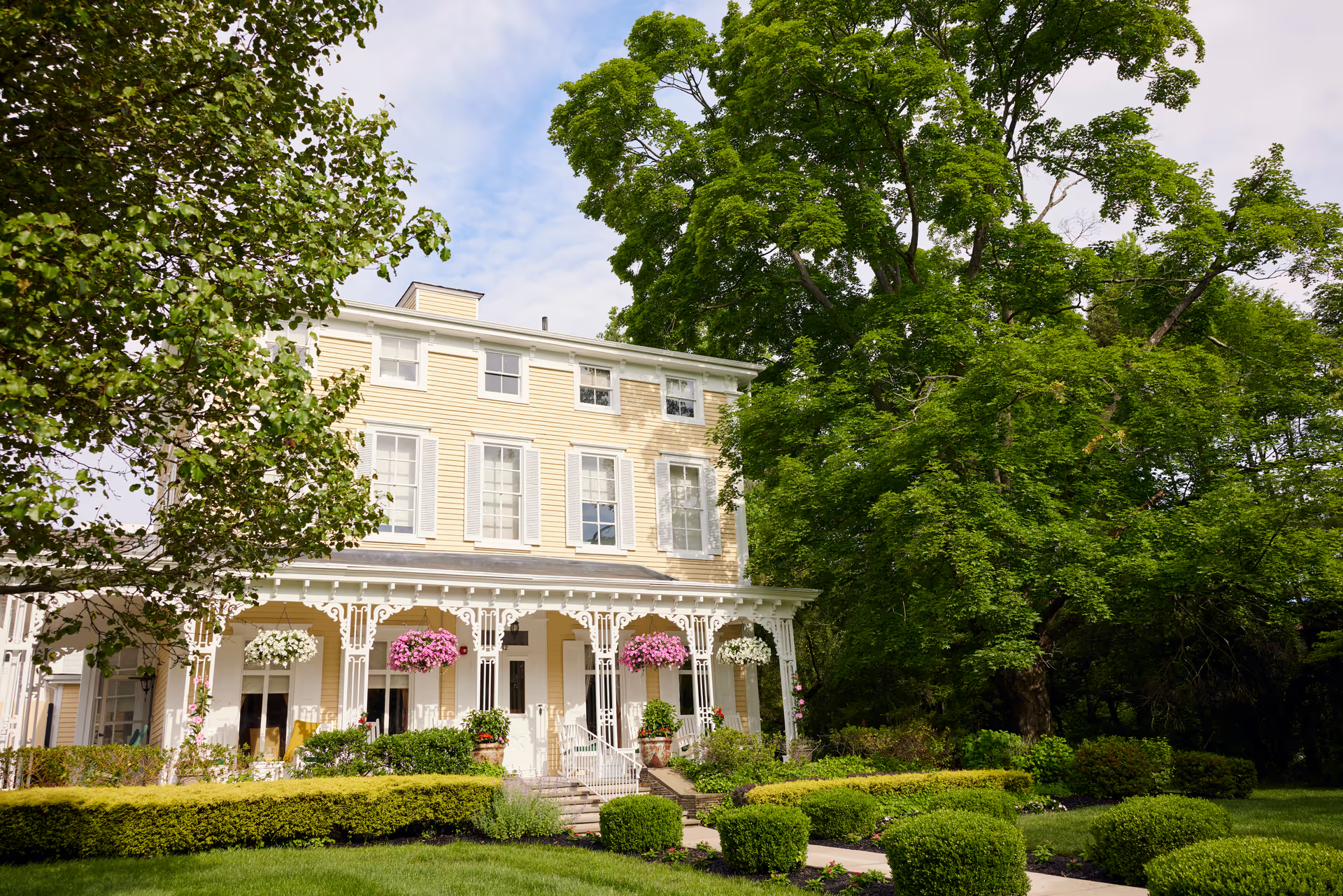
Facility condition and layout are mixed. Portions of the complex have been renovated and are described as clean, bright, and attractive, with accessible social spaces, salons, and private dining rooms. Conversely, other areas are characterized as older, with dated rooms, windowless or narrow corridors, bathtub-style bathrooms without walk-in showers, and wayfinding challenges that can be disorienting for residents. Maintenance responsiveness is generally praised in some accounts but inconsistent in others.
Management and communication present a split picture: some families commend administrators for supportive pandemic communication, individualized move-in help, and a welcoming culture; others describe inconsistent follow-up after assessments, difficulties resolving billing or service discrepancies, and a sense of mismatch between marketing and operational realities. Overall, Brookdale Evesham offers many of the social, environmental, and rehabilitative strengths families seek in senior living, but prospective residents with higher or progressing clinical needs — particularly those requiring reliable skilled nursing, rapid emergency response, or consistent memory-care services — should confirm staffing levels, clinical scope, emergency protocols, and fee transparency before committing.