Overview Voorhees Senior Living elicits a notably mixed but telltale pattern: many reviewers describe a warm, activity-rich, and socially engaging environment supported by a large contingent of staff who are described as compassionate, personable, and attentive. The facility’s strengths commonly cited include an active calendar of programs (crafts, music, outings, themed events and frequent live entertainment), on-site rehabilitation and medical services (PT/OT and regular physician visits), reliable transportation for appointments, and a generally well-maintained, renovated interior with pleasant common spaces and grounds. Several families praised the admissions/concierge process and the community’s ability to integrate new residents quickly into social life.
Care and staffing Clinical experience at Voorhees appears variable. Positive accounts point to hands-on nursing leadership and responsive caregiving on many shifts, with specific staff members and therapy teams singled out for strong performance. Counterbalancing that, a number of reviews raise operational concerns about inconsistent nursing oversight, chronic understaffing, and frequent use of agency or per-diem staff. Those patterns are associated with delayed responses to call alerts, lapses in routine personal-care tasks, and variability in weekend or off-shift coverage. There are also several critiques highlighting gaps in dementia-specific training and inconsistent approaches to residents with cognitive impairment. One or more reviews included an allegation of resident mistreatment and significant sanitation concerns; such claims are among the most serious and warrant direct follow-up with the provider and, if appropriate, regulatory authorities.
Dining and housekeeping Dining impressions are polarized. Many reviewers praise the dining program for variety, presentation, special events (for example, themed desserts and family dinners), and friendly dining-room servers. At the same time, other families note inconsistent meal quality, repetitive menus (especially at breakfast), and occasional dissatisfaction with specific dishes or lack of a dedicated dietitian. Housekeeping and laundry performance is similarly mixed: several reviews describe consistently clean rooms and well-kept common areas, whereas others describe inconsistent housekeeping standards, laundry processing issues, and sanitation concerns in particular units. These inconsistencies suggest that housekeeping protocols may be unevenly applied across the community.
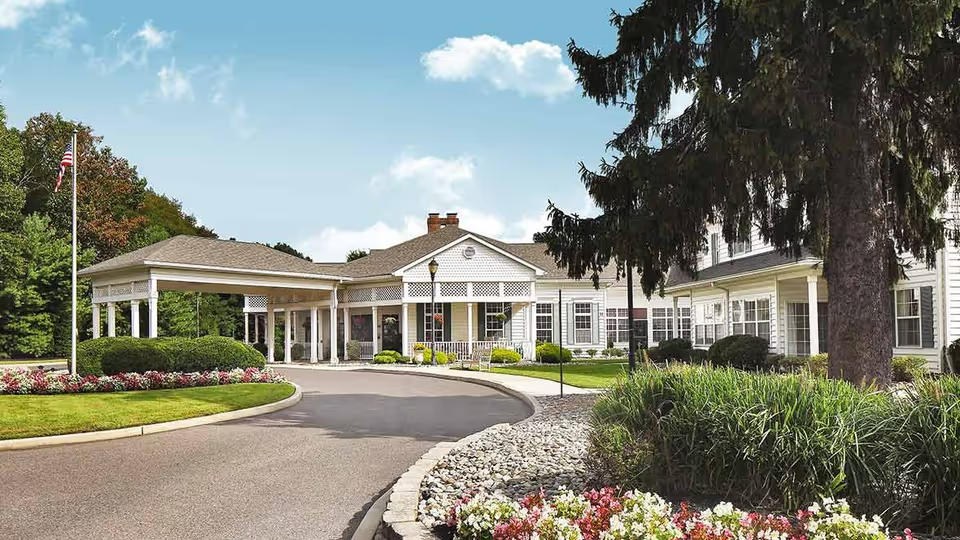
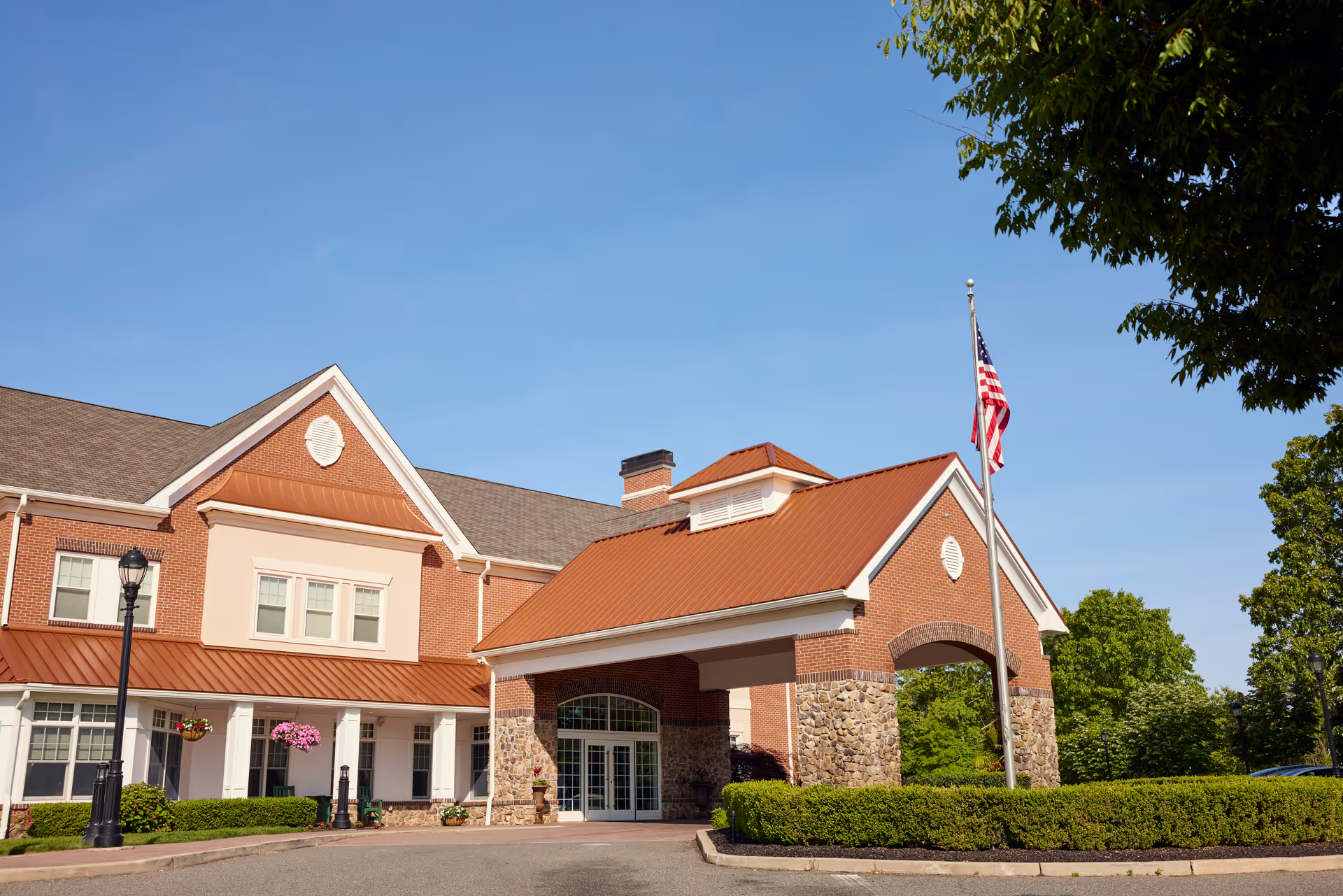
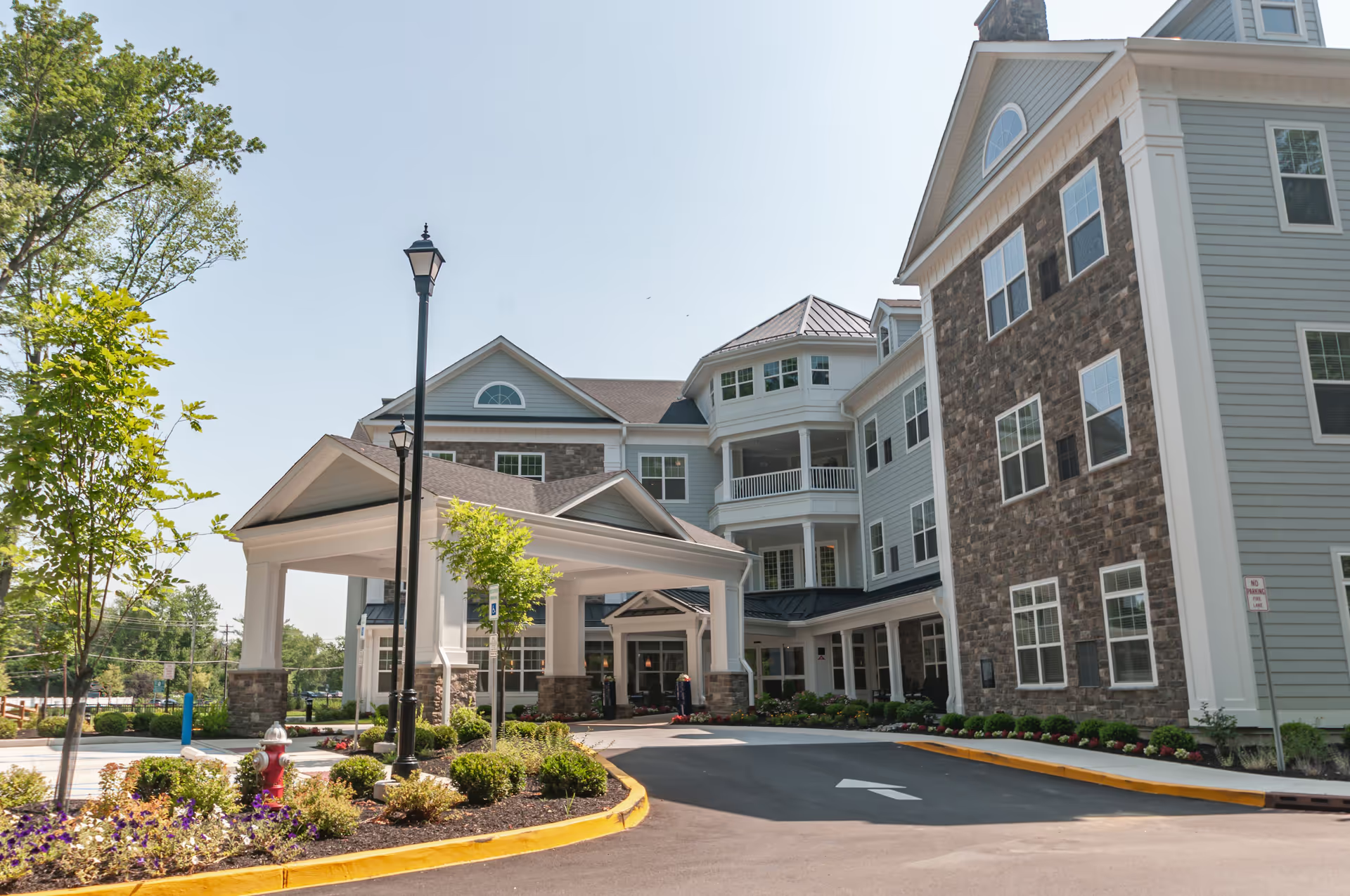
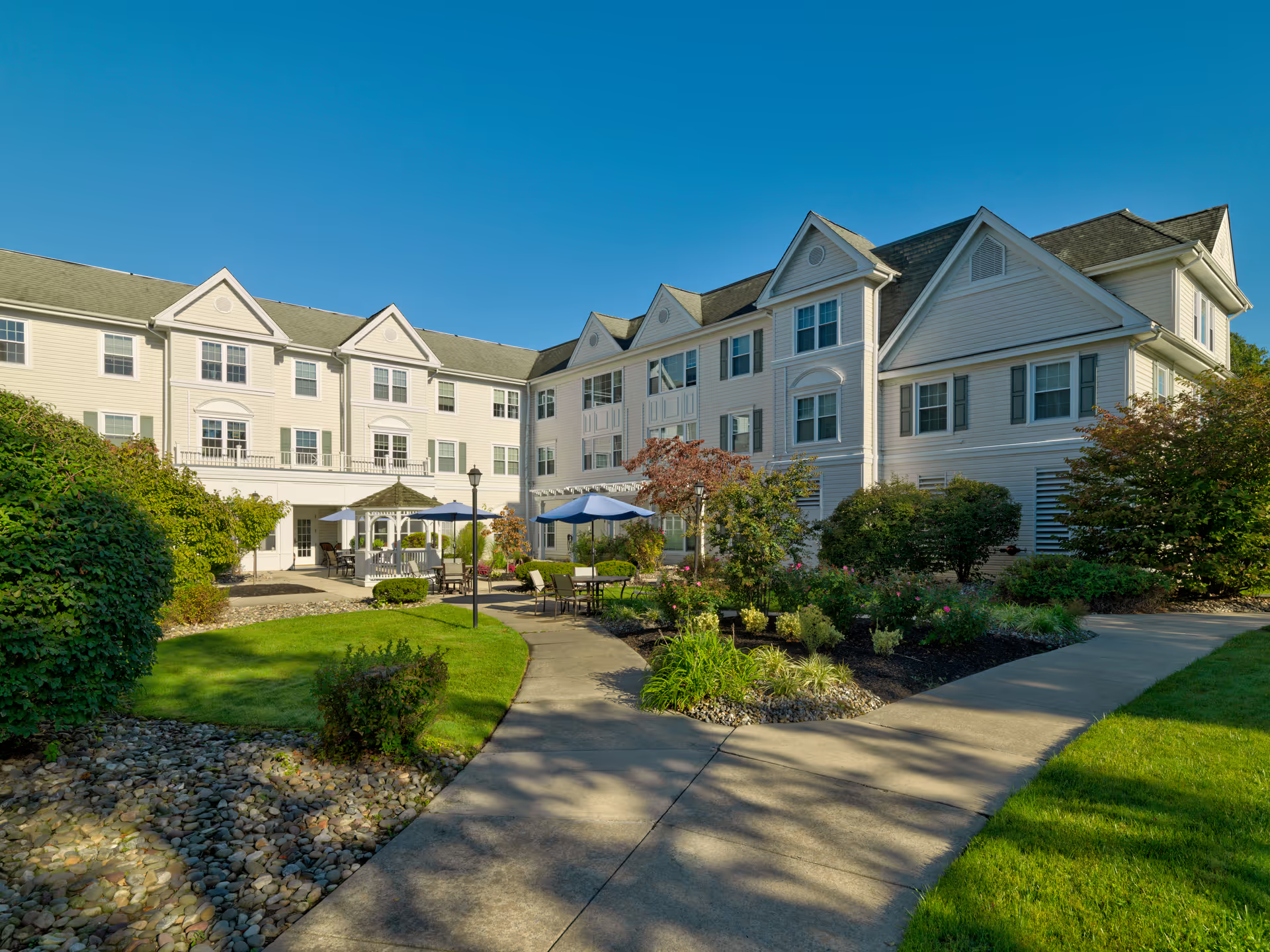
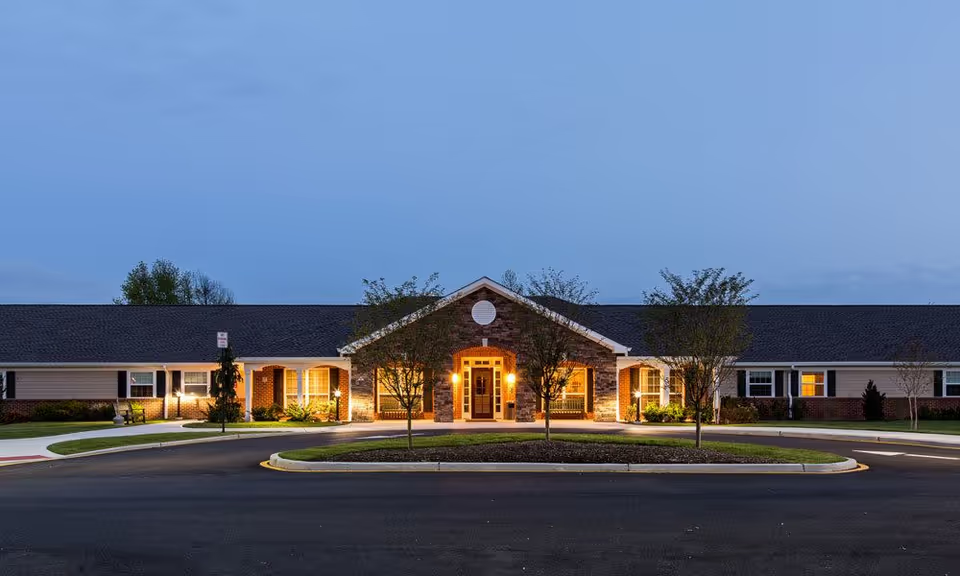
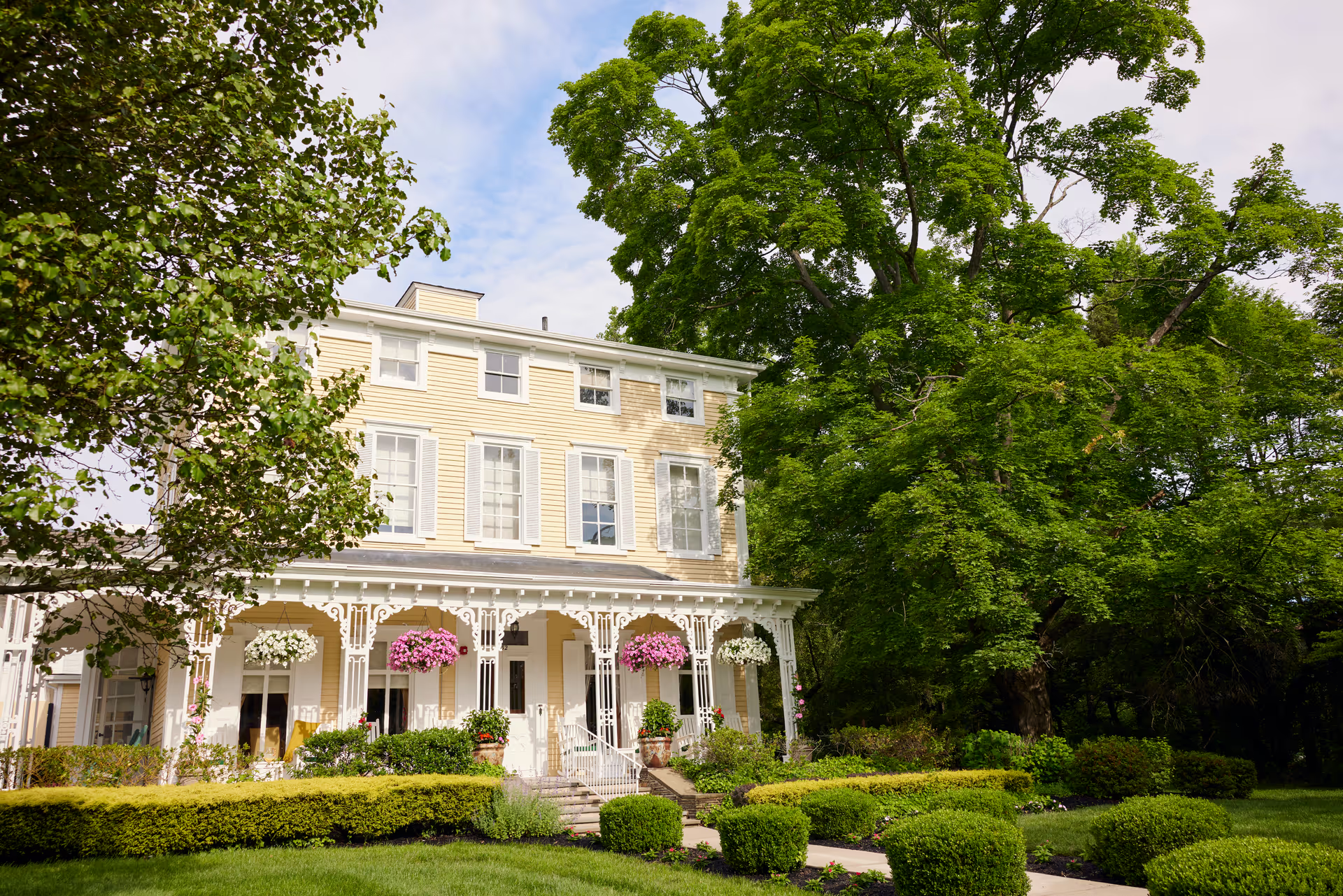
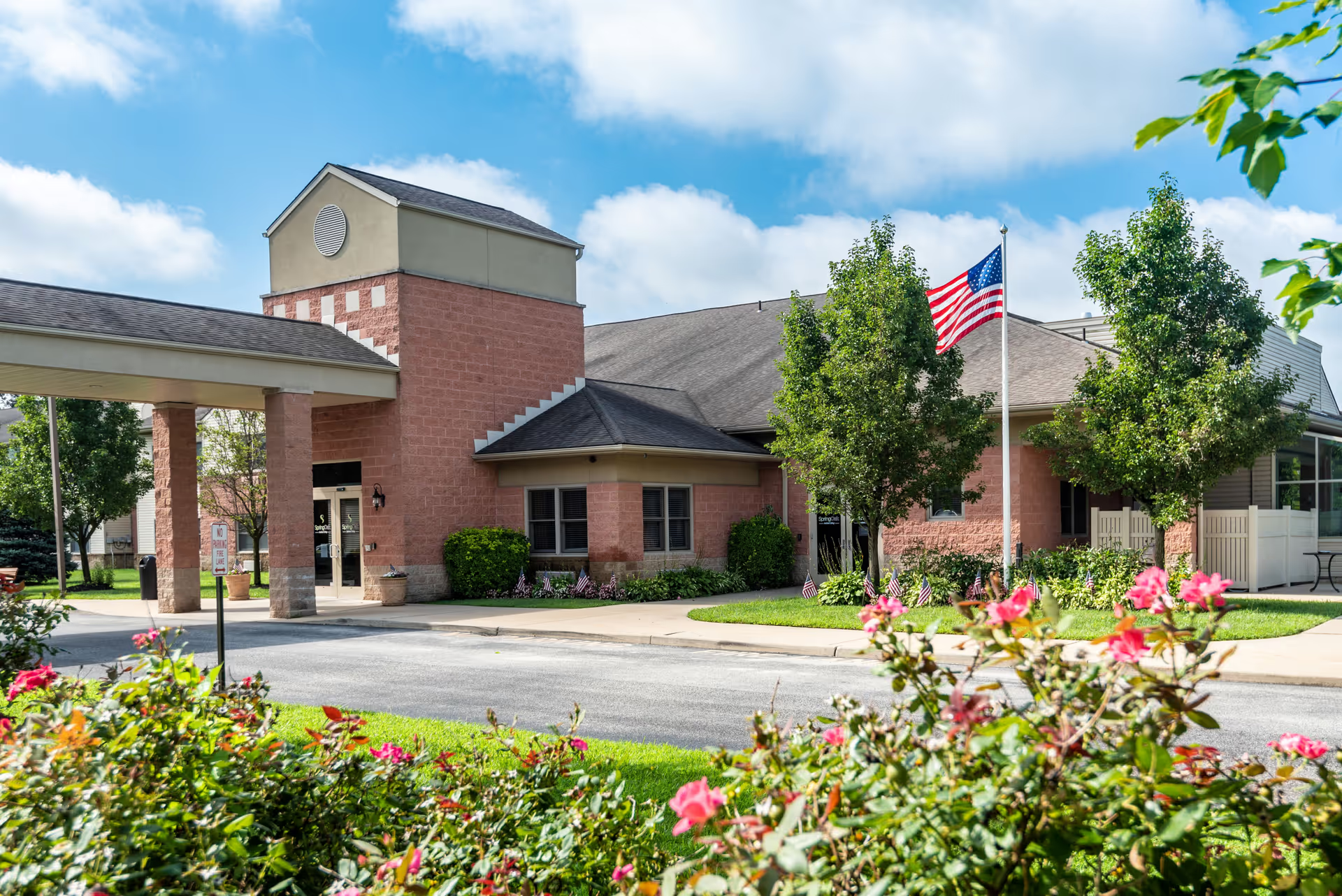
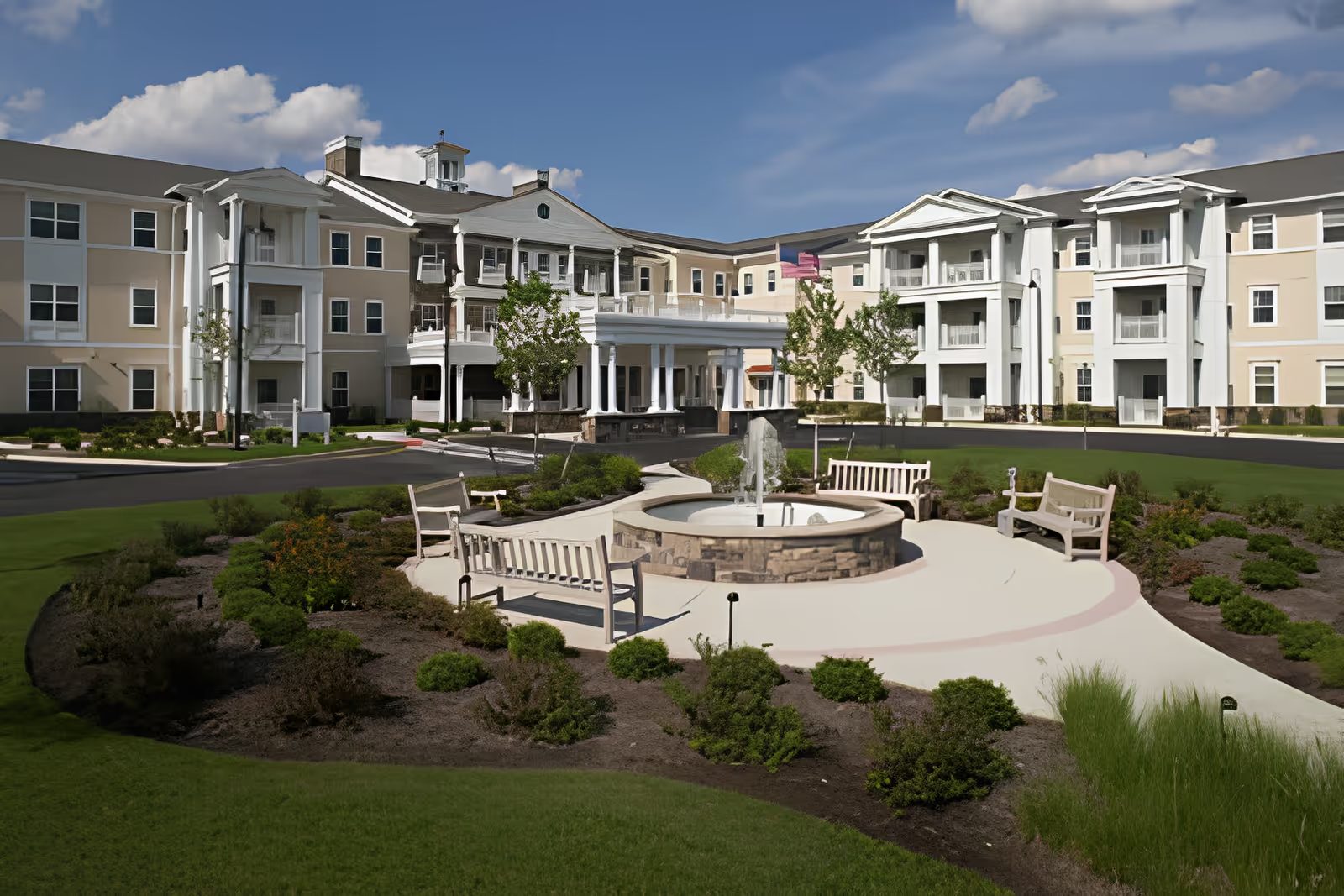
Facilities and operations The physical plant receives generally favorable comments: renovated interiors, attractive grounds, bright dining rooms, and a compact layout convenient to common areas. Some units and bathrooms were described as older or in need of additional renovation, and reviewers mentioned isolated maintenance items (broken washer, trash-chute problems, limited shower availability on some floors). Operationally, some families perceived a decline in service after corporate acquisition or merger activity, citing changes in staffing, administrative turnover, and shifts in responsiveness.
Management, communication, and billing Management impressions are mixed. Several reviewers commend accessible, hardworking administrators and specific directors (admissions or nursing) for responsiveness and problem resolution. Others report frequent leadership turnover, evasive communication, and unresolved concerns about billing accuracy and care-level documentation. Miscommunication between shifts and inconsistent family updates appear to be recurrent themes. Prospective families should clarify billing practices, escalation pathways for clinical or housekeeping concerns, and expectations around staffing continuity.
Patterns and recommendations Voorhees Senior Living offers considerable upside in social programming, therapy services, on-site medical access, and a welcoming community atmosphere when staffing and supervision are functioning well. However, reviewers identify a set of operational risks that warrant attention: inconsistent nursing oversight, staffing volatility (especially reliance on agency staff), uneven housekeeping/laundry practices, and episodic dining variability. Prospective residents and families should (1) tour during multiple times of day and on weekends to assess shift differences, (2) ask about dementia training, staffing ratios, and agency usage, (3) inquire about housekeeping and laundry protocols and quality-control checks, (4) verify medication-supply and emergency-response procedures, and (5) review billing and care-level documentation practices. Doing so will help determine whether the facility’s frequently praised strengths align with an individual resident’s care needs and expectations.