Overall impression: Sunnyside Manor is described predominantly as a small, family‑owned community that provides personalized, attentive care. Reviewers consistently highlight a warm, home‑like atmosphere created by long‑tenured staff and family management. Strengths frequently cited include a broad continuum of services—skilled nursing, memory care, in‑house rehabilitation, and hospice support—combined with an active social program and well‑maintained physical spaces.
Care and staff: The caregiving team receives substantial praise for compassion, resident familiarity (staff knowing residents by name), and dedication. Several accounts emphasize continuity of caregivers, effective rehab outcomes (including twice‑daily physical therapy in some cases), and positive experiences with nursing and therapy teams. Families report that staff often provide personalized attention during transitions and end‑of‑life periods. At the same time, there are operational concerns to note: reviewers point to inconsistent staffing levels and variability in day‑to‑day attention, particularly for residents with dementia. There are also recurring comments suggesting gaps in dementia‑care protocols and occasional delays in clinical responsiveness.
Dining and activities: Dining is a clear strength—numerous comments describe meals as delicious and varied. The community also offers a robust activities calendar including arts and crafts, exercise classes, outings, bus trips, and therapy‑animal visits. These programs are credited with supporting residents’ social engagement and overall wellbeing.
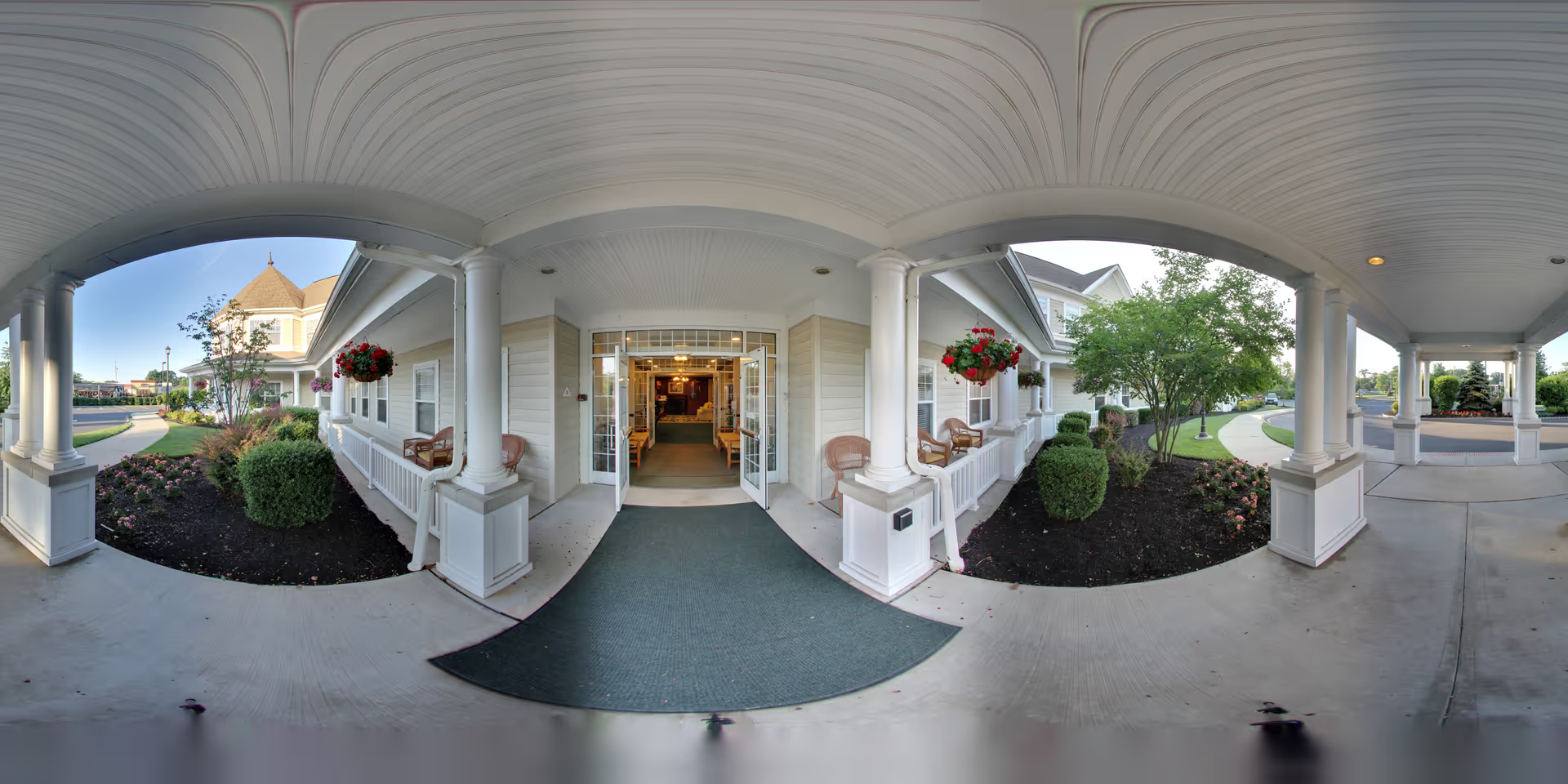
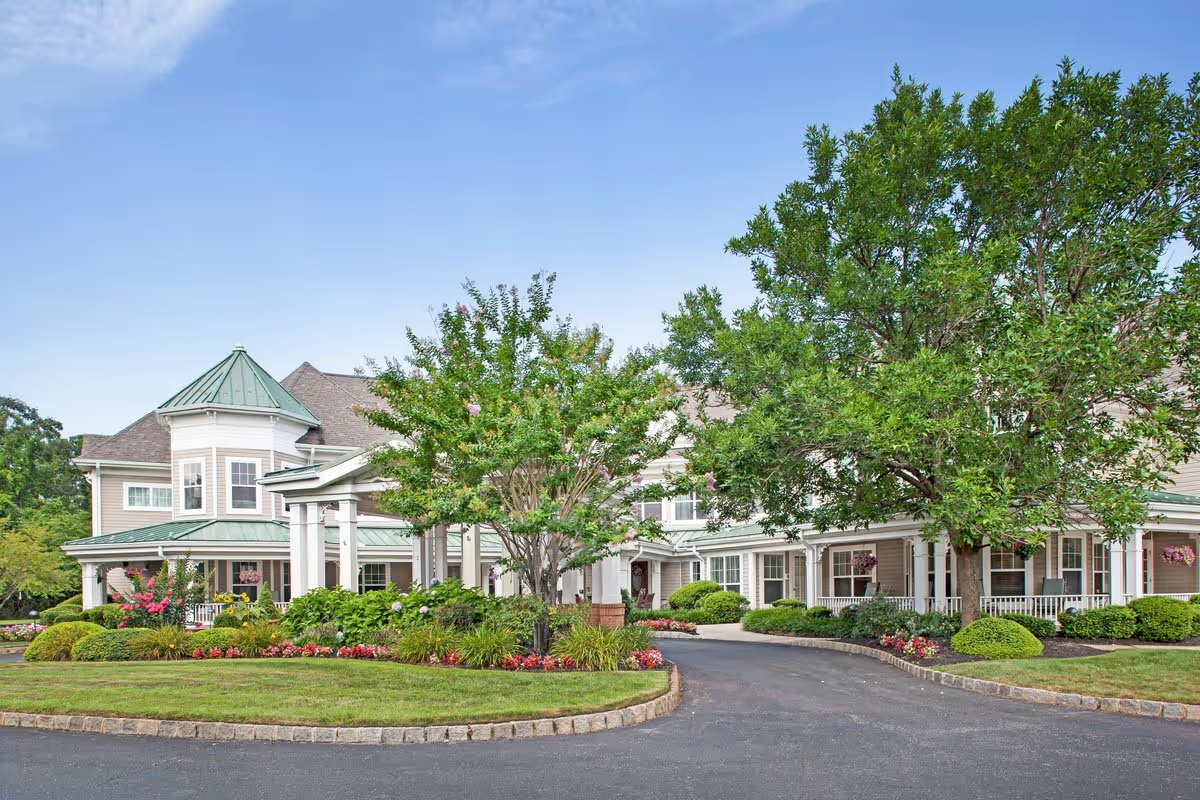
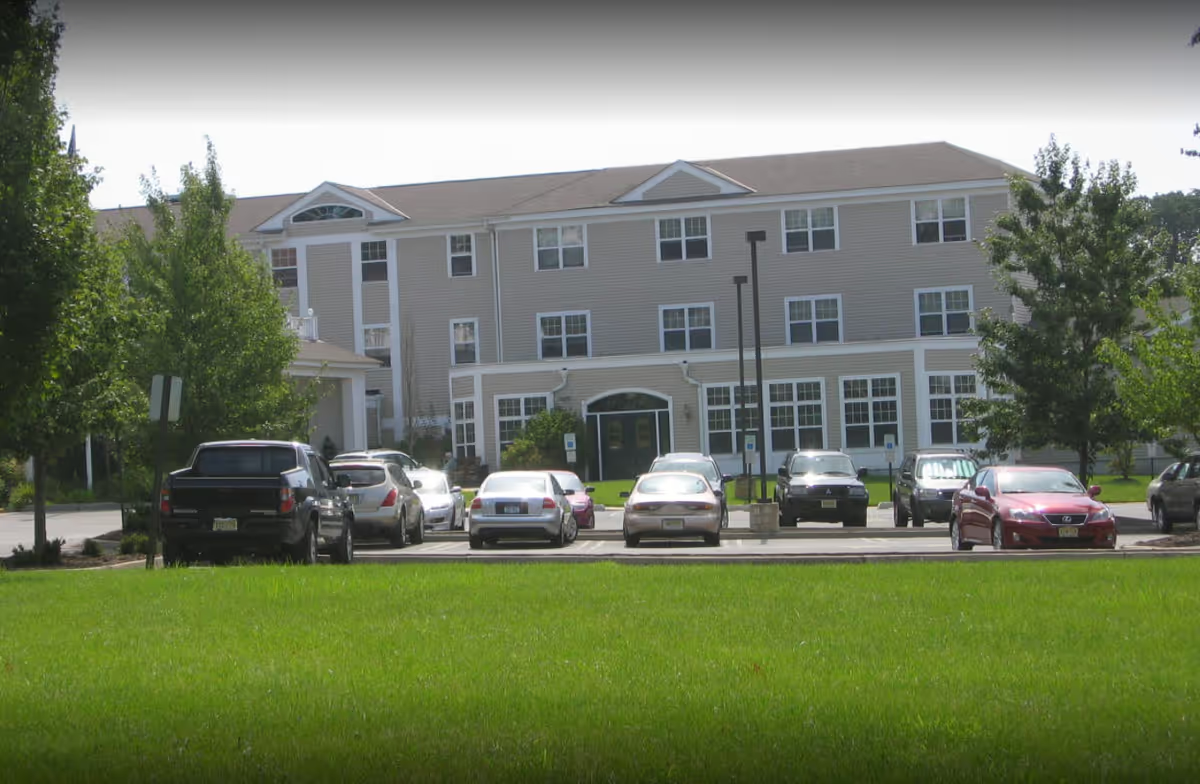
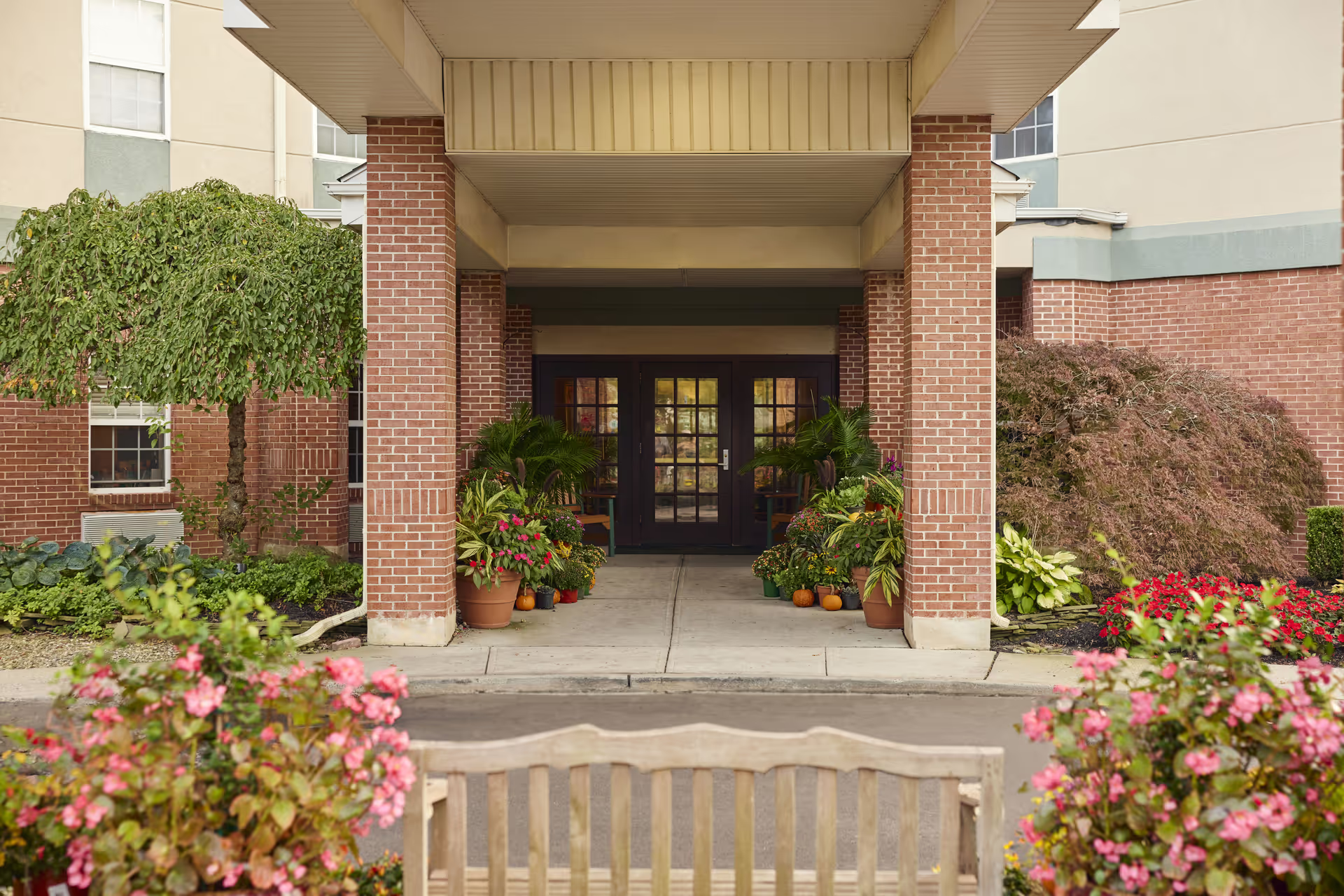
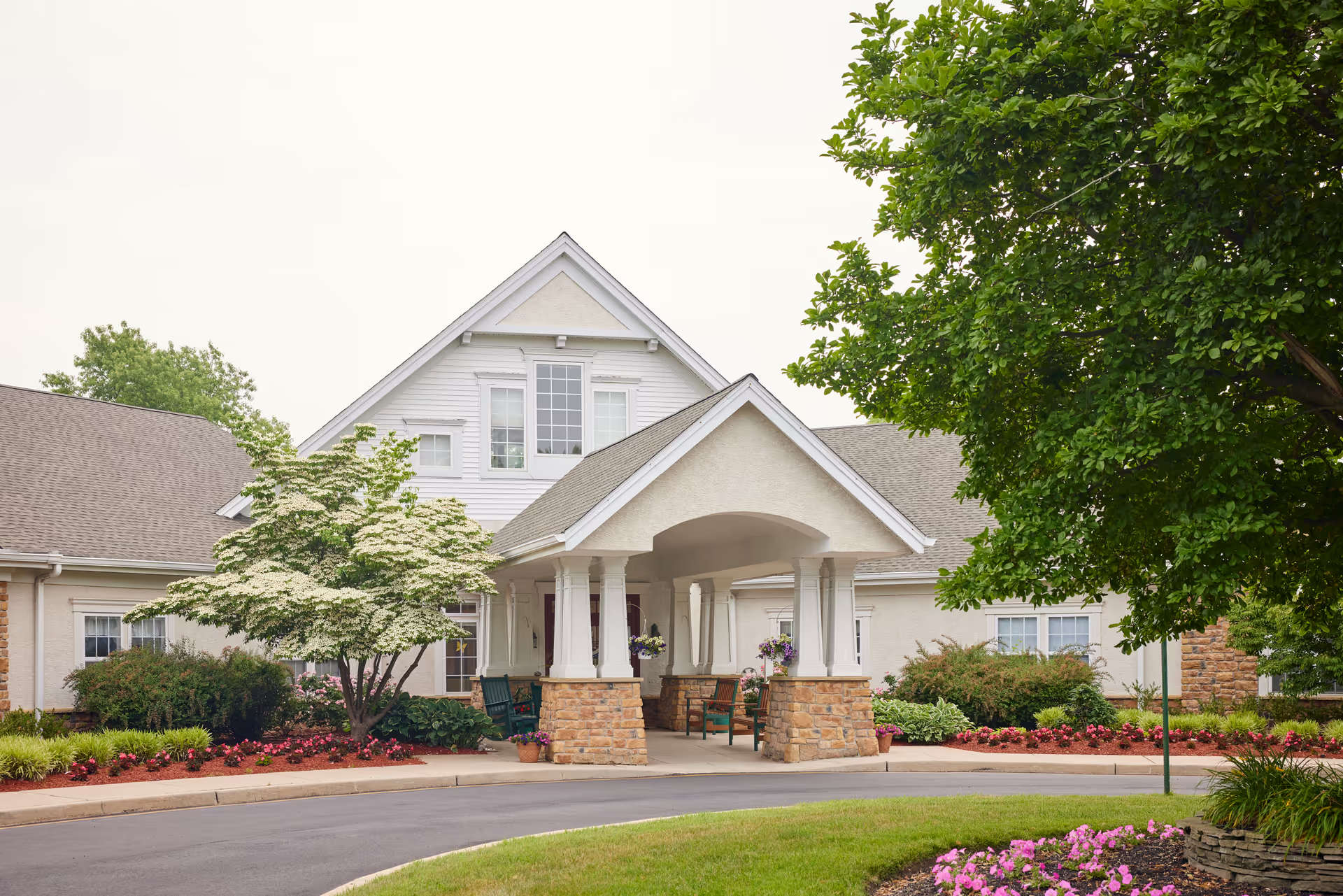
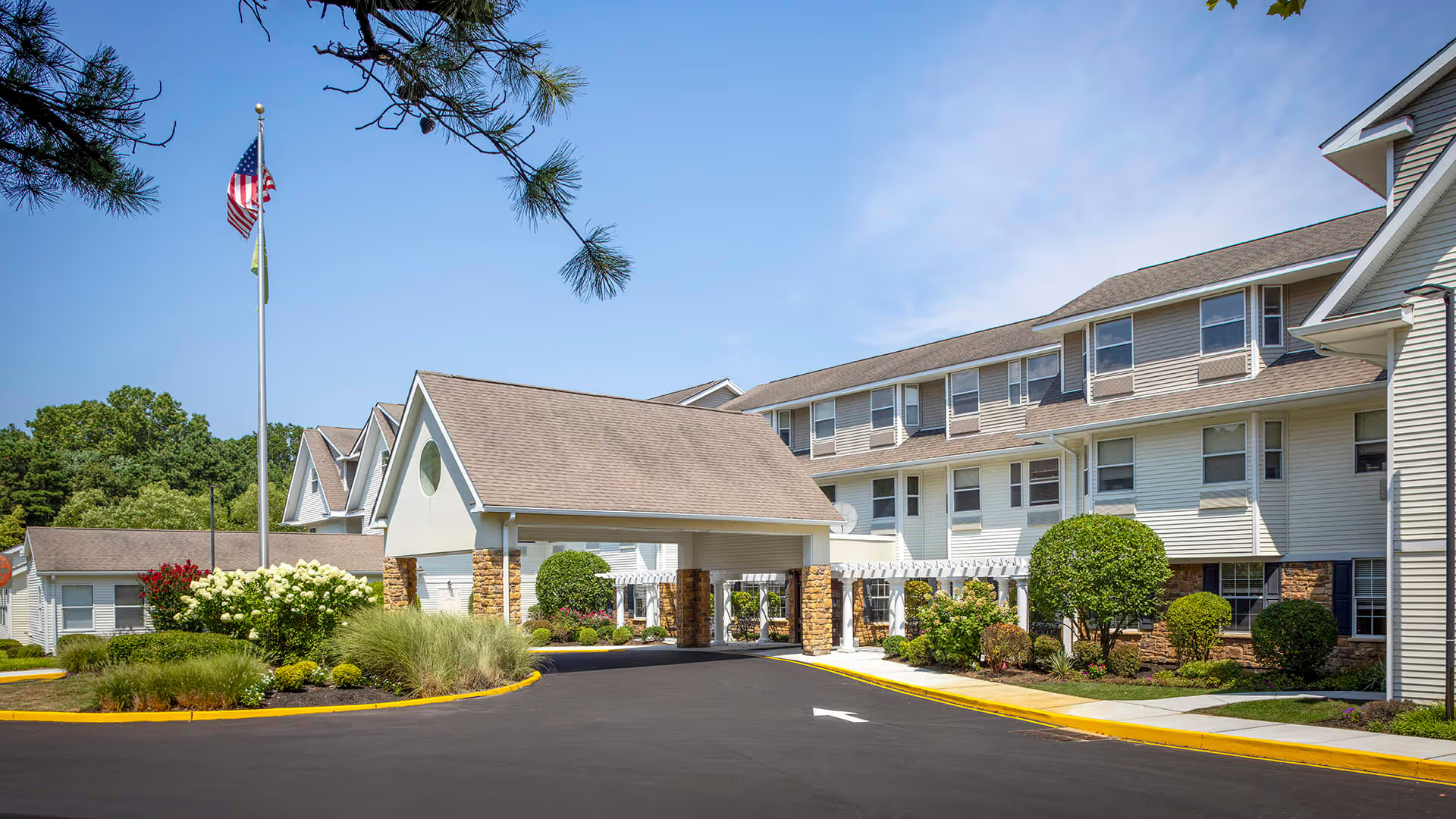
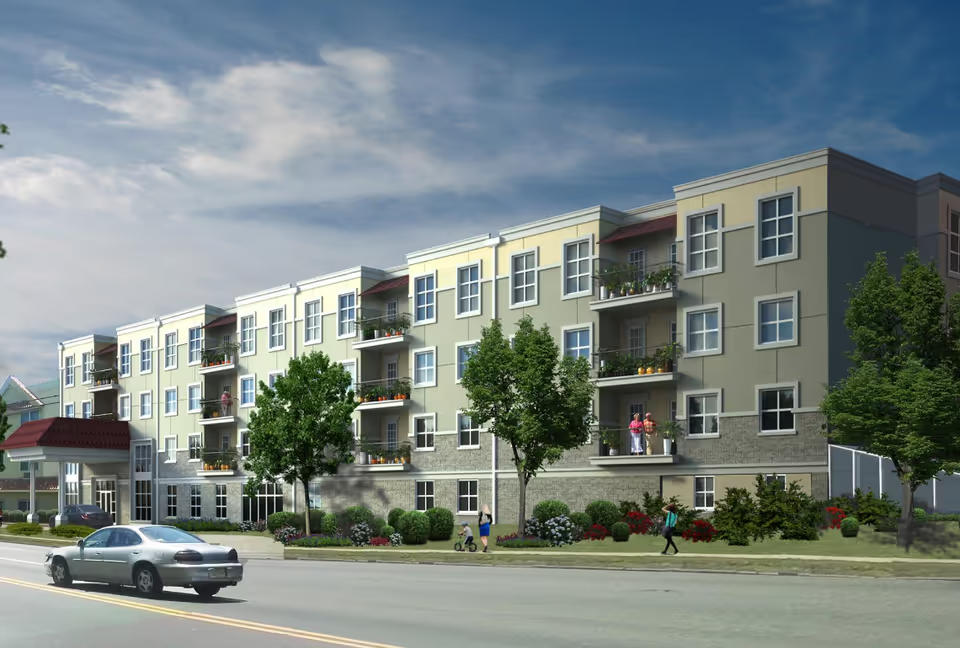
Facilities and location: Sunnyside Manor is described as clean, bright, and well cared for, with cheerful common areas, patios, and a courtyard. Rooms are noted as modern and well appointed, though a few reviewers mentioned that some resident rooms are on the smaller side. The location near the beach and the presence of accessible outdoor spaces are seen as positive attributes.
Management and communication: The family‑owned management style is repeatedly framed as attentive and welcoming, with staff and leadership who are accessible to families. Many families report regular updates and inclusive communication. However, some reviews raise concerns about transparency and how the facility escalates or documents incidents; these concerns include references to pressure around reporting and a desire for clearer incident‑reporting practices.
Notable patterns and cautions: While the majority of feedback is positive, there are isolated but serious negative accounts describing clinical lapses, medication‑management issues, and delays in emergency response. These descriptions point to facility‑level operational weaknesses—notably inconsistent staffing and emergency escalation processes—that prospective families should investigate. There are also remarks about variability in staff attentiveness and limited outdoor amenity programming for some residents.
Practical recommendations: Prospective residents and families should balance the strong indicators of personalized care, effective rehab services, high‑quality dining, and active programming against the operational concerns noted. When touring or interviewing the community, ask for current staffing ratios (day/night and for memory care), dementia‑care protocols, medication‑management procedures, typical emergency response/transfer processes, examples of incident reporting and follow‑up, and schedules for therapy services. Speaking with current families and observing mealtimes and an activity session can help validate the aspects most important to your situation.