Tower Lodge is presented in reviews primarily as a small, personal long-term care community with a staff-centered culture. Families and visitors frequently describe nursing staff, aides, therapists, and social-work personnel as compassionate, warm, and engaged; many accounts emphasize individualized attention, staff knowing residents by name, and administrators who are approachable and responsive. Clinical services such as skilled nursing, physical therapy, and memory-care programming receive favorable mention, and several families highlighted comfortable, pain-focused end-of-life care and prompt communication about changing needs.
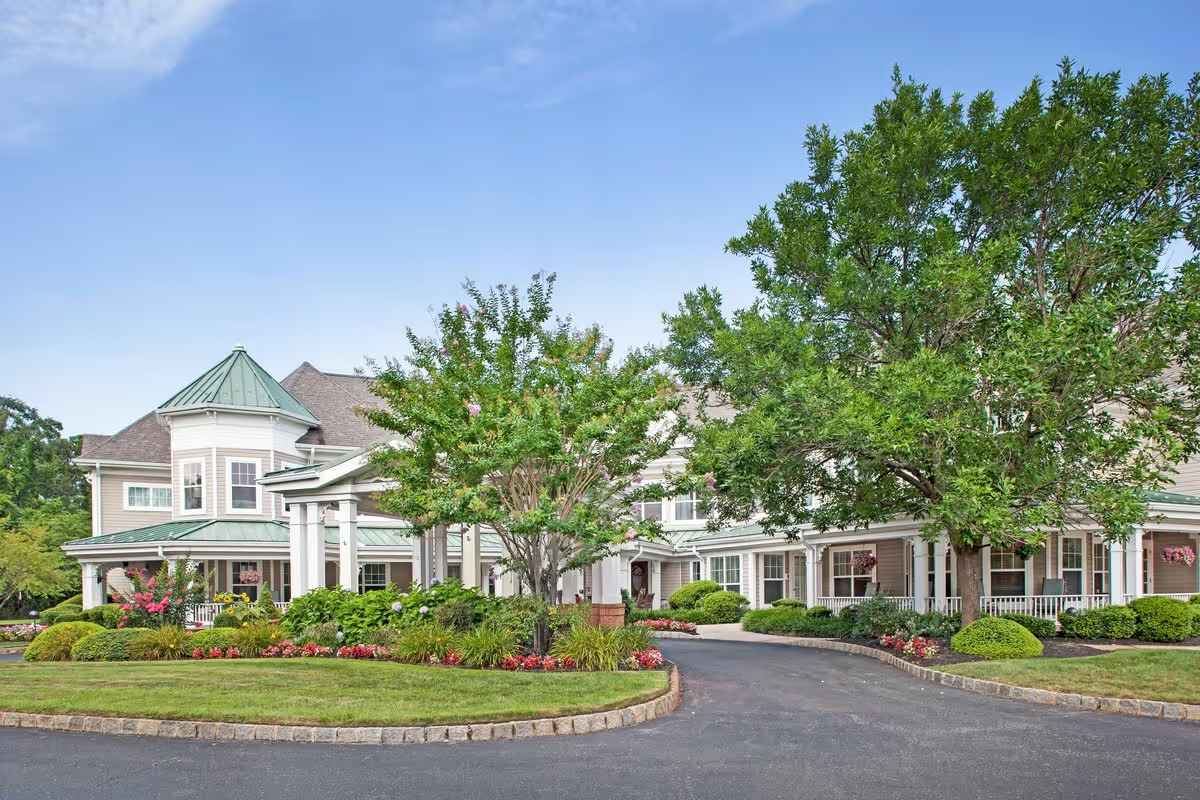
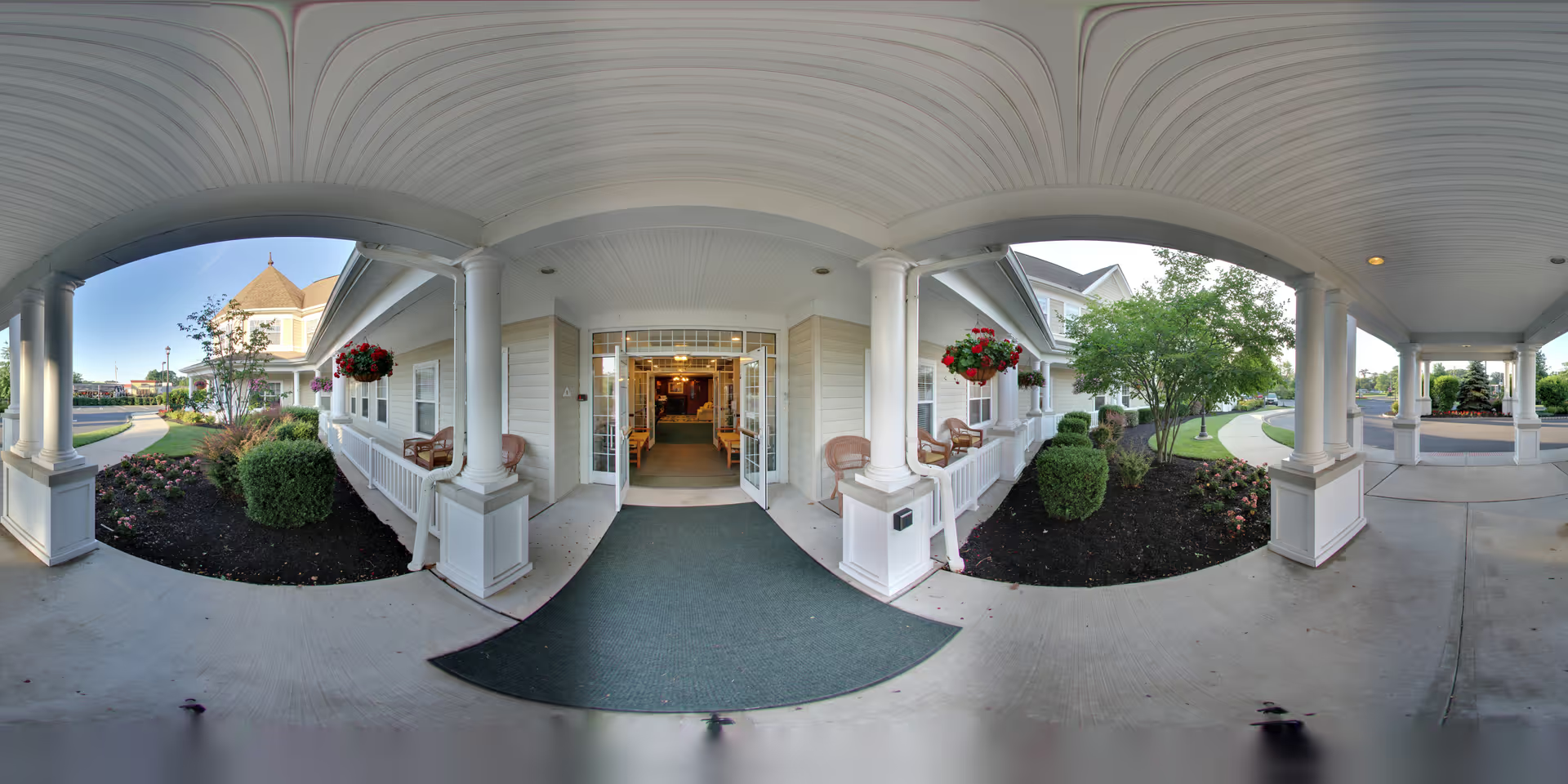
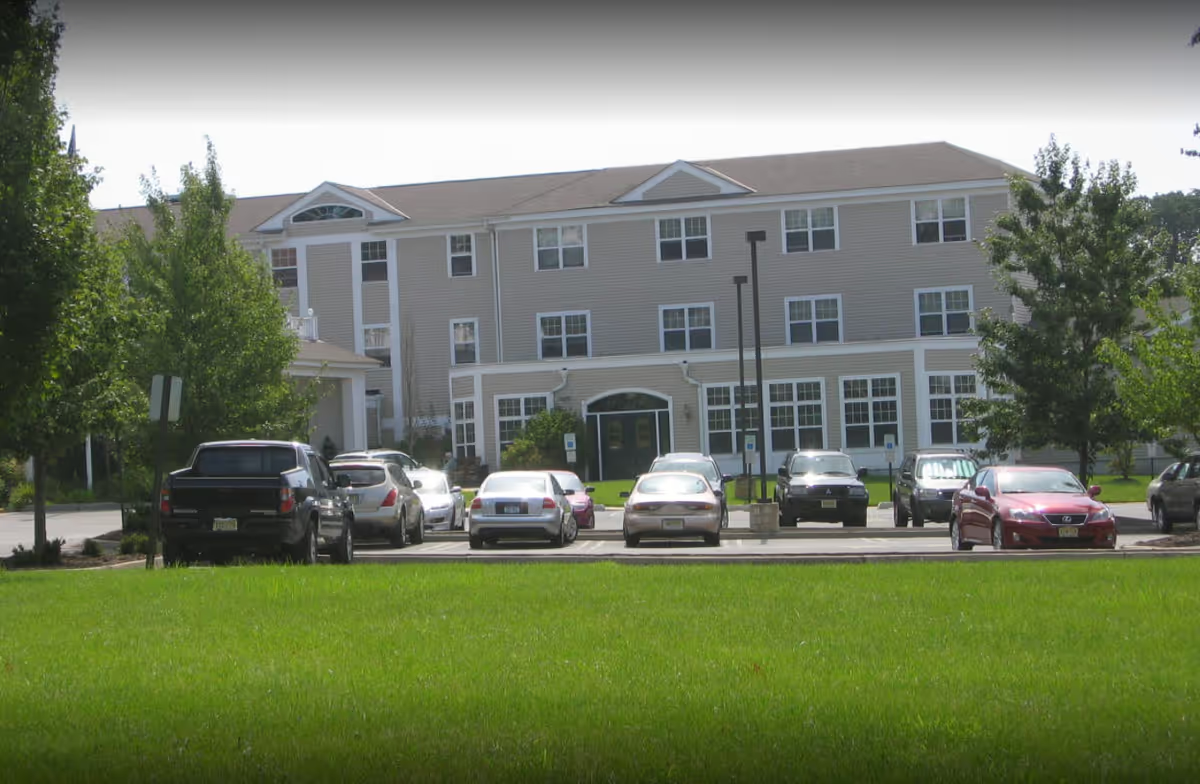
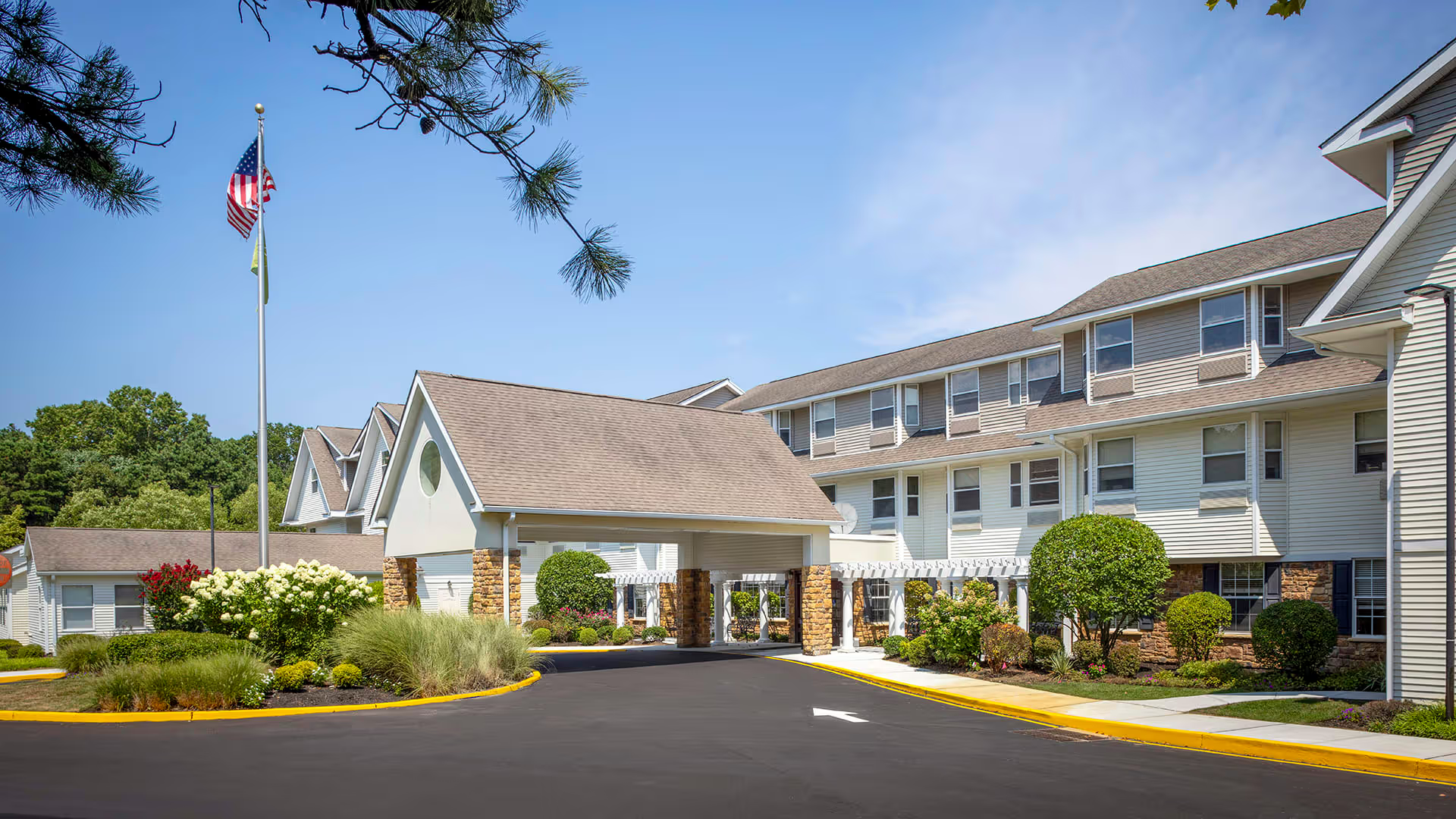
Facility upkeep and communal life are generally viewed positively: reviewers cite a clean, well-maintained interior, an accessible one-level layout, pleasant outdoor areas, and an active calendar of events (therapy-dog visits, themed days, music and religious services). The small census is often framed as an advantage for personalized care. Infection-control practices and secure access were also noted as strengths, and the social-work team and front-office staff are commonly praised for coordination and family outreach.
Dining and ancillary services show mixed feedback. Some families describe meals as satisfactory and the dining atmosphere as friendly with snacks available, while others note inconsistent food quality and timing that do not always meet expectations. Laundry handling and clothing tracking emerged as an operational weak point in several accounts. Reviewers also identified occasional cleanliness or maintenance lapses in specific areas, though these appear uneven across time and locations within the facility.
Staffing and clinical consistency are the principal areas of concern. Multiple comments point to understaffing or high turnover that can lead to delays in personal-care responses (for example, assistance with toileting or bathing) and uneven performance among individual staff members. Relatedly, rehabilitation services receive variable evaluations: some families report effective, timely therapy, while others found the rehabilitation program less proactive or insufficient for post-acute recovery needs. There are also isolated but serious allegations concerning post-fall care and regulatory follow-up; these represent outlier accounts that reviewers felt warranted attention.
Communication is another mixed area. Many families commend proactive clinical updates and an involved administration, yet other accounts describe inconsistent outreach, phone/TV access limitations, and episodic delays in resolving concerns. Medication-management and clinical-incident follow-up are generally handled well according to several reports, but inconsistencies were mentioned enough times to flag as an operational weakness.
Overall, Tower Lodge appears to deliver a high level of person-centered care for many residents, supported by an engaged clinical and administrative team and a close-knit community environment. Prospective residents and families should weigh the strong interpersonal care culture and cleanliness against documented operational limitations: variable food service, laundry tracking, staffing stability, and occasional inconsistencies in rehabilitation and clinical follow-up. A focused conversation during a tour about staffing ratios, rehabilitation goals, laundry procedures, and communication protocols will help determine whether the facility’s strengths align with an individual’s care priorities.